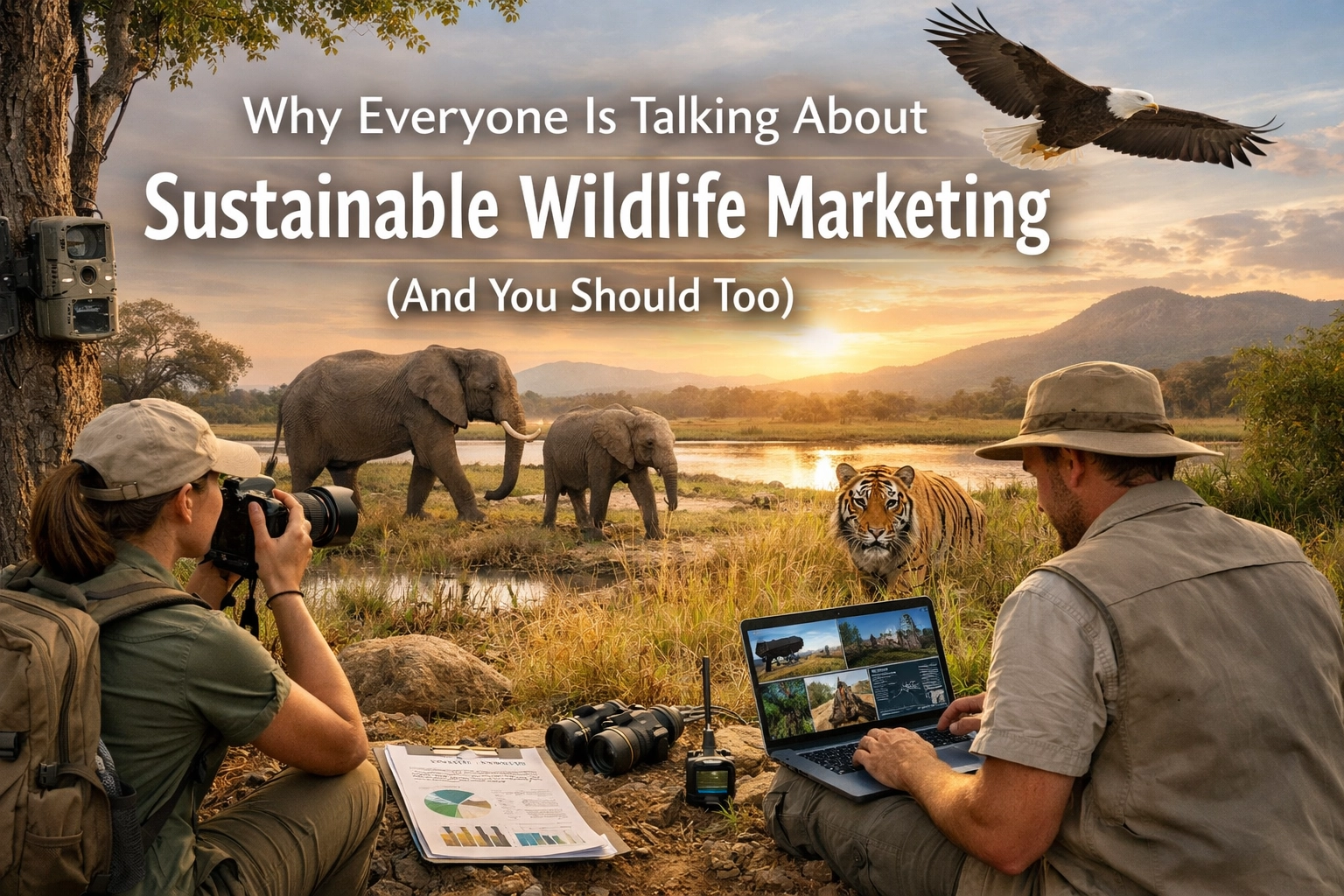
Why Everyone Is Talking About Sustainable Wildlife Marketing (And You Should Too)
It is Tuesday, March 24, 2026. The marketing landscape for zoos and aquariums has shifted. People no longer just want to see animals. They want to know the animals are safe. They want to know the planet is protected.
At Zoo Imagery, we see the data. Sustainable wildlife marketing is the new standard. It is not a trend. It is how the industry survives and grows.
The New Standard
Marketing used to be simple. You showed a picture of a lion. People came to see the lion. Today, the audience is different. They are informed. They are skeptical. They look for proof of conservation.
Sustainable wildlife marketing is about showing that proof. It is about moving from "entertainment" to "impact."
We call this "doing good" marketing. It is simple. It is honest. It works.
Why Now?
The world changed. By 2026, visitors expect more from digital media. They want to see where their ticket money goes. They want to see that the imagery they consume is ethical.
If your marketing feels like a sales pitch, people look away. If it feels like a progress report on a better world, they lean in.

ESG Without the Jargon
You hear the term "ESG" often. Environmental, Social, and Governance. Most marketing firms make it sound complicated. We don't.
For a zoo or aquarium, ESG is simple:
Environment
- How do you help wild populations?
- How do you reduce waste in your facility?
- Do your photos reflect real habitats?
Social
- How do you treat your local community?
- Is your education accessible to everyone?
- Do you tell the stories of the people behind the animals?
Governance
- Is your leadership transparent?
- Are you honest about your funding?
- Do you partner with ethical suppliers?
When your marketing reflects these three things, you build trust. Trust leads to visitors. Visitors lead to conservation funding.
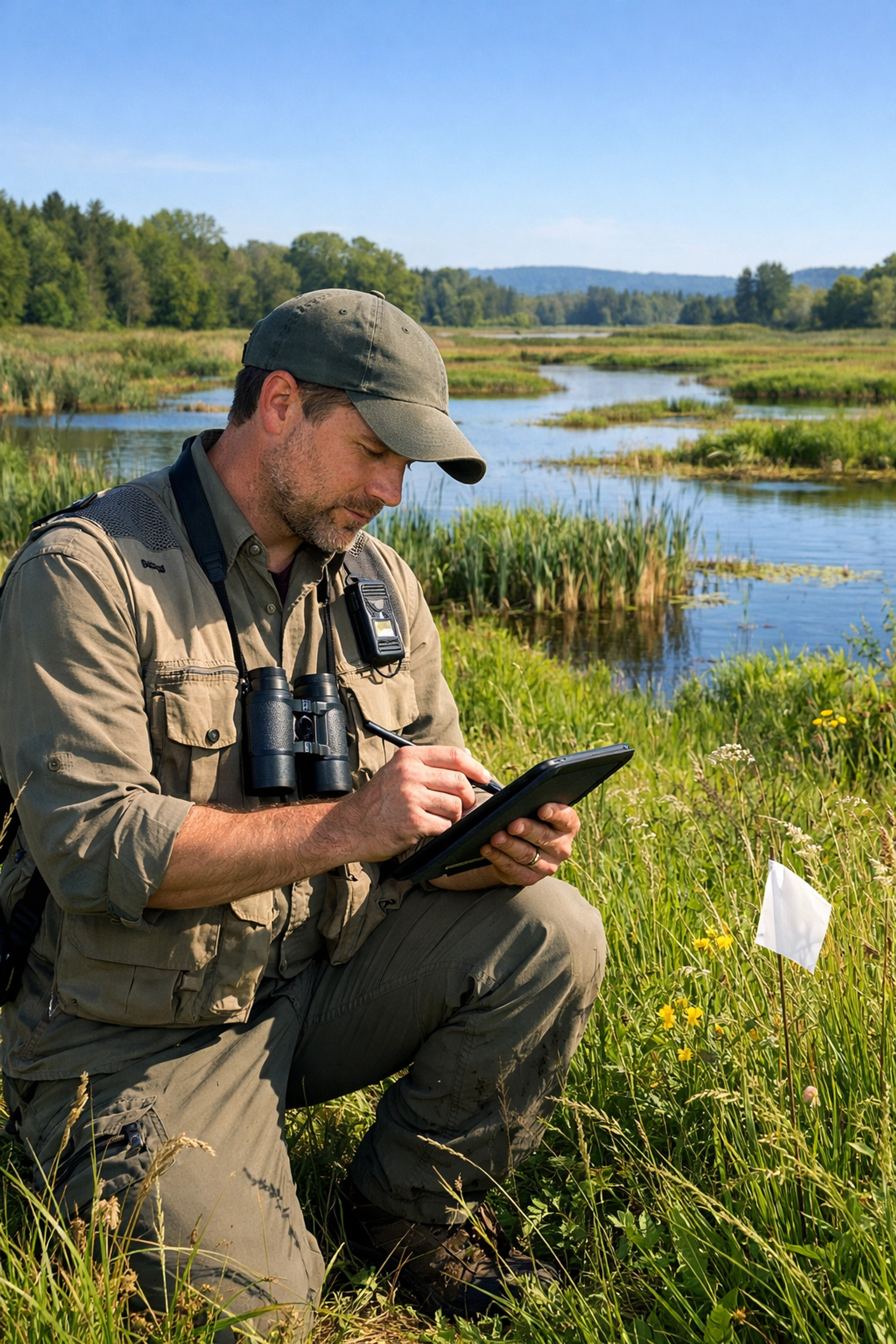
Marketing with Purpose
Sustainable marketing avoids "greenwashing." This is when a company claims to be green but isn't. In the zoo world, this happens when marketing is all flash and no substance.
To do it right:
- Show the work. Not just the animal.
- Use real data. 500 trees planted. 12 animals released.
- Be transparent. If a project is hard, say it.
People respect the truth. They don't expect perfection. They expect effort.
The Power of Visuals
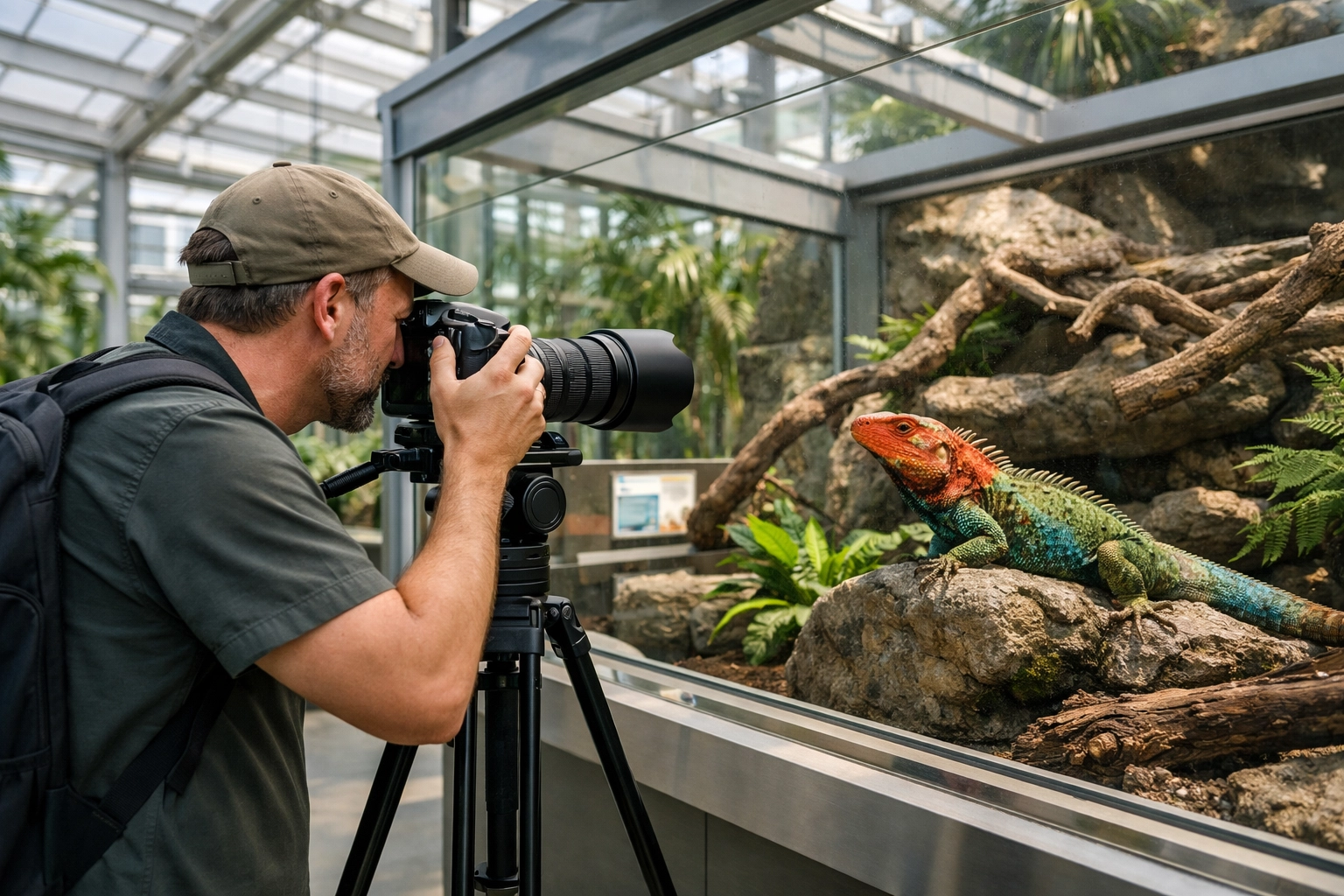
Visuals are the heartbeat of your message. If you use poor-quality images, your mission looks amateur. If you use generic stock photos that don't match your message, you lose trust.
You need images that tell a story.
- Close-ups that show emotion.
- Wide shots that show scale.
- Authentic colors. No heavy filters.
At Zoo Imagery, we focus on photography that bridges the gap between the viewer and the wild.
Sponsored Species Spotlights
One of the most effective ways to market sustainably is through species spotlights. Instead of marketing "The Zoo," market a specific mission.
Elephants
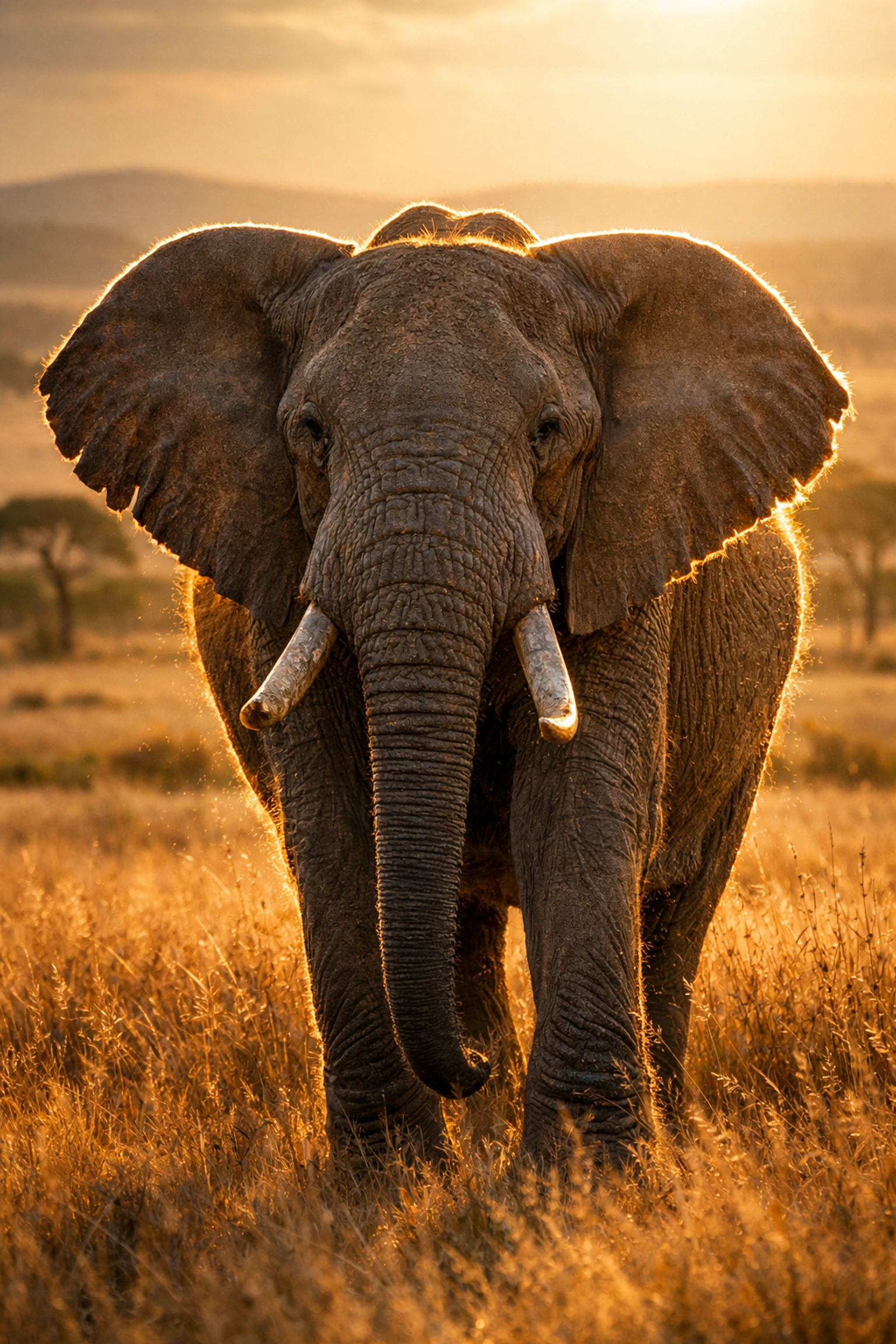
Focus on the complexity of their social lives. Share updates on habitat protection. Use professional elephant imagery to highlight their majesty.
Polar Bears
Talk about the ice. Show the connection between local actions and global impacts. Quality polar bear photography makes the remote feel personal.
Birds
Focus on local ecosystems. Show how migratory paths connect your zoo to the rest of the world. Explore our bird category for inspiration.
Wildlife Trends in 2026
We are seeing three major trends this year:
- Behind-the-Scenes Access: People want to see the vet checkups. They want to see the food prep. They want to see the messy, real side of animal care.
- Impact Reporting: Monthly updates on conservation goals. Not once a year. Every month.
- Educational Storytelling: Short, punchy facts. No long paragraphs. Just the truth.
How to Start Today
You don't need a massive budget to pivot to sustainable marketing. You need a plan.
- Audit your current media. Does it look like 2016 or 2026?
- Identify your "Hero" stories. What is the best thing your team did last week?
- Clean up your language. Remove the buzzwords. Use simple English.
- Invest in better assets. Use photography that reflects your actual conservation goals.
Authenticity Over Perfection
In 2026, perfection is boring. It feels fake.
- A photo of a researcher in the rain is better than a staged shot in a lab.
- A video of a sea turtle being released: even if it's shaky: is better than a high-end commercial.
- Real stories win.
Sustainable marketing is just "real" marketing. It’s about being a good steward of the planet and telling people about it without bragging.
The Business Case
Sustainability is good for the bottom line.
- Millennials and Gen Z are the primary parents now.
- They choose brands based on values.
- They will pay more for a ticket if they know it helps a species.
If you don't talk about your impact, they will assume you don't have one.
Final Thoughts
Marketing is no longer about shouting the loudest. It is about speaking the clearest.
At Zoo Imagery, we provide the tools to tell these stories. We focus on the quality of the image so you can focus on the quality of the work.
Keep it simple. Keep it real. Keep it sustainable.
Join the Conversation
We share daily insights on wildlife marketing and digital media trends.
Learn more about our work: zooimagery.com
Follow our updates: Connect with us on LinkedIn
Zoo Imagery. Simple media. Real impact.


