
Why Everyone Is Talking About Sustainable Wildlife Campaigns (And You Should Too)
Sustainable wildlife campaigns are no longer a niche interest. They are the standard. By mid-April 2026, the shift is absolute. Major brands and local zoos are moving away from generic messaging. They are focusing on measurable impact. Public awareness is rising. Policy attitudes are shifting. The focus is on the long term.
The Current State of Wildlife
The urgency is real. Nature faces threats from every side. Pollution. Deforestation. Poaching. The numbers are stark. Over the last century, we lost 97% of wild tigers. Only about 3,200 remain in their natural habitats.
This is why campaigns matter now. Organizations like the WWF have moved toward storytelling that connects people to nature. In 2025, the "Nature Needs Us Now" initiative launched. It wasn't about guilt. It was about the relationship between humans and the wild.
We see the same shift with the National Wildlife Federation. Their late 2025 documentary on offshore energy reached millions. It didn't just get views. It changed the minds of politicians. It moved the needle on renewable energy policy.
Campaigns work when they are honest.

Why Sustainability is Trending
People care about where their resources come from. Clean air. Fresh water. Raw materials for medicine and homes. Nature provides these. When a wildlife campaign highlights these links, it resonates.
Mainstream corporate strategy is changing. Brands like Christian Dior are now funding the regeneration of thousands of hectares of natural corridors. They aren't just donating. They are integrating environmental action into their brand identity.
This isn't about buzzwords. It is about survival. It is about quality of life.
Marketing Insights for Zoos and Aquariums
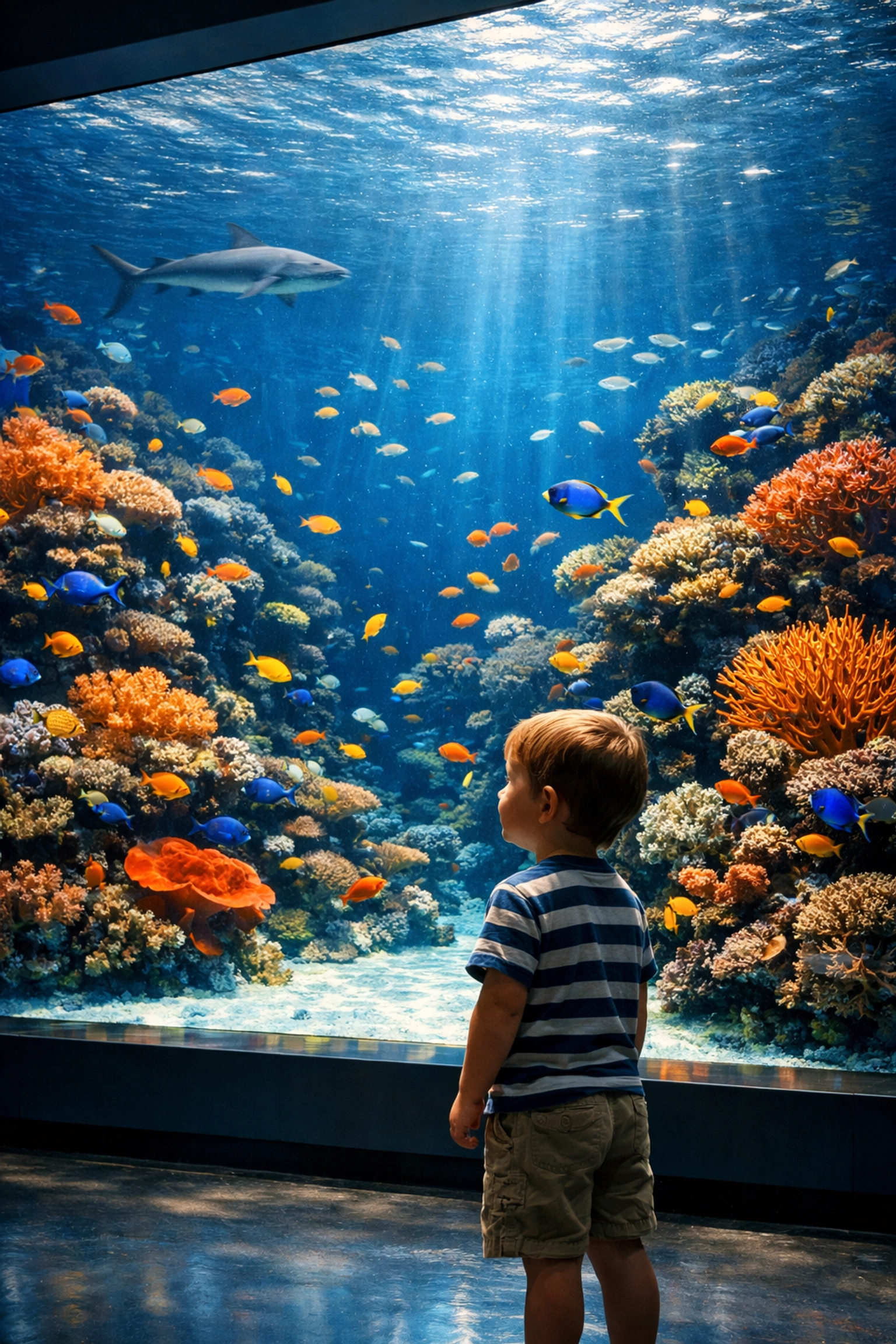
For zoos and aquariums, the challenge is staying relevant. Traditional advertising is fading. People want to see the work being done. They want to see the animals they are helping protect.
- Be Direct. Tell the story of the animal. Skip the marketing jargon.
- Focus on Species Spotlights. Highlight a specific animal. Show the struggle. Show the progress.
- Use High-Quality Visuals. A single, powerful image says more than a paragraph of text.
- Connect to the Human Benefit. Explain why a healthy ocean helps the visitor. Explain how a thriving forest keeps our air clean.
Sponsored Species Spotlights
At Zoo Imagery, we see how visual storytelling changes the narrative. High-quality media is the bridge between a donor and a cause.
The Tiger Crisis
The loss of tigers is a global tragedy. Campaigns focusing on wild tigers need to be visceral. They need to show the beauty of what we are losing. Visuals should be raw and authentic.
The Arctic Reality
Polar bears are the faces of the changing climate. But the story is more than just melting ice. It is about the ecosystem that supports them. Effective campaigns focus on the resilience of these animals.
Gentle Giants
Elephants are key to their environments. They are "ecosystem engineers." When you protect elephants, you protect countless other species. Marketing should reflect this interconnectedness.
The Shift Away from "Business as Usual"
Traditional corporate social responsibility used to be a footnote. Today, it is the headline. Consumers in 2026 look for transparency. They want to see that the organizations they support are aligned with environmental health.
This is often called ESG, but the labels don't matter to the public. What matters is action.
- Does the campaign lead to more trees?
- Does it lead to cleaner oceans?
- Does it ensure a future for lions?
If the answer is yes, the campaign will succeed.
Making it Personal
Why should you talk about sustainable wildlife? Because your audience is already thinking about it.
Whether you are a small aquarium or a large-scale conservation group, your voice matters. You have the ability to turn a viewer into an advocate. This happens through trust.
Trust is built on simple, clear messaging. Avoid flowery descriptions. State the facts.
- Wildlife is under threat.
- We have the tools to help.
- Here is what we are doing.
The Power of Photography in 2026
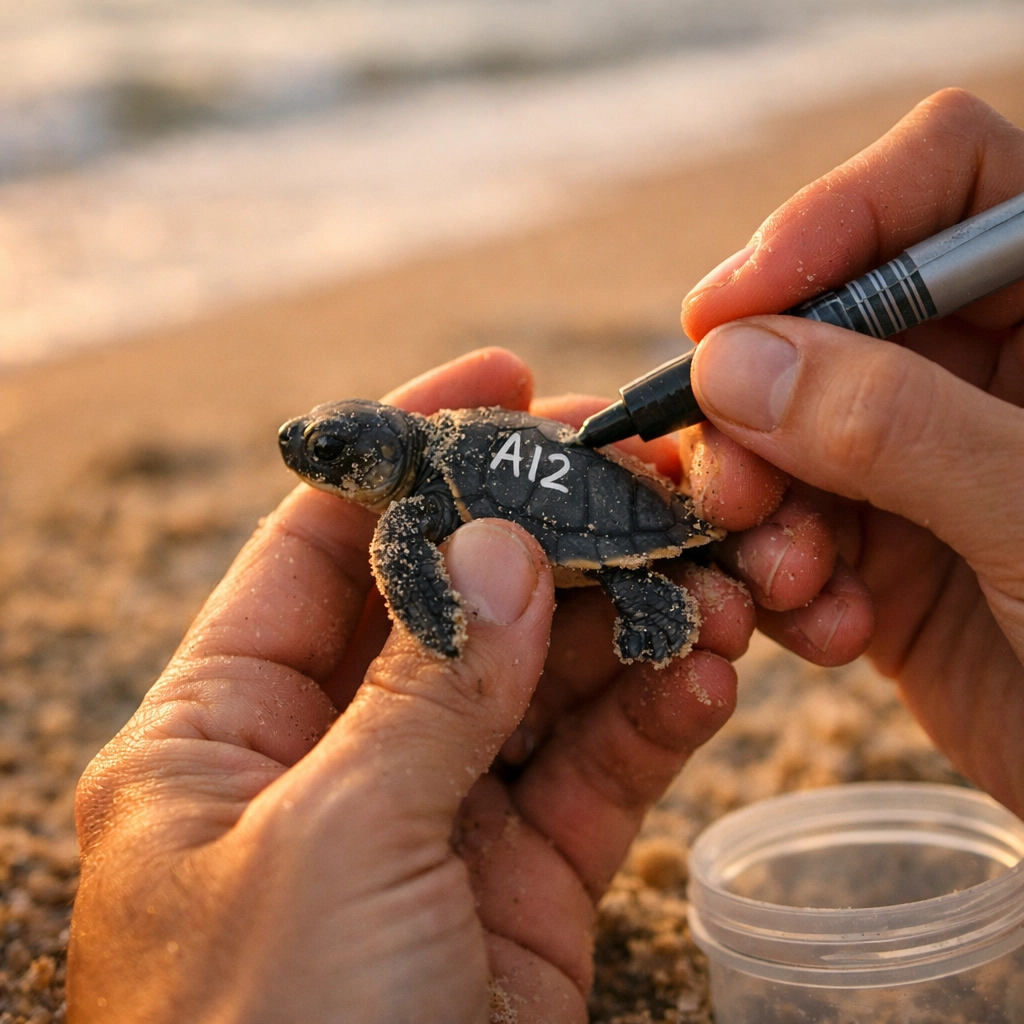
We live in a visual world. Digital media is the primary way people interact with wildlife. Most people will never see a giraffe or a hyena in the wild. Their entire understanding of these animals comes from the images they see on their screens.
This places a high responsibility on content creators. The images must be accurate. They must be compelling. They must respect the animal.
At Zoo Imagery, we provide the assets needed for these vital conversations. From birds to pandas, every species has a story that deserves to be told with clarity.
Strategy: Content That Breathes
When creating your next campaign, let the content breathe.
- Use white space.
- Use short sentences.
- Let the photography do the heavy lifting.
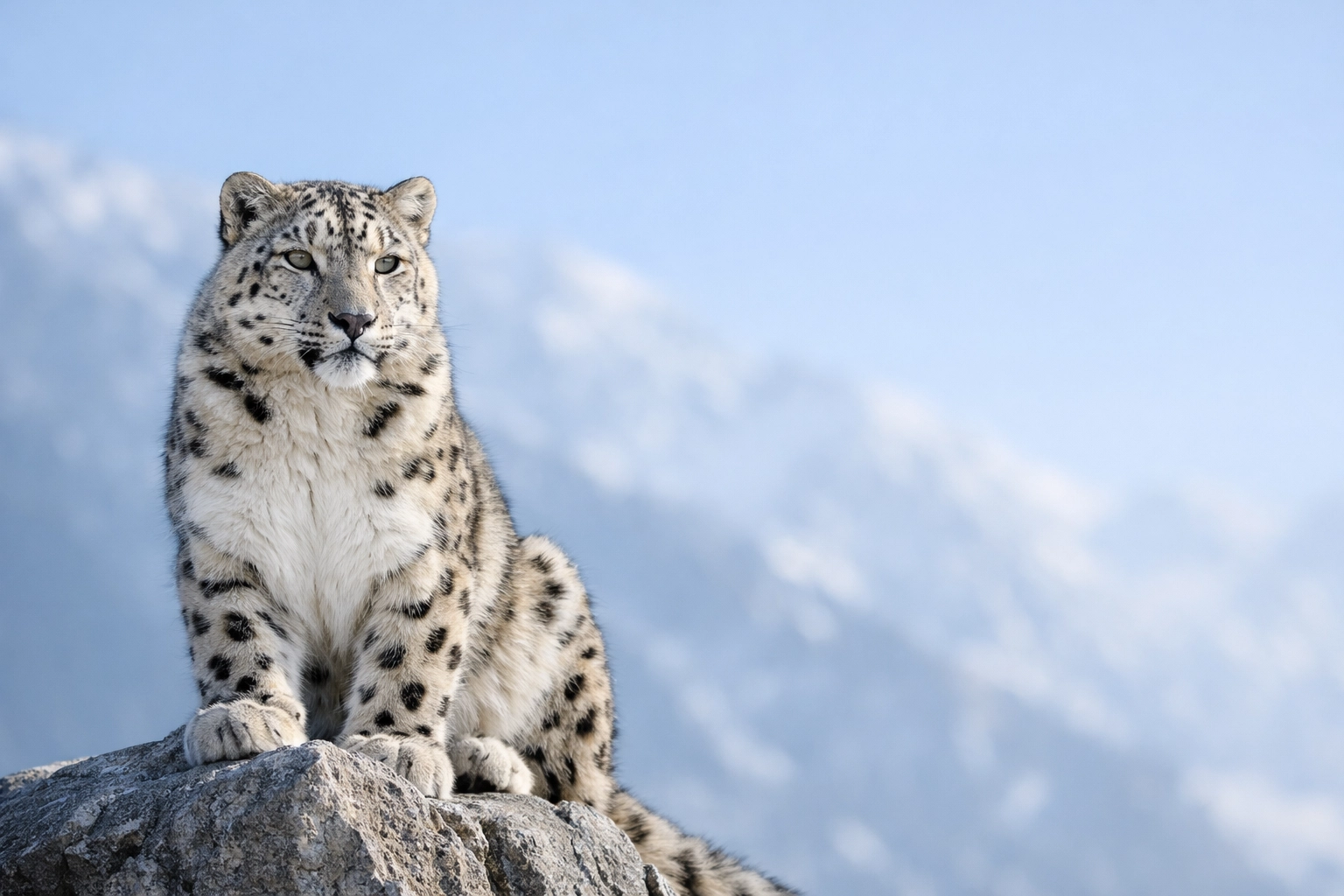
Don't feel the need to fill every corner of a webpage with text. If an image of a tiger is powerful enough, a simple headline is all you need.
Building Trust Through Transparency
The audience is smart. They can tell when a campaign is a distraction. To avoid this, be transparent about your goals.
If you are raising money for habitat restoration, show the habitat. If you are working on a breeding program, show the results. Use your platform to educate, not just to promote.
This approach builds a community. A community is more valuable than a list of followers. A community takes action.
Future Outlook
The trend toward sustainable wildlife campaigns is not a phase. It is an evolution of how we view our place in the world. As we move further into 2026, the integration of wildlife protection and daily life will only grow stronger.
Brands that ignore this shift will be left behind. Zoos that fail to communicate their conservation impact will lose support.
The goal is a world where nature thrives alongside us. Your marketing and your media are the tools to build that world.
Get Involved
The transition to sustainable storytelling starts with the right visuals. High-quality media changes how people perceive the natural world. It turns abstract problems into concrete solutions.
Explore our library of specialized animal photography to support your next project. We focus on providing the media you need to tell these important stories effectively.
Visit zooimagery.com to see our latest collections and species spotlights.
Connect with us on LinkedIn to stay updated on wildlife trends and marketing insights for the conservation community.
Protect the wild. Tell the story. Keep it simple.


