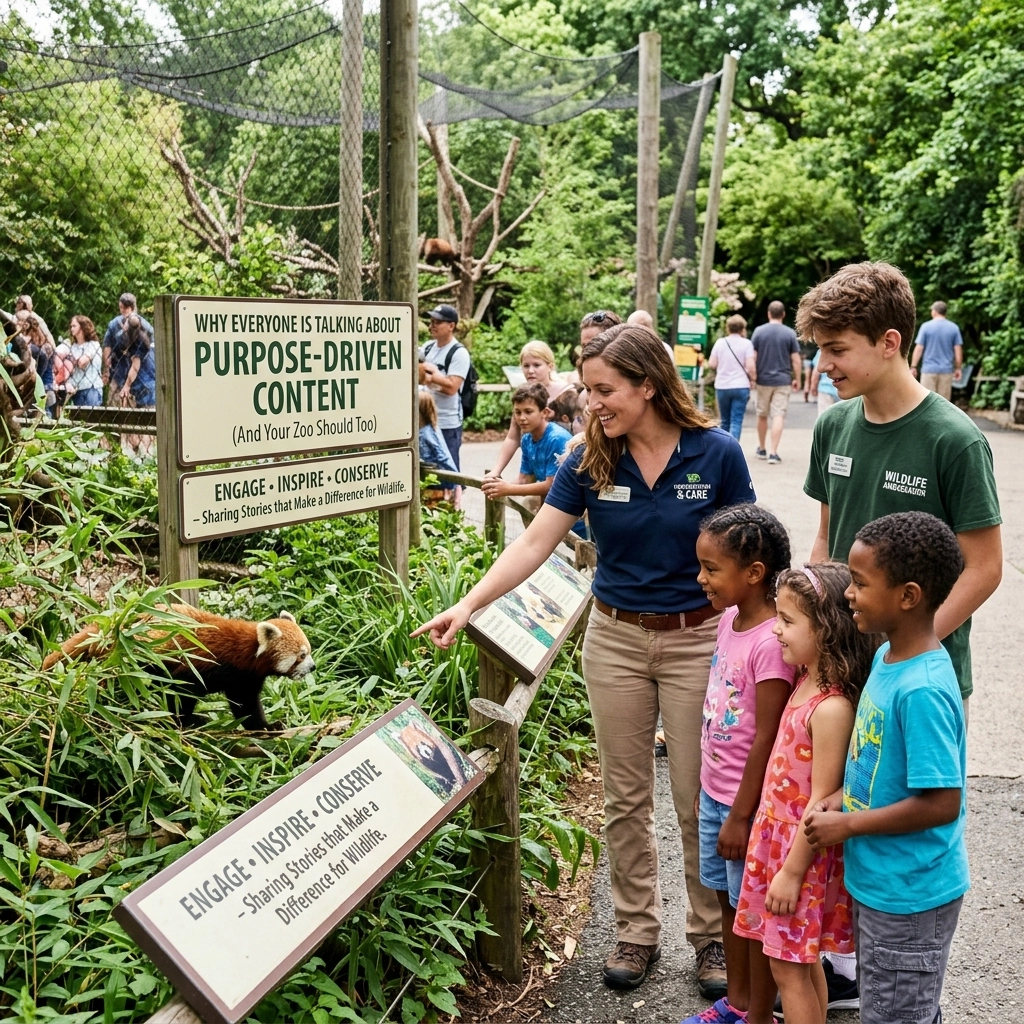
Why Everyone Is Talking About Purpose-Driven Content (And Your Zoo Should Too)
Purpose is not a buzzword. It is a business requirement.
The landscape has shifted. Visitors no longer come to your zoo just to see animals. They come because they believe in what you do to protect those animals.
Today, consumers expect brands to align with their personal values. This is especially true for conservation-focused organizations. If your marketing only shows a photo of a lion with a "buy tickets" button, you are missing the mark.
You need purpose-driven content.
The Numbers
Data shows this isn't just a feeling. It is measurable.
- 87% of consumers will buy a product because a company advocated for an issue they care about.
- 66% of global consumers are willing to pay more for sustainable brands.
- 40% more revenue is generated by companies that use personalized, purpose-aligned content.
For a zoo or aquarium, these numbers are an opportunity. Your "product" is the survival of species. Your "purpose" is conservation.
When you align your content with this reality, engagement follows.
Moving Beyond "Business as Usual"
Traditional marketing is transactional.
"We have a tiger. Come see it."
Purpose-driven marketing is relational.
"This wild tiger is part of a global survival plan. Here is how we are saving its habitat."
One is an invitation to look. The other is an invitation to join a mission.

The Content Pillar: Conservation Storytelling
Transparency builds trust.
People want to see the work. They want the behind-the-scenes reality of wildlife care.
What to share:
- Measurable impact data.
- Case studies on individual animals.
- Success stories from field partners.
- Direct updates from animal care teams.
Don't over-edit. Don't use marketing jargon. Just state the facts. If a conservation project had a setback, talk about it. Honesty is more valuable than a perfect record.
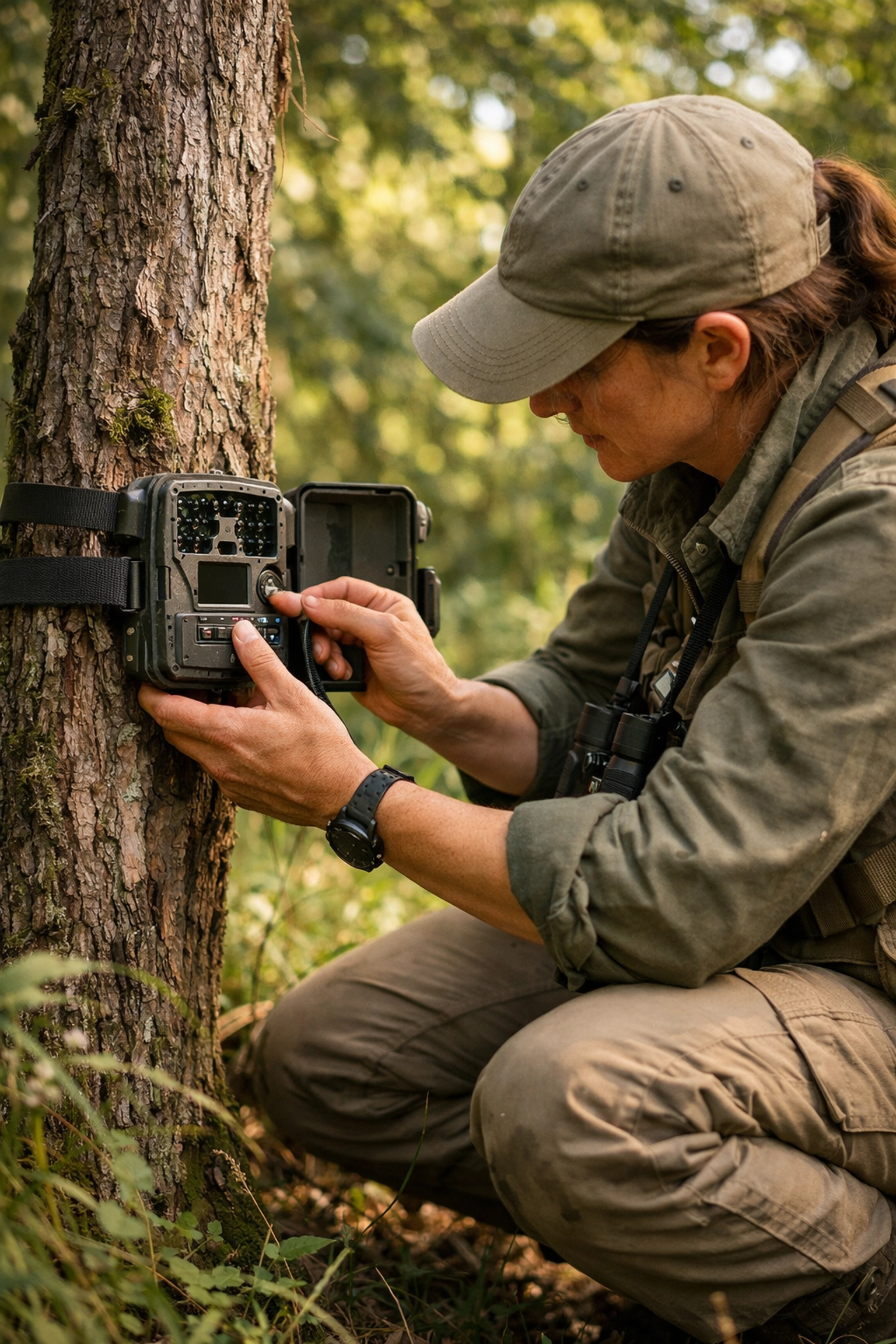
(Suggested prompt: A close-up, high-quality photograph of a veterinarian or conservationist working in a natural habitat, focusing on the connection between humans and wildlife, simple and clean composition.)
Species Spotlights
Focusing on a single species allows for deeper connection.
Instead of a generic newsletter, try a "Presented by" animal page. Choose a species each month. Connect all content to that animal’s specific challenges and the zoo’s specific solutions.
For example, a month dedicated to elephants shouldn't just be cute photos. It should be:
- Current population trends.
- The zoo’s contribution to anti-poaching efforts.
- How visitor ticket sales directly fund habitat protection.
Keep it simple. One animal. One mission. One clear path for the visitor to help.
Educational Narratives
Education is a core tenet of the modern zoo. Use long-form content to dive deep.
A 30-second clip of a panda eating bamboo is great for social media. But a long-form article or video about the genetics of panda breeding programs builds authority.
Education is not just for kids. Adults are the ones buying the tickets and memberships. Give them content that respects their intelligence.
The Power of Visuals
You cannot tell a purpose-driven story with bad imagery.
If you are talking about the majesty of lions, the photo needs to reflect that majesty. Low-resolution, shaky, or poorly lit photos undermine your message.
High-quality photography is a bridge. It connects the viewer to the animal instantly. It creates empathy without words.
Many zoos struggle to get high-quality shots because their staff is busy doing the actual work of conservation. This is where professional stock photography becomes a tool, not just a resource. It allows you to maintain a premium brand image while your team focuses on the mission.
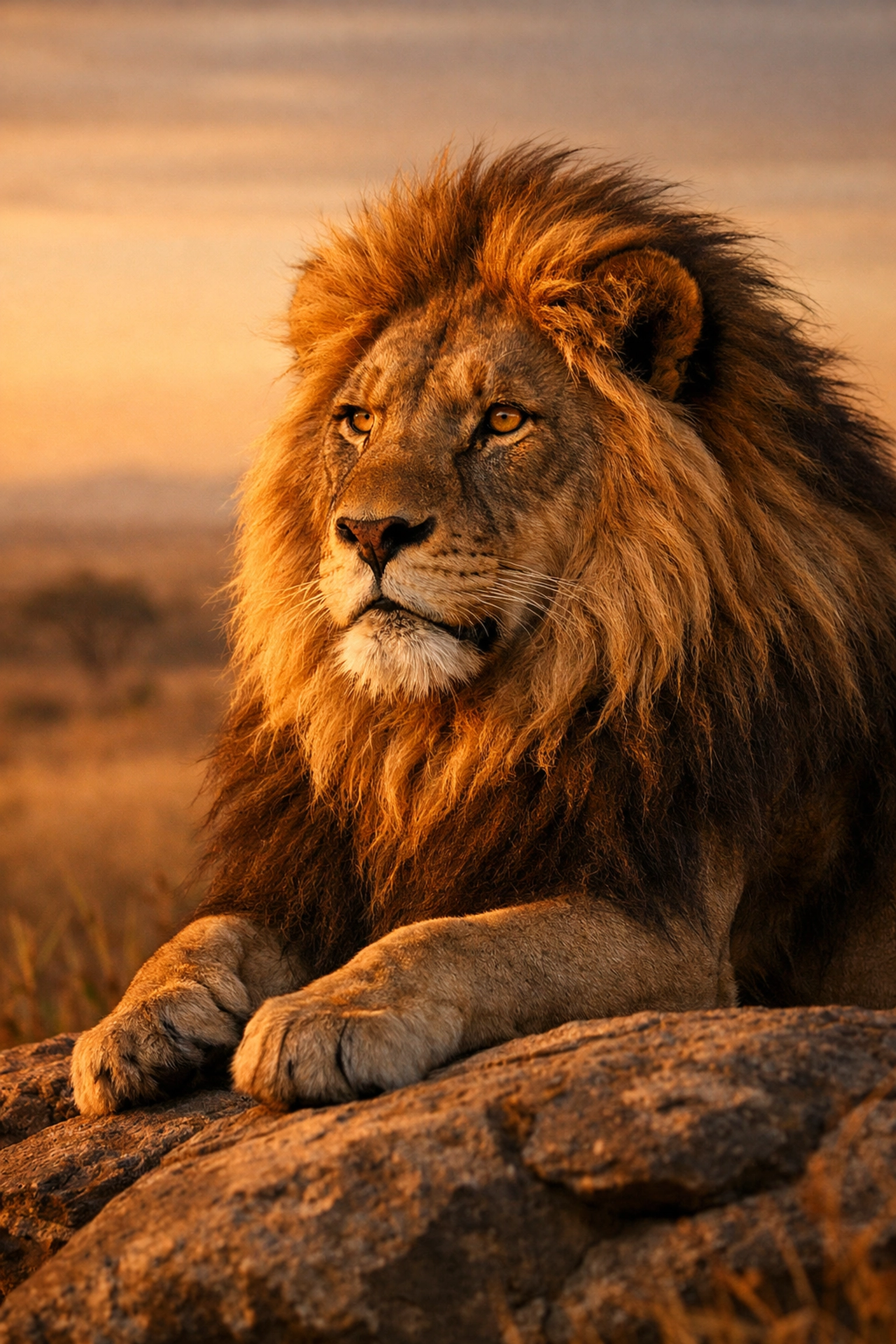
(Suggested prompt: A stunning, professional-grade photograph of a lion in a naturalistic setting, soft lighting, emphasize the dignity and strength of the animal, clear and sharp.)
Community Engagement
Your visitors are your biggest advocates.
User-generated content (UGC) is the ultimate social proof. When a visitor shares a photo of a giraffe and talks about what they learned, it carries more weight than your official marketing.
Encourage this.
Feature visitor stories.
Ask them why they care about wildlife.
Purpose-driven content is a two-way street. It’s a conversation between the institution and the community.
Authenticity vs. Performance
The modern audience has a high "BS" detector.
They know the difference between a brand that truly cares and one that is just checking a box. This is why we avoid buzzwords. Words like "synergy," "eco-friendly," or "green" have lost their meaning through over-use.
Instead of saying you are "eco-friendly," show your composting system.
Instead of saying you "care about animals," show the enrichment programs you provide for hyenas.
Let the actions define the brand.
Implementation: A Simple Checklist
How to start transitioning your zoo’s content today:
- Audit your current posts. Are they 90% "come visit" and 10% mission? Flip that ratio.
- Identify your heroes. Which staff members are on the front lines? Get them on camera.
- Focus on the "Why." Every time you post a photo of an animal, ask: Why does this matter for the planet?
- Use better imagery. Stop settling for "good enough." If the photo doesn't stop the scroll, the message won't be read.
- Be consistent. Purpose isn't a campaign. It's the baseline.

(Suggested prompt: A wide-angle, clean shot of a modern zoo exhibit that looks like a natural habitat, no people in the frame, bright and airy feel, representing modern conservation standards.)
Marketing for the Future
The zoos that will thrive in the next decade are the ones that lean into their mission.
Millennials and Gen Z are becoming the primary decision-makers for family outings. They are looking for organizations that do good in the world. They want their money to go toward a cause.
Your zoo is that cause.
Tell the story of the polar bears. Tell the story of the fish in the coral reefs. Tell the story of the birds in the rainforest.
But most importantly, tell the story of how you are making sure they don't disappear.
Simple. Direct. Impactful.
We believe in the power of the image to drive change.
Zoo Imagery was built to provide the visual tools zoos need to tell these stories effectively. We focus on the quality so you can focus on the conservation.
No fluff. Just the best imagery for the most important missions on earth.
Explore our library and find the right visuals for your next campaign.
Visit us at zooimagery.com to see how we can help you tell your story.
Connect with us on LinkedIn for more marketing insights and wildlife trends.
Dan Kost
CEO, Zoo Imagery


