Why Everyone Is Talking About Authentic Wildlife Imagery Trends (And You Should Too)
Saturday, April 18, 2026.
From the desk of Dan Kost, CEO.
The world is noisy.
Digital feeds are flooded with AI-generated landscapes and over-filtered photos.
People are noticing.
They are pushing back.
In the zoo and aquarium world, the visual bar has shifted.
It is no longer about the "perfect" shot.
It is about the "real" shot.
Authenticity is the trend.
Here is why it matters for your organization and how to use it.
The Human Need for Connection
Nature isn't a backdrop. It’s a connection.
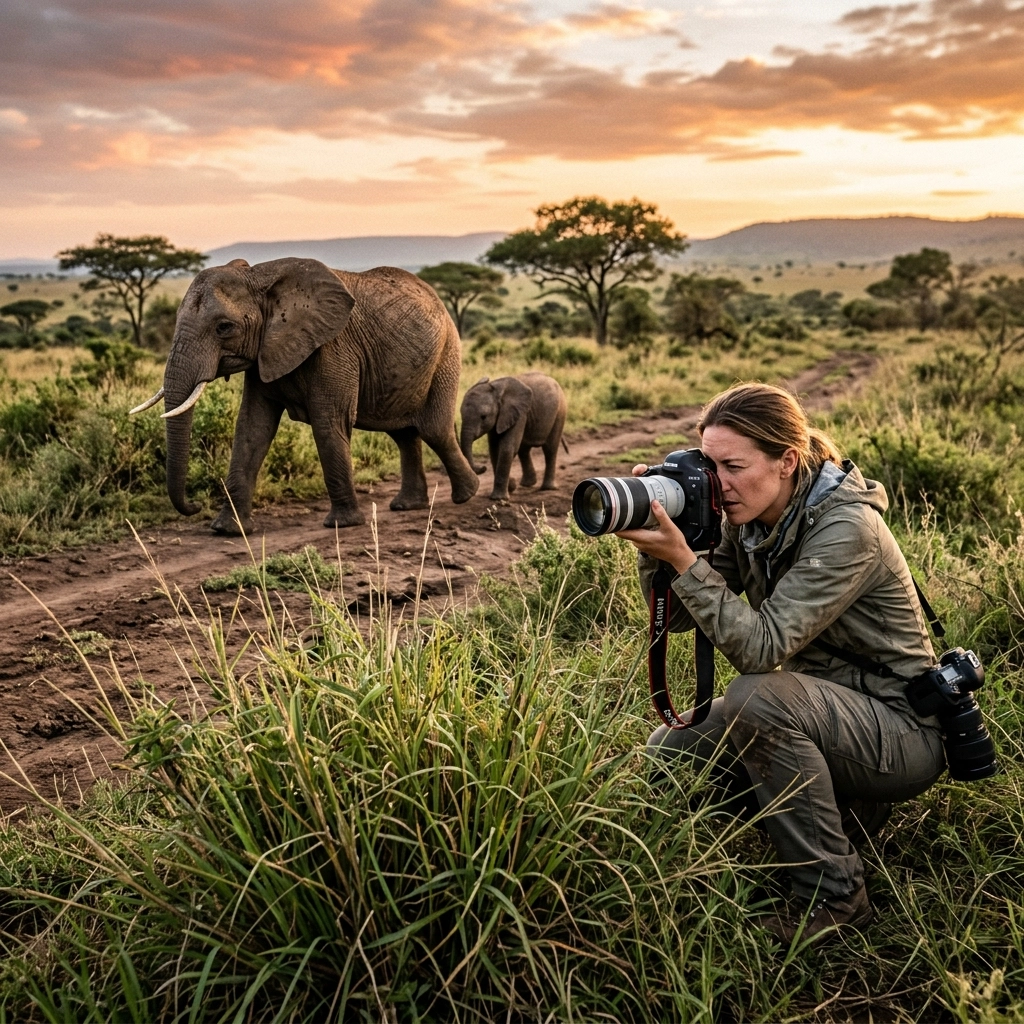
Recent data shows wildlife photography is a top choice for home and office decor.
People want nature indoors.
They want art that tells a story.
Not a manufactured story. A true one.
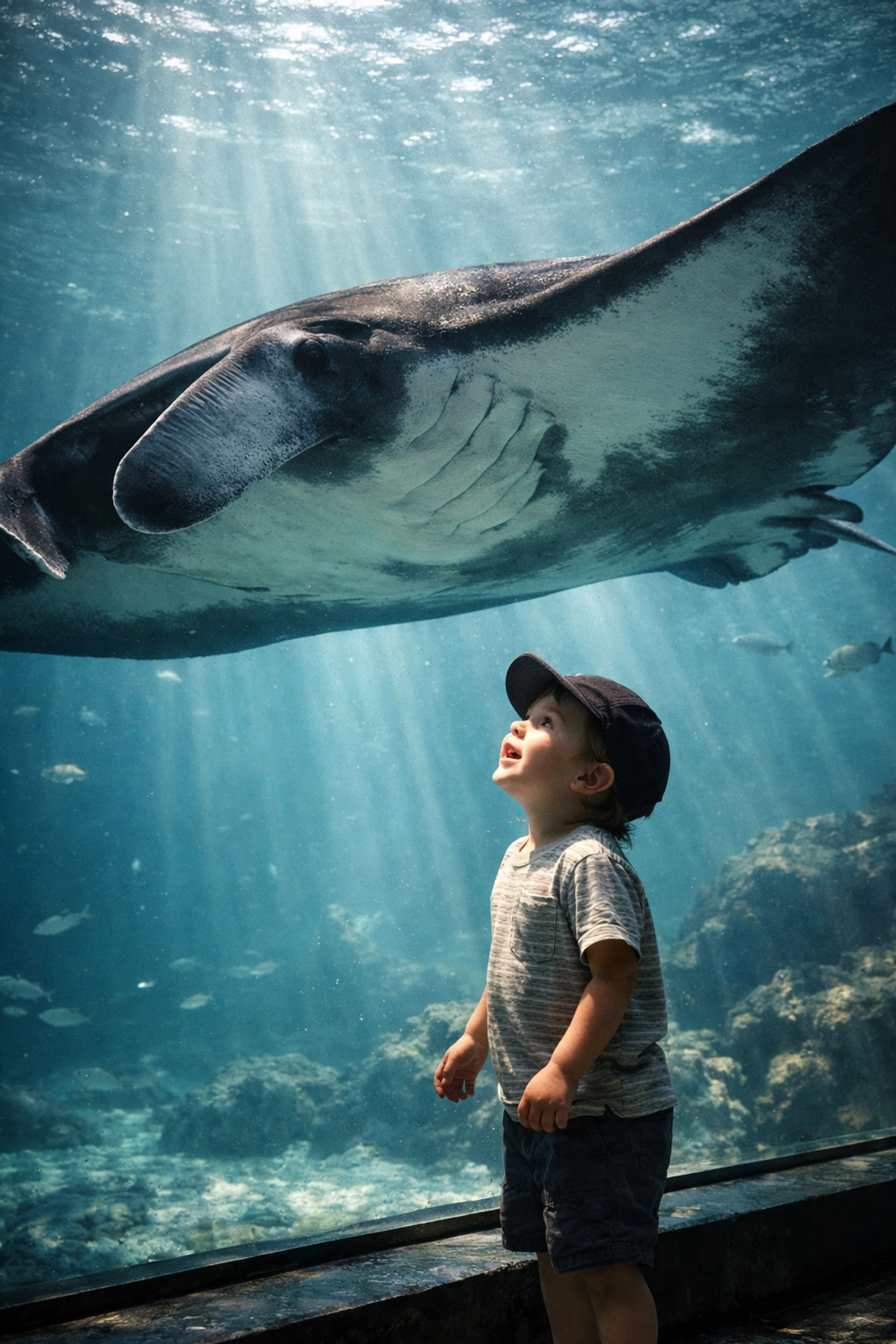
When a visitor sees a photo of an animal in your care, they aren’t just looking at a species.
They are looking for a moment of shared existence.
The "splendor and trials" of the natural world.
Real photography creates awe.
AI cannot replicate that emotional weight.
The AI Fatigue
We have reached a tipping point.
AI can generate a tiger in a jungle in three seconds.
But it lacks soul.
It lacks the dust on the fur.
It lacks the specific glint in the eye that comes from a physical encounter.
Audiences are developing an "uncanny valley" reflex.
They can sense when an image is synthetic.
For zoos and aquariums, trust is the primary currency.
If your imagery feels fake, your conservation message feels fake.
Authentic pixels carry weight.
They prove you were there.
They prove the animal exists.
They prove the work you do is tangible.
Conservation Visuals: Beyond the Buzzwords
We talk about environmental and social responsibility.
Usually, it’s buried in reports.
Authentic imagery brings these reports to life.
Look at the 2025 Nature Photography Contest.
The winning image: an orangutan in a deforested landscape.
It wasn't "pretty."
It was powerful.
It made a statement about habitat loss without using a single marketing buzzword.
This is the visual language of conservation.
- Show the habitat.
- Show the challenges.
- Show the success stories.
- Keep it raw.
Marketing Insights for Zoos and Aquariums
Marketing has changed.
The "bronze-hazed" and "desaturated" filters of the early 2020s are fading.
People want clarity.
They want the true colors of the rainforest.
The actual blue of the ocean.
The Sponsored Species Spotlight
One of the most effective ways to use authentic imagery is the "Presented by" model.
Partner with a local business.
Give them a specific species to "sponsor" visually.
Provide them with high-quality, authentic photos of that animal to use in their own CSR (Corporate Social Responsibility) content.
It connects the business to the animal.
It connects the animal to the community.
It provides the business with high-quality content they couldn't produce themselves.
The "Behind the Scenes" Reality
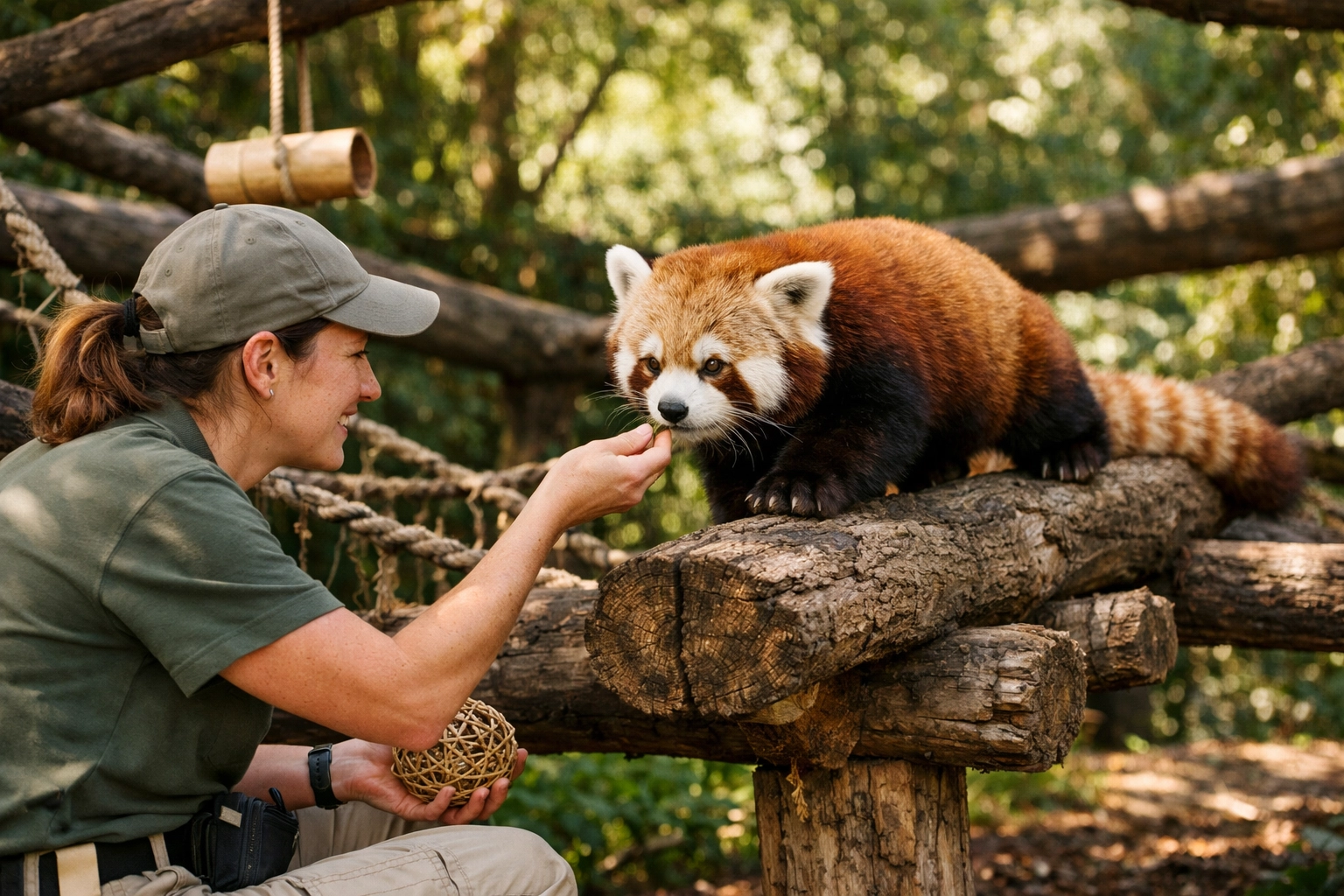
Don’t just show the animal on exhibit.
Show the vet check.
Show the food prep.
Show the enrichment.
This transparency builds a bridge of trust with your donors.
Why Quality Over Quantity?
The internet is full of "okay" photos.
"Okay" doesn't stop the scroll.
Authentic, high-impact imagery does.
Invest in a library of images that can be used for years.
Wildlife photography is timeless.
A great shot of a lion doesn't go out of style.
It doesn't date itself like a graphic design trend.
It remains relevant as long as the species does.
ESG-Aligned Campaigns (The Simple Way)
You don't need a 50-page manifesto to show you care about the planet.
You need a visual narrative.
An ESG-aligned campaign is simply a series of images that prove your commitment.
- Direct Action: Photos of staff planting native trees.
- Resource Management: Shots of water filtration systems in the aquarium.
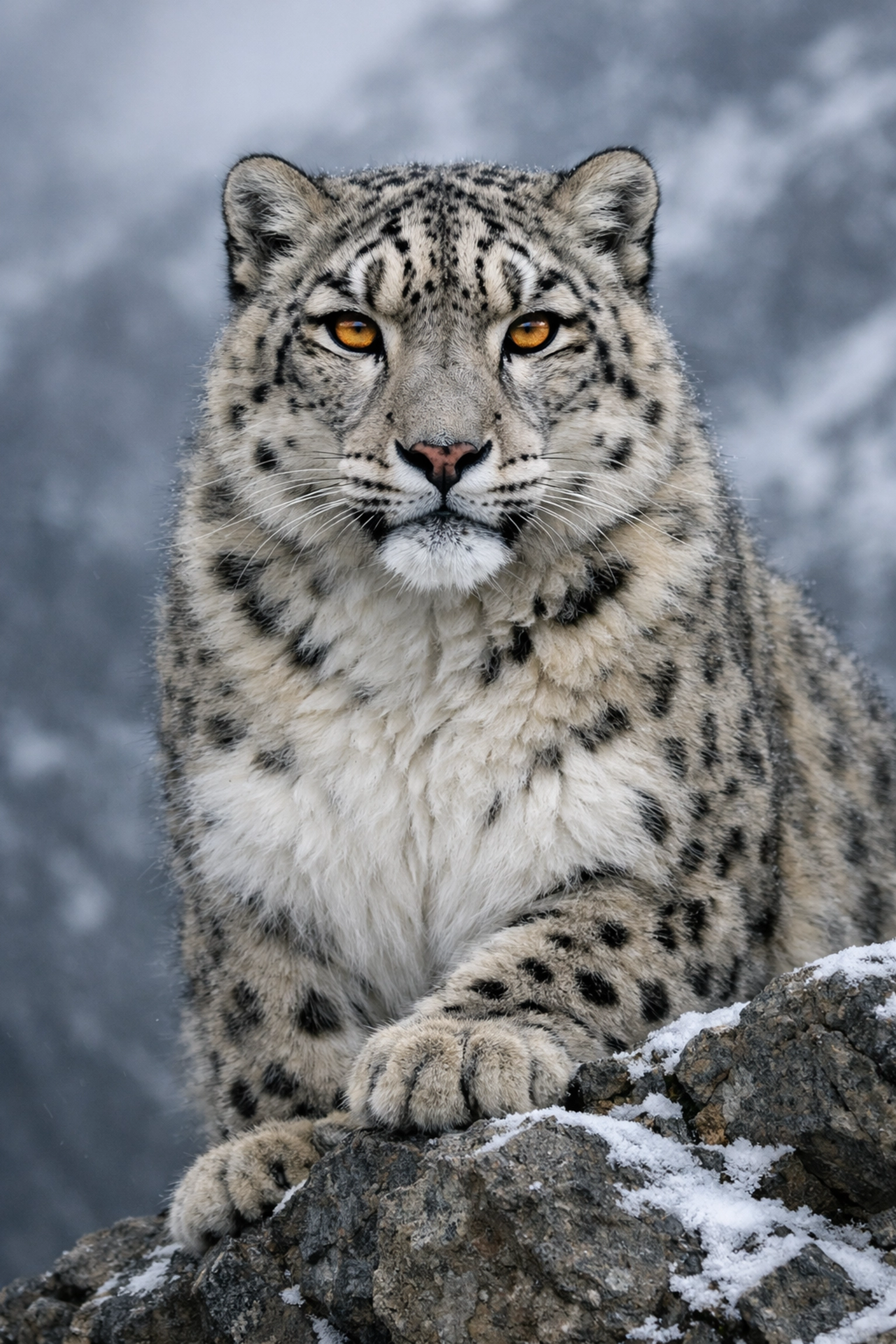
- Animal Welfare: High-resolution close-ups of healthy, thriving animals.
Simple.
Honest.
No fluff.
The Evolution of the Zoo Imagery Library
At Zoo Imagery, we focus on this shift.
We don't do "stock" in the traditional sense.
We provide windows into the natural world.
Our library is built for organizations that need to tell a real story.

The Value of the "Real" Moment
A photo of a mother gorilla holding her infant carries more marketing power than a $10,000 ad campaign.
Why?
Because it is relatable.
It triggers a biological response.
Connection.
In a world of AI, the "real" is becoming a luxury good.
Authenticity is a premium.
By leaning into authentic wildlife imagery, you are positioning your zoo or aquarium as a source of truth.
Trends to Watch in 2026
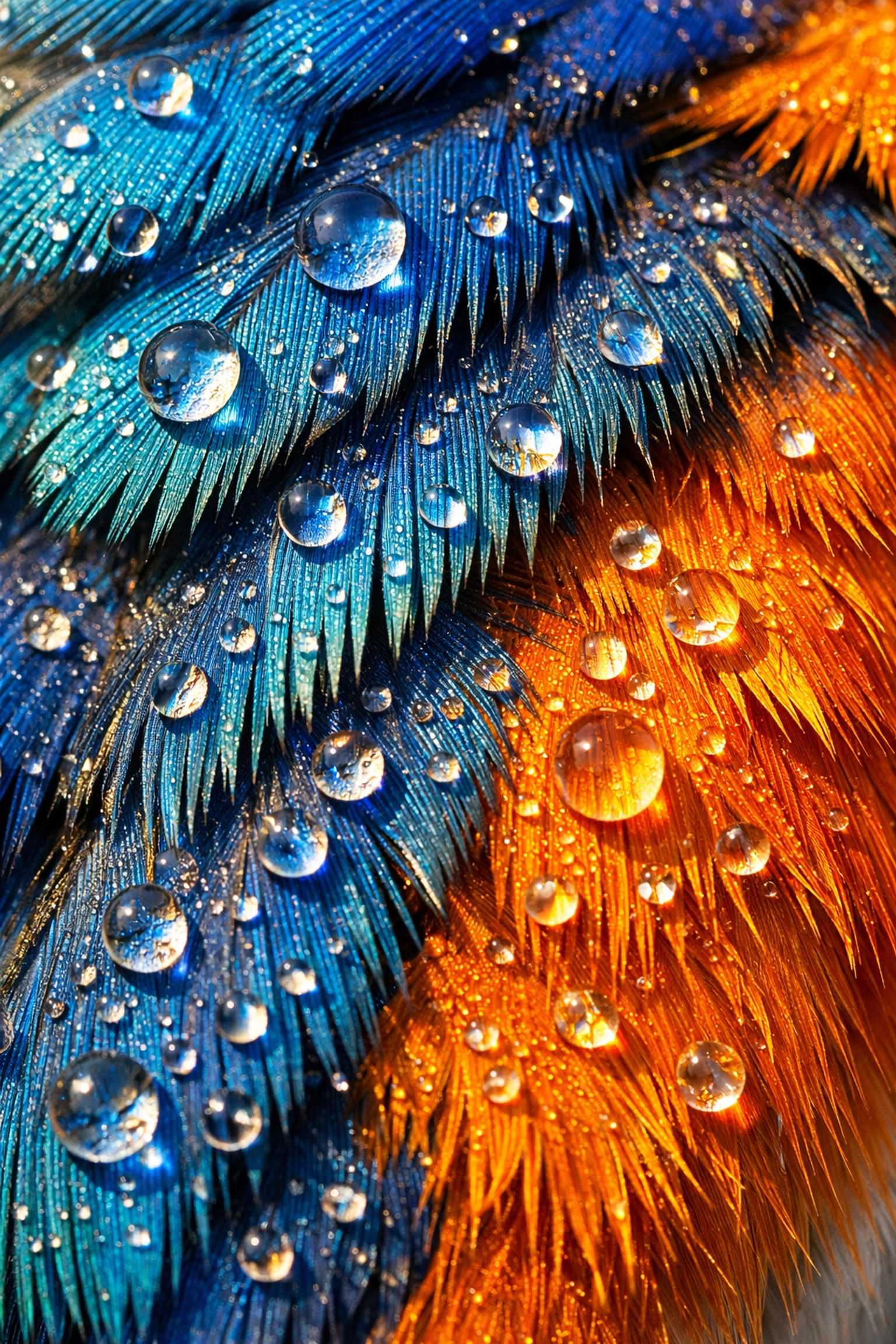
- Macro Details: Close-ups of scales, feathers, and eyes.
- Wider Context: Images that show the animal and its environment as one.
- Low-Light Realism: Capturing animals in natural lighting, even if it's moody.
- Unfiltered Action: Movement, splashes, and interaction.
How to Implement This Today
You don’t need a massive overhaul.
Start small.
Audit your current website.
Are the photos generic?
Do they look like they were taken in 2012?
If yes, it’s time to update.
Replace one "stock" looking photo with one high-impact, authentic image.
Watch the engagement.
Note the difference in how people respond.
A Simple Truth
Wildlife imagery is a bridge.
On one side is your organization.
On the other is the public.
The stronger the imagery, the shorter the bridge.
We are seeing a return to the basics.
Connection.
Awe.
Responsibility.
Let the animals speak for themselves.
The right photo allows them to do exactly that.
Connect With Us
We help zoos and aquariums tell these stories every day.
If you need high-impact, authentic imagery that aligns with your mission, let’s talk.
Visit our library: zooimagery.com
Follow our updates: Zoo Imagery on LinkedIn
Keep it simple. Keep it real.
: Dan Kost
CEO, Zoo Imagery