
Why Ethical Wildlife Marketing Will Change the Way You Use Zoo Animal Photos
Marketing is changing. For zoos and aquariums, the shift is profound.
Years ago, a photo of a tiger was just a photo. Today, that photo carries the weight of your brand’s ethics. Modern visitors and donors see more than an animal. They see how it lives. They see the care behind the lens.
Ethical wildlife marketing is no longer a niche choice. It is the baseline for professional communication.
The Problem with "The Spectacle"
Traditional marketing often relies on the "wow" factor. It focuses on proximity. It prioritizes the human experience over the animal’s reality.
Research shows this creates problems:
- Feeds demand for close-contact encounters.
- Creates false expectations about wildlife behavior.
- Miseducates the public on animal needs.
- Disturbs the natural patterns of the animals featured.
When a zoo uses a photo showing an animal in a small, unnatural enclosure, it sends a message. Even if the enclosure is temporary or for medical reasons, the visual remains. It tells a story of confinement rather than conservation.
The Shift to Ethics
Ethical marketing chooses education over entertainment. It values the animal’s welfare above the viewer's thrill. This shift changes the types of photos you need.
Natural behavior is the priority.
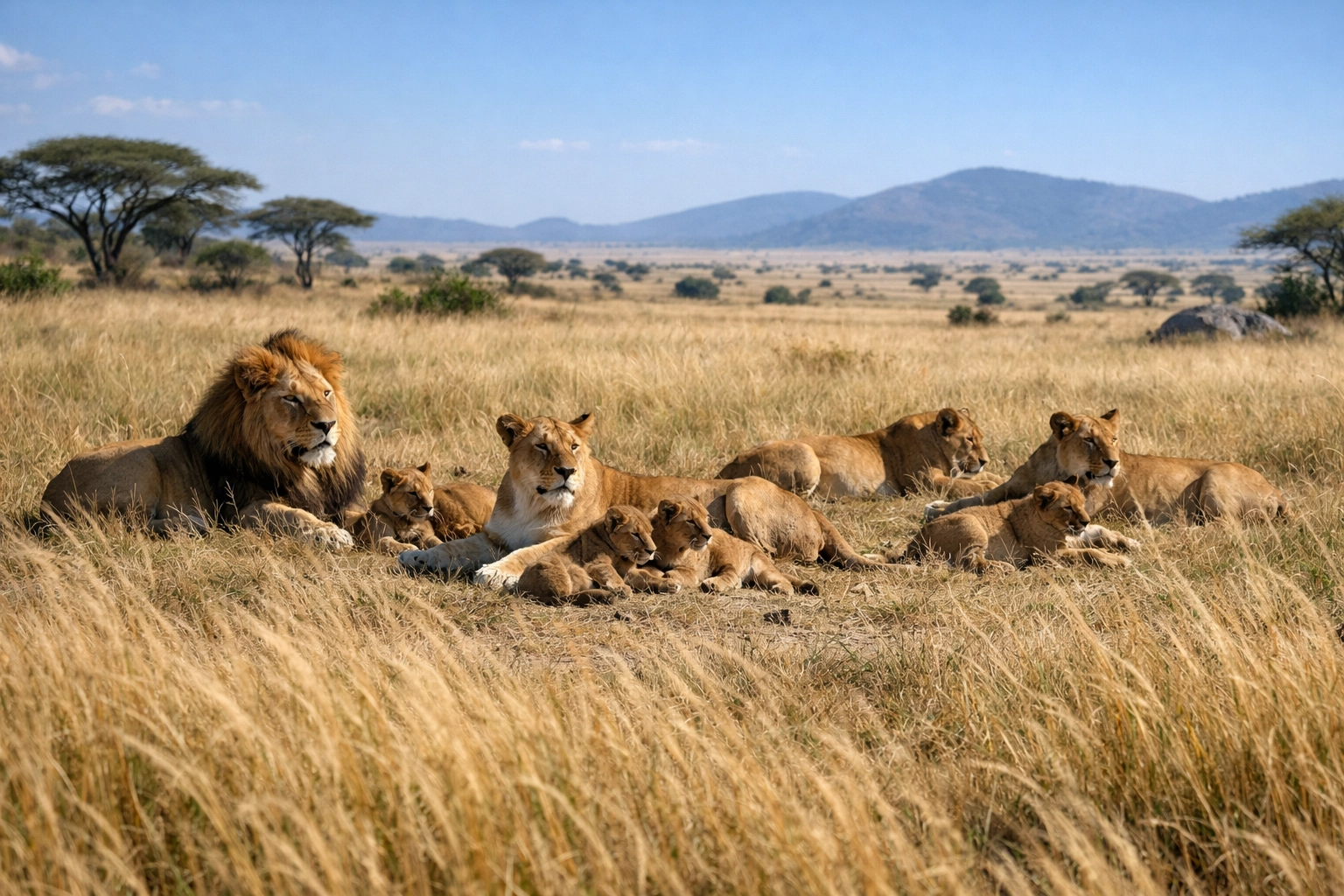
Instead of a tiger looking at a camera, we look for a tiger stalking through grass. Instead of a polar bear performing for a crowd, we look for a bear swimming.
This is not just "good for the animals." It is good for business.
Trust as a Marketing Asset
Your audience is smarter than ever. They can spot a staged interaction instantly. They are wary of organizations that seem to prioritize profit over welfare.
By adopting ethical marketing standards, you build a foundation of trust.
- You show you respect the animals in your care.
- You demonstrate that your mission is conservation.
- You align with the values of modern donors.
Trust is hard to earn and easy to lose. Using the wrong image can damage a reputation built over decades.

Marketing Insights for Zoos and Aquariums
Marketing in 2026 requires a different toolkit. We move away from generic "visit us" campaigns. We move toward mission-driven storytelling.
Focus on the "Why"
Don't just show a panda. Show the bamboo being prepared. Show the habitat maintenance. Use imagery that highlights the effort behind the scenes. This connects the visitor to the work, not just the animal.
Species Spotlights
Use a "Presented by" model for your animal pages. A sponsored species spotlight allows a brand or donor to align with a specific animal’s care.
- Example: "The Elephant Habitat, supported by [Local Partner]."
- Use high-quality, ethical stock photos to represent the species across your digital platforms.
- Keep the language simple and the focus on the animal’s story.
Avoid the "Selfie" Culture
Stop using photos that encourage people to get too close. Ethical marketing avoids any imagery that suggests animals are pets or props. This includes avoiding photos where humans are visible in the frame with wild animals unless they are professional caretakers performing essential work.
Trends in Wildlife Content
We are seeing a move toward "slow content."
- Detailed observations.
- High-resolution portraits that show texture and detail.
- Photos that capture the animal's personality without anthropomorphizing.

Aligning Campaigns with Welfare Goals
Many organizations now look for ESG-aligned campaigns. While the term itself is often buried in corporate reports, the meaning is simple: doing right by the environment and the community.
In zoo marketing, this translates to:
- Source Integrity: Only using images from accredited or ethically managed facilities.
- Educational Value: Every image should teach something about the animal or its habitat.
- Conservation Connection: Linking the animal in the photo to its wild counterparts.
If you are looking for specific assets, our listing page provides a roadmap for what ethical imagery looks like.
The Practical Side of Image Choice
How do you choose the right photo? Use this checklist:
- Environment: Does the habitat look natural?
- Behavior: Is the animal acting as it would in the wild?
- Proximity: Does it feel like the photographer was intrusive?
- Education: Does the photo provide a talking point about the species?
For example, look at our bird listings. The focus is on plumage, flight, and natural resting spots. These images are designed to be used in educational brochures and digital displays. They inspire wonder without compromising ethics.
Changing the Marketplace
Ethical marketing creates a better marketplace. When zoos and aquariums demand high-quality, welfare-focused imagery, the standard for stock photography rises.
Irresponsible companies thrive on low-effort, high-impact "spectacle" shots. By choosing ethical alternatives, you starve that market. You help shift the industry toward a model where animal welfare is the primary product.
Using Stock Photography Strategically
Maintaining a full-time photography staff is expensive. Most zoos cannot capture every moment for every species. This is where Zoo Imagery comes in.
We provide a curated library of digital media.
- Our photos are selected for their ethical alignment.
- We focus on the details that matter to educators and marketers.
- We offer images of hyenas, elephants, and many other species.
By using ethical stock imagery, you can fill gaps in your marketing calendar without sacrificing your brand values.
A Professional Baseline
Dan Kost, our CEO, believes in simplicity. We don't need buzzwords to explain why animals matter. We just need to show them as they are.
The goal is a professional baseline that respects the subject. We provide the tools. You tell the story.

Conclusion: The Path Forward
The way we use zoo animal photos is a reflection of our collective progress. Ethical wildlife marketing is not a hurdle. It is an opportunity.
It is an opportunity to:
- Be more authentic.
- Build stronger donor relationships.
- Truly represent the mission of your zoo or aquarium.
Stop looking for the "perfect shot" that features a human-animal bond. Start looking for the shot that features the animal's natural dignity.
The transition to ethical marketing starts with the first image you post today. Make it count.
Stay Connected
We provide regular insights on wildlife marketing and digital media.
- View our latest species collections: Zoo Imagery Listings
- Connect with us for more insights: Zoo Imagery on LinkedIn

Zoo Imagery: Simple, professional stock photography for the modern conservationist.


