
Top 10 Wildlife Stock Photo Ideas Every Zoo Marketer Should Bookmark Today
Zoo marketing runs on visuals. Your campaigns need images that stop the scroll, tell stories, and drive action.
Here are ten wildlife photo concepts that work. Bookmark them. Use them. They'll make your job easier.
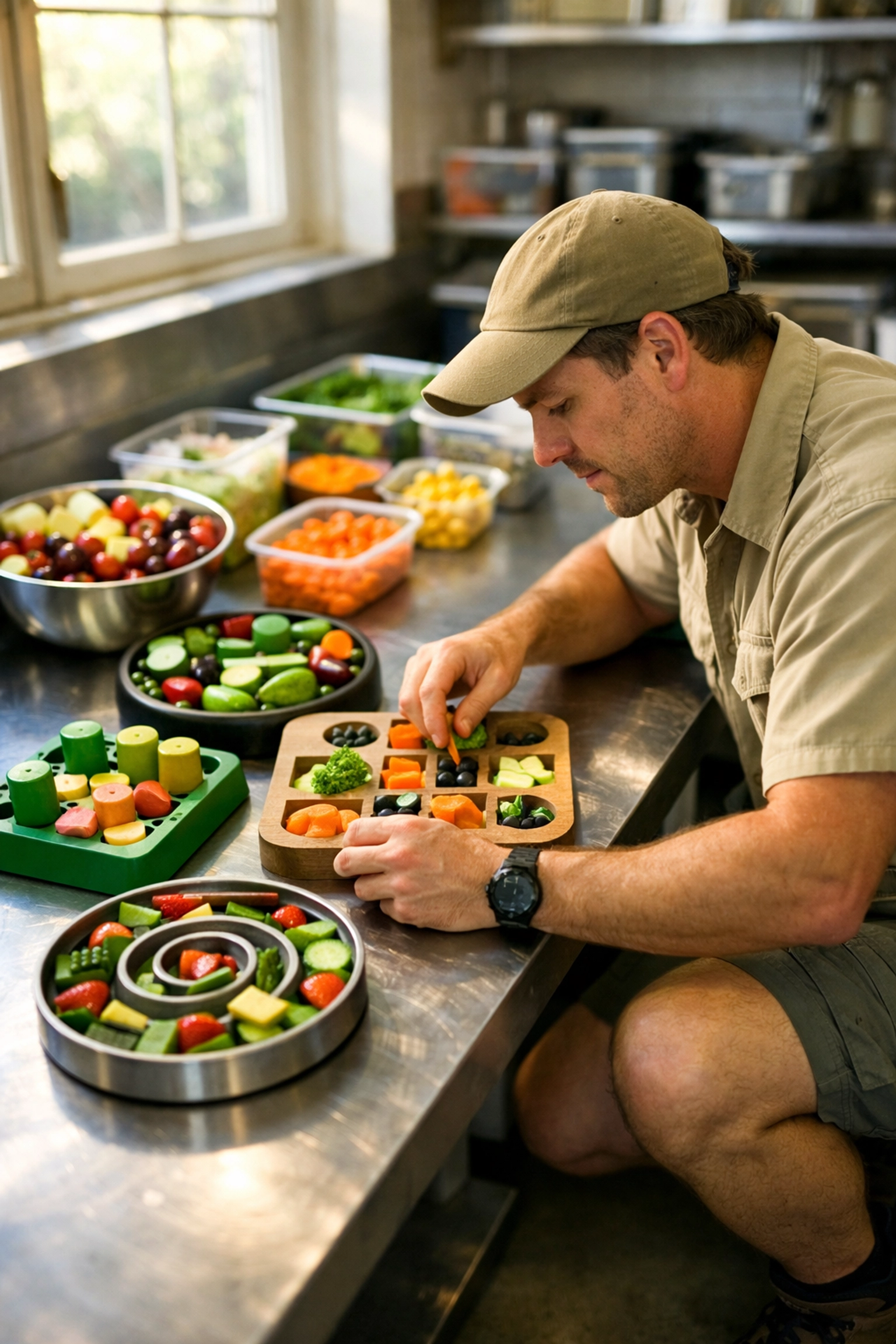
1. Behind-the-Scenes Keeper Moments
Show your team in action. Keepers preparing meals, training sessions, daily health checks.
These images humanize your organization. They show care, expertise, dedication. Perfect for conservation storytelling and ESG content.
Use case: Social media series. "Presented by" sponsor features. Staff spotlights.
2. Close-Up Animal Portraits
Eyes matter. A direct gaze from a snow leopard or gorilla creates instant connection.
Clean backgrounds. Sharp focus on facial features. Natural lighting when possible.
Use case: Website headers. Print materials. Sponsored species campaigns.
3. Conservation Action Shots
Document the real work. Habitat restoration. Medical procedures. Research activities.
These aren't glamorous. They're important. They prove impact.
Use case: Annual reports. Grant proposals. Donor communications. ESG reports.
4. Multi-Generational Visitor Experiences
Grandparents, parents, kids: all together at an exhibit. Natural reactions. Genuine smiles.
Skip the posed shots. Capture authentic wonder.
Use case: Membership campaigns. General admission promotions. Community outreach.

5. Seasonal Animal Behaviors
Snow day enrichment. Summer water play. Autumn foraging activities.
Timely content performs better. Plan ahead. Shoot across seasons.
Use case: Seasonal social posts. Email campaigns. Weather-related engagement content.
6. Educational Interaction Moments
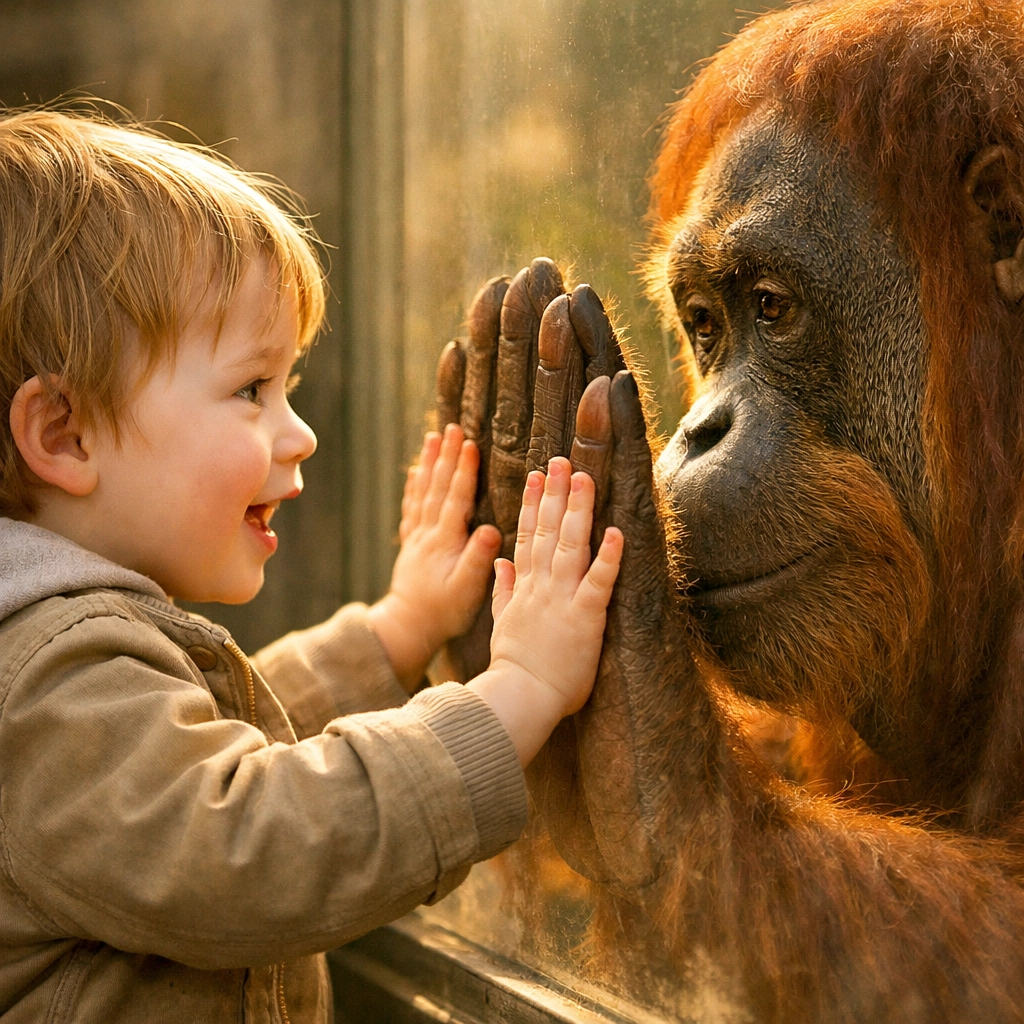
Kids pressing hands against glass as an orangutan mirrors them. Visitors reading interpretive signage. School groups taking notes.
Learning happens at zoos. Show it.
Use case: Education program marketing. School group promotions. Grant applications.
7. Habitat and Exhibit Landscapes
Wide shots of naturalistic environments. Empty or with animals: both work.
These establish context. They show investment in animal welfare.
Use case: Capital campaign materials. "Presented by" exhibit sponsor recognition. Virtual tour content.

8. Parent-Offspring Animal Pairs
Baby animals get attention. Parent-offspring dynamics tell deeper stories.
Elephants walking trunk-to-tail. A mother cheetah with cubs. Penguin parents with chicks.
Use case: Announcement posts. Species spotlight features. Lifecycle education content.
9. Twilight and Golden Hour Shots
Early morning. Late evening. The light changes everything.
Silhouettes. Warm tones. Dramatic shadows. These images stand out in feeds.
Use case: Premium campaign materials. Event promotions. Atmospheric social content.
10. Conservation Partner Collaborations
Field researchers. Conservation partners. International program work.
Your zoo's impact extends beyond your gates. Document it.
Use case: Impact reports. "Presented by" partner recognition. Conservation-focused campaigns.
What Makes These Work
Good zoo marketing photos share common traits:
Authenticity. Real moments beat staged ones.
Emotional connection. People respond to feeling, not facts alone.
Clear subjects. No cluttered backgrounds. No confusion about the focus.
Story potential. Each image should suggest a larger narrative.
Building Your Photo Library
Consistency matters more than perfection.
Schedule regular shoots. Monthly minimum. Cover all seasons.
Brief your photographer. Share this list. Discuss specific campaign needs.
Organize ruthlessly. Tag everything. Species, season, use case, rights status.
Refresh frequently. Last year's baby penguin is this year's adult. Update your library.
"Presented By" Opportunities
Sponsor recognition needs specific imagery. Plan for it.
Shoot animals with clean backgrounds: easy to add sponsor logos. Capture keeper activities that demonstrate sponsored program impact. Document new exhibit features from multiple angles.
Your sponsors want visibility. Good photos make that easier.
The Reality Check
You won't use every photo you shoot. That's fine.
Aim for variety. Some images serve immediate campaign needs. Others wait for the right moment.
Build the library now. Thank yourself later.
Your Next Steps
Start with what you have. Audit your current photo library against this list. Identify gaps.
Then shoot what's missing. One category at a time. No rush.
Good zoo marketing isn't about viral moments. It's about consistent, compelling visual storytelling.
These ten photo ideas give you that foundation.
Need high-quality wildlife images for your campaigns? Explore our collection at zooimagery.com or connect with us on LinkedIn to see how stock photography can support your zoo's marketing goals.


