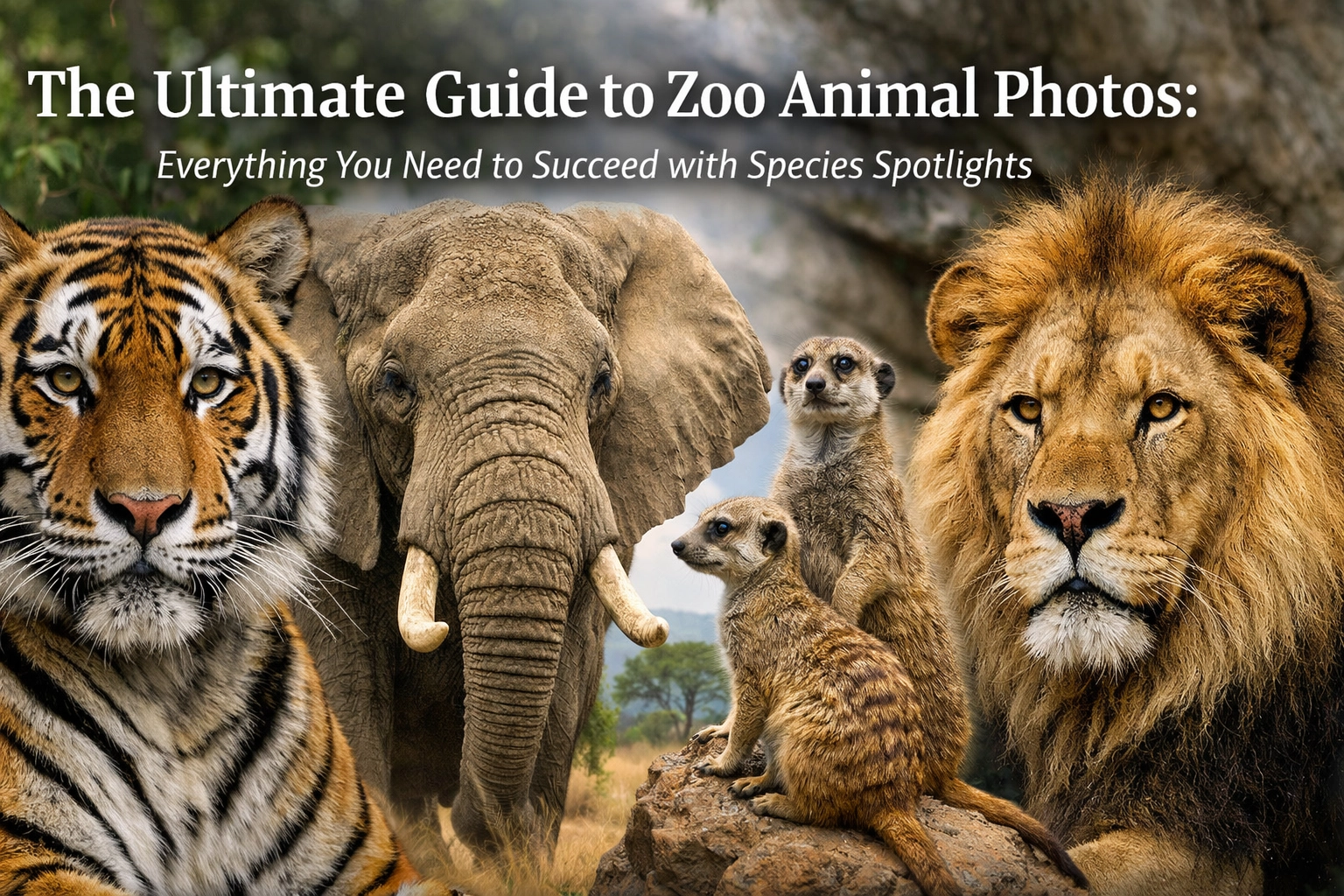
The Ultimate Guide to Zoo Animal Photos: Everything You Need to Succeed with Species Spotlights
FOR IMMEDIATE RELEASE
Date: March 13, 2026
Location: Denver, Colorado
Company: Zoo Imagery
Contact: https://zooimagery.com/contact
A Daily Press Update from Zoo Imagery
At Zoo Imagery, we believe a photo is more than a digital file. It is a bridge between the public and the natural world. Our mission is simple: provide the best digital media to support conservation storytelling.
Today, we are releasing our comprehensive guide for creators and zoo partners. This guide focuses on the "Species Spotlight." These are curated collections designed to highlight specific animals, their needs, and their roles in the ecosystem.
The Power of the Species Spotlight
A Species Spotlight is a targeted marketing tool. It focuses on one animal. It tells one story. It drives one goal: awareness.
Zoos use these spotlights to meet ESG (Environmental, Social, and Governance) targets. They connect donors to individual animals. They make abstract conservation concepts feel real.

Technical Requirements: Gear and Setup
Success begins with the right tools. You do not need the most expensive gear, but you need the right gear.
1. Camera Choice
- DSLR or Mirrorless.
- Manual controls are necessary.
- High burst rate for moving subjects.
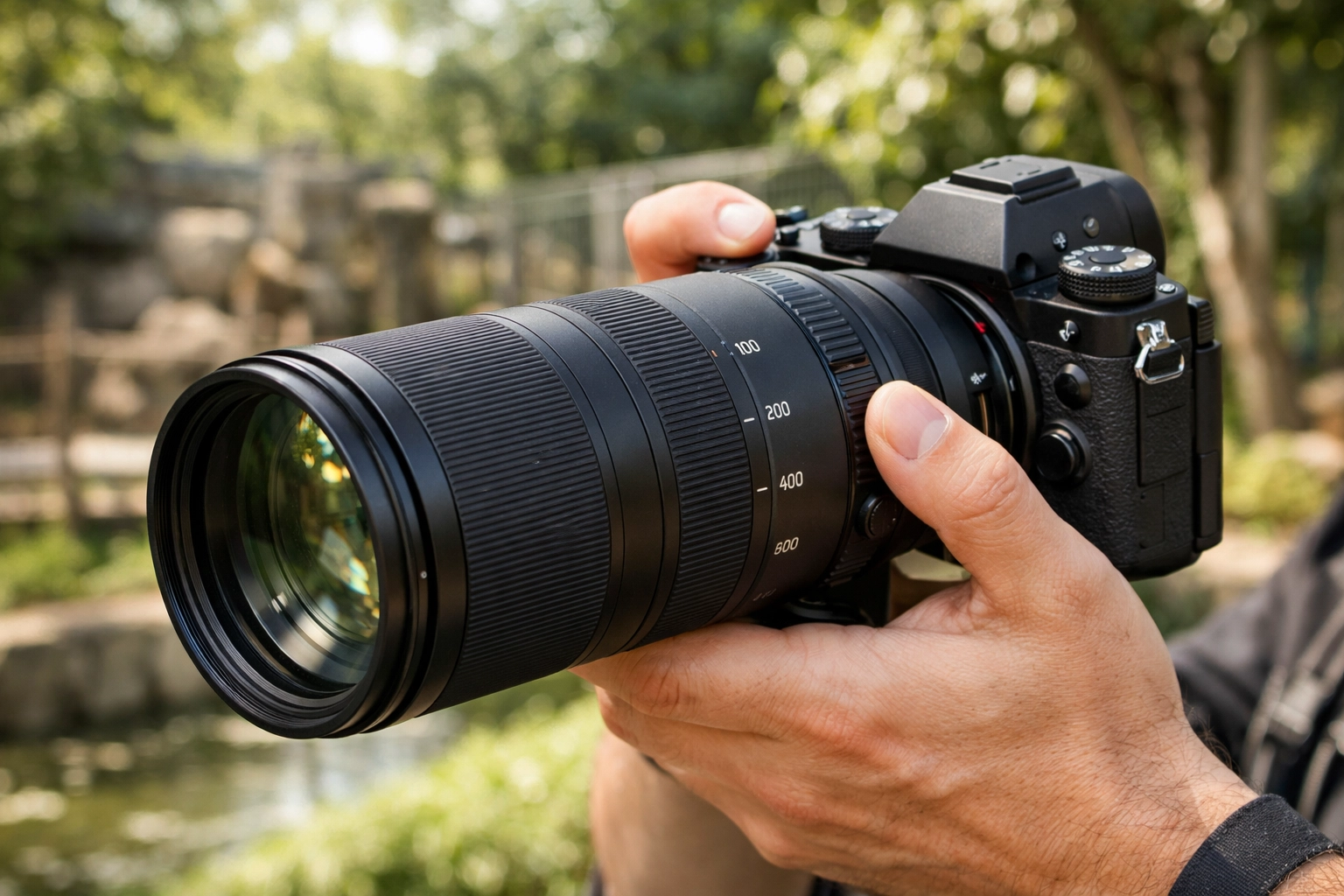
2. The Ideal Lens
- Medium to long telephoto.
- Range: 100mm to 400mm.
- 300mm is the industry standard for zoo portraits.
- Allows you to "reach" past barriers.
3. Protection and Stability
- UV filters protect glass from animal contact or debris.
- Monopods offer stability in low-light enclosures.
- Avoid bulky tripods in crowded walkways.
Mastering Camera Settings
Keep it simple. Don't overthink the settings.
Aperture Priority (Av/A)
- Set your aperture wide (low f-number).
- f/2.8 to f/5.6 is ideal.
- This blurs the background.
- It isolates the animal from man-made structures.
Shutter Speed
- Fast enough to freeze motion.
- 1/500s for active animals.
- 1/250s for portraits.
ISO Management
- Keep it as low as possible.
- Increase ISO only when shooting indoors or in deep shade.
- Modern cameras handle ISO 1600-3200 with ease.
The Art of Composition
A good photo shows an animal. A great photo shows a personality.
Focus on the Eyes
The eyes are the entry point. They create an emotional connection. Ensure the focus point is exactly on the eye of the subject.
Get at Eye Level
Do not shoot from a standing position if the animal is low. Kneel. Sit. Find a vantage point that puts you on the same horizontal plane as the animal. This removes the "spectator" feel.
Background Control
- Look for natural elements.
- Avoid fences, trash cans, and signs.
- Position yourself so the animal is backed by foliage or sky.
- Distance is your friend. The further the animal is from the back wall, the better the blur.
Overcoming Zoo-Specific Obstacles
Zoos have barriers. Your photos shouldn't.
Disappearing Fences
- Get as close to the fence as safely possible.
- Use a wide aperture (f/4 or lower).
- Zoom in.
- The fence will become a soft, invisible haze.
Shooting Through Glass
- Avoid using a flash. It creates glare.
- Place your lens hood directly against the glass.
- This eliminates reflections from behind you.
- Wear dark clothing to minimize your own reflection in the pane.
Timing Your Visit
- Arrive at opening. Animals are most active.
- Visit during feeding times.
- Golden hour (the hour before sunset) provides the best light.
- Overcast days are a secret weapon. They provide soft, even light without harsh shadows.
Conservation Storytelling: Beyond the Image
Photos at Zoo Imagery serve a larger purpose. We use digital media to tell stories that matter.
The Narrative Approach
Don't just take a photo of a tiger. Take a photo of a tiger interacting with enrichment. Show the care provided by the keepers. Show the majesty of the species.
Impact of Digital Media
- High-quality imagery increases social media engagement by 40%.
- Visual stories drive higher donation rates for conservation funds.
- Clear, professional photos build trust with the audience.
Company Milestones
Zoo Imagery is growing. We are more than a stock library. We are a partner in conservation.
- Expanded Library: Our collection now includes rare and endangered species from six continents.
- Strategic Partnerships: We are working with top-tier zoos to provide "Presented by" content for their digital platforms.
- Education Focus: Our imagery is being integrated into educational curriculum globally.
- Quality Commitment: We prioritize quality over quantity. Every image is vetted for clarity, composition, and storytelling value.
Actionable Strategies for Your Next Visit
Prepare before you walk through the gates.
- Research the Species: Know which animals are the stars of the day.
- Check the Map: Identify enclosures with the best natural light.
- Be Patient: Wait for the animal to move into the right spot.
- Observe Behavior: Anticipate movement to capture the perfect moment.
Final Thoughts from Dan Kost
"We don't just take pictures. We capture the essence of wildlife. Every species spotlight we create is a chance to inspire someone to care about the planet. It’s simple, it’s direct, and it’s necessary."
Join the Community
Zoo Imagery is dedicated to the art of animal photography and the science of conservation. We invite you to explore our work and join our mission.
Visit our Website:
https://zooimagery.com
Explore our Blog:
https://zooimagery.com/blog
Connect with us on LinkedIn:
Follow our corporate updates and industry insights.
Learn More About Us:
https://zooimagery.com/about-us
Inquiry for Internships:
https://zooimagery.com/internship-opportunities
About Zoo Imagery
Zoo Imagery is a leader in digital media and stock photography for the zoo and aquarium industry. We provide high-end visual solutions that support marketing, education, and conservation goals worldwide. Based in Denver, we focus on simple, high-impact storytelling.


