The Ultimate Guide to Tiger Stock Photos: Everything You Need to Succeed in Wildlife Storytelling
Hi. I’m Dan Kost, CEO of Zoo Imagery.
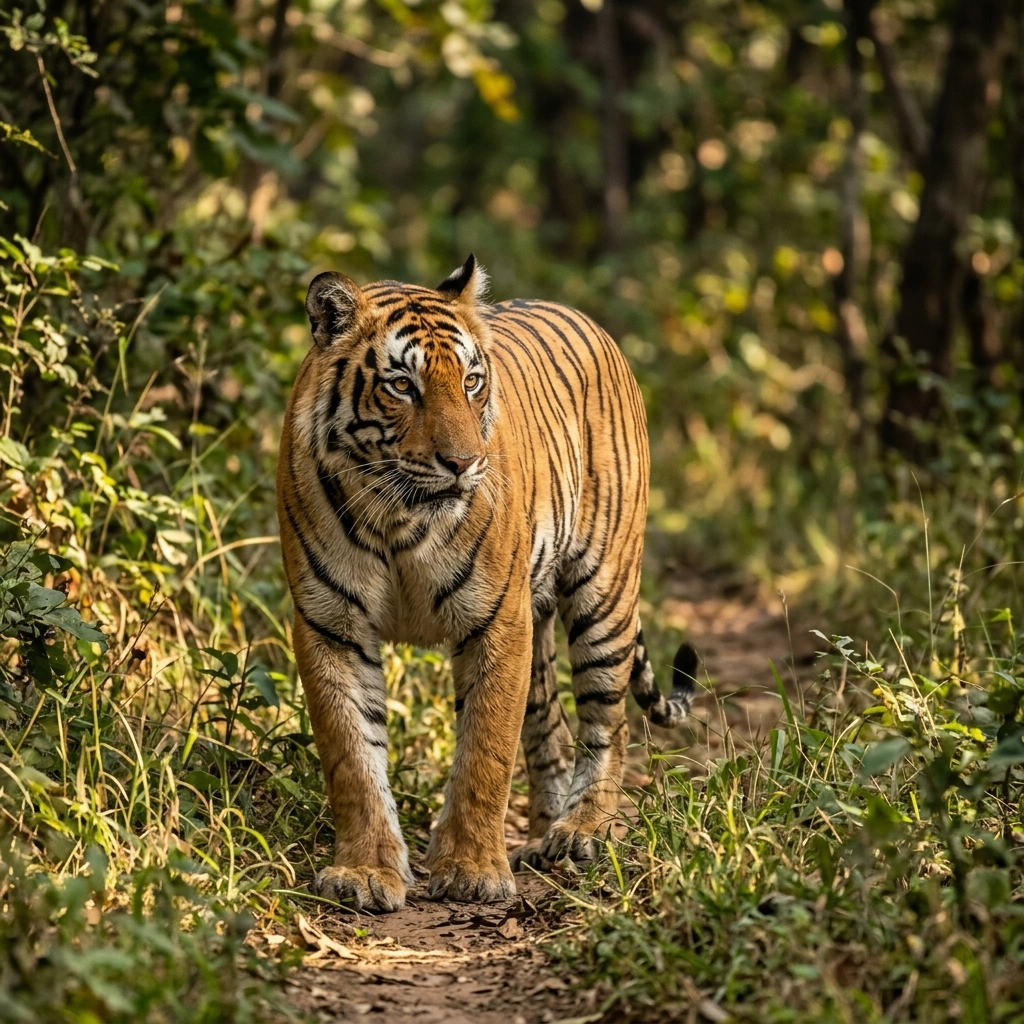
Tigers are more than just subjects. They are icons. In the world of stock photography and digital media, a tiger image carries weight. It represents power, vulnerability, and the raw beauty of our natural world.
At Zoo Imagery, we simplify the way you find these visuals. No clutter. No jargon. Just high-quality media that helps you tell better stories.
Today, we’re looking at how to use tiger stock photos to drive impact.
The Species Spotlight: Panthera Tigris
The tiger is the largest cat on Earth. It is an apex predator.
When you choose a photo, you aren't just choosing a picture of a cat. You are choosing a symbol.
Quick Tiger Facts:
- Weight: Up to 660 pounds.
- Lifespan: 10 to 15 years in the wild.
- Diet: Primarily wild boar and deer.
- Status: Endangered.
Every tiger has a unique pattern of stripes. Like a human fingerprint. In storytelling, these details matter. They add authenticity.
Strategic Shot Lists for Impactful Storytelling
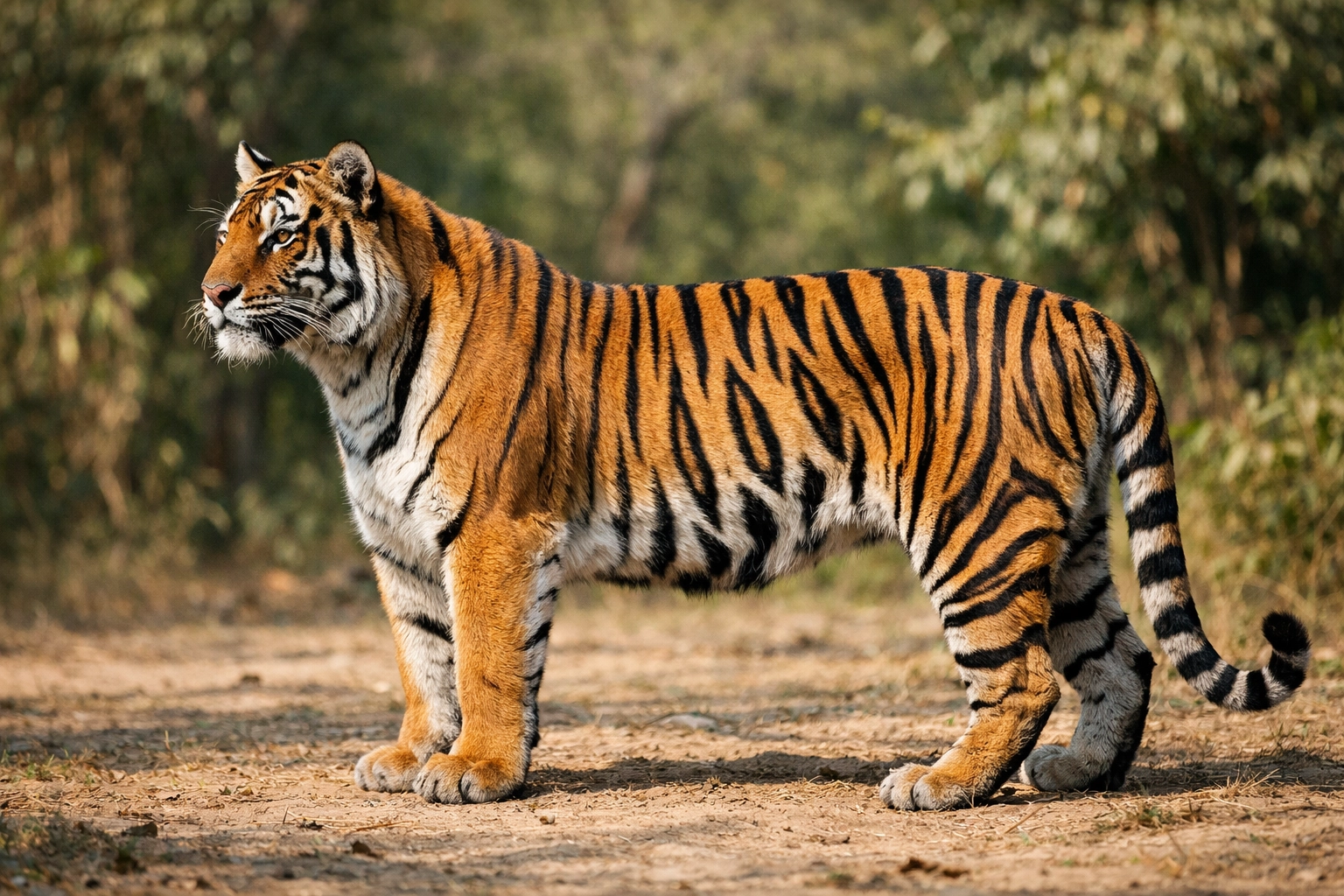
Good storytelling requires variety. Don't settle for a single shot. Build a narrative through a curated list of images.
1. The Direct Gaze
- The Focus: Eye contact.
- The Effect: Intimacy and connection.
- The Use: Perfect for conservation appeals or intense editorial pieces.
2. The Environmental Context
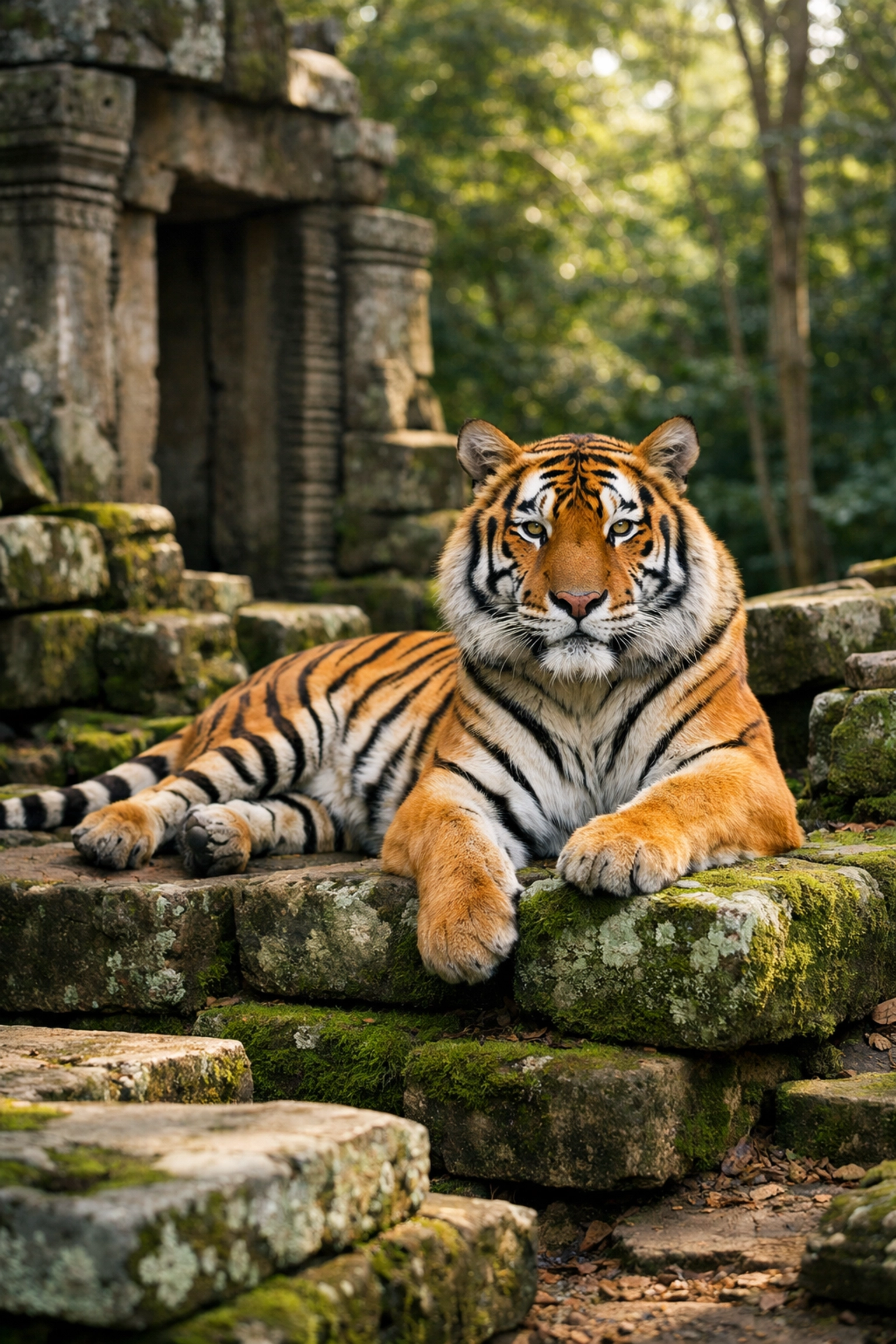
- The Focus: The tiger within its habitat. High grass. Ancient ruins. Water.
- The Effect: Establishes a sense of place.
- The Use: Great for travel articles or ecosystem reports.
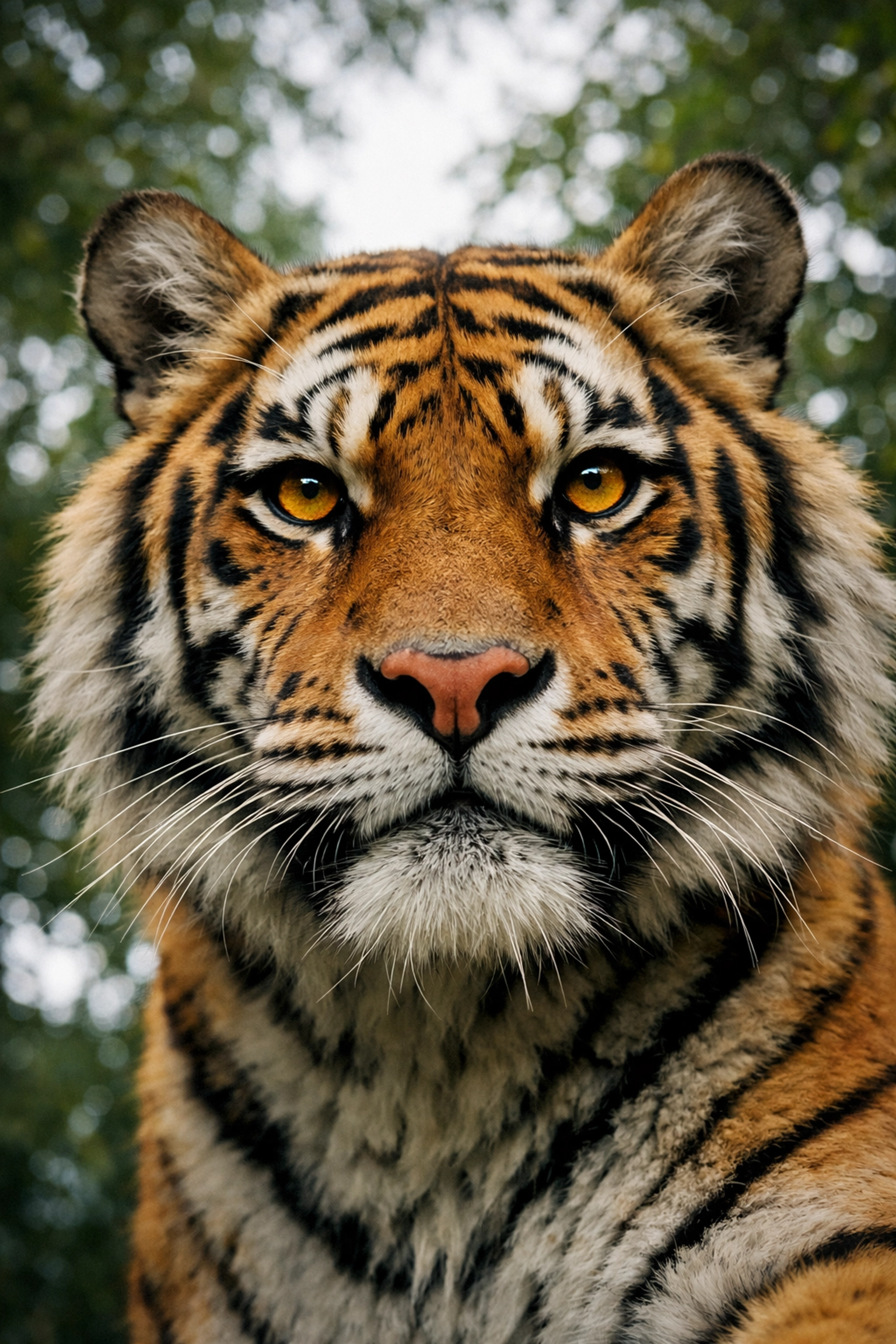
3. Macro Details
- The Focus: Stripe patterns. Paws. Whiskers.
- The Effect: Highlights the physical marvel of the animal.
- The Use: Educational materials or high-end design backgrounds.
4. Behavioral Moments
- The Focus: Drinking water. Stalking. Grooming.
- The Effect: Humanizes the predator. Shows life, not just a pose.
- The Use: Dynamic web content or social media engagement.
Timing and Technical Excellence
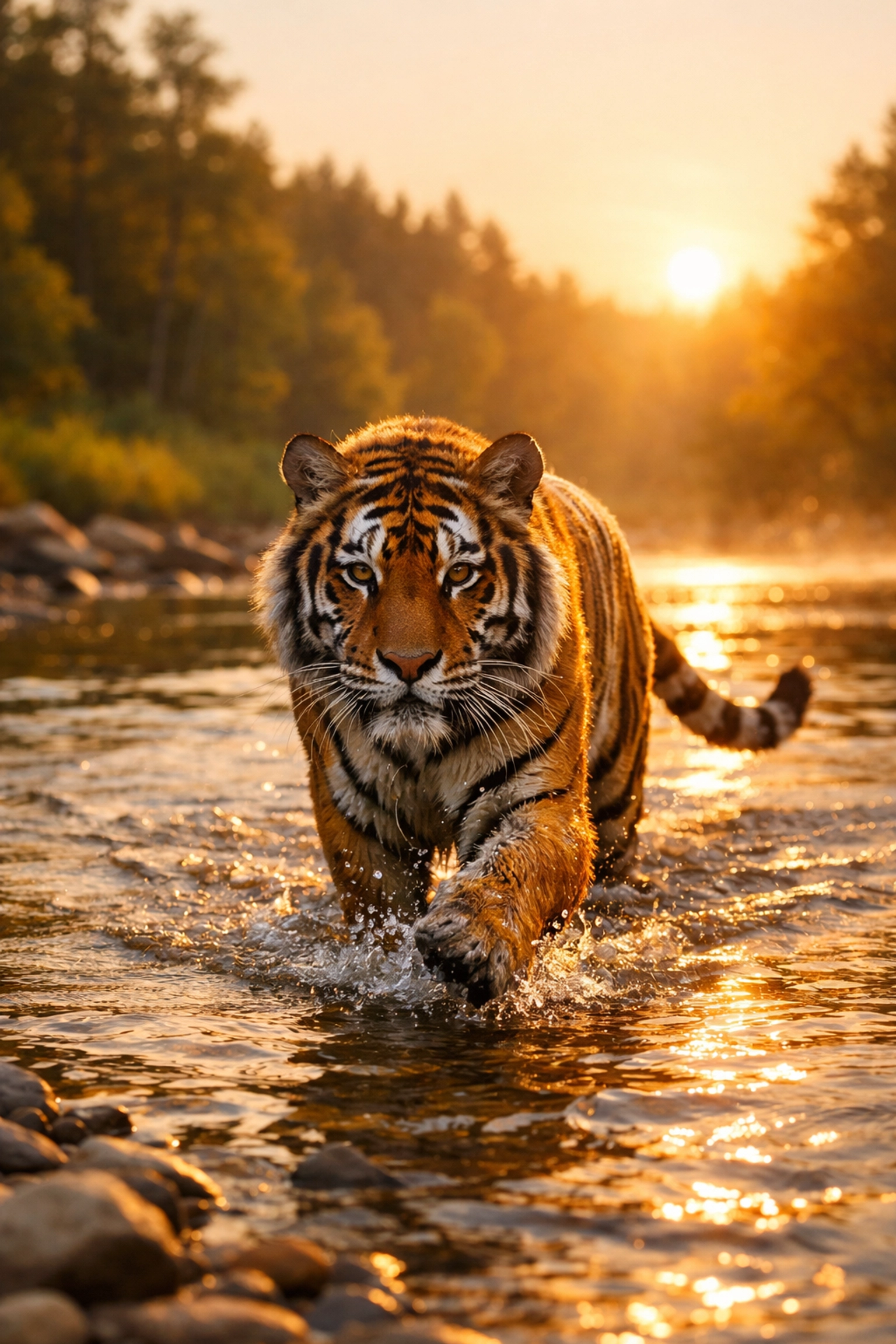
Lighting changes everything.
In the wild, tigers are most active at dawn and dusk. This is the "Golden Hour." The light is soft. It turns the orange fur into liquid gold.
Technical Considerations:
- Aperture: Shallow depth of field makes the tiger pop. It blurs the background. It focuses the viewer's eye on the stripes.
- Shutter Speed: Tigers move fast. Fast shutter speeds freeze the action of a leap or a snarl.
- Composition: Rule of thirds. Place the tiger’s eye on an intersection. It creates balance.
At Zoo Imagery, we prioritize these technical nuances. We want you to have photos that look professional, because they are.
Conservation Storytelling Without the Noise
We focus on conservation storytelling. But we keep it simple.
Many brands now look for media that aligns with environmental goals. They need visuals that support their mission.
A tiger photo can represent:
- Biodiversity.
- Habitat protection.
- Climate action.
- Wildlife corridors.
Using these images correctly helps build trust. It shows your audience that you care about the planet. We provide the tools to make that message clear.
Zoo Imagery Milestones: 2026 and Beyond
We’ve hit some big goals this year.
Our library has grown. We’ve added thousands of new assets. We’ve expanded our partnerships with zoos and conservationists globally.
Our mission remains the same: Simple access to world-class imagery.
We’ve streamlined our platform. We’ve improved our search functionality. We’ve made it easier for you to go from "searching" to "publishing."
We believe in quality over quantity. Every image in our collection is vetted. If it doesn't tell a story, it doesn't make the cut.
How to Choose the Right Tiger Image
Selecting a photo is a strategic decision.
Step 1: Identify the Emotion.
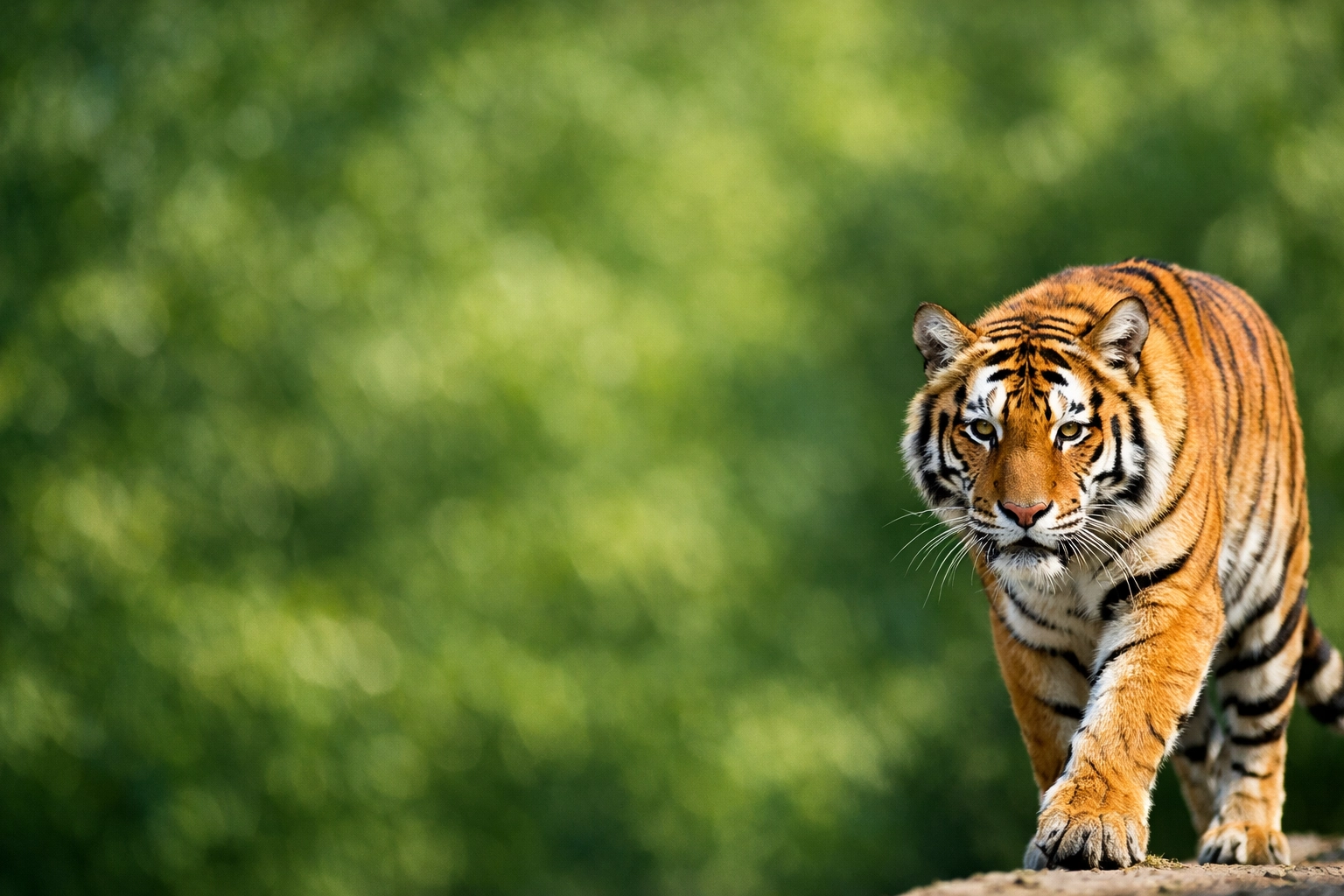
Are you trying to inspire awe? Fear? Empathy? A tiger walking toward the camera inspires awe. A tiger sleeping in the shade inspires empathy.
Step 2: Check the Contrast.
Tigers have vibrant colors. Ensure the orange and black don't clash with your website’s color palette. Look for neutral backgrounds: green foliage or grey rocks.
Step 3: Consider the Space.
Do you need room for text? Look for images with "negative space." A tiger on the left with a blurred forest on the right is perfect for a header.
Step 4: Verify the Source.
Use trusted platforms. Avoid low-quality, grainy shots. Your brand deserves better.
Practical Applications for Digital Media
Where do these photos go?
- Blog Headers: Set the tone for wildlife articles.
- Social Media: High-contrast images stop the scroll.
- Presentations: Add authority to corporate environmental reports.
- Web Backgrounds: Use macro shots for a subtle, high-texture look.
We see our clients using tiger imagery to stand out in a crowded digital landscape. It works. The tiger is a universal symbol of excellence.
Let’s Work Together
Success in wildlife storytelling starts with the right visual.
At Zoo Imagery, we provide the assets you need. No complicated processes. No hidden hurdles. Just a straightforward path to great content.
Visit our website to explore our latest additions: https://zooimagery.com
You can also follow our journey and see our latest species spotlights on our LinkedIn profile.
We’re here to help you tell your story. Simply. Effectively.
Summary Checklist for Tiger Storytelling:
- Prioritize high-resolution files.
- Look for emotional resonance.
- Ensure the lighting is natural.
- Focus on conservation themes.
- Keep the layout clean.
The world of wildlife photography is vast. Don't get lost in the noise. Stick to the basics. Choose quality.
Talk soon,
Dan Kost
CEO, Zoo Imagery
For more information on how we work, visit our About Us page or check out our How It Works guide.


