The Ultimate Guide to Sustainable Zoo Marketing: Everything You Need to Succeed
Sustainable zoo marketing is a shift.
From entertainment to mission.
From static to interactive.
From observation to participation.
The modern visitor expects more.
They seek connection, authenticity, and clear conservation impact.
Marketing in 2026 is about proving your purpose through every digital touchpoint.
The Foundation: High-Quality Visuals
Quality matters.
Visuals are the bridge between your mission and the visitor.
Poor imagery suggests a lack of care.
Professional photography builds trust.
Authenticity Over Staged Shots
- Documentary-style photography.
- Natural behaviors.
- Enriched habitats.
- No anthropomorphic poses.
- Focus on dignity and welfare.
Using a curated library like Zoo Imagery ensures consistency.
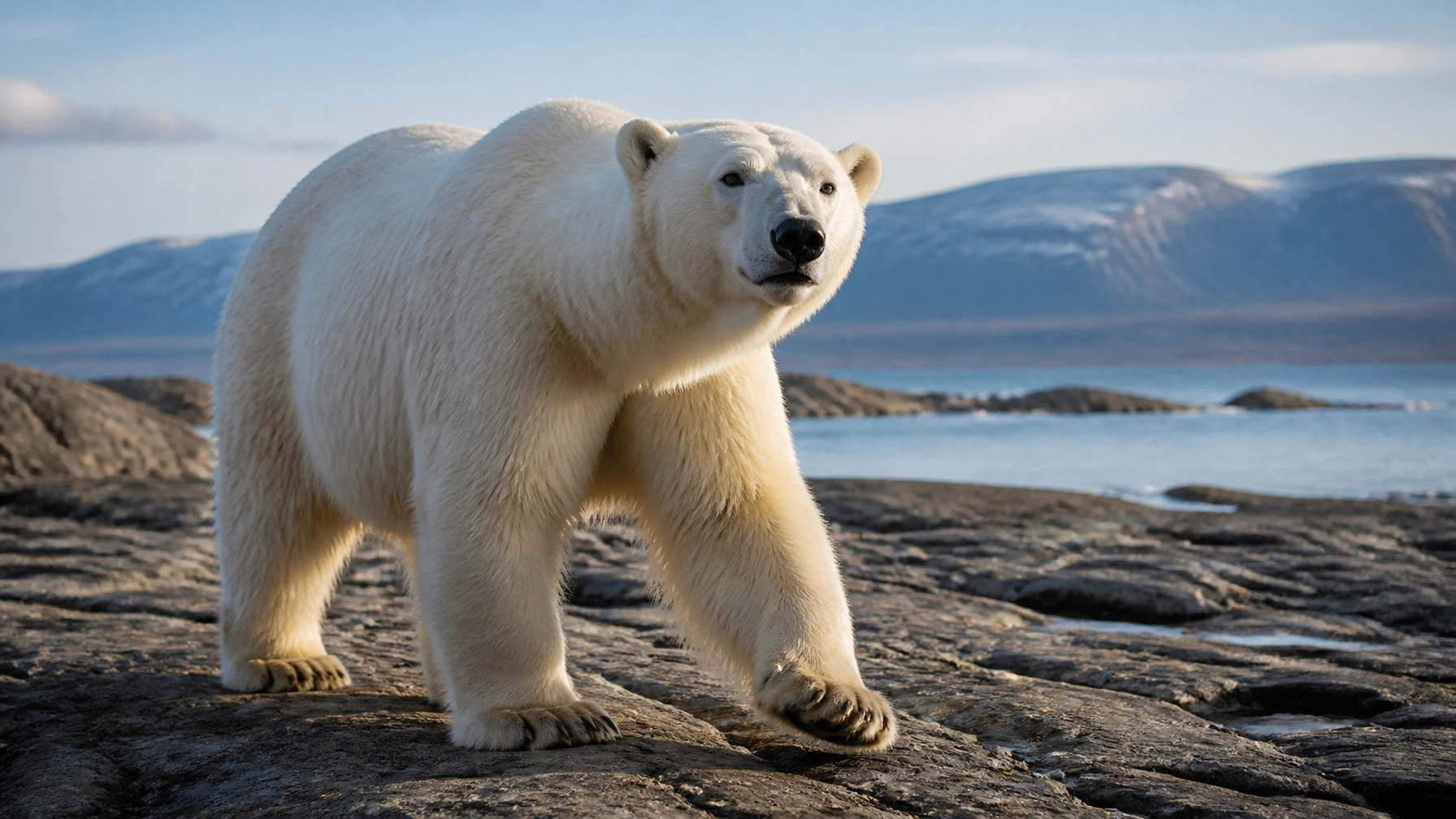
High-resolution images of Polar Bears or Elephants save time.
They provide the professional edge needed for social media and signage.

The Digital Layer: Moving Beyond Paper
Paper maps are outdated.
They are wasteful.
They are static.
The "digital layer" is the new standard for 2026.
Mobile-First Engagement
- Real-time navigation.
- Location-based education.
- Interactive habitat guides.
- Reduced physical waste.
Integrating technology into the physical path creates a seamless experience.
Visitors want information on demand.
They want to know what they are looking at, right now.
User-Generated Content (UGC)
The visitor is your best marketer.
Their photos are authentic testimonials.
Their reach is organic and trusted.
The ZooMedia.us Solution
The ZooMedia.us phone app leverages picture marketing.
It allows guests to share their experiences instantly.
It creates a stream of high-quality, user-generated content.
Key Benefits of UGC:
- Drives social media engagement.
- Attracts new visitors through shared memories.
- Provides a "visitor's eye" perspective.
- Increases time spent on-site.

Sponsored Species Spotlights
Every animal has a story.
Marketing should tell it.
Focused campaigns drive deeper connections.
Telling the Story of the Individual
- Wild Tigers: Highlight habitat preservation.
- Pandas: Discuss global cooperation.
- Birds: Focus on local ecosystem health.
- Hyenas: Address misconceptions and biodiversity.
A "Presented by" approach for specific species creates a sense of ownership for the visitor.
It turns a general visit into a specific mission support.
Data and ROI
Marketing is not just about "likes."
It is about impact.
It is about sustainable growth.
Measuring What Matters
- Engagement rates per exhibit.
- Visitor dwell time.
- Conversion from digital interaction to membership.
- ROI tracking through the ZooMedia.us app.
Real-time results allow for adjustments.
If an exhibit is overlooked, change the digital nudge.
If a species is trending, boost the content.
Data-driven decisions are sustainable decisions.

Community and Conservation
Zoos are community hubs.
They are centers for wellbeing and education.
Sustainable marketing reflects this.
Engaging the Local Community
- Mindful photo trails.
- Wellbeing-focused visits.
- Digital-only photo products to reduce waste.
- Direct links between ticket sales and local conservation.
By positioning the zoo as a place for nature-connection, you attract a broader demographic.
Marketing should emphasize stress reduction and the beauty of the natural world.
The Future of Agency and Action
The goal is simple.
Create a better world for animals and people.
Use technology to bridge the gap.
Use professional imagery to inspire awe.
Marketing teams need tools that work.
Easy-to-use platforms.
Diverse animal photography.
Innovative solutions like ZooMedia.us.

Actionable Steps for Success:
- Audit your current imagery. Replace low-res or dated photos with professional stock.
- Implement a digital layer. Use an app to replace paper where possible.
- Encourage visitor photography. Use geofencing to prompt photo moments.
- Focus on species-specific storytelling. Build campaigns around individual mission impacts.
- Track everything. Use ROI tools to prove the value of your marketing efforts.
The transition to sustainable marketing is not an option.
It is a necessity.
Start today.
Explore our library or connect with us.


