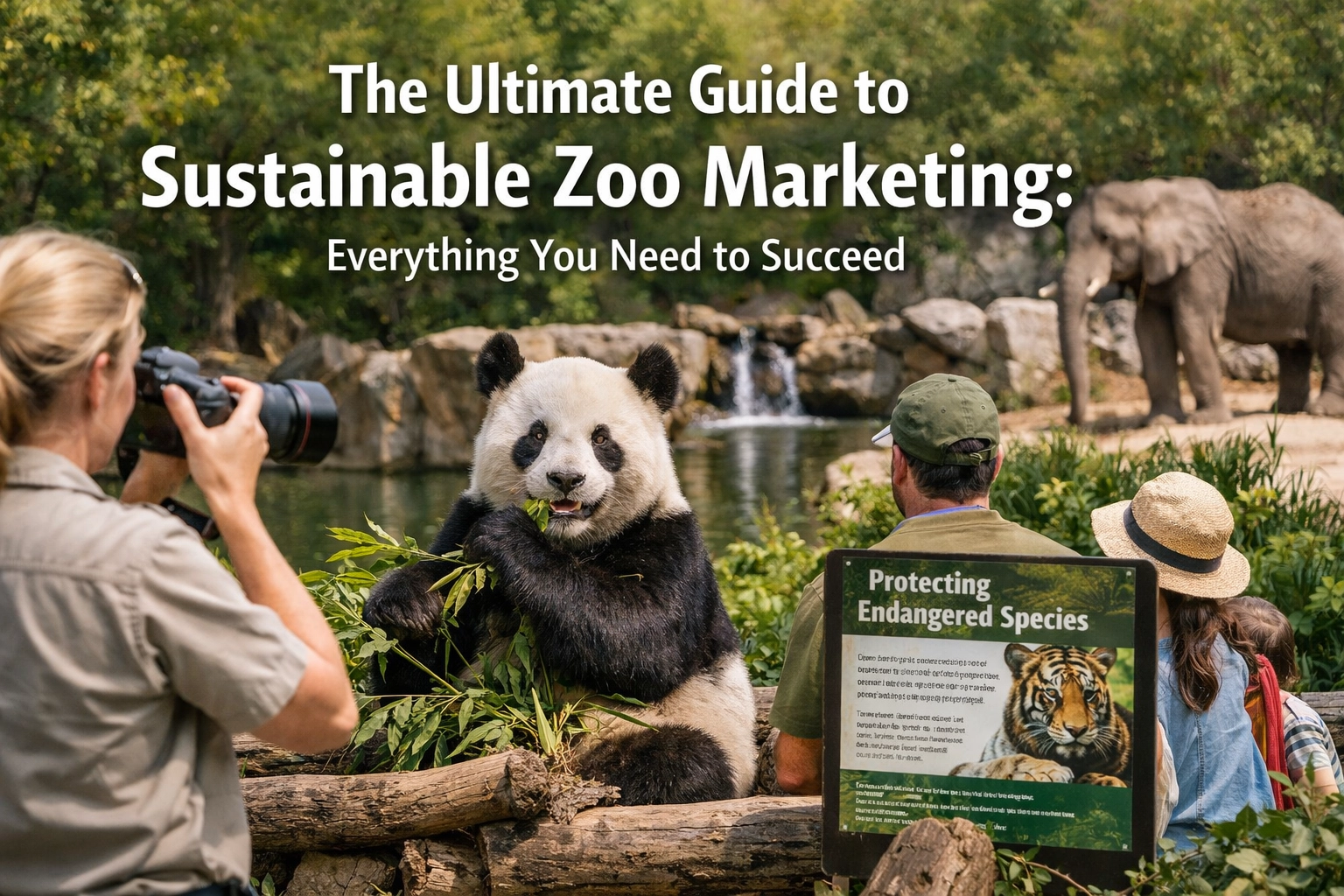
The Ultimate Guide to Sustainable Zoo Marketing: Everything You Need to Succeed
Marketing a zoo has changed. It is no longer about selling tickets to a weekend show. It is about building a movement. Modern visitors want to know their money supports a mission. They look for transparency. They want to see real conservation work.
This guide outlines how to align your marketing with these values. No buzzwords. Just practical strategies for zoos and aquariums.
Focus on the Mission First
Traditional marketing focused on entertainment. Sustainable marketing focuses on preservation. Your brand should lead with wildlife protection. Entertainment is the byproduct, not the goal.
Shift the Narrative
- Lead with species recovery stories.
- Highlight habitat restoration.
- Showcase scientific research.
- Use plain language to explain environmental impact.
When visitors see the zoo as a conservation hub, they stay longer. They donate more. They become lifelong advocates.
Storytelling through Individuals
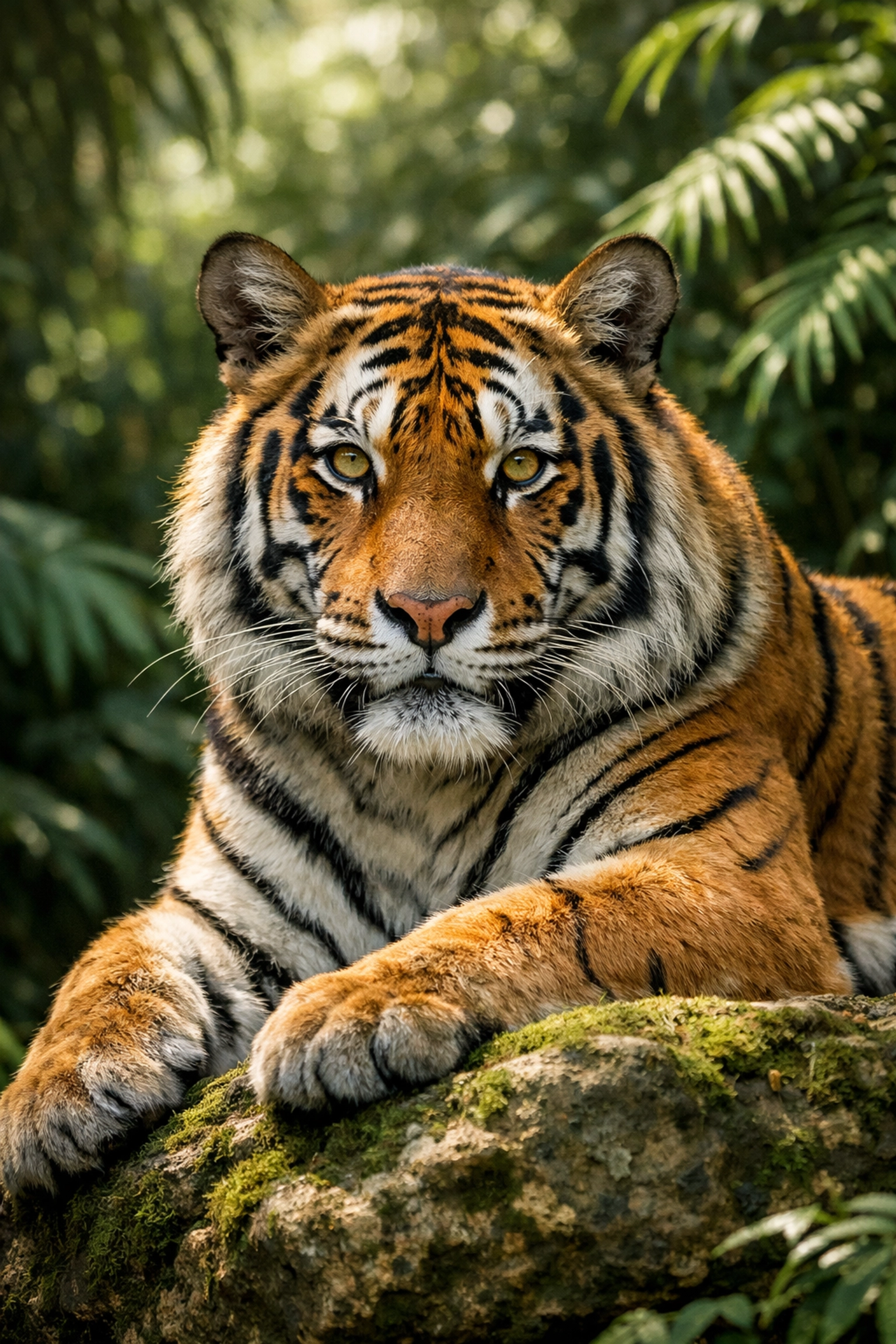
Data is important, but people connect with individuals. A statistic about wild tigers is informative. The story of one tiger’s rehabilitation is emotional.
Creating Connection
- Profile resident animals.
- Share their history.
- Detail their daily care.
- Update the public on animals returned to the wild.
Focus on personality. Use high-quality imagery to bridge the gap between the visitor and the animal. Clear, professional photos remove the barrier of the fence.
Visual Transparency in Operations
If you claim to care about the planet, show it. Marketing isn't just what you say. It’s what you do. Make your environmental commitments visible.
Operational Highlights
- Energy: Feature your solar arrays or wind turbines.
- Waste: Document your composting systems.
- Water: Show your filtration and recycling methods.
- Plastic: Promote your move to plastic-free concessions.
Transparency builds trust. If a visitor sees your commitment to sustainability on-site, your marketing messages feel authentic.
Immersive Exhibit Design
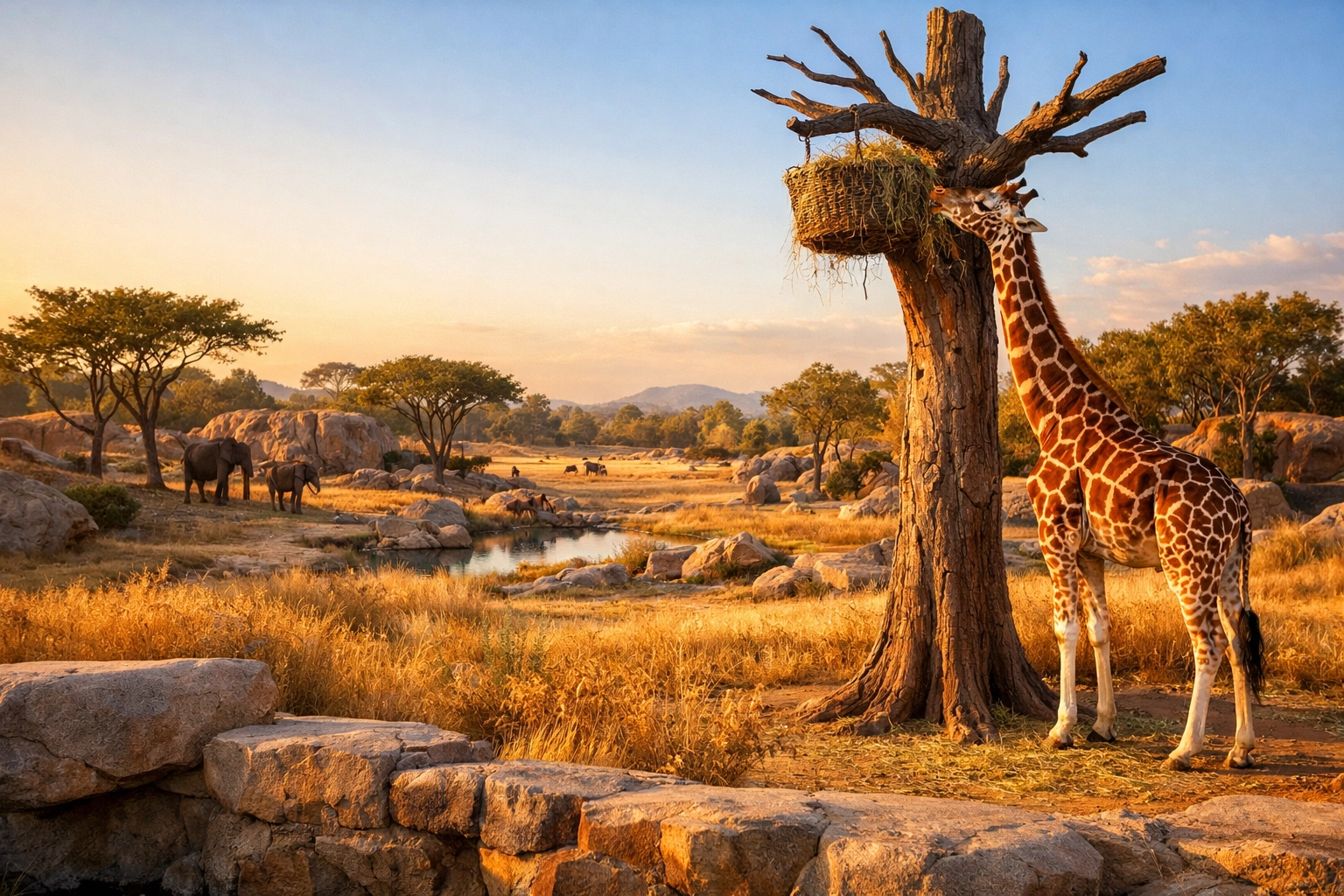
Exhibits are your primary marketing assets. They should tell a story about a habitat, not just display a species. A well-designed space allows for "shareable moments" that aren't just selfies.
Natural Habitat Stories
- Design for the animal’s needs first.
- Use natural barriers where possible.
- Include educational signage that tells a story.
- Create spaces where giraffes or elephants can behave naturally.
When an exhibit looks like a wild habitat, the photos visitors take become endorsements of your conservation work.
Strategic Digital Content
Social media is often treated as a billboard. For a sustainable zoo, it should be a window. Use your platforms to show the work that happens when the gates are closed.
Content That Works
- Morning Routines: Staff preparing specialized diets.
- Vet Check-ups: Showing the care provided to polar bears.
- Enrichment: Animals interacting with new puzzles or scents.
- Staff Spotlights: Introduce the keepers and scientists.
Avoid overly polished, "commercial" looking videos. Raw, authentic footage often performs better. It feels honest.
Building Community Resources
A zoo should be a pillar of its local community. Move beyond being a tourist attraction. Position the institution as a center for education and science.
Educational Initiatives
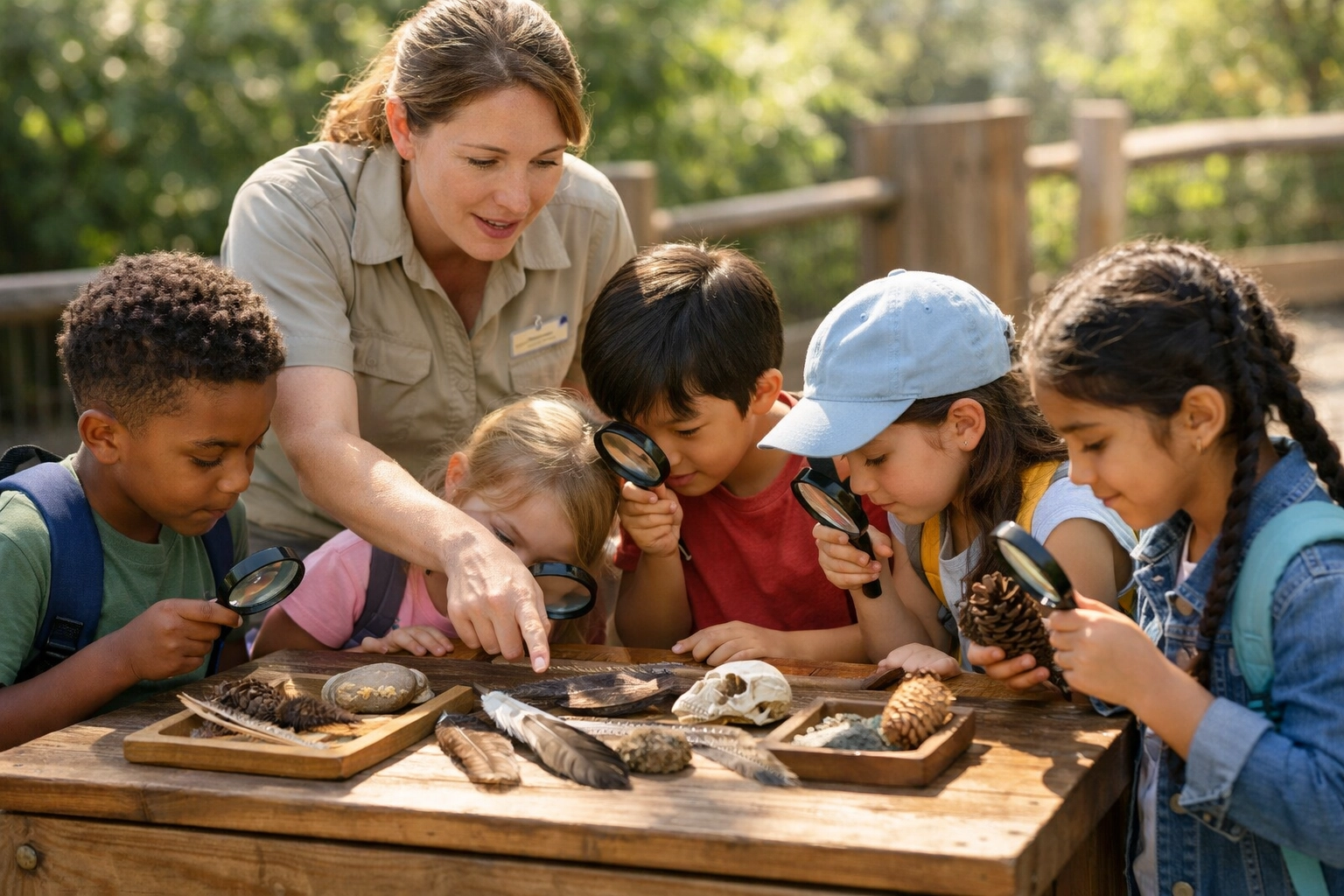
- Partner with local schools for curriculum-based trips.
- Host workshops for educators.
- Run weekend camps focused on field biology.
- Offer homeschool programs.
Children who learn at the zoo bring their families back. This creates a recurring cycle of support. It moves the revenue model away from seasonal spikes toward year-round stability.
Conservation Partnerships
You are part of a global network. Marketing this connection shows you aren't working in a vacuum.
Collaborative Efforts
- Highlight partnerships with university research programs.
- Share updates from field work in Africa or Asia.
- Cross-promote with local wildlife rehab centers.
- Collaborate with sustainable tourism bloggers.
Showing the "big picture" helps visitors understand how their ticket price supports global biodiversity. For instance, link your efforts for hyenas to larger ecosystem health.
Seasonal Programming with Purpose
Events should drive the mission, not just the gate. Instead of generic holiday themes, use conservation milestones.
Theme Ideas
- World Penguin Day: Focus on ocean health.
- Endangered Species Week: Focus on local success stories.
- Earth Day: A showcase of the zoo’s green technology.
- Conservation Lectures: Evening events for members and donors.
These events attract a more engaged audience. They provide opportunities for sponsorships that align with environmental values.
The Role of High-Quality Media
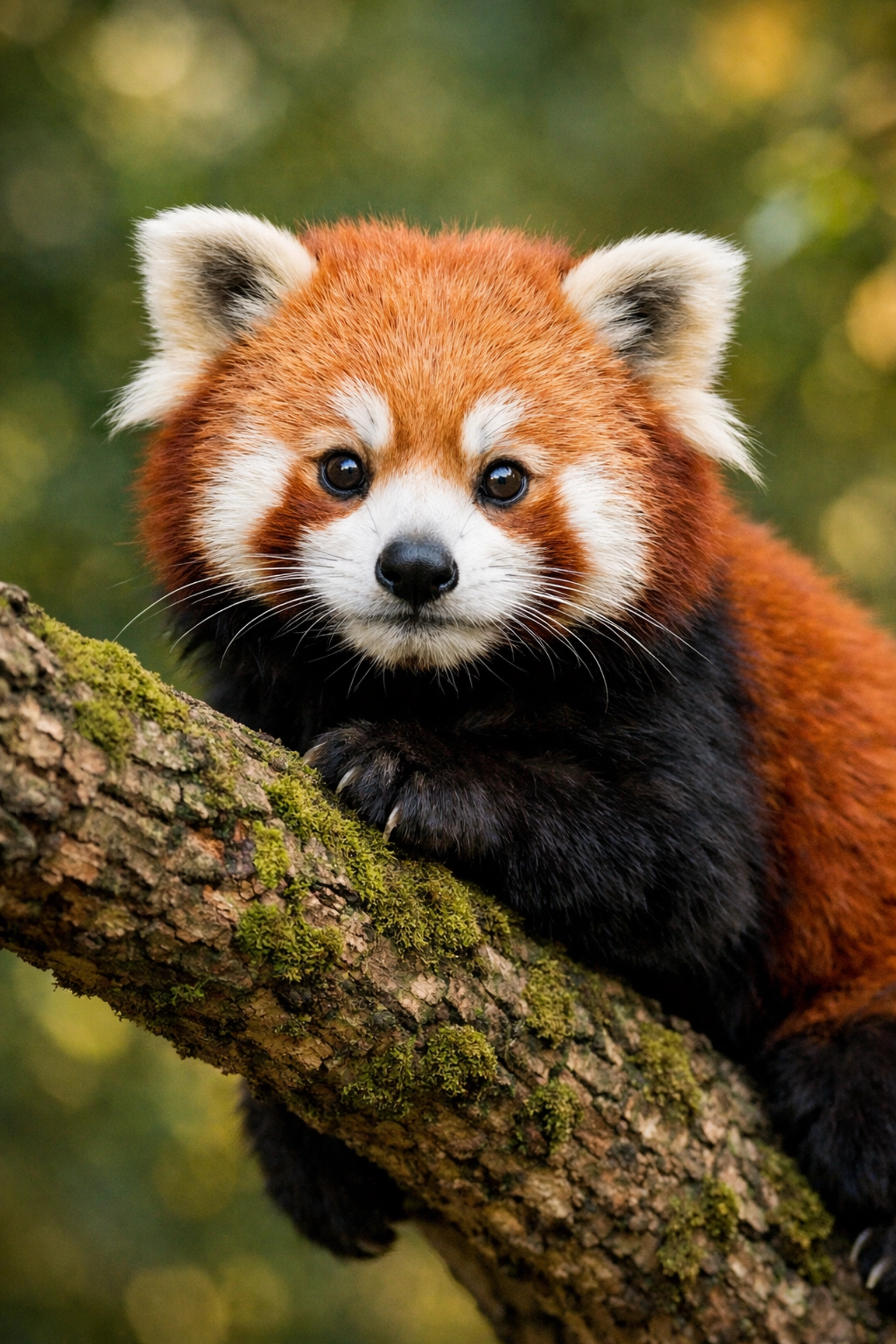
In a digital world, your imagery is your first impression. Low-quality photos suggest a low-quality operation. Professional media reflects a professional institution.
Media Standards
- Use sharp, clear photos for all social posts.
- Ensure website images load quickly but maintain detail.
- Focus on "eye contact" shots to build empathy.
- Showcase animals in naturalistic settings.
Quality imagery for birds or pandas can be the difference between a scroll-past and a click-through.
A Framework for Consistency
Sustainable marketing is not a one-time campaign. It is a long-term commitment to a specific tone and message.
- Audit your current messaging. Remove buzzwords.
- Evaluate your visuals. Do they reflect your conservation goals?
- Check your operations. Are your actions matching your words?
- Engage your staff. They are your best brand ambassadors.
Consistency prevents confusion. It builds a brand that people respect and support.
Final Thoughts
Marketing for zoos and aquariums is about balance. You need to attract visitors while upholding high ethical standards. By focusing on your mission, sharing authentic stories, and being transparent about your operations, you build a sustainable future for your institution and the species you protect.
For more insights on zoo marketing and high-quality conservation imagery, visit us.
Explore our resources:
- View our Image Library
- Follow us on LinkedIn
- Learn more at ZooImagery.com
Presented by Dan Kost, CEO of Zoo Imagery. Simple solutions for wildlife storytelling.


