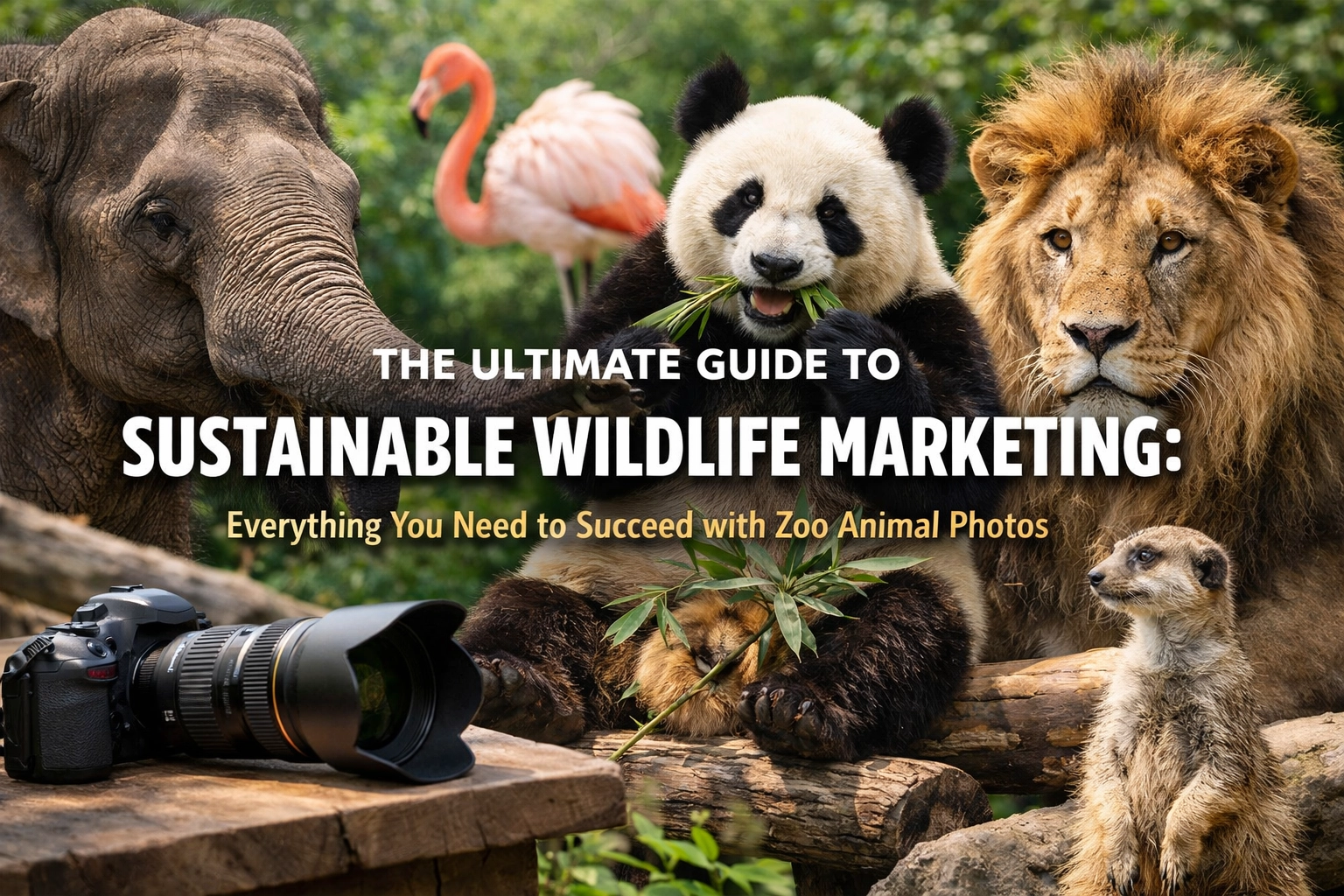
The Ultimate Guide to Sustainable Wildlife Marketing: Everything You Need to Succeed with Zoo Animal Photos
Wildlife marketing has changed. In 2026, audiences demand more than just a pretty picture. They want a connection to the mission. They want to see the impact of their support.
At Zoo Imagery, we provide the tools to build that connection.
This guide outlines how to use zoo animal photography to drive conservation results. No fluff. No marketing jargon. Just strategies that work for zoos, aquariums, and conservation-focused brands.
The Foundation: Why Visuals Matter
Photos are the bridge. They connect a person in a city to a tiger in a sanctuary. Without a high-quality visual, the message gets lost.
- Emotional resonance. A clear shot of an animal’s eyes creates immediate empathy.
- Trust. Low-quality or grainy photos suggest a lack of resources or care.
- Clarity. A single image can explain a conservation crisis faster than a thousand words.

Sustainable Marketing vs. Buzzwords
We avoid the word "sustainability" when it has no meaning. In this context, sustainable marketing means creating long-term support systems. It is about building a community that funds conservation year after year.
Core Principles:
- Truth. Show the animals as they are. No over-editing.
- Impact. Every campaign must lead to a result.
- Consistency. Keep your brand tone simple across all platforms.
Strategic Content: The "Presented By" Model
One of the most effective trends in 2026 is the "Presented By" animal page. This allows corporate partners to sponsor specific species or individual animals.
- Species Spotlights. Focus on one animal for a month.
- Sponsored Content. A brand pays for the media, and the funds go directly to habitat restoration.
- Transparency. Clearly state how much money was raised and where it went.
The Visual Content Strategy
Don't just post photos. Post with intent. Your visual strategy should be built on three pillars:
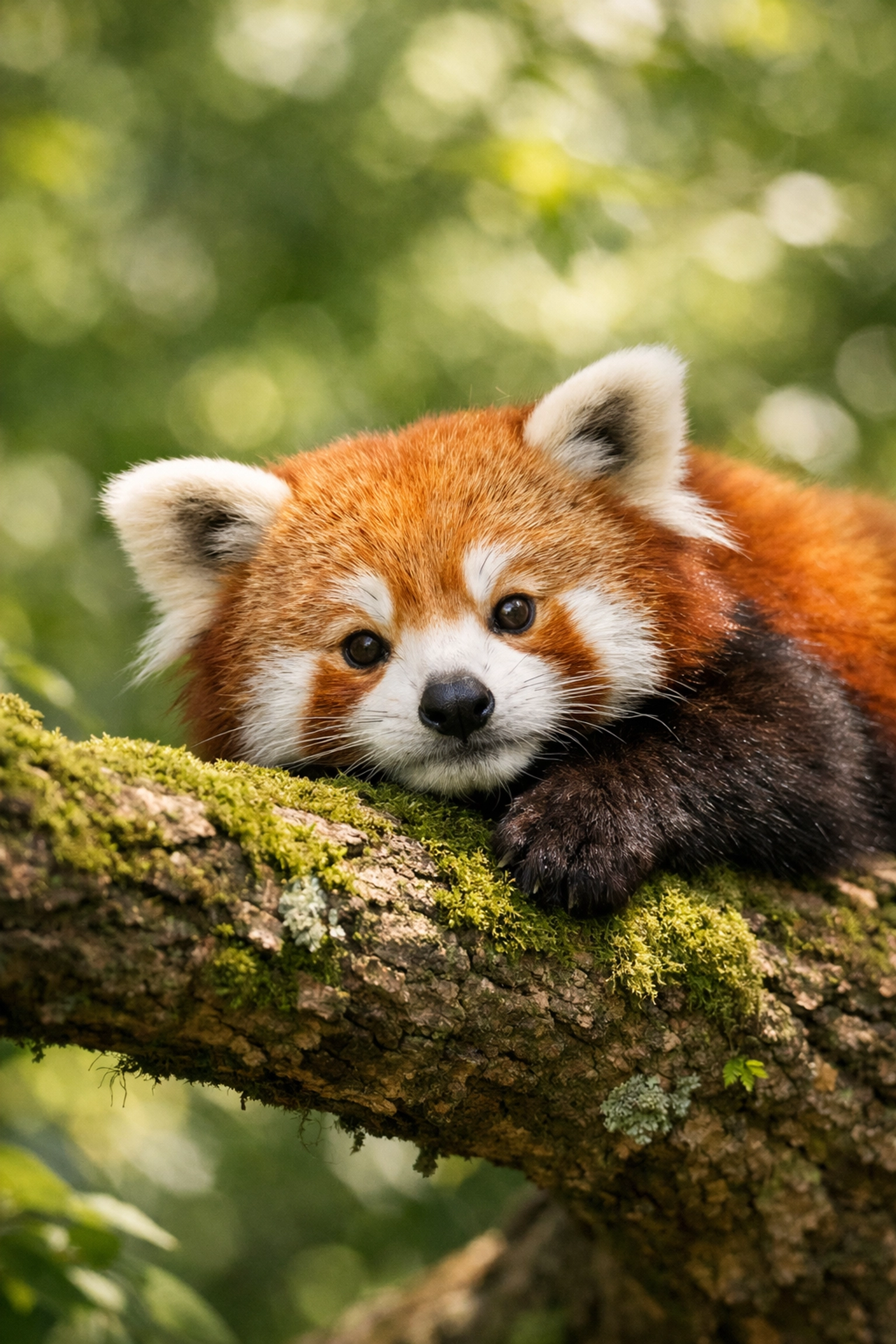
1. Awareness
Use striking, high-quality images to stop the scroll.
- Focus: Endangered species.
- Goal: Educate the audience on the challenge.
- Media: Wide-angle habitat shots or extreme close-ups.
2. Fundraising
Humanize the conservation effort.
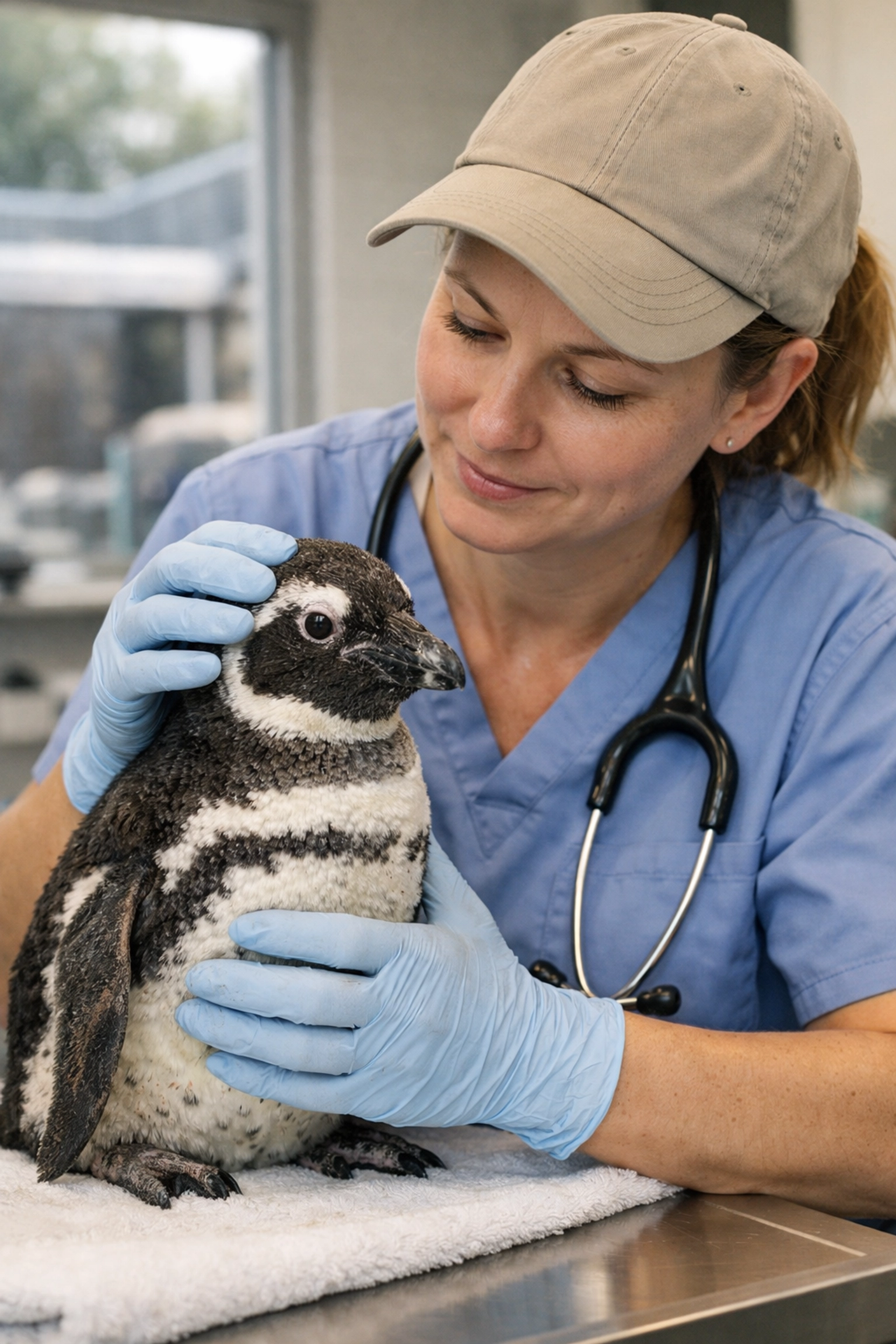
- Focus: Rescued or rehabilitated animals.
- Goal: Convert viewers into supporters.
- Media: Photos of the animal interacting with care teams.
3. Behavioral Change
Show the solution in action.
- Focus: Practical steps for the viewer.
- Goal: Influence public habits (e.g., reducing plastic use).
- Media: Infographics paired with wildlife photography.
Quality Over Quantity
The internet is full of noise. Do not add to it.
- Post less often.
- Ensure every photo is professional.
- If you lack your own shots, use a dedicated stock library.
High-quality photography creates a professional baseline. It shows your organization is serious about its mission.
Leveraging Data and Impact
Marketing isn't just art. It’s data. When you run a campaign, pair your photos with hard numbers.
- Hectares protected.
- Animals released.
- Trees planted.
- Water liters saved.
Avoid "making a difference." Say "we protected 500 acres of rainforest." Numbers provide the weight that the photo carries.
Integrating Photography Across Channels
Your photos should work everywhere. One great shot of a Snow Leopard can be used across multiple touchpoints:
- Social Media: Instagram Reels or LinkedIn updates.
- Physical Signage: Inside the zoo or aquarium.
- Email Newsletters: Direct updates to members.
- Annual Reports: Proving value to stakeholders.
Species Spotlights: A Case Study
Consider a campaign for the Sumatran Tiger.
- The Photo: A high-resolution image of a tiger in a lush, green environment.
- The Message: "Our tigers need space. Here is how we are expanding their habitat."
- The Result: A clear call to action that links to a donation page.
By focusing on one species, you reduce choice paralysis. The audience knows exactly what they are supporting.
Collaboration and Authority
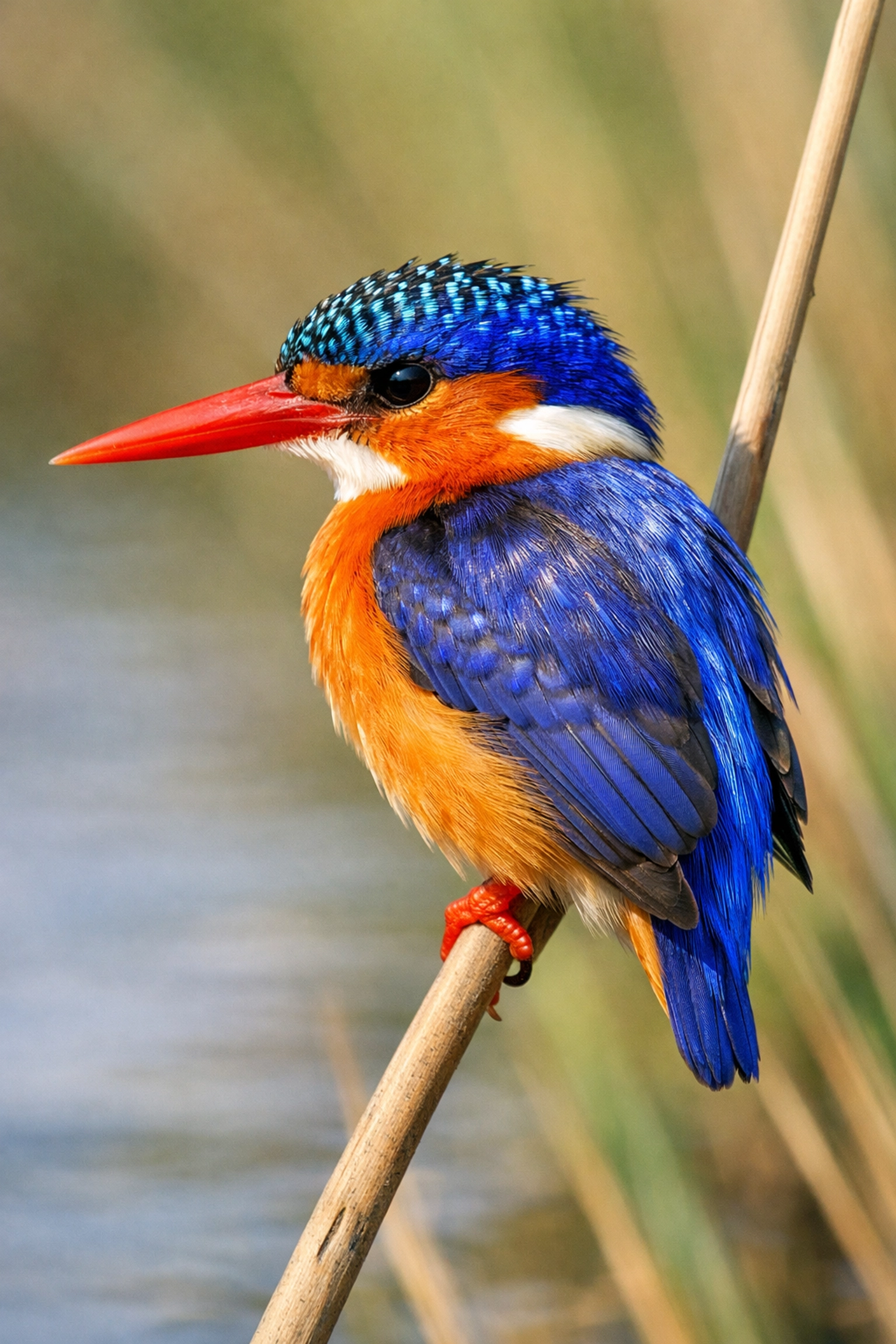
Partnering with others amplifies your voice. This isn't just about influencers. It’s about brands that align with your values.
- Corporate Partnerships. Brands can use wildlife imagery in their own marketing.
- The Agreement. A percentage of sales goes back to the species featured in the ad.
- The Outcome. Sustainable funding that doesn't rely on grants.
Managing Your Media Library
A zoo generates thousands of images. Organizing them is key to marketing success.
- Categorize by species.
- Tag by conservation status.
- Keep high-res files accessible.
If your internal team is overwhelmed, stock photography tailored for zoos is a viable alternative. It ensures you always have the right photo for the right moment.
The Visitor Experience
Sustainable marketing doesn't end when the visitor enters the gates.
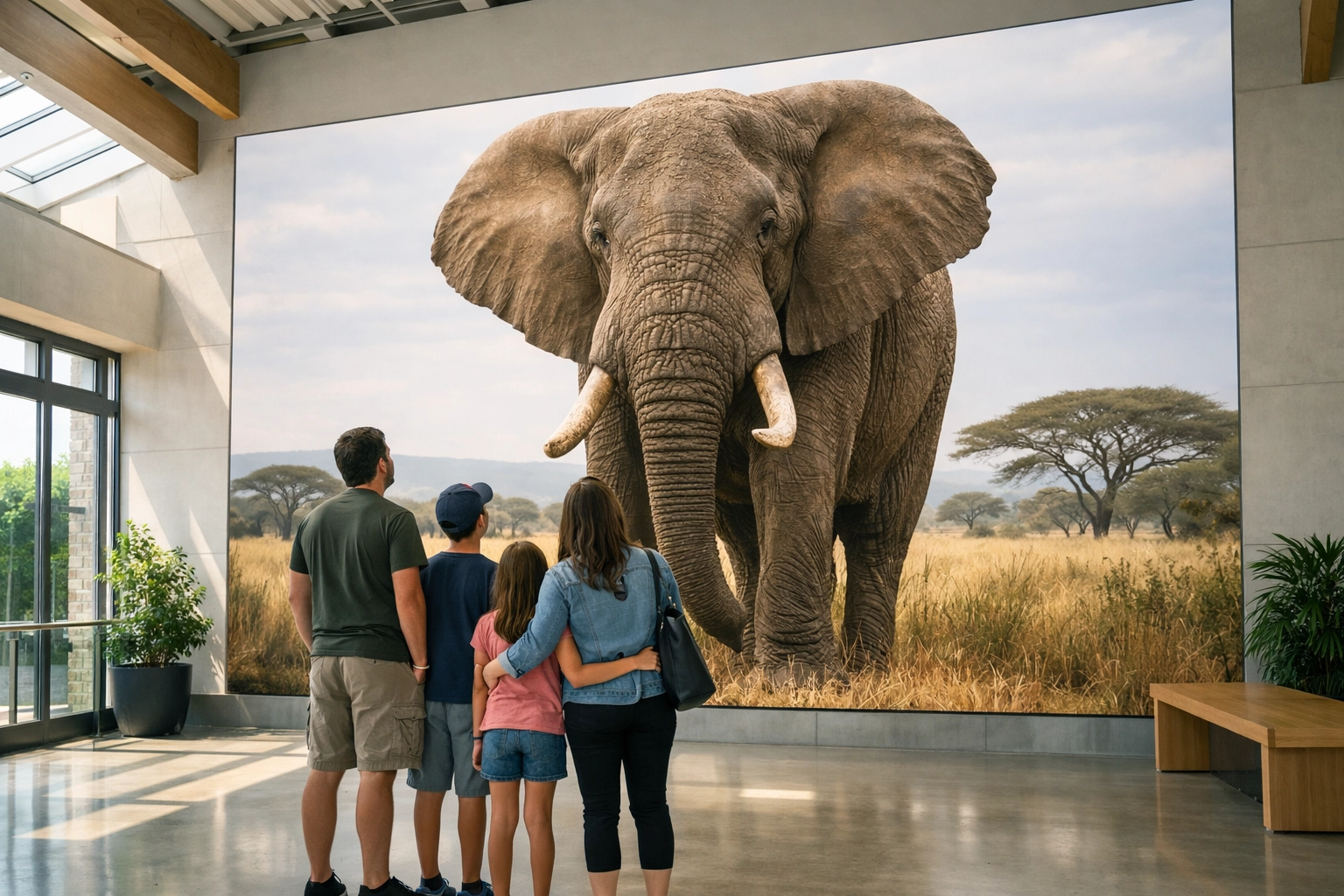
- Immersive Displays. Use your best photography on large-scale signage.
- Interactive Exhibits. Connect physical locations to digital storytelling via QR codes.
- Keepsakes. High-quality photos on guides or maps that visitors take home.
Practical Tips for 2026
- Avoid Ethnic Stereotypes. When showing human conservationists, represent true diversity.
- Don’t Blame, Explain. Invite people into the solution. Avoid guilt-based messaging.
- Be Direct. Tell people exactly what you need. "Donate $10 to feed a penguin" is better than "Support our efforts."
Final Thoughts from Dan Kost
Marketing wildlife is a privilege. We are telling the story of creatures that cannot speak for themselves. The goal at Zoo Imagery is to make that story as clear and impactful as possible.
We provide the media. You provide the mission.
Keep it simple. Keep it honest. Focus on the animals.
Ready to elevate your wildlife marketing?
Success starts with the right image. We help zoos and aquariums tell their stories through professional digital media.
- Explore our library: zooimagery.com
- Connect with us on LinkedIn: Zoo Imagery LinkedIn Profile
- Learn more about our mission: About Us
Let's show the world what conservation looks like.


