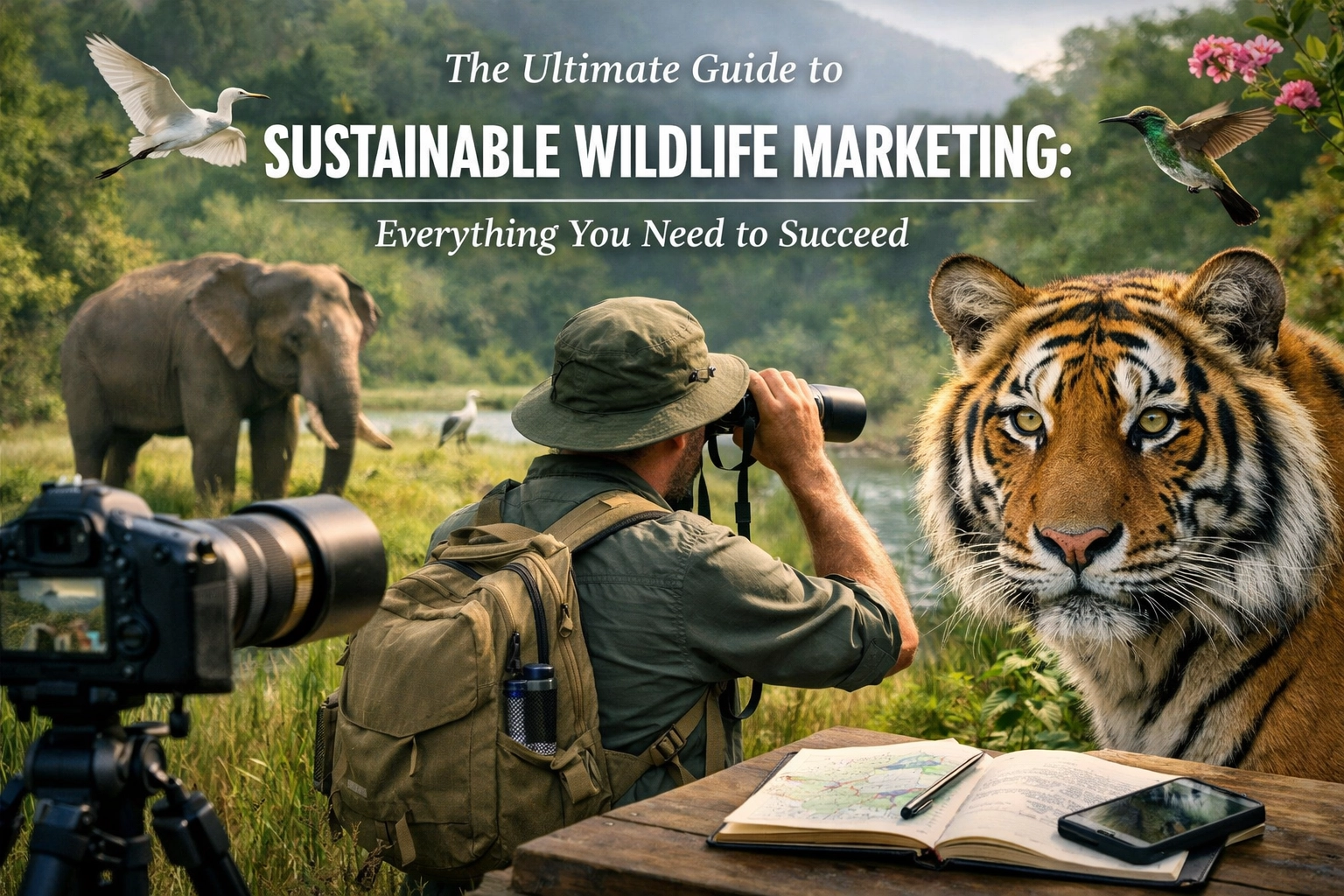
The Ultimate Guide to Sustainable Wildlife Marketing: Everything You Need to Succeed
Marketing for zoos and aquariums has changed. The old model was entertainment. The new model is impact.
Today’s visitors look for more than a day out. They want to support a mission. They care about conservation, ethics, and the environment.
This guide covers how to shift your marketing to align with these values. No buzzwords. Just strategy.

1. The Conservation-First Mindset
Marketing usually starts with "What do we sell?"
Sustainable marketing starts with "What do we save?"
Move conservation from the footer of your website to the header. Your mission is not a secondary message. It is your identity.
The Strategy:
- Lead with impact.
- Prioritize conservation goals over ticket sales in headlines.
- Target audiences who share environmental values.
- Turn visitors into advocates.
People stay engaged longer when they feel part of a solution. They don’t just visit once; they join the movement.
2. ESG Without the Buzzwords
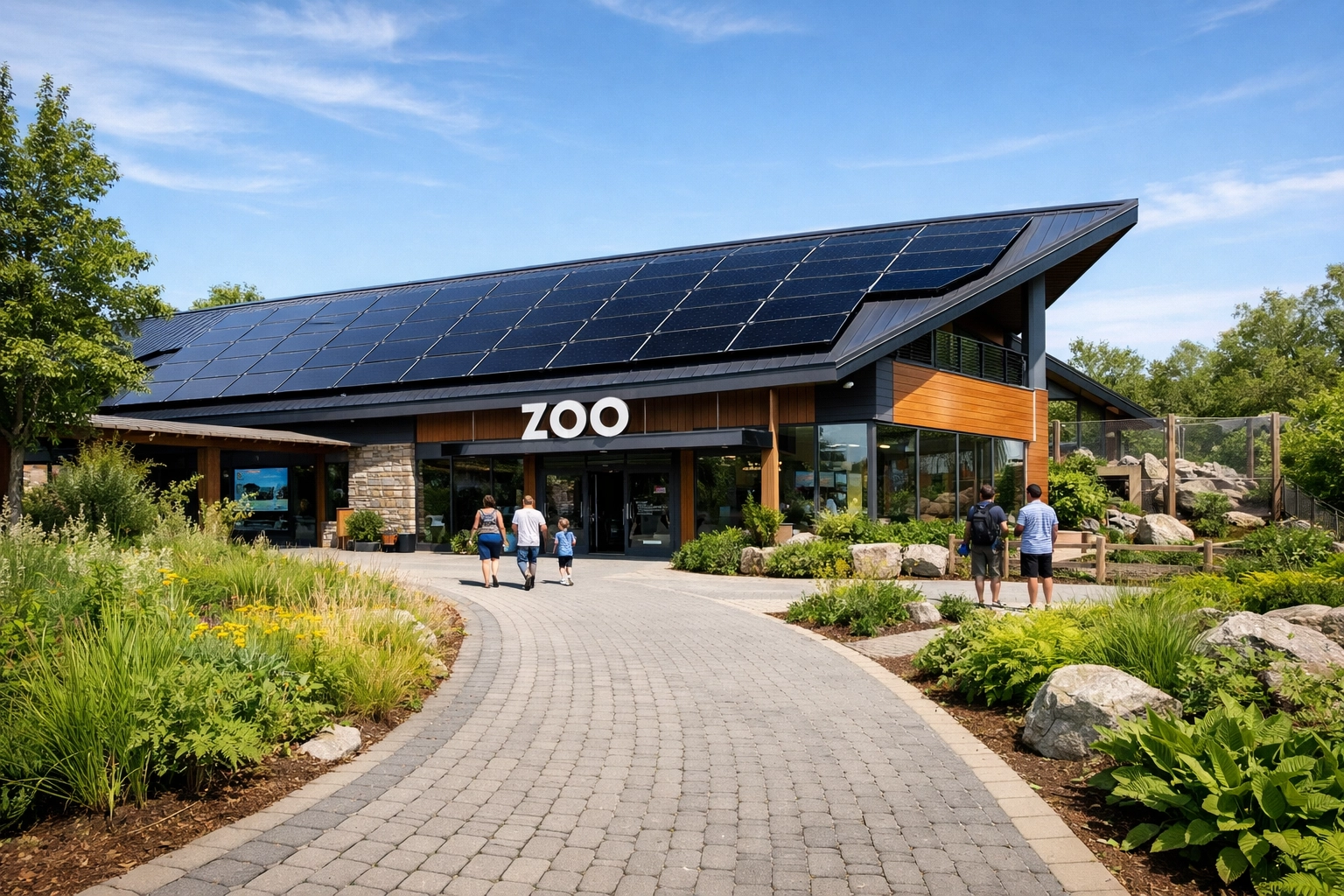
Environmental, Social, and Governance (ESG) is often buried in corporate reports. In wildlife marketing, it should be visible. Don't use the acronym. Show the work.
Environmental Impact:
- Document your waste reduction.
- Show your solar arrays.
- Explain your water recycling.
- Remove single-use plastics from your cafes. Then, tell the story of why.
Social Responsibility:
- Highlight local community partnerships.
- Showcase accessibility initiatives.
- Feature staff stories. Not just leadership: the keepers, the grounds crew, the vets.
Governance:
- Be transparent about where funding goes.
- Explain the ethics behind animal transfers.
- Share your accreditation standards simply.
3. Individual Stories vs. Statistics
Data is important for grants. Stories are important for people.
Stats like "10% population increase" are hard to visualize.
The story of "Luna," a rehabilitated sea lion, is easy to remember.
How to tell a story:
- The Rescue: Why was the animal brought in?
- The Care: What does daily rehabilitation look like? Use raw, unpolished footage.
- The Win: What is the long-term goal? Release? Permanent sanctuary?
- The Personality: Does the animal have quirks? Favorite foods? This builds empathy.
Empathy drives action. Action drives conservation.
4. Visual Integrity and Authentic Imagery
Stock photography can feel cold. It often looks staged.
Sustainable marketing requires authenticity.
High-quality, real-world imagery is your best asset. It builds trust.
Visual Guidelines:
- Use "real-time" photography for social media.
- Show animals in naturalistic behaviors.
- Include humans in the frame: keepers interacting or researchers at work.
- Avoid over-editing. Keep the colors natural.
Consistent, high-quality visuals across your website and social channels create a professional baseline. It shows you take your mission seriously.
5. Sponsored Species Spotlights
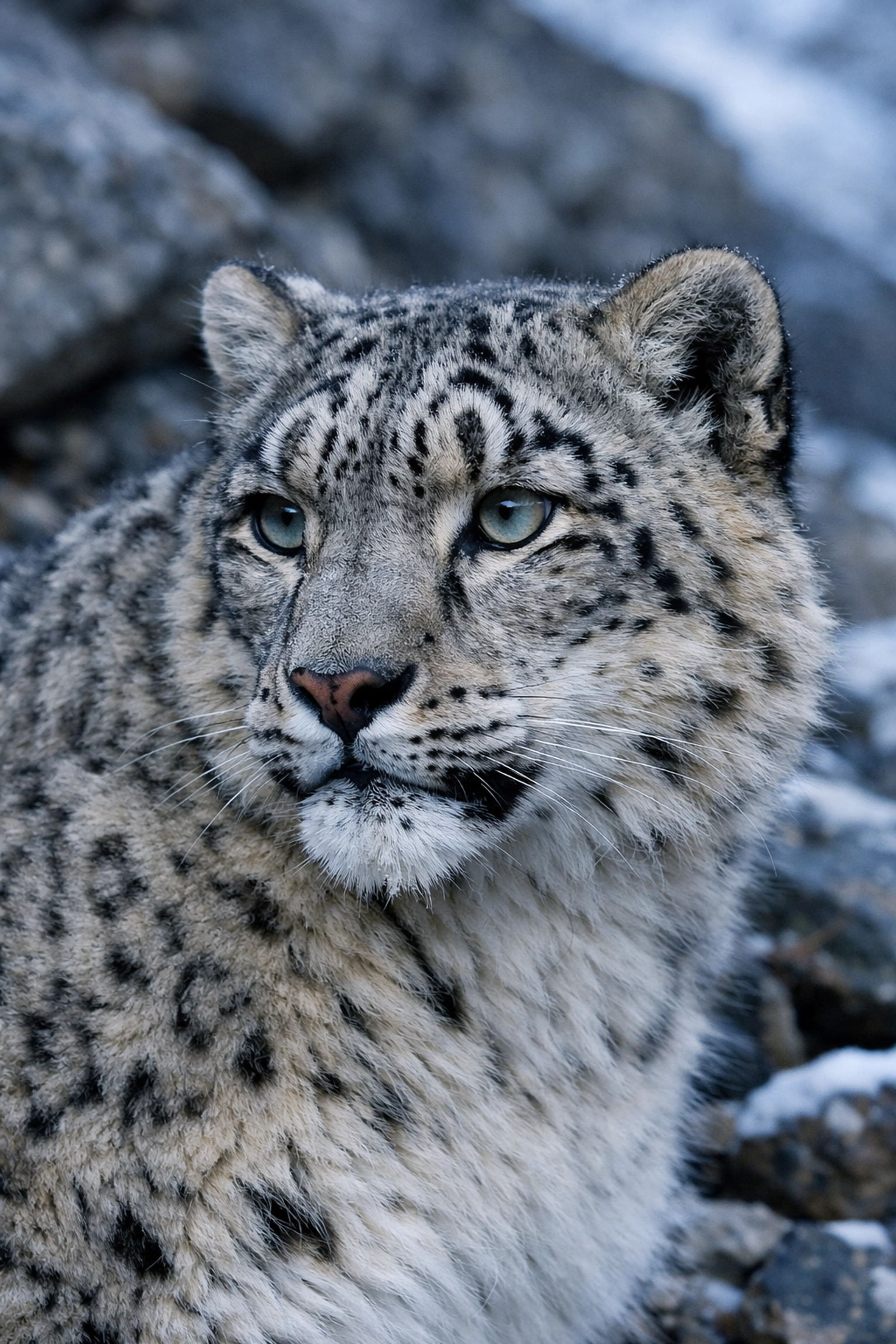
A great way to fund specific efforts is through "Presented by" pages. This allows corporate partners to align with your mission without it feeling like a traditional ad.
How it works:
- A company sponsors a specific species or habitat.
- You create a dedicated page for that animal on zooimagery.com.
- The page includes conservation facts, live-stream links, and "Presented by [Partner Name]."
- The partner gets a clean, ESG-aligned marketing win.
- The zoo gets direct funding for that species.
This is a clean way to handle sponsorships. No clutter. No heavy sales pitch. Just a shared focus on the animal.
6. Operational Transparency
Modern travelers and donors are skeptical. They want proof of sustainability. Make your operations visible.
Visible Sustainability:
- Food Sourcing: Where does the animal feed come from? Is it sustainable?
- Energy: Show the solar panels. Explain the geothermal cooling.
- Waste: Show the composting facility. Explain the "closed-loop" system.
Visual documentation of these behind-the-scenes efforts proves you practice what you preach. It isn't just a marketing layer; it is the core of the business.
7. Education as an Attraction
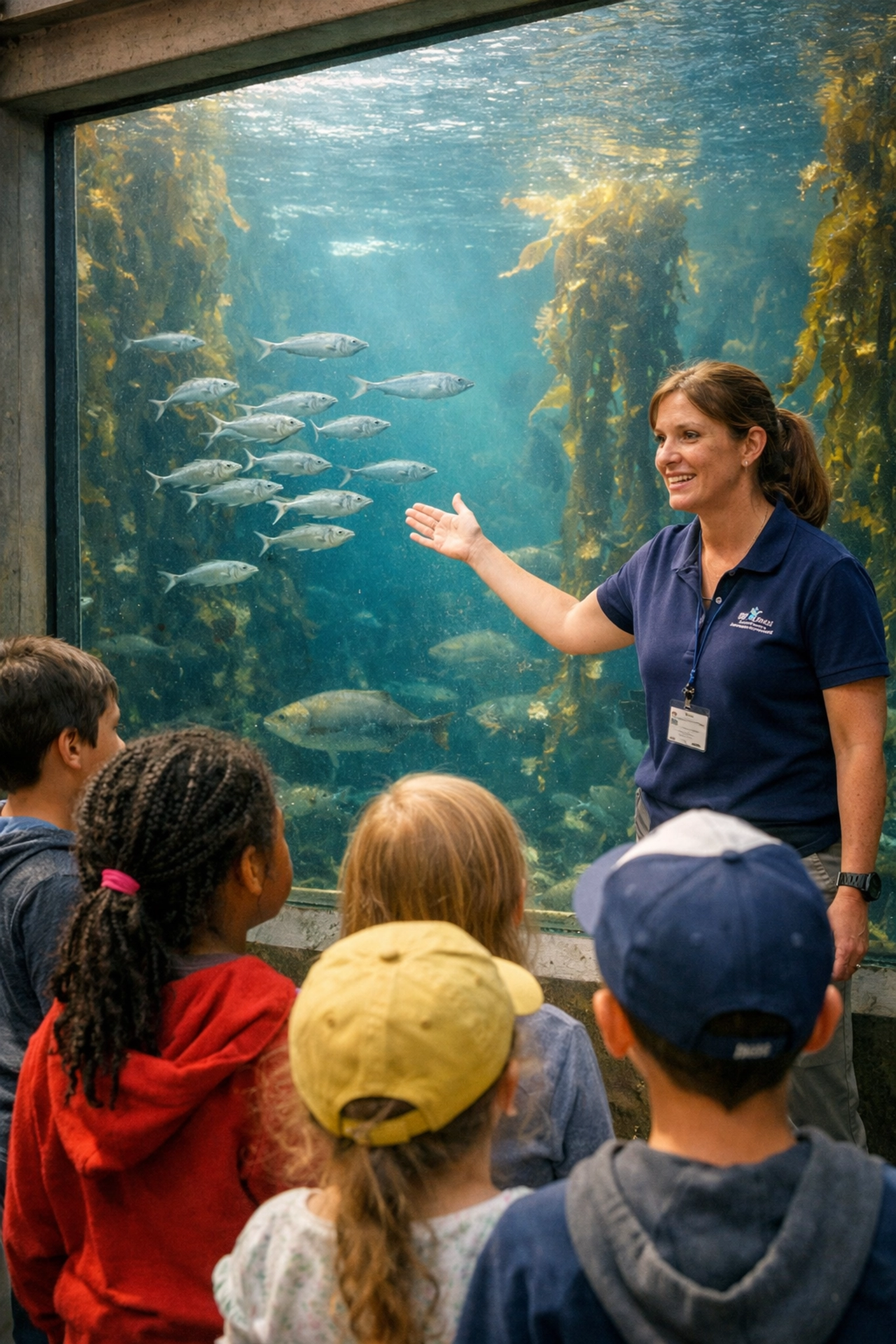
Position your institution as a place of learning, not just a place of observation.
Tactics:
- Keeper Talks: Schedule them regularly. Stream them for those who can't attend.
- School Partnerships: Create curriculum-aligned content.
- Science Camps: Offer deep dives into biology and ecology.
- Teacher Workshops: Give educators the tools to teach conservation in the classroom.
This positioning strengthens your credibility when applying for grants. It also builds long-term loyalty with local families.
8. Digital Strategy and Engagement
Your digital presence is your 24/7 visitor center. It should be educational, not just functional.
Best Practices:
- Social Media: Use it for "Micro-Education." Share a fact a day. Use behind-the-scenes clips of animal enrichment.
- Live Streams: Give people a window into the habitats. High-definition streams are calming and educational.
- Interactive Maps: Help visitors plan their trip around conservation stories.
- Newsletters: Send regular updates on conservation wins. Keep it brief.
Avoid using social media only for weather updates or ticket reminders. Use it to build a community of nature lovers.
9. Strategic Partnerships
You don't have to do it alone. Collaborative marketing expands your reach and your impact.
Potential Partners:
- University research programs.
- Environmental non-profits.
- Wildlife photographers.
- Local sustainable businesses.
- Reciprocal memberships with other accredited zoos.
Cross-promotion introduces your mission to new, relevant audiences. It builds a network of support that goes beyond a single institution.
10. Implementation Framework
Sustainable marketing is an integrated approach. Every piece of content should serve the mission.
- Audit your current messaging. Is it about the visitor's fun or the animal's future?
- Gather your assets. Focus on high-quality, authentic photography.
- Identify your "Hero" stories. Which animals or projects represent your mission best?
- Launch your campaigns. Use clear, simple language.
- Measure impact. Track engagement with conservation stories, not just ticket clicks.
Summary of Best Practices
- Simple Language: Avoid jargon. Explain things so a ten-year-old and a PhD can both appreciate them.
- Visual Focus: Let the imagery tell the story.
- Mission First: Every post should reinforce your conservation goals.
- Transparency: Show the work, the challenges, and the wins.
Marketing isn't about convincing people to buy a ticket. It's about convincing people that your mission is worth their time and support.
When you get that right, the rest follows.
Get Started
Need help telling your conservation story? We specialize in stock photography and digital media for the modern zoo and aquarium.
- Explore our library: zooimagery.com
- Learn more about us
- Follow our updates on LinkedIn
Let’s change the way the world sees wildlife. Together.


