
The Ultimate Guide to Elephant Species Spotlights: Everything You Need to Succeed with Conservation Stories
Stories save species. At Zoo Imagery, we believe a single photo can change the trajectory of conservation efforts. When you tell the story of an elephant, you aren’t just sharing a fact. You are building a bridge between the viewer and the wild.
Conservation storytelling is more than a trend. It is a necessity. To succeed, you need accuracy, impact, and the right visuals.
Three Species. Three Stories.
Not all elephants are the same. Understanding the distinctions is the first step in creating an authentic species spotlight.
1. African Savanna Elephants
These are the giants of the plains. They are the largest land animals on Earth. You recognize them by their massive ears, shaped like the continent of Africa. They roam across 37 countries. They are social, intelligent, and vital to their ecosystems.
2. African Forest Elephants
Smaller than their savanna cousins. Their tusks are straighter and point downward. Their ears are more oval. They live in the dense rainforests of Central and West Africa. They are the "gardeners of the forest." They disperse seeds that maintain the health of the jungle.
3. Asian Elephants
Found across 13 countries in South and Southeast Asia. Their ears are smaller. Their backs are rounded. Only some males have tusks. They have a long history of living alongside humans, yet they face the most fragmented habitats.

The Reality of the Wild
The numbers tell a difficult story. We provide the visuals to help you tell it.
- Asian Elephants: 30,000 to 50,000 remain. They are critically endangered in places like Bangladesh.
- African Forest Elephants: 65% of the population was lost between 2002 and 2013.
- The Ivory Trade: Poaching claims roughly 35,000 elephants every year.
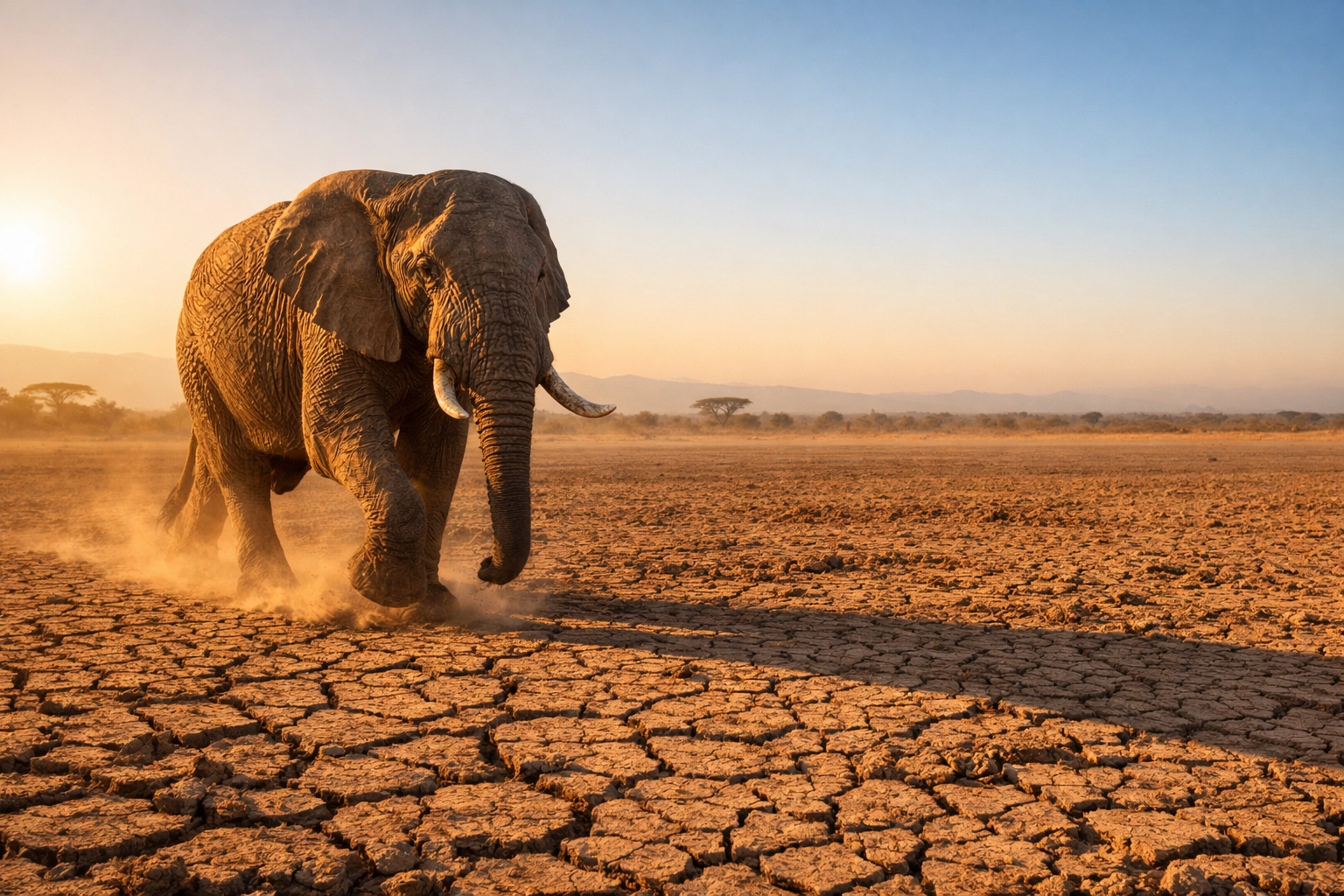
Loss of habitat. Human-elephant conflict. Climate change. These are the hurdles. But there is progress.
Conservation Success Stories
Success happens when communities and conservationists work together. Here are four models of hope.
Congo: The Power of Protection
In the Republic of Congo, three national parks stand out:
- Nouabale-Ndoki
- Odzala-Kokoua
- Conkouati-Douli
For nearly a decade, elephant populations here have remained steady. These parks provide a sanctuary. They prevent poaching. They offer a safe harbor for elephants fleeing more dangerous regions. It is a testament to what consistent law enforcement and habitat management can achieve.
Uganda: Solar-Powered Solutions
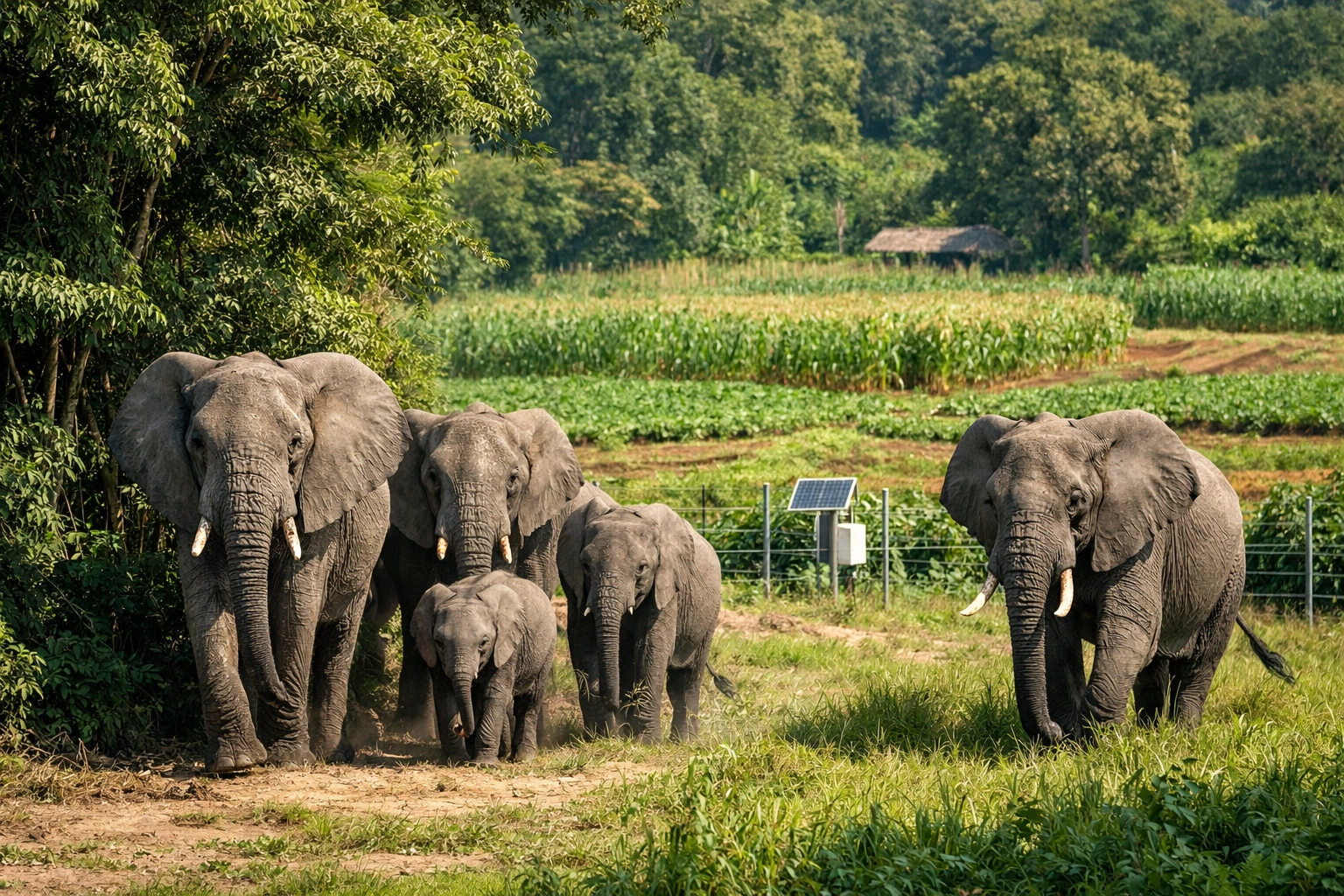
Human-elephant conflict often happens at the edge of parks. In Queen Elizabeth National Park, a simple solution worked.
They installed 23 kilometers of solar-powered electric fencing.
The result: 90% of local farmers reported an end to crop-raiding.
Innovation didn't stop there. "Porcupine" wire barriers: small, prickly obstacles: were added to further discourage elephants without causing harm.
Nepal: Changing the Menu
In Nepal, villagers changed their strategy. They stopped growing maize, which elephants love to eat. Instead, they planted:
- Tea
- Bay leaves
- Lemons
Elephants don't like these crops. This simple switch reduced conflict and improved the livelihoods of farmers. It proved that conservation doesn't have to come at the expense of human survival.
Kenya: Eyes in the Sky
The Sheldrick Wildlife Trust uses aerial patrols. In a vast landscape, finding an injured or orphaned elephant is impossible from the ground. Pilots spot them from above. Rapid response teams are deployed. They treat wounds. They rescue calves. They save lives in real-time.
Company Milestones at Zoo Imagery
At Zoo Imagery, led by CEO Dan Kost, we are reaching new milestones in how digital media serves the animal world.
We aren't just a stock library. We are a resource for zoos, aquariums, and conservation groups. We provide the high-quality assets needed for ESG-aligned campaigns and educational programs. Our goal is to make professional imagery accessible so the message of conservation reaches further.
We believe in quality over quantity. Every file in our library is selected to tell a story. Whether it is a listing for elephants or a spotlight on wild tigers, we focus on the emotional connection.
How to Build a Species Spotlight
If you are creating a spotlight for your organization, follow these principles:
1. Be Specific
Don't just say "elephant." Is it a forest elephant? Is it an Indian elephant? Use precise language.
2. Focus on Individuals
People connect with stories, not statistics. Highlight a specific success story, like a rescued calf or a protected corridor.
3. Address the Community
Saving wildlife requires supporting the people who live near them. Highlight how conservation benefits local villages. Mention job creation, safety, and sustainable farming.
4. Use Direct Visuals
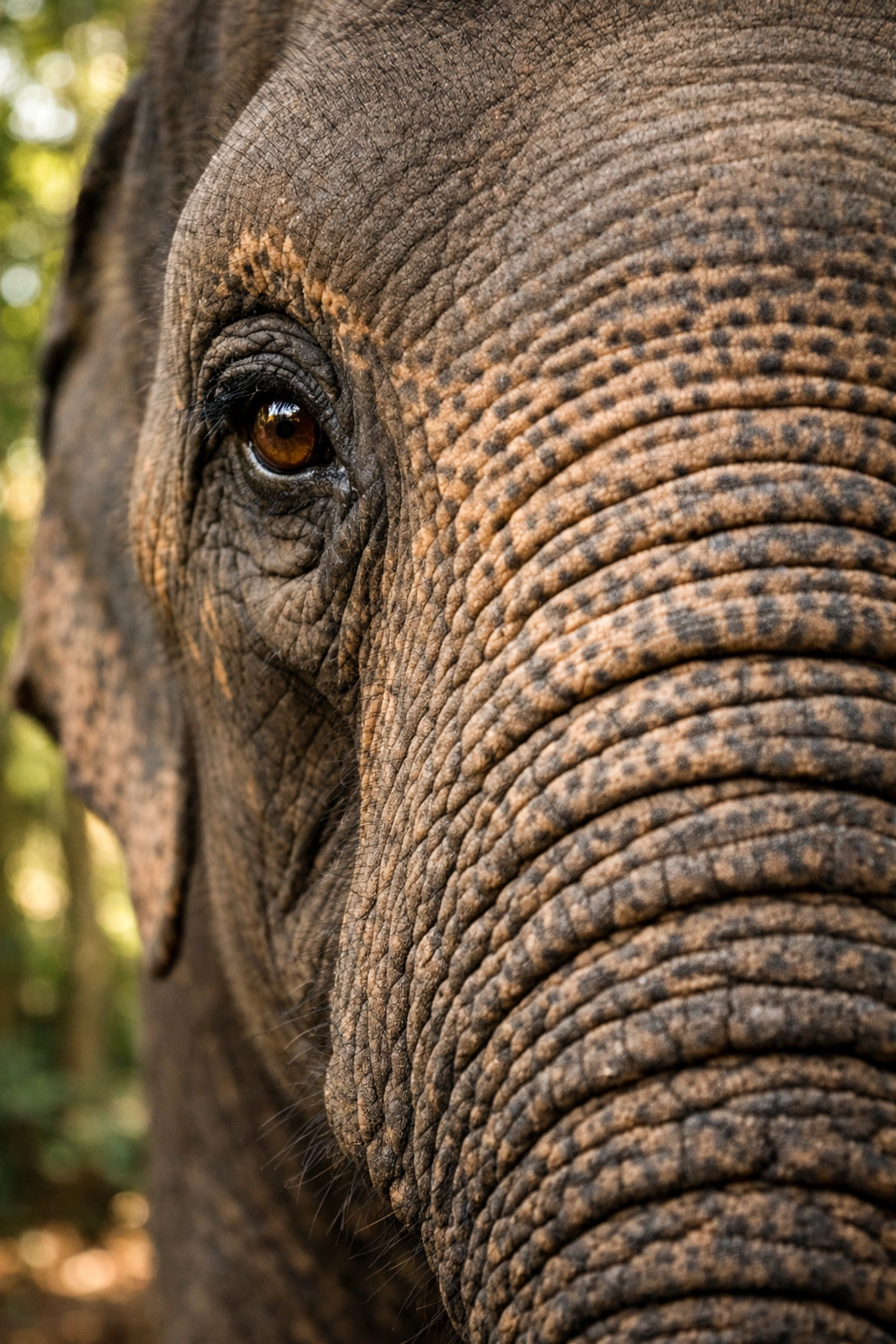
A clear, high-resolution photo is worth more than a page of text. Use imagery that shows the animal’s personality.
The Zoo Imagery Approach
We keep things simple. Our brand is built on transparency and utility.
We provide digital assets that help you succeed.
- Simple licensing.
- High-impact photos.
- Direct support for your mission.
Our collections are curated for professionals who need results. Explore our categories:
Conservation as a Narrative
Conservation is a long-form story. It has challenges. It has heroes. It has moments of profound beauty.
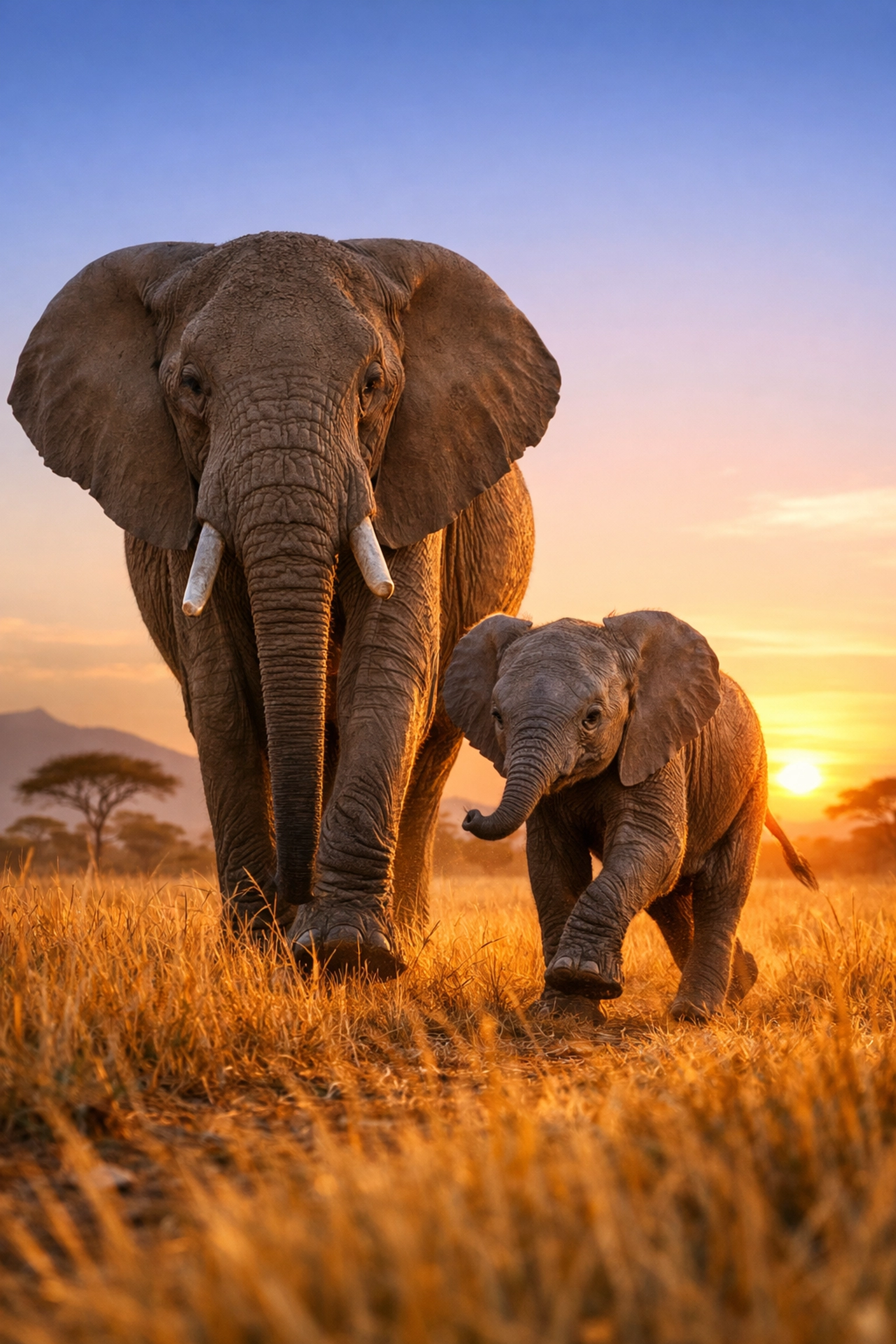
When you use imagery to spotlight a species, you aren't just filling space on a website. You are participating in a global movement. You are giving a voice to the voiceless.
Start Your Story
Effective conservation storytelling begins with the right tools. We provide the visuals. You provide the voice. Together, we can ensure these species thrive for generations to come.
Stay updated on our latest species spotlights and company milestones. We are constantly adding new content to help you share the beauty of the natural world.
Visit our website to browse our full collection: zooimagery.com
Connect with us on LinkedIn to see our latest updates and industry insights.
Presented by Zoo Imagery. Simple imagery for a complex world.


