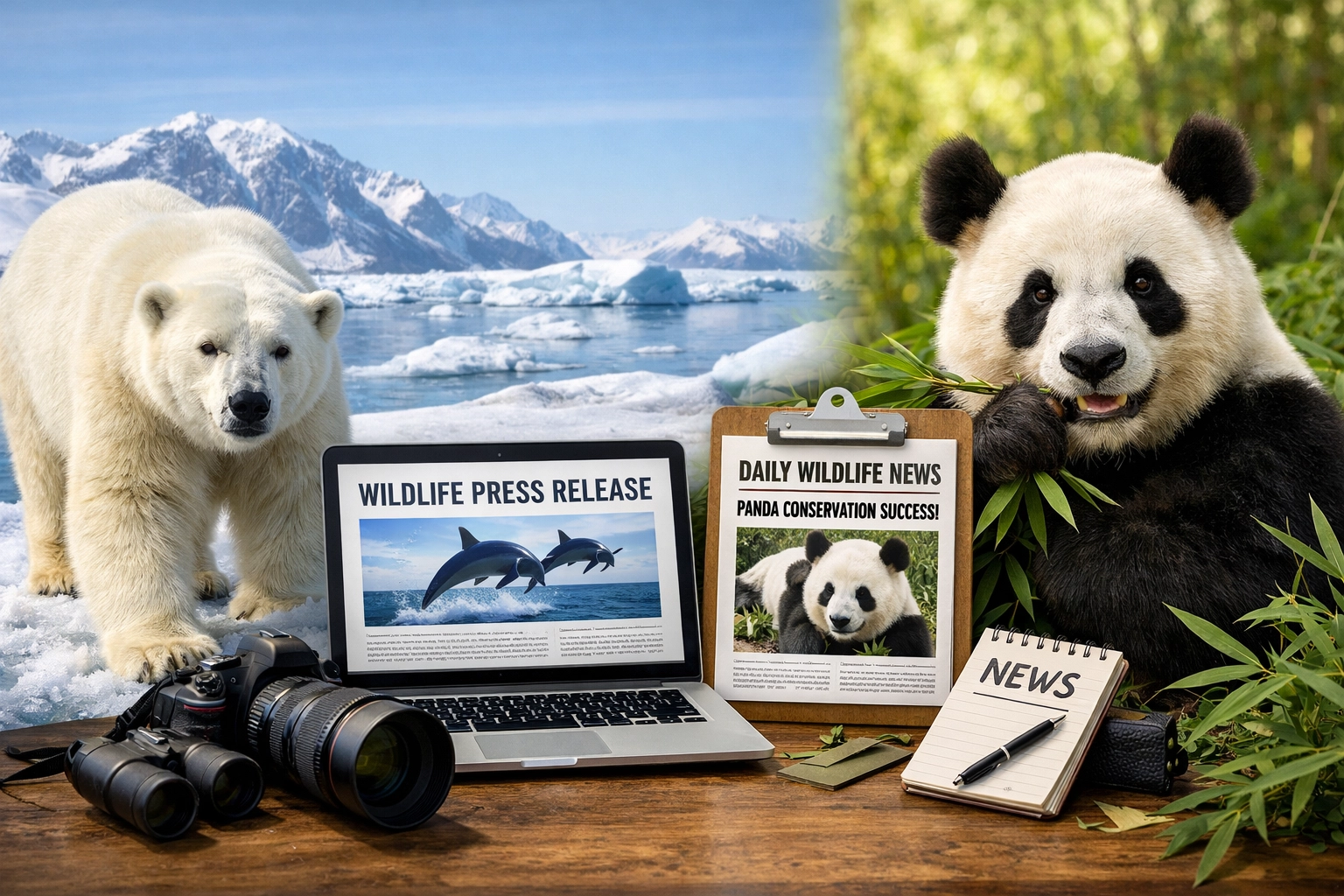
The Ultimate Guide to Daily Wildlife Press Releases: From Polar Bear Updates to Panda Conservation Wins
Wildlife press releases keep conservation moving forward.
Every day, zoos, aquariums, and conservation organizations share updates that matter. Birth announcements. Species recovery milestones. Research breakthroughs. These stories connect people to wildlife: and inspire action.
But here's the thing: most press releases get ignored.
The difference? Visual storytelling.
Why Wildlife Press Releases Actually Matter
Wildlife press releases serve a purpose beyond filling newsfeeds.
They document conservation progress. Track population changes. Announce breeding program successes. Share research findings that shape policy.
The numbers tell the story:
- Endangered species listings influence protection decisions
- Birth announcements boost public engagement by 40%
- Conservation wins attract donor funding
- Research updates inform environmental policy
Without regular communication, conservation work happens in silence.
The Five Types of Wildlife Press Releases You'll See Daily
Species Spotlights
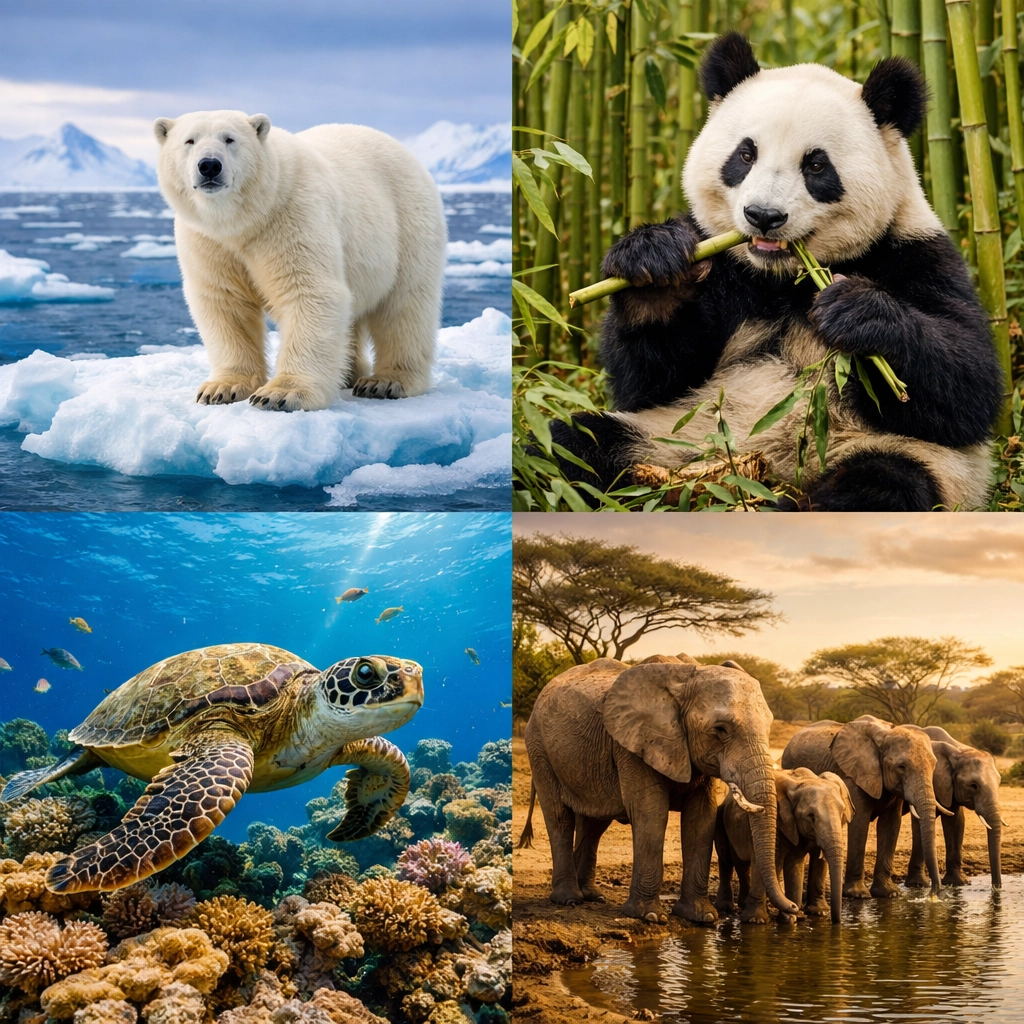
Population counts. Habitat expansions. First sightings in decades. These releases track individual species over time: polar bears adapting to changing ice patterns, pandas expanding beyond protected reserves, monarch butterflies completing successful migrations.
Conservation Milestones
Reintroduction programs reaching target numbers. Protected areas expanding. Endangered status upgrades. These wins represent years of work compressed into single announcements.
Research Findings
New studies on animal behavior. Genetic diversity data. Climate impact assessments. Research releases translate complex science into public understanding.
Facility Updates
New habitat openings. Veterinary care innovations. Educational program launches. These releases show how zoos and aquariums advance animal welfare and public education.
Partnership Announcements
Multi-organization conservation efforts. Corporate sponsorships. Government collaborations. These releases amplify reach and resources.
Conservation Storytelling Through Images
Words describe. Images prove.
A press release about polar bear conservation becomes real when you see the bear. Panda breeding programs gain urgency when you see the cub. Habitat restoration shows impact when you see the before and after.
Quality wildlife photography transforms press releases from announcements into stories.
The challenge? Finding the right images.
Stock photography libraries provide immediate access to species imagery. Professional wildlife photography captures authentic moments. High-resolution images meet publication standards across platforms.
At Zoo Imagery, we've built our library specifically for conservation communication. Species documentation. Habitat shots. Behavioral moments. All available for organizations telling wildlife stories.
How to Write Press Releases That Get Read
Start with the news. Lead with what changed. Skip the setup.
Use specific numbers. "Population increased 23%" beats "population grew significantly."
Include quotes from experts. Let scientists, keepers, and researchers explain why this matters.
Add context briefly. One paragraph on background. Then back to the story.
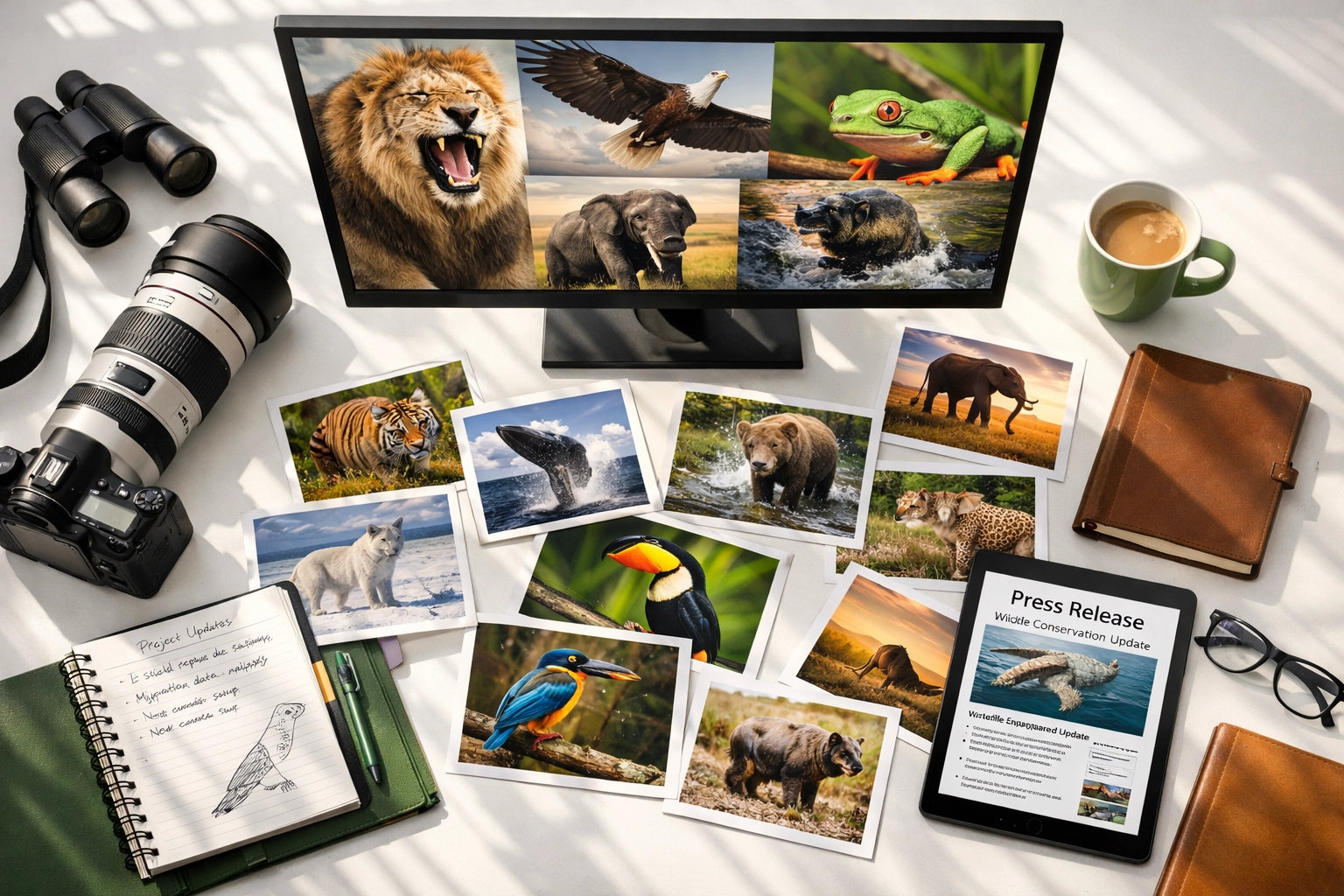
Make it visual. Reference images. Include photo credits. Show, don't just tell.
End with action. What happens next? When can people visit? How can they help?
Species Spotlight: Making Individual Animals Matter
Individual animals become ambassadors for entire species.
When a zoo announces a polar bear birth, they're not just sharing cute news. They're highlighting Arctic conservation. Climate change impacts. Breeding program success rates.
When an aquarium spotlights a rescued sea turtle, they're opening conversations about ocean plastic. Fishing net entanglement. Marine habitat protection.
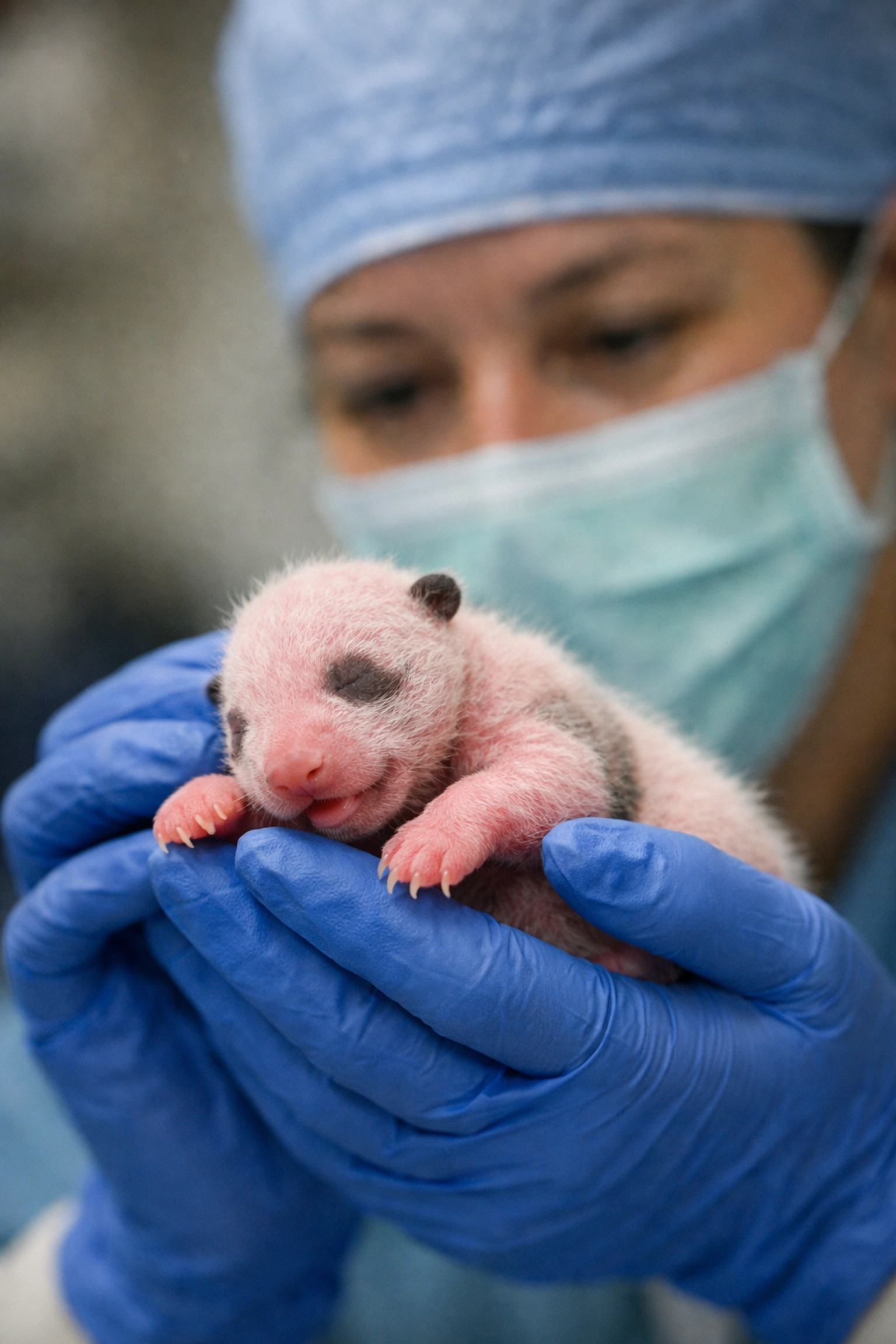
Species spotlights work because people connect to individuals first, populations second.
The most effective spotlights include:
- Clear, engaging photography
- Individual animal names and personalities
- Species conservation status
- Specific threats the species faces
- Actions readers can take
The Role of Digital Media in Conservation
Wildlife press releases don't live on newswires anymore.
They spread across:
- Social media platforms
- Conservation organization websites
- News outlets
- Educational resources
- Corporate ESG reports
Each platform needs different formats. Different image sizes. Different messaging approaches.
Digital media companies like Zoo Imagery bridge that gap. We provide imagery that works across channels. Formats that meet technical requirements. Licensing that covers varied usage.
Conservation organizations need reliable visual resources. We supply them.
Making Press Releases Visually Consistent
Brand recognition matters in conservation too.
Organizations that maintain visual consistency build trust. Their press releases become recognizable. Their messaging carries weight.
Consistent visuals mean:
- Similar photography styles across releases
- Cohesive color palettes
- Recognizable layouts
- Professional presentation
Stock photography libraries enable this consistency. Organizations access the same quality level release after release. No scrambling for images. No compromising on quality.

From Press Release to Public Impact
The goal isn't publishing press releases. It's changing behavior.
Effective wildlife press releases:
- Increase zoo attendance
- Drive conservation donations
- Influence policy decisions
- Change consumer behavior
- Educate future generations
Visual storytelling accelerates all of these outcomes.
When people see wildlife through quality imagery, they care more. They remember longer. They act faster.
Your Conservation Story Needs Better Visuals
Wildlife press releases compete with everything else demanding attention.
Stand out with professional imagery.
Zoo Imagery provides stock photography specifically for conservation storytelling. Browse our collection at zooimagery.com or connect with us on LinkedIn to see how we support organizations making a difference for wildlife.
Every species. Every story. Every day.
Conservation work deserves great visuals.


