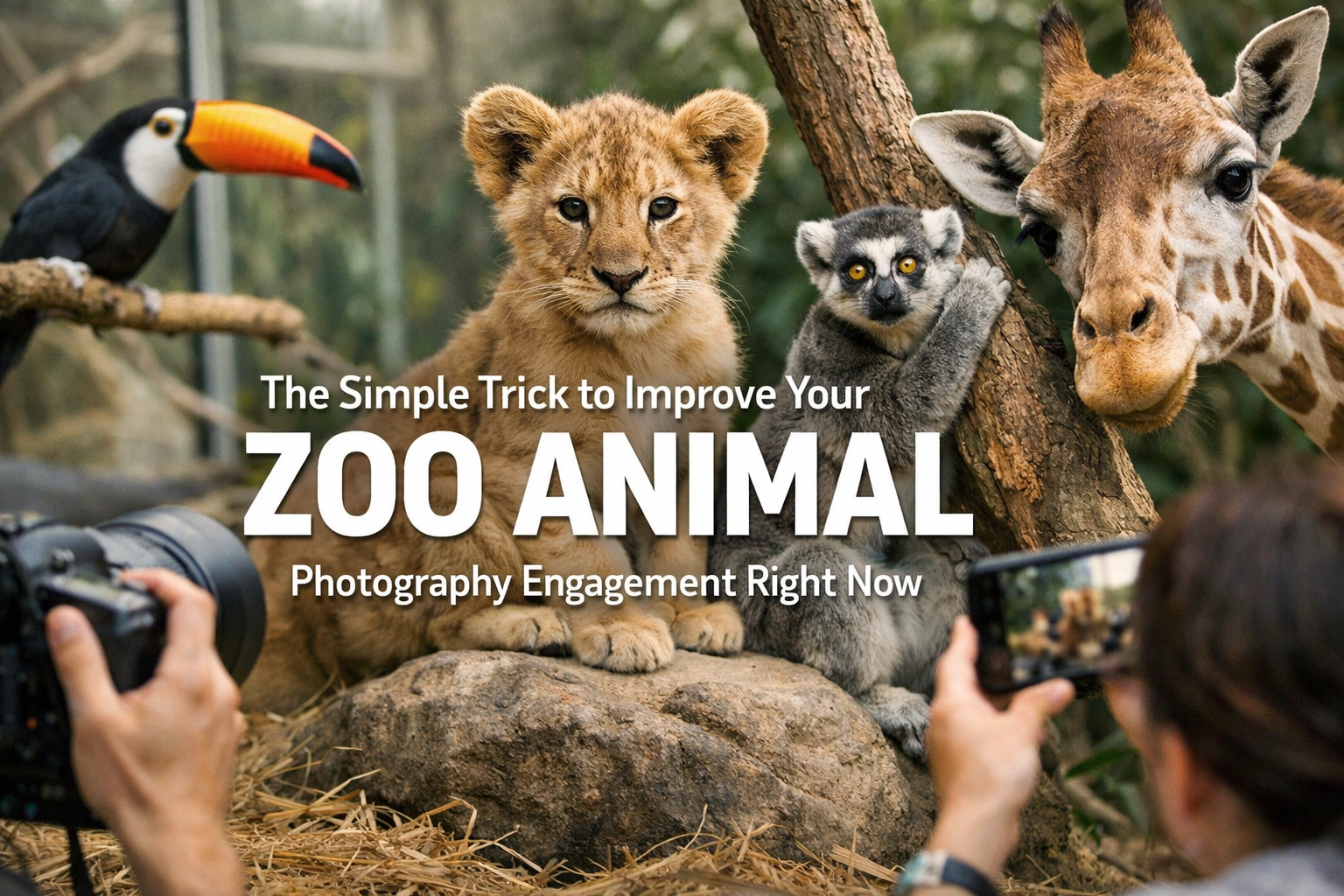
The Simple Trick to Improve Your Zoo Animal Photography Engagement Right Now
Most zoo photos look the same.
A visitor stands at a railing. They point a phone downward. They click. The result is a bird’s-eye view of a sleeping tiger or a distant giraffe. It feels clinical. It feels like a catalog.
There is a simple fix. It costs nothing. It requires no new gear.
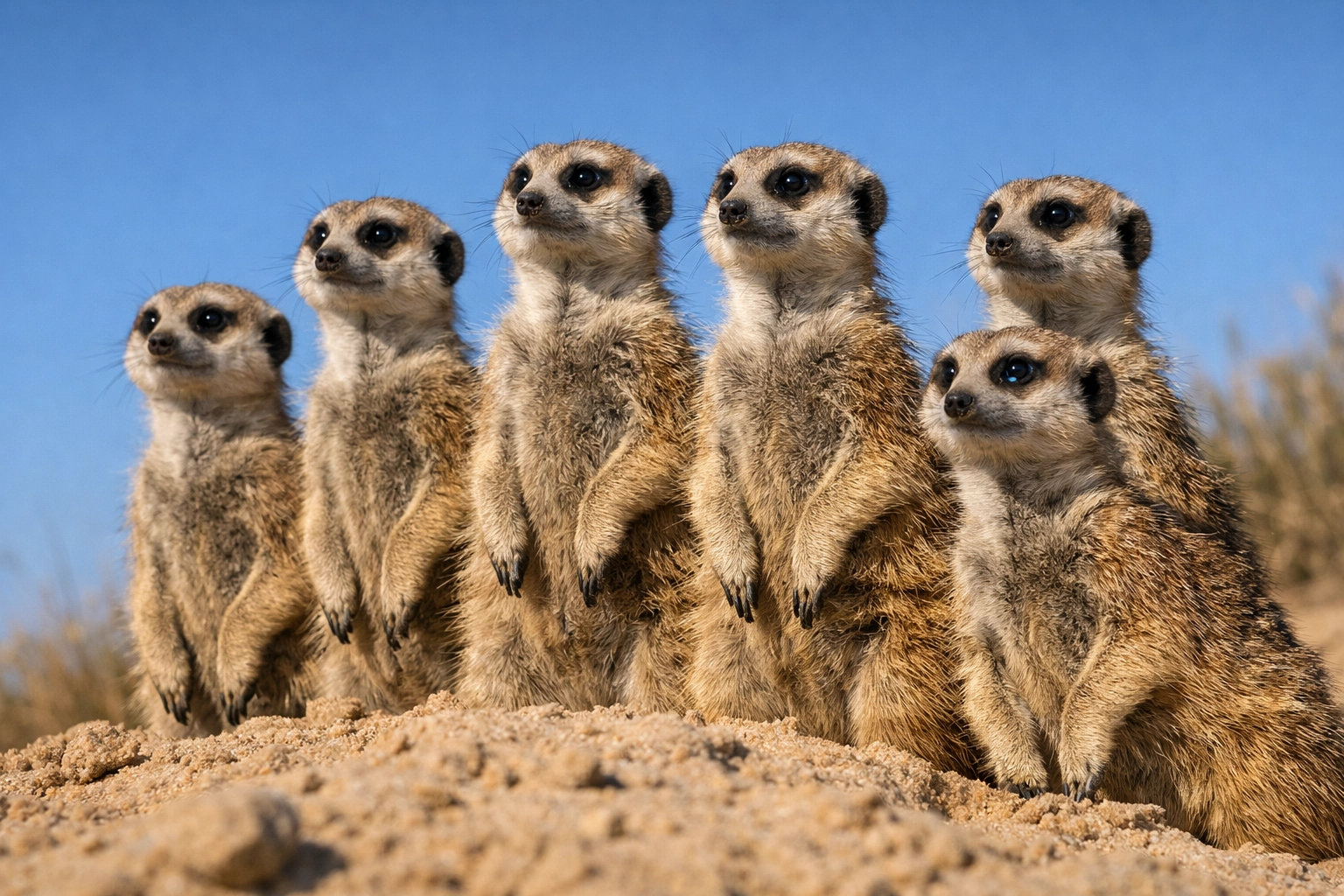
Get down to eye level.
Why Height Matters
Human beings view the world from about five to six feet up. When we photograph animals from this height, we look down on them. This creates a psychological barrier. It emphasizes the "otherness" of the creature.
By dropping your physical position, you enter their world. You aren't just an observer. You are a peer.
The Psychological Connection
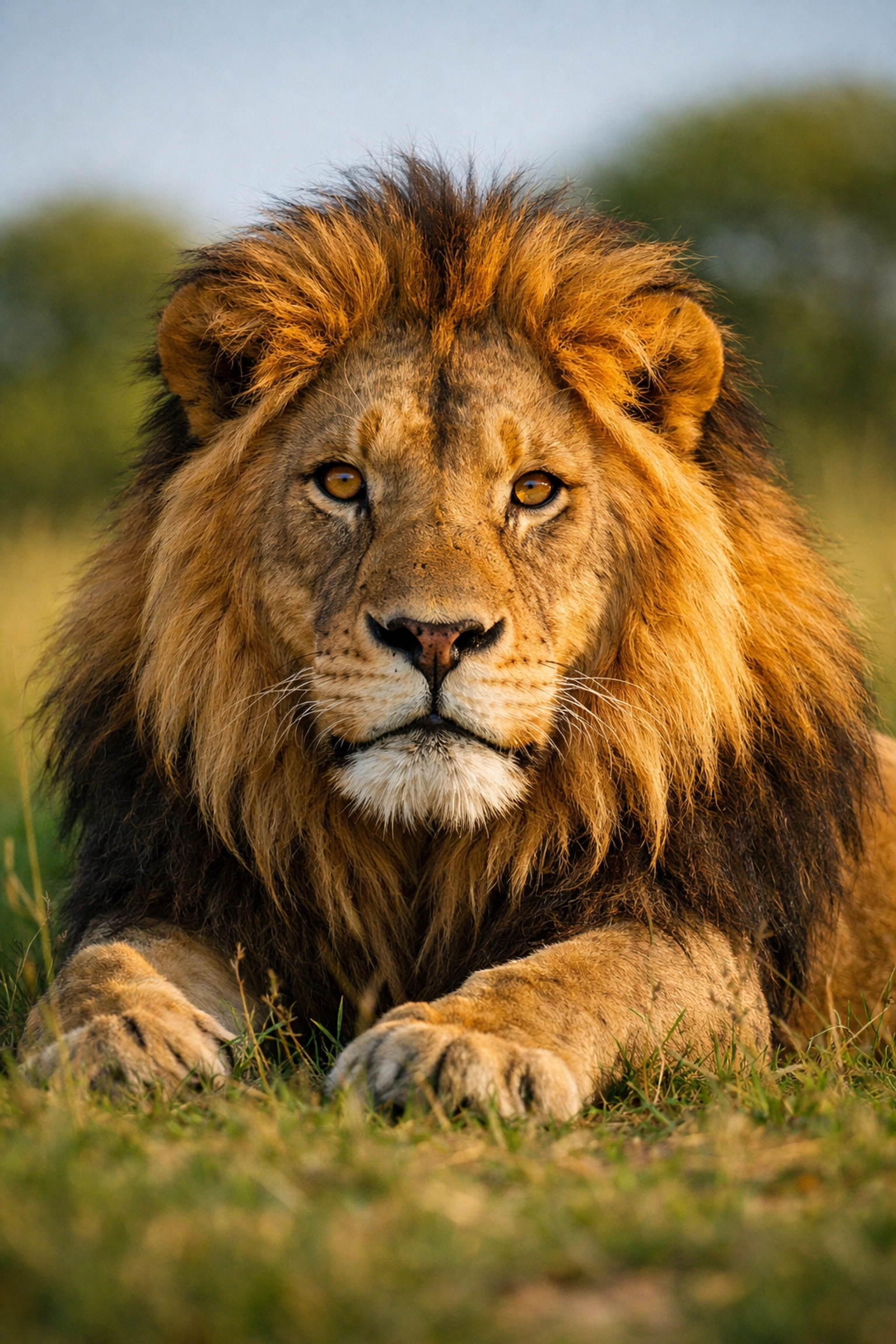
When a viewer sees an animal looking directly into the lens at the same horizontal plane, engagement spikes.
- It creates intimacy.
- It fosters a sense of presence.
- It makes the animal feel active, even when still.
At Zoo Imagery, we focus on digital media that moves people. A photo taken at eye level stops the scroll. It forces a moment of eye contact between a human and a wild animal.

The Technical Edge of the Low Angle
Beyond the emotional pull, getting low solves technical problems.
1. Background Isolation
When you shoot down, the background is the ground. Usually, that is dirt, concrete, or matted straw. It is flat. When you shoot at eye level, the background is the distance. You get depth. You get "bokeh": that soft, blurry background that makes the subject pop.
2. Fence Management
Zoo enclosures often use mesh or chain-link fences. If you are standing back and shooting down, the fence is visible. If you get low and close to the barrier, the lens can often "see through" the mesh, making the enclosure disappear.
3. Removing Distractions
Shooting at eye level helps crop out man-made structures. You can hide the feeding troughs. You can hide the concrete walls. You can make a zoo enclosure look like a wild habitat.
Practical Implementation
Execution is simple but requires effort.
- Squat or Kneel: Don’t be afraid to get your knees dirty.
- Use the Screen: If your camera or phone has a flip-out screen, use it. Hold the camera low while you stand comfortably.
- Find the Slope: Use the natural terrain of the zoo. If an animal is on a hill, stand at the bottom of that hill.
"Presented by" Animal Pages
At Zoo Imagery, we manage animal stock photography that powers "Presented by" pages. Companies want to be associated with specific species. They want their brand next to a majestic Snow Leopard or a playful Otter.
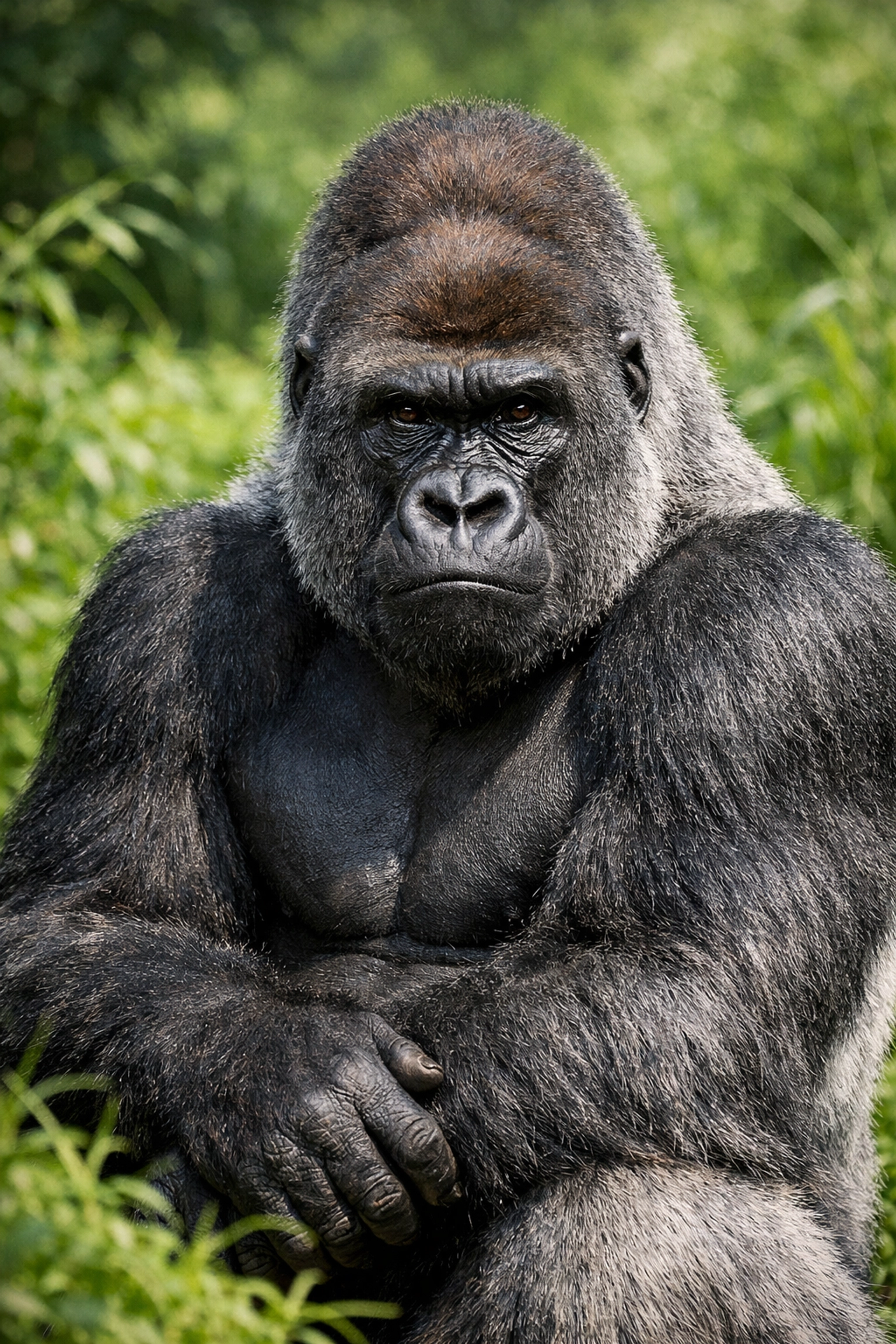
A sponsor does not want a photo of an animal’s back. They want a face. They want personality.
When we curate content for Zoo Imagery, eye-level shots are always our first choice. They represent the species with dignity. They make the "Presented by" banner feel like a partnership with the animal, not just a label on a cage.
Sponsored Species Spotlights
Engagement is the currency of digital media. For a Sponsored Species Spotlight to be successful, the imagery must be high-impact.
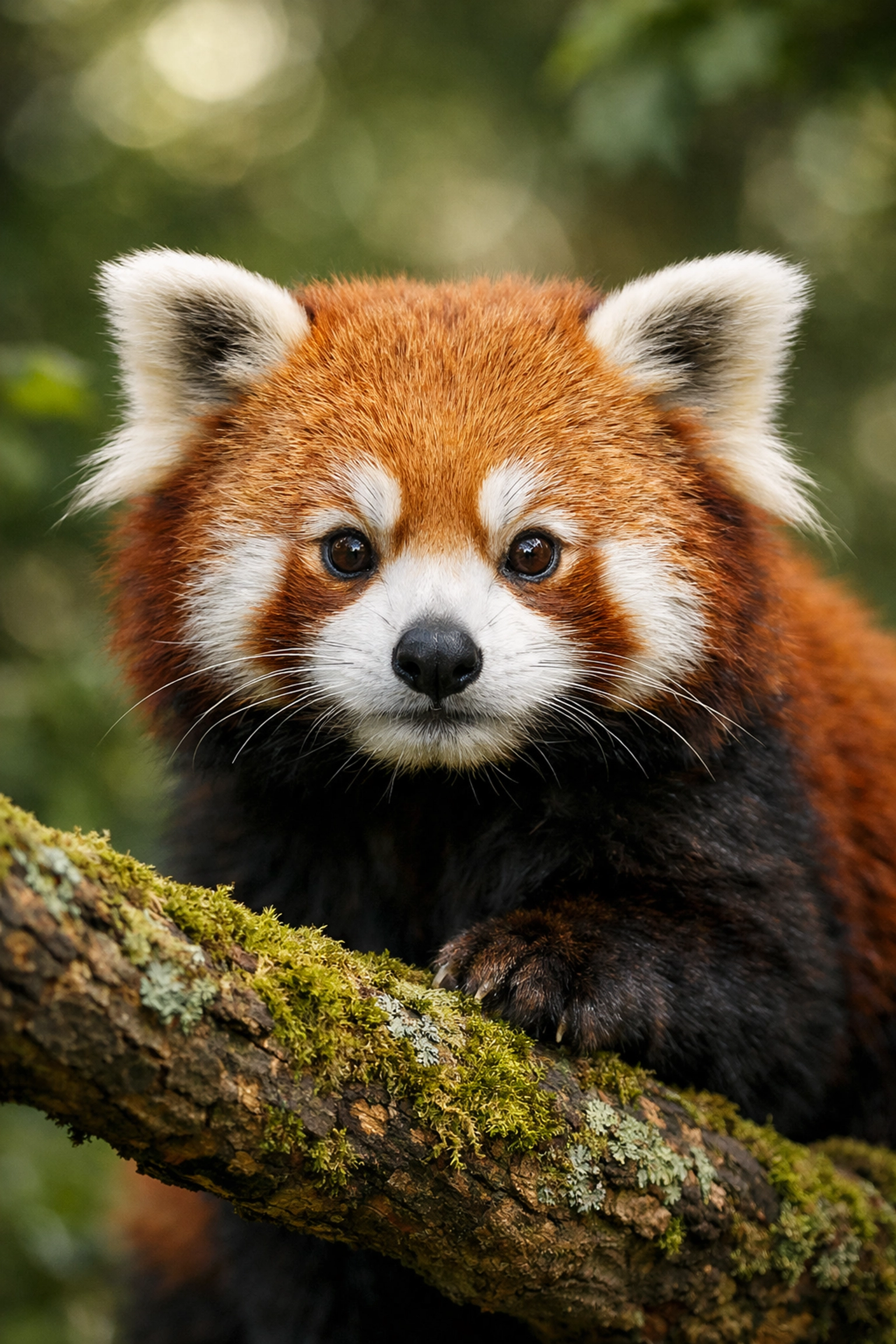
Consider a Red Panda spotlight.
- High angle: A small orange ball in a tree.
- Eye level: A curious face, wet nose, and bright eyes looking right at the donor.
The latter drives clicks. It drives donations. It drives shares on LinkedIn.
Quality Over Quantity
The internet is full of mediocre photos. Most people post ten photos of the same animal from the same standing position.
One great eye-level shot is worth fifty "standing" shots.
In our stock library, we prioritize the "rare" angle. We look for the shot that took patience. The shot where the photographer waited for the animal to move into the right light and then dropped to the ground to catch the gaze.
This approach aligns with modern digital needs. Whether it is for social media, an annual report, or a digital billboard, the gaze is what sells the story.
Conservation Storytelling
Conservation is about empathy. It is hard to feel empathy for a subject you are looking down upon.
Eye-level photography levels the playing field. It tells a story of a living being with its own perspective. This is vital for ESG-aligned campaigns. When a corporation sponsors a species, they are investing in a life. The imagery should reflect that life's importance.
Seven Ways This Improves Business Presence
Using high-quality, eye-level imagery isn't just a creative choice. It is a business strategy.
- Higher CTR: Click-through rates on ads increase with eye contact.
- Brand Trust: Professional imagery suggests a professional organization.
- Emotional Resonance: People remember how a photo made them feel.
- Platform Versatility: These shots work better on mobile screens.
- Reduced Noise: Cleaner backgrounds mean easier text overlay for marketing.
- Sponsor Satisfaction: Partners want to see "their" animal looking its best.
- Educational Value: Seeing an animal's features clearly aids in learning.
For more on how visual quality affects your bottom line, check out seven ways business can improve your business.
Building Your Digital Library
Zoo Imagery provides the assets zoos need to stay relevant. We understand the balance between simple photography and complex marketing needs.
We provide:
- High-resolution stock.
- Managed "Presented by" animal content.
- Species-specific marketing assets.
Our goal is simple. We want to make your zoo look as incredible as the animals living inside it.
Final Thoughts
The next time you are out in the field or reviewing content for your website, look at the horizon line.
Is the camera looking down? Or is it looking across?
The difference is engagement. The difference is a connection that leads to a donation, a ticket sale, or a long-term sponsorship.
Stop standing. Start kneeling.
Improve your engagement right now.
Let’s Work Together
Zoo Imagery helps zoos and aquariums turn their animal collections into powerful digital assets. From sponsored spotlights to full stock libraries, we handle the media so you can focus on the animals.
Visit us at zooimagery.com to see our work.
Connect with Dan Kost and the team on LinkedIn for daily updates on animal media and marketing.
Zoo Imagery
Simple. Direct. Professional.
Presented by Dan Kost, CEO.


