
The Quick-Start Guide to Picture Marketing for Zoos: Do This First
Your zoo already has the best marketing content in the world. It's walking, swimming, and sleeping in your exhibits right now.
Most zoos struggle with picture marketing because they overcomplicate it. They hire expensive photographers for one-time shoots. They create elaborate campaigns that fizzle out. They forget the simplest truth: people visit zoos to see animals, and they want to share what they see.
Start simple. Focus on three things that work.
First: Turn Your Visitors Into Content Creators
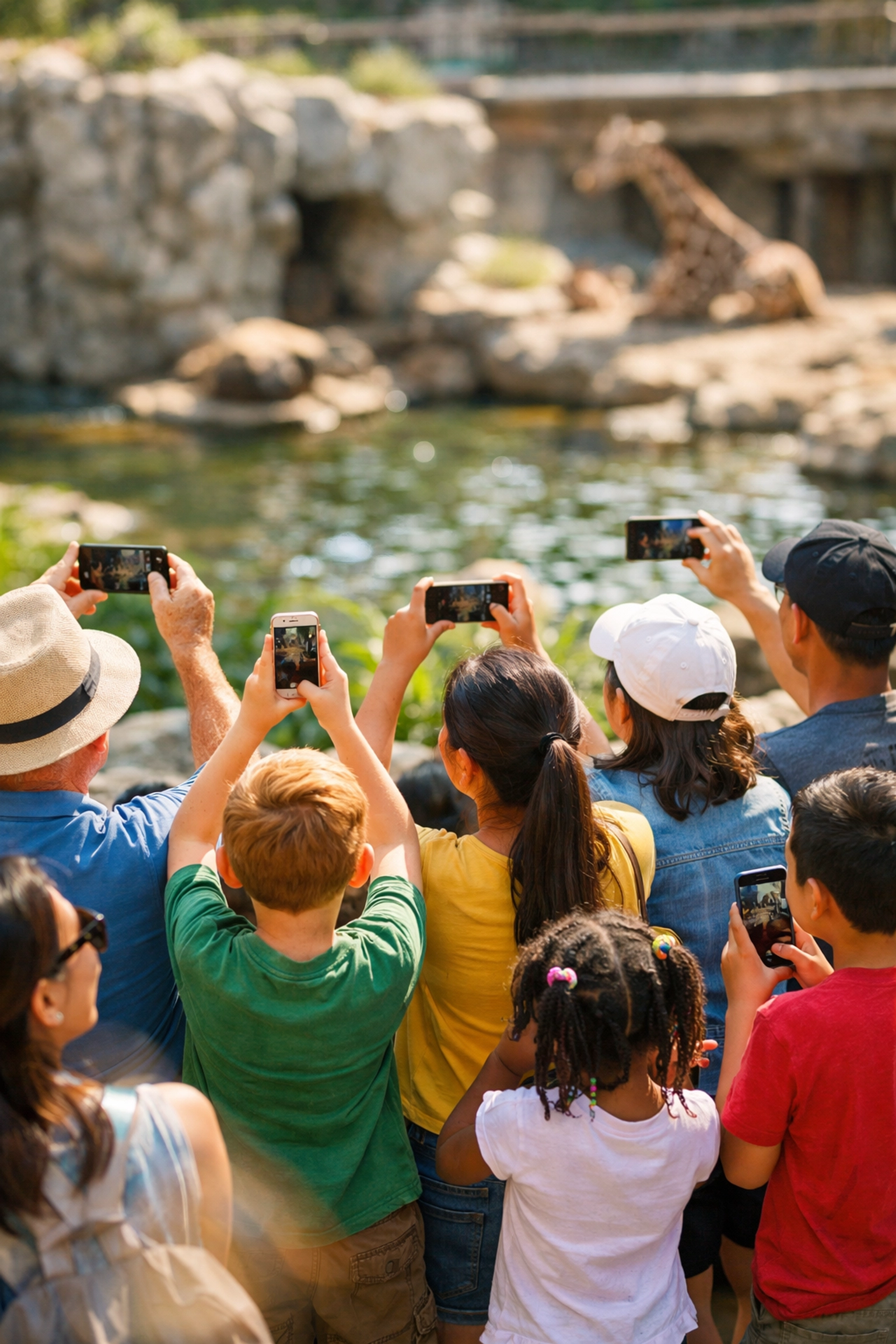
Your visitors are already taking hundreds of photos every single day. They're posting them to Instagram, Facebook, and TikTok. They're tagging friends and sharing moments.
You just need to make it easy to connect that content back to you.
Create a branded hashtag. Keep it simple. Something like #YourZooName or #AnimalsAt[YourZoo]. Post signage near your exit. Add it to your maps. Put it on your website.
Place photo-worthy spots throughout your zoo. Not elaborate Instagram walls. Just clean backgrounds near popular exhibits. Simple frames. Good lighting. Places where visitors naturally want to stop and capture a moment.
When visitors post with your hashtag, you get authentic content. Real moments. Genuine reactions. The kind of marketing that actually resonates.
Second: Build Your Stock Library
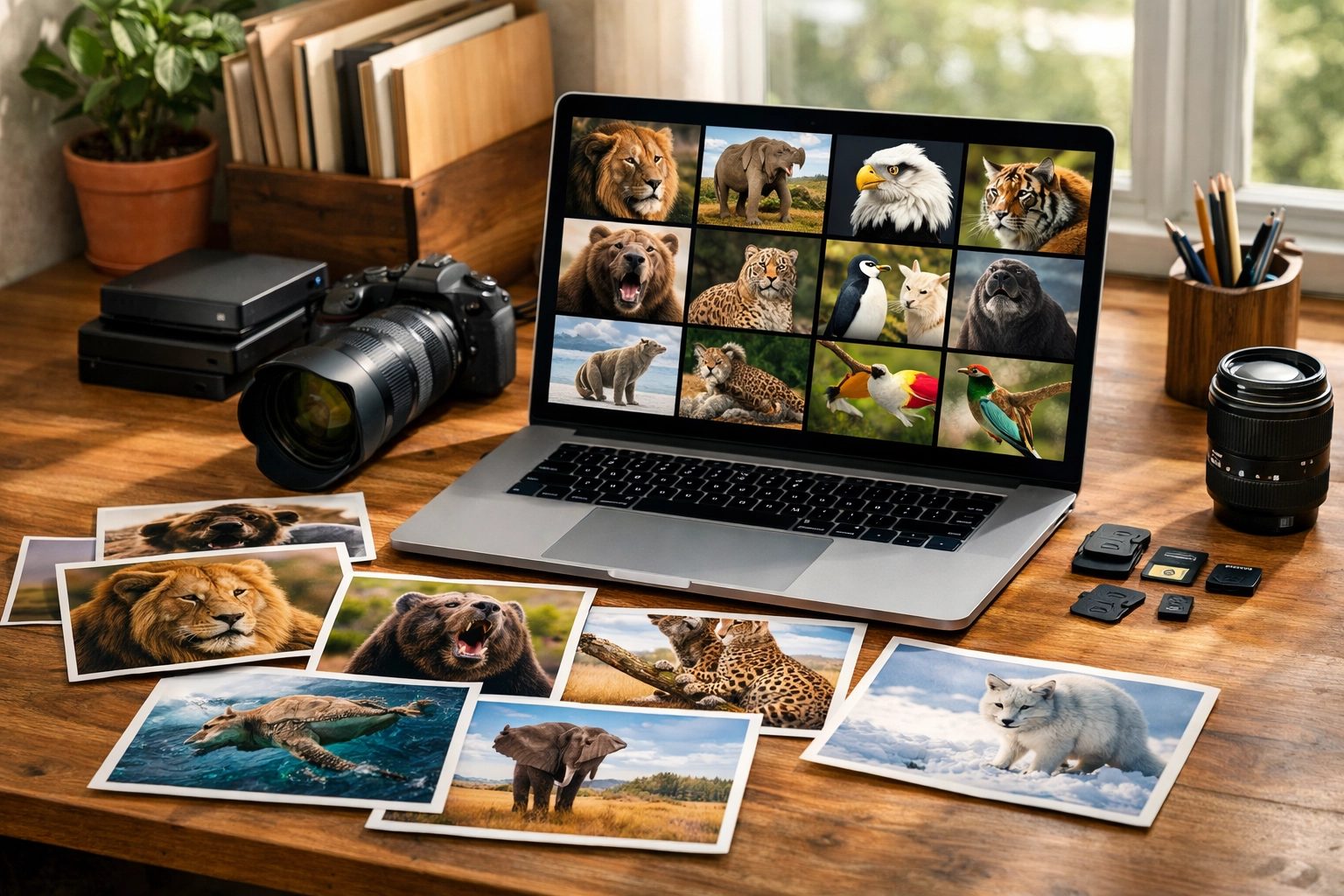
Here's what most zoos miss: every good photo you take or collect becomes a reusable asset.
That picture of your elephant herd? It can market your summer programs in June, your conservation initiatives in September, and your membership drive in December.
Professional animal stock photography solves a recurring problem. You need fresh content constantly. Social media algorithms favor regular posting. Email campaigns need visuals. Your website needs updates.
Start organizing your best shots now. Create folders by species. Tag by season. Note which animals photograph well and when.
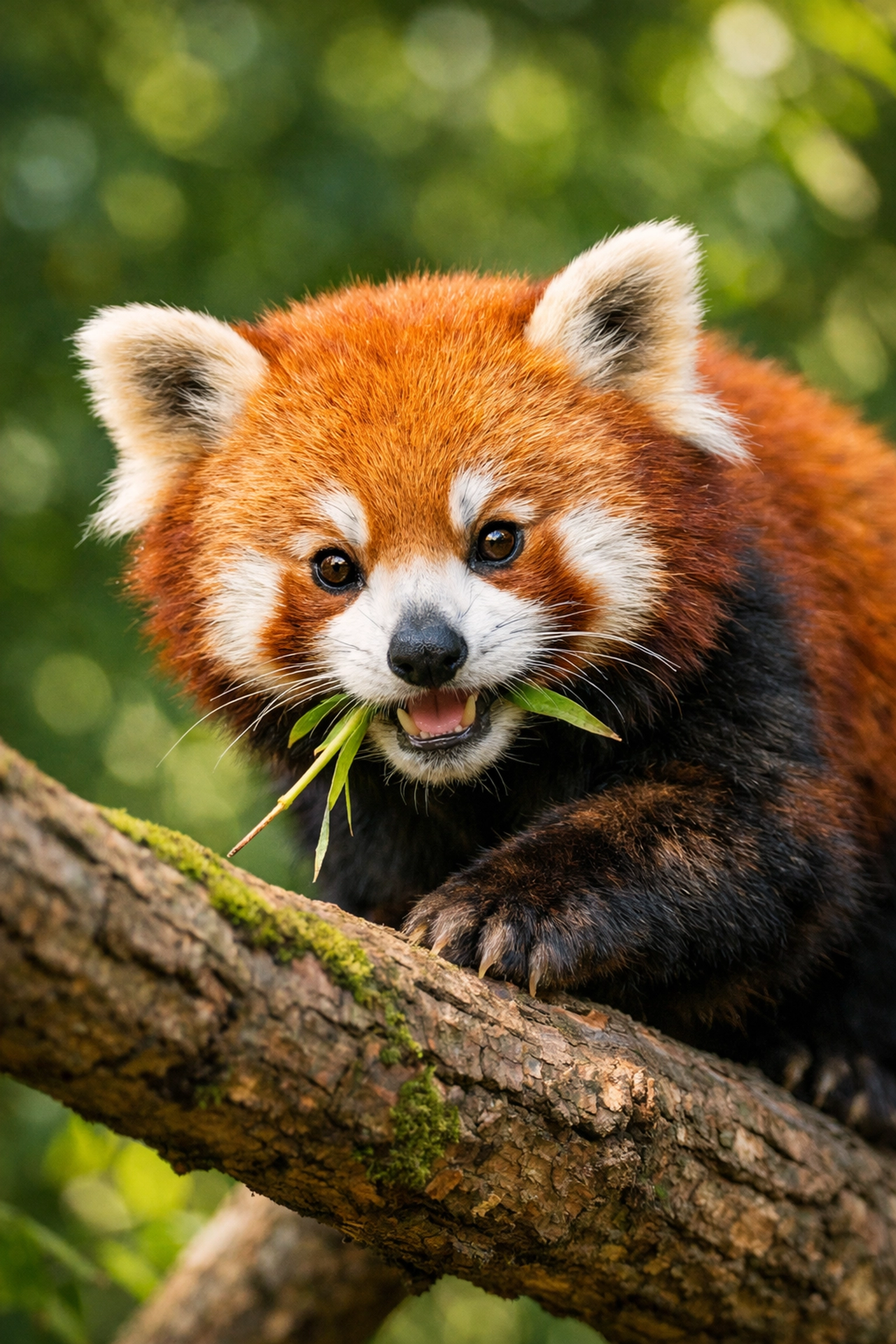
Quality matters more than quantity. Ten excellent photos of your red pandas beat a hundred mediocre shots. Focus on clear images. Good lighting. Natural behavior. Expressions that connect.
Third: Launch "Presented By" Animal Pages
This is where picture marketing becomes sustainable.
A "Presented By" page is simple. Pick one species. Create a dedicated webpage featuring professional photos, quick facts, conservation status, and a sponsor credit.
Local businesses love sponsoring specific animals. It's tangible. Their customers can visit "their" animal. They can share photos. They can bring clients to the zoo and show off the partnership.
The marketing writes itself. Your sponsor shares the page. You share the page. Visitors share photos from that exhibit. Everyone wins.
Start with your most popular animals. The ones with the best photos. The species that draw crowds.
Each sponsored page needs:
- Professional photography showing the animal in different poses
- Basic facts that make people care
- Conservation context without being preachy
- Clear sponsor recognition
- Easy social sharing
You can launch your first "Presented By" page this week. Pick the animal. Gather your best photos. Write three paragraphs. Add your sponsor's logo. Done.
Fourth: Create a Content Calendar
Picture marketing fails when it's random.
Build a simple system. Monday features one species. Wednesday shares behind-the-scenes content. Friday highlights visitor photos. Sunday spotlights conservation work.
Use the same photos multiple ways. That tiger portrait? It works for:
- A "meet our tigers" social post
- An email about endangered species
- A blog post about big cat conservation
- A "Presented By" sponsor page
- Your membership brochure
Stock photography gives you flexibility. You can plan content weeks ahead. You can maintain consistency. You can respond to trends while staying on brand.
The key is having enough quality images to pull from. Professional shots you can use confidently. Photos that represent your animals well.
Fifth: Leverage Species Spotlights
Monthly species spotlights create momentum.
Pick one animal each month. Feature it everywhere. Social media. Email campaigns. Website banners. Visitor guides.
Share multiple photos showing different behaviors. Eating. Playing. Sleeping. Interacting with enrichment. The goal is making people feel connected to this specific animal.
Include the keeper's perspective. Short quotes about personality. Favorite foods. Quirky habits. The details that make this creature memorable.
These spotlights work because they're focused. Instead of promoting everything at once, you create a concentrated story. People remember. They share. They come to see "that animal you posted about."
Sixth: Make Behind-the-Scenes Content Routine
People love seeing what happens when the zoo closes.
Morning feeding routines. Health checks. Enrichment preparation. Keeper training sessions. These moments are inherently visual and naturally interesting.
You don't need expensive video equipment. Phone cameras work fine. What matters is authenticity. Real moments. Actual work.
Behind-the-scenes content serves multiple purposes. It shows the expertise of your staff. It demonstrates your commitment to animal welfare. It creates transparency. It gives people reasons to follow your channels and stay engaged.
Capture these moments regularly. Build a library. Use them strategically throughout the year.
What Happens Next
Picture marketing for zoos isn't complicated. It's consistent.
You need good photos. You need simple systems. You need ways to make your content work harder.
Professional stock photography gives you the foundation. "Presented By" pages create sponsorship revenue. Species spotlights maintain engagement. Behind-the-scenes content builds trust.
Start with what works. Add complexity later.
Your first step: audit what you already have. Look through last year's photos. Identify your best shots. Organize them. Figure out what's missing.
Your second step: create one "Presented By" page this month. Use your best existing photos. Reach out to one potential sponsor. Test the model.
Your third step: build a basic content calendar for the next 30 days. Commit to consistent posting. Use what you have.
The zoos that succeed with picture marketing don't do everything. They do a few things well. Repeatedly.
Ready to upgrade your zoo's picture marketing? Visit Zoo Imagery for professional animal stock photography and "Presented By" page solutions. We help zoos turn great photos into sustainable marketing systems.


