
The Proven Framework for Sustainable Zoo Marketing
Zoo marketing is no longer just about selling tickets for a weekend outing.
It is about influence. It is about shifting public perception. It is about moving a visitor from a casual observer to a lifelong advocate for wildlife.
To do this effectively, you need a framework. Not a corporate manual full of empty phrases, but a practical map.
At Zoo Imagery, we see how the right visuals combined with the right strategy change the game. Here is the framework for sustainable zoo marketing.
1. The Evidence-Based Foundation
Marketing in the modern era requires more than gut feelings. It requires a behavioral approach.
The most successful zoos today utilize the Transtheoretical Model (TTM). This model focuses on the stages of change. People do not decide to support a conservation project overnight. They move through steps.
Your marketing must meet them where they are.
Stage One: Pre-contemplation (The Hook)
The audience is unaware of the issue. They just want to see a polar bear.
- Goal: Build a connection.
- Method: Use high-impact, professional imagery.
- Content: Focus on the beauty and personality of the animal.
Stage Two: Contemplation (The Story)
The audience starts thinking about the challenges the species faces.
- Goal: Educate without preaching.
- Method: Shared stories about individual animals in your care.
- Content: Simple facts about habitat loss or conservation efforts.
Stage Three: Preparation (The Plan)
The audience wants to help but does not know how.
- Goal: Provide low-friction options.
- Method: Clear instructions on the website.
- Content: "Three things you can do today."
Stage Four: Action (The Move)
The audience takes the step. They buy a ticket, donate, or sign a petition.
- Goal: Affirm the decision.
- Method: Real-time updates on where their support goes.
- Content: Transparent reporting on conservation milestones.
Stage Five: Maintenance (The Habit)
The audience becomes a member or a recurring donor.
- Goal: Long-term loyalty.
- Method: Exclusive visual updates and behind-the-scenes access.

2. High-Impact Visuals
Visuals are the bridge between a visitor and an animal.
Most zoo marketing fails because the imagery is generic. It looks like a snapshot from a phone. To create a sustainable marketing engine, you need professional-grade media that captures the soul of the wildlife.
High-quality stock photography allows you to tell stories even when your resident animals are off-display or resting.
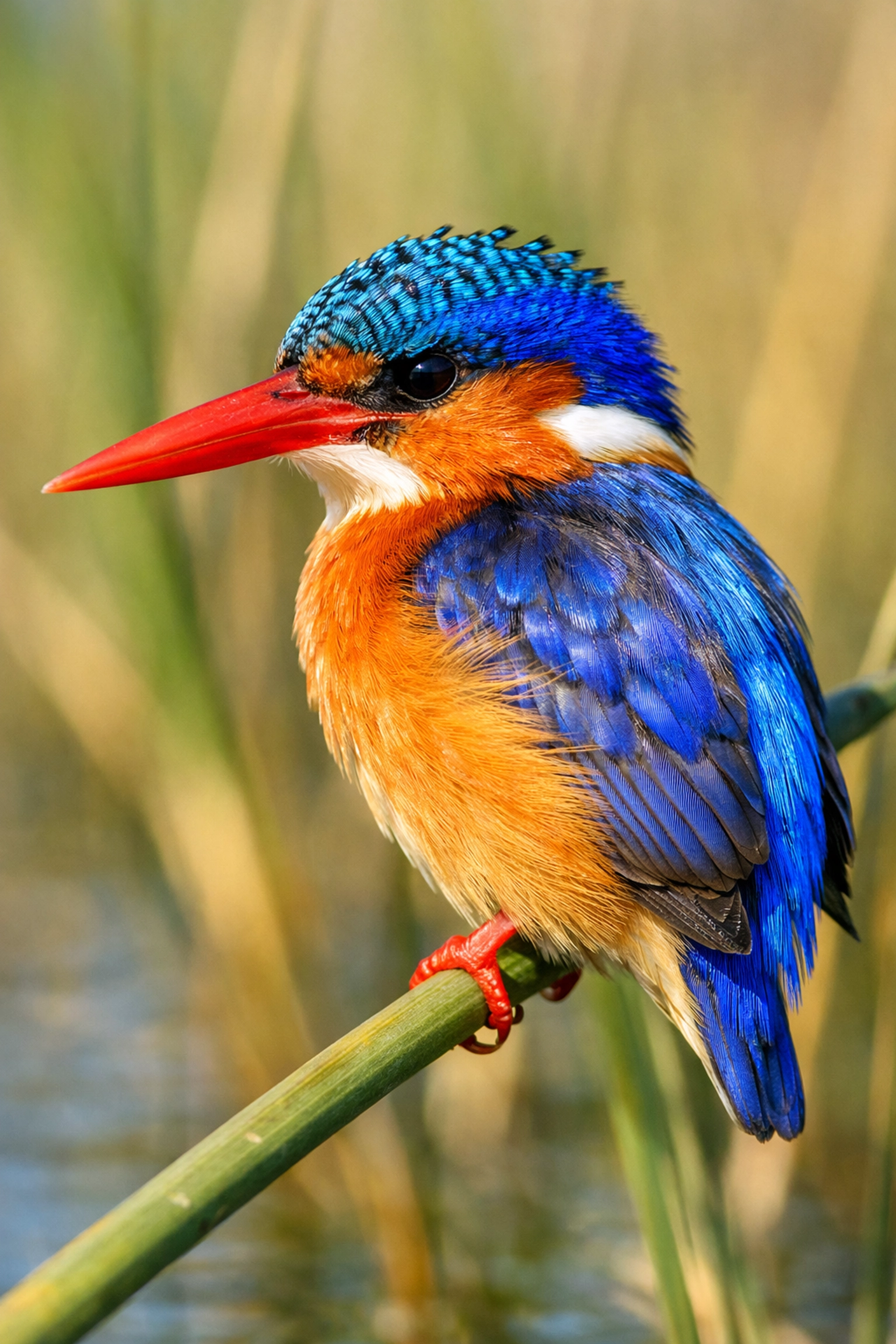
When you feature birds in your campaigns, the imagery must capture the intricate details of their plumage. If you are highlighting hyenas, you need photos that move past common misconceptions and show their social complexity.
Quality imagery builds trust. It shows that your organization values the animals as much as the mission.
3. Responsibility Over Buzzwords
The term "ESG" is often used in boardrooms. In zoo marketing, we should speak plainly.
Your audience cares about:
- Clean water.
- Safe habitats.
- Healthy animals.
- Local community impact.
Sustainable marketing means aligning your campaigns with these core values without using marketing jargon.
Focus on Native Species
While pandas and elephants are major draws, sustainable marketing also highlights local wildlife. This connects the zoo to the visitor’s own backyard. It makes conservation feel achievable.
Practical Environmentalism
Show your audience how you reduce waste in your park. Show the solar panels on the reptile house. These are visual proofs of your commitment. They are more powerful than a mission statement.
4. The "Presented By" Model
Sustainable marketing also means financial sustainability.
One of the most effective trends we are seeing is the "Presented By" animal page. This allows corporate partners or individual donors to sponsor specific species pages on your website.
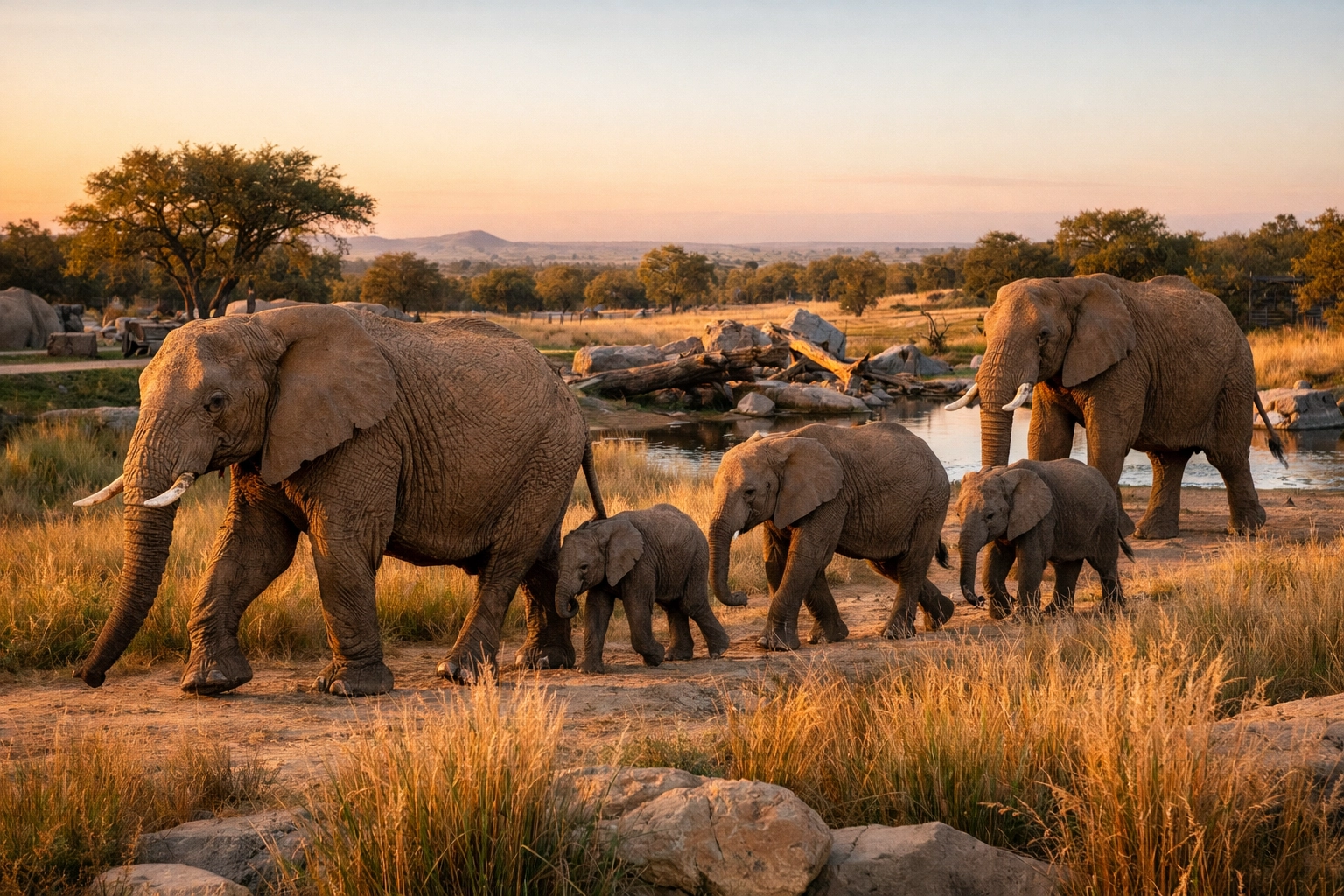
Imagine a local nature organization sponsoring your elephant page.
- The zoo gets funding for habitat maintenance.
- The sponsor gets visibility.
- The visitor gets a high-quality educational experience.
This model moves away from intrusive banner ads. It integrates the sponsorship into the educational journey. It is clean. It is simple.
5. Community Feedback Integration
A framework is only as good as the data behind it.
The best marketing programs involve a feedback loop. They ask the community what they care about.
- Do they prefer stories about individual rescues?
- Are they more likely to support global or local initiatives?
- What visual styles resonate most on their social feeds?
Use this data to refine your image selection. If your audience responds strongly to the power and size of elephants, your next campaign should focus on that scale. If they are fascinated by the misunderstood nature of hyenas, give them more depth on that topic.
6. Wildlife Trends for 2026
We are seeing a shift in how people consume wildlife media.
Authenticity is king.
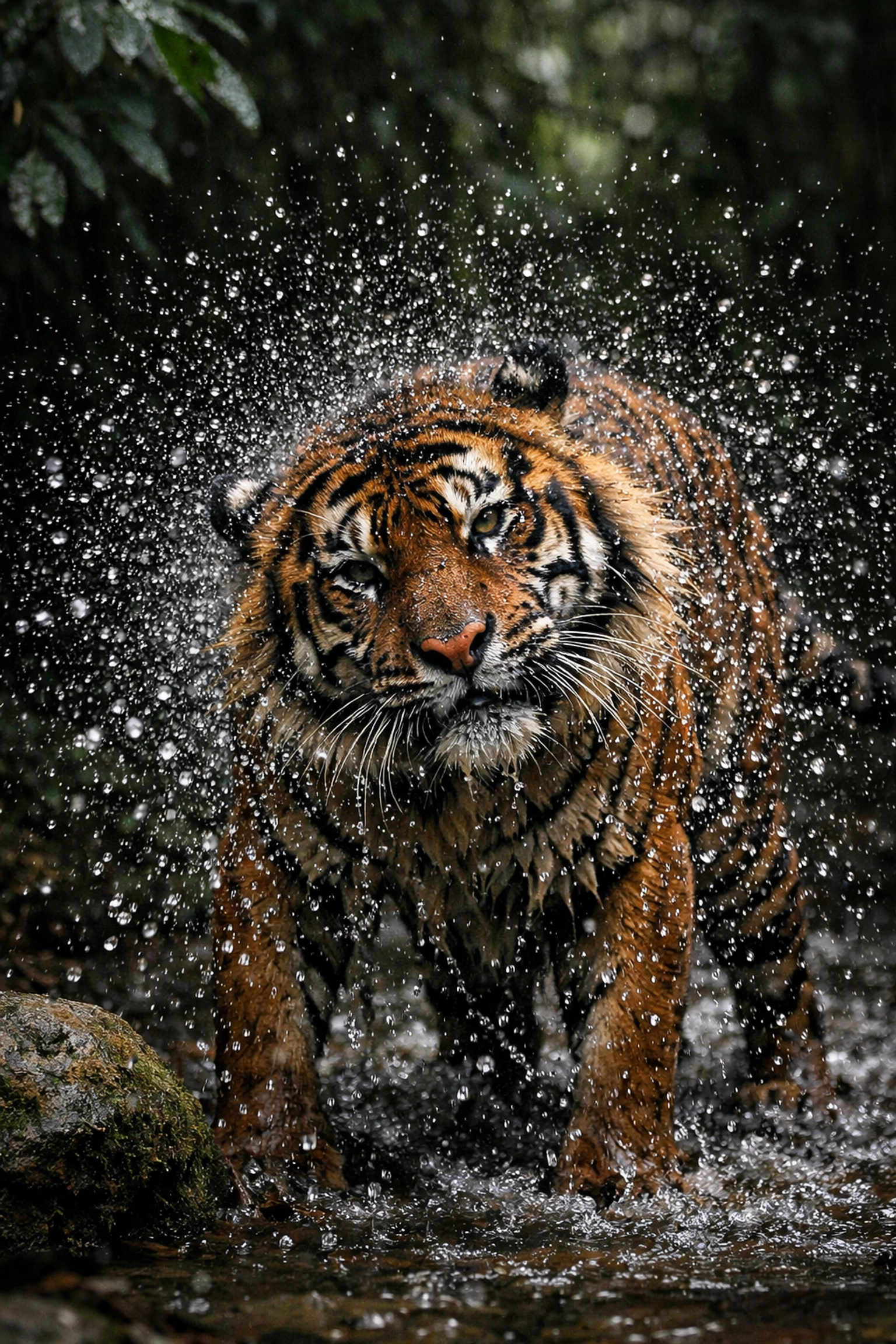
People are tired of overly polished, artificial-looking content. They want to see the real moments. The mud. The rain. The raw power of nature.
Micro-storytelling.
Long documentaries are great, but for daily marketing, people want 15-second insights. A single photo of a bird in flight, accompanied by one sentence about its migration, can be more effective than a five-page newsletter.
Transparency.
Be honest about the challenges. If a conservation project is difficult, say so. People trust organizations that share the struggle, not just the success.
7. Implementation Steps
How do you apply this framework today?
- Audit your current visuals. Are they professional? Do they tell a story? If not, look at the Zoo Imagery library.
- Map your content to the TTM stages. Identify which posts are for awareness and which are for action.
- Strip the jargon. Review your website copy. If a ten-year-old wouldn't understand it, rewrite it.
- Identify sponsorship opportunities. Look at your top-performing animal pages. These are your prime real estate for "Presented By" partnerships.
- Listen. Set up a simple system to track which images and stories get the most engagement.
Simple is Better
The goal is not to be the loudest voice in the room. The goal is to be the most trusted.
By using a proven framework: behavioral stages, high-quality visuals, and plain language: you build a marketing strategy that lasts. You stop chasing trends and start building a movement.
Marketing for zoos and aquariums is a unique challenge. You are selling an experience, an education, and a future for wildlife.
At Zoo Imagery, we provide the tools to make those stories look as good as they feel. We help you bridge the gap between a digital screen and a deep connection with the natural world.
Connect with us to see how we can support your mission.
Learn more at zooimagery.com.
Follow our insights on LinkedIn.


