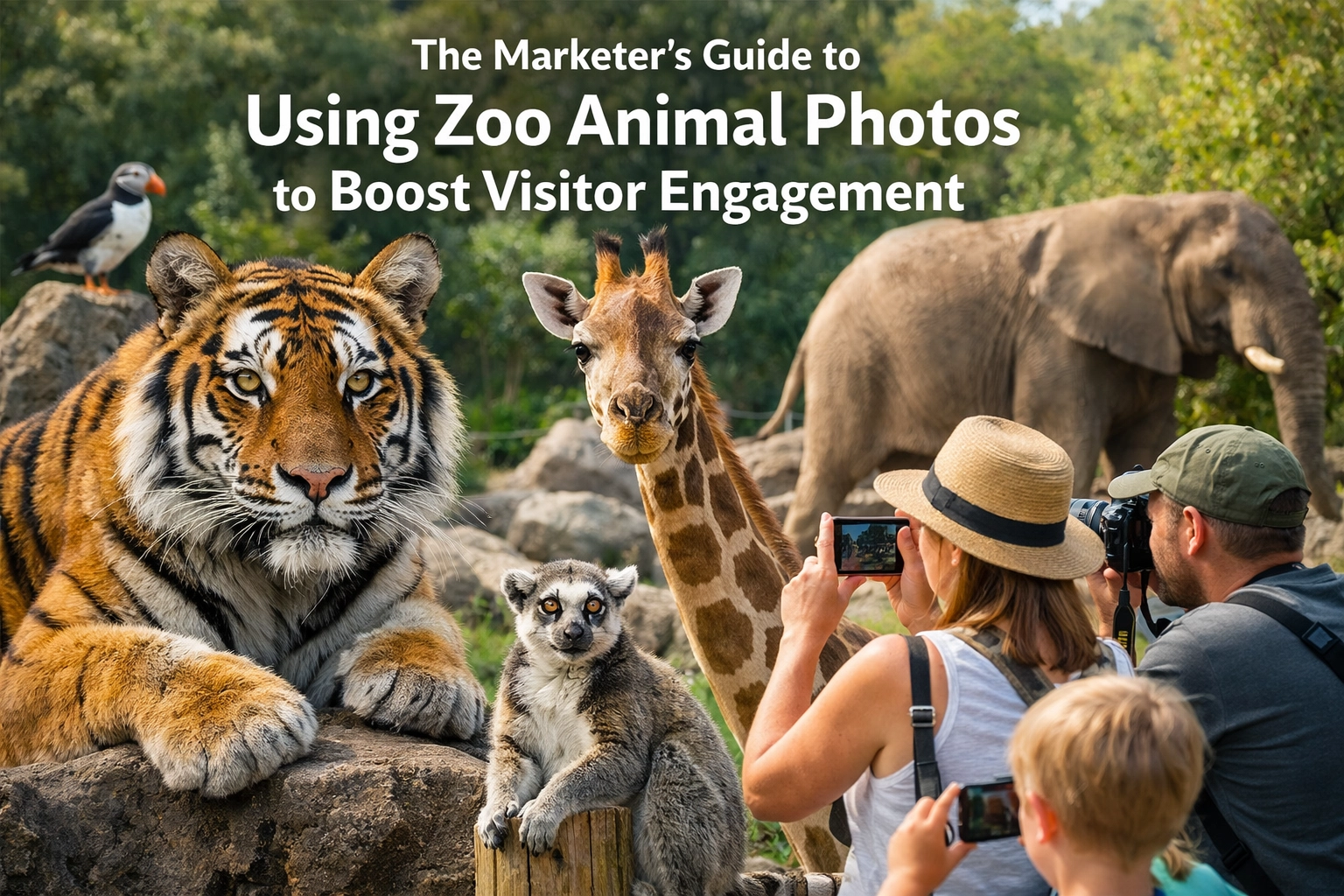
The Marketer’s Guide to Using Zoo Animal Photos to Boost Visitor Engagement
Visuals matter. In the digital space, they are the first point of contact between a zoo and a potential visitor. High-quality animal photography does more than look nice. It stops the scroll. It builds emotional bridges. It drives ticket sales.
Marketing a zoo requires a balance of education, conservation, and entertainment. Using the right imagery makes this balance easier to achieve. Professional stock photography provides a level of quality and consistency that amateur shots cannot match.
At Zoo Imagery, we provide the tools to make your marketing effective. Simple. Direct. Impactful.
The Impact of High-Resolution Imagery
Quality reflects brand value. Low-resolution or poorly lit photos suggest a lack of care. Professional photography conveys authority. It shows your subjects: the animals: with the respect they deserve.
When visitors see a crisp, clear portrait of a snow leopard or a sharp action shot of a raptor, they feel a connection. This connection is the precursor to engagement.
- First impressions. Most visitors decide to visit based on your social media or website.
- Trust. Clear visuals suggest a well-managed facility.
- Retention. Engaging photos keep users on your site longer.
Professional Stock vs. Everyday Snapshots
User-generated content (UGC) is valuable for authenticity. However, professional stock photography serves as the backbone of your brand. It provides the "hero" images for your homepage, billboards, and annual reports.
Zoo Imagery offers a curated library of species. These photos are captured by experts who understand animal behavior. This means better angles, better lighting, and better storytelling.

The "Presented by" Strategy
Sponsorship is a major revenue driver for modern zoos. "Presented by" animal pages allow corporate partners to align with specific animals or habitats.
This strategy requires top-tier visuals. A sponsor doesn't want their logo next to a blurry photo. They want to be associated with excellence.
How it works:
- Select a high-traffic animal page on your website.
- Place the sponsor’s logo prominently.
- Use a stunning professional photo from Zoo Imagery.
- Link the sponsorship to conservation goals.
This creates a clean, professional look that satisfies corporate partners and engages the public. Visit our Advertising page to see how these integrations look in practice.
Sponsored Species Spotlights
A species spotlight is a deep dive into one specific animal. It is more than a photo; it is a story. These spotlights are perfect for social media campaigns or email newsletters.
Sponsors love species spotlights. It gives them a "face" for their ESG (Environmental, Social, and Governance) initiatives.
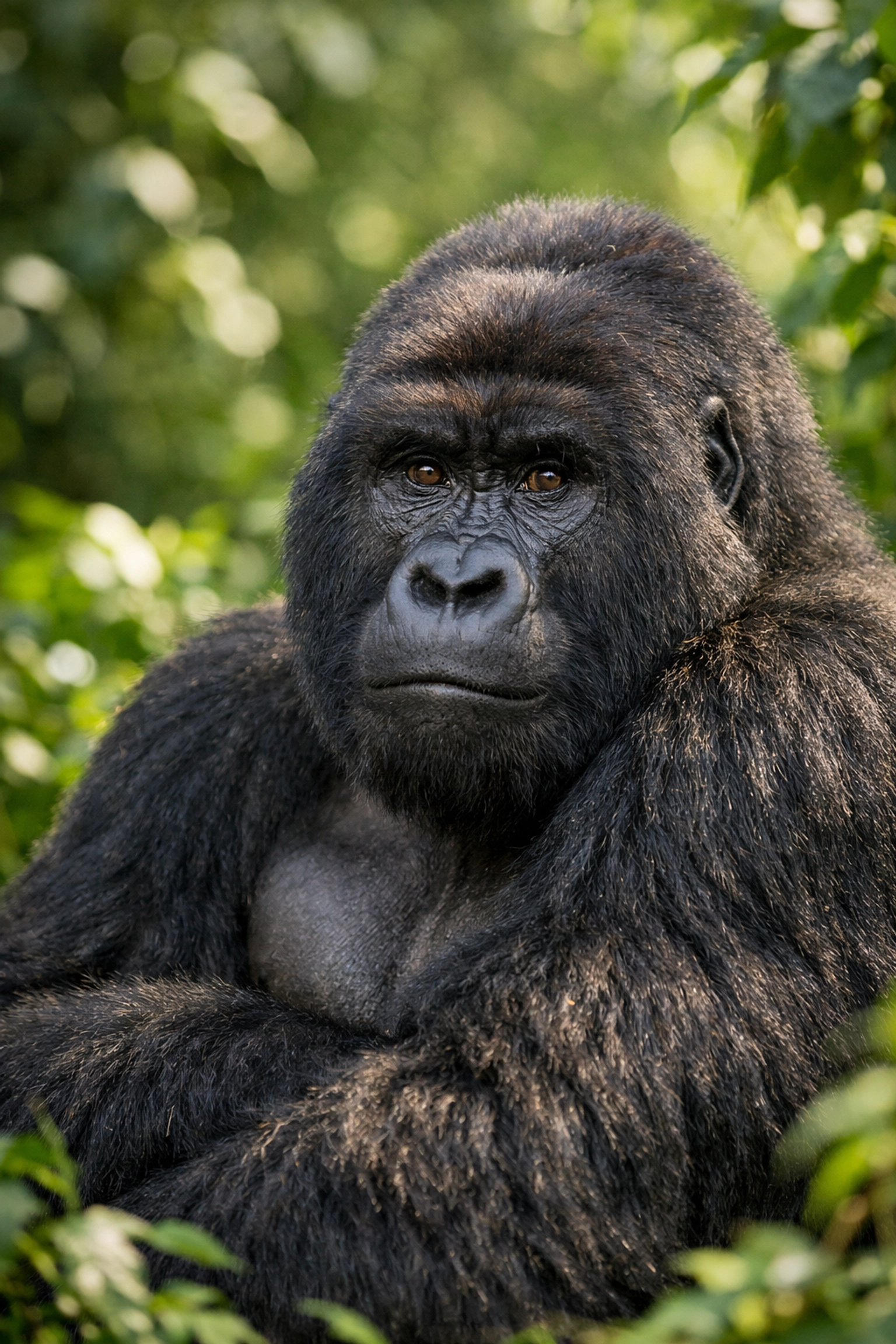
What to include in a spotlight:
- The Portrait. A close-up shot showing detail and personality.
- The Habitat. A wide shot showing the environment.
- The Stats. Simple facts about diet, range, and status in the wild.
- The Partner. A brief mention of the organization supporting the species.
Keep the language simple. Focus on the animal. Let the photography do the heavy lifting.
Social Media Engagement
Different platforms require different types of visual content. Animal photography is highly versatile.
Instagram
Focus on the "wow" factor. High-saturation, high-detail portraits work best here. Use Instagram Stories to show "a day in the life" using sequential photos.
LinkedIn
Focus on the business of conservation. Use imagery that highlights partnerships, habitat construction, and professional milestones. Professional photography is essential here to maintain a corporate-friendly tone. Follow our LinkedIn profile for examples of how to position zoo content for a professional audience.
Facebook
Focus on community and family. Action shots of animals interacting or mothers with their young drive high shares and comments.
Boosting Educational Content
Education is a core mission for any zoo. Complex biological or conservation data can be hard to digest. Good photography simplifies it.
Use photos to illustrate:
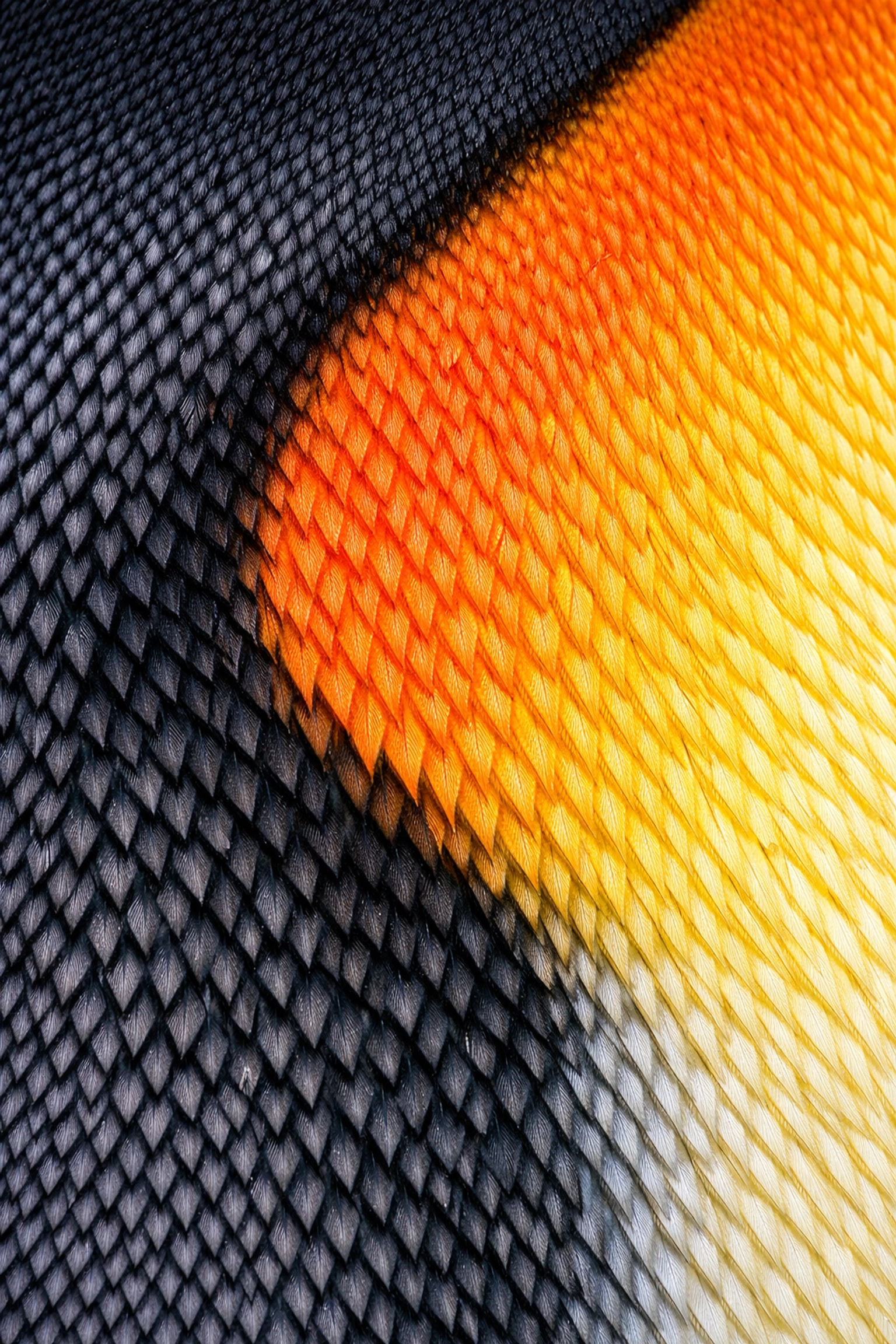
- Anatomy. Close-ups of paws, feathers, or scales.
- Behavior. Capturing a hunt, a social interaction, or a nap.
- Conservation. Showing the actual species being protected in the wild.
When you pair a simple fact with a powerful image, the information sticks.
User-Generated Content Integration
UGC and professional photography should coexist. Encourage visitors to share their photos, but use professional stock as the "anchor."
- Photo Contests. Use a professional photo to announce the contest. It sets the bar for what you are looking for.
- Branded Hashtags. Create a hashtag and feature the best visitor photos alongside your professional gallery.
- Interactive Displays. Use professional imagery on signage that encourages visitors to take their own "matching" shots.
This creates a loop of engagement. The professional photo inspires the visitor, and the visitor’s photo brings in their social circle.
Strategic Content Themes
Organization is key to a successful marketing calendar. Use photography to highlight seasonal events.
- Spring. Focus on new births and baby animals.
- Summer. Highlight cooling activities and water habitats.
- Autumn. Use the natural light and changing colors to showcase outdoor species.
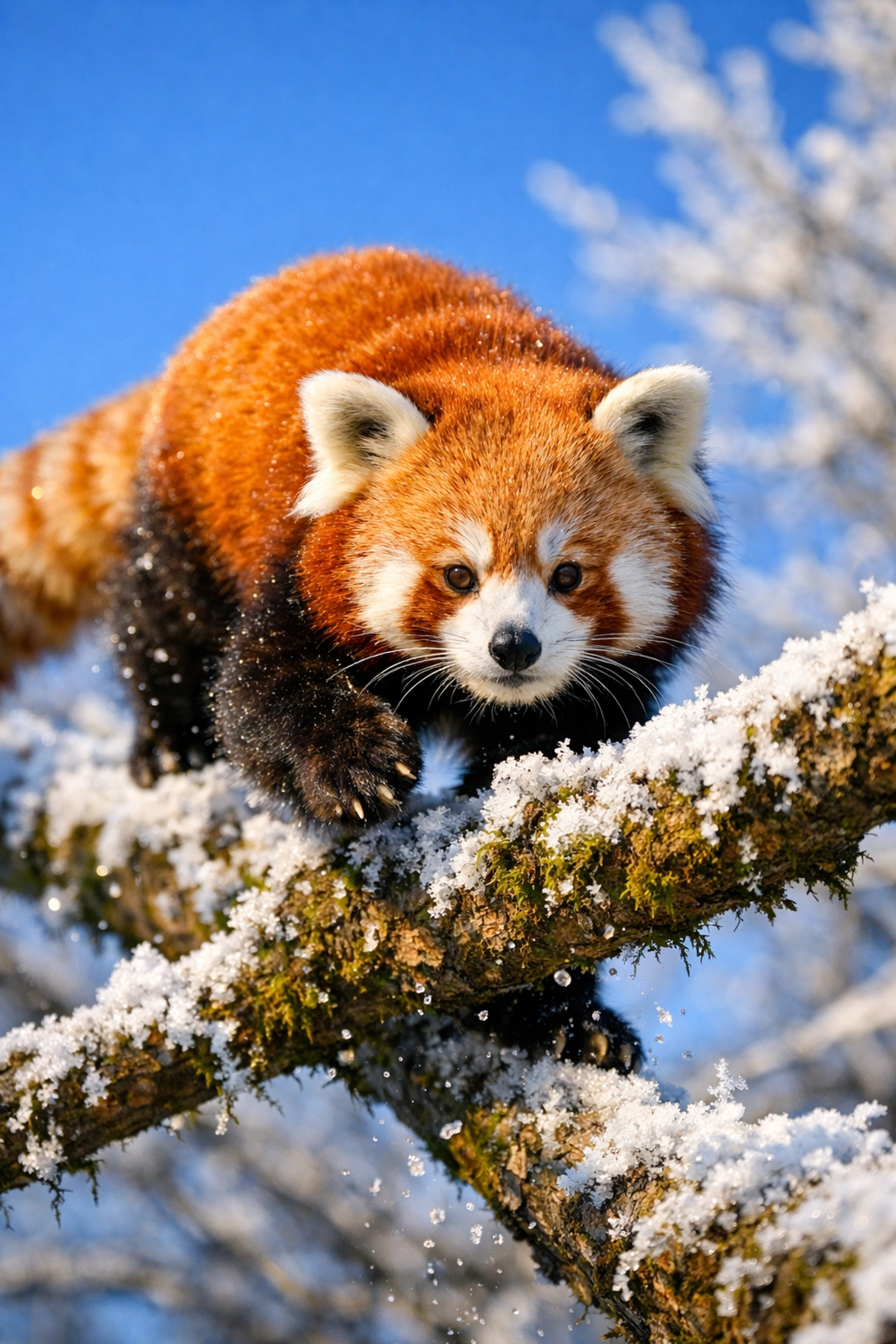
- Winter. Focus on cold-hardy animals like tigers or penguins.
Consistency across these themes builds a reliable brand voice. Visitors know what to expect. They know your zoo is active year-round.
Why Choose Zoo Imagery?
We understand the specific needs of the digital media and stock photography market. Our library is built for marketers who need high-quality assets without the hassle of organizing a full-scale photoshoot.
Benefits of our library:
- Variety. Multiple angles and behaviors for each species.
- Legal Safety. All images are properly licensed for marketing use.
- Accessibility. Easy to search and download.
- Focus. We specialize in zoo animals. We know the subject better than general stock sites.
Our goal is to help you tell the story of your animals. We keep it simple. We focus on the quality of the shot.
Practical Tips for Marketers
- Avoid Clutter. Don't overlay too much text on a beautiful animal photo. Let the image breathe.
- Consistency is Key. Use similar editing styles across your campaign to create a cohesive look.
- Focus on the Eyes. Photos where the animal is looking toward the camera generally perform better. They create a "spark" of connection.
- Scale. Use wide shots to show the scale of your habitats and close-ups to show the detail of the animals.
- Call to Action. Always give the reader a next step. Whether it’s "Buy Tickets" or "Learn More," make it clear.
The Value of Conservation Storytelling
Modern visitors care about impact. They want to know their money is going toward something meaningful. Documenting your conservation efforts through photography is the most transparent way to show your work.
Highlight species recovery programs. Show the researchers in the field. Use visual storytelling to turn a "zoo visit" into a "conservation contribution." This shifts the narrative from entertainment to purpose.
Conclusion
Engagement starts with a look. By using professional zoo animal photography, you elevate your brand and create deeper connections with your audience. Whether through "Presented by" pages or social media spotlights, the right image makes the difference.
Explore our full library at zooimagery.com or check out our blog for more marketing insights.
Ready to boost your engagement?
Visit Zoo Imagery today. Simple. Quality. Effective.


