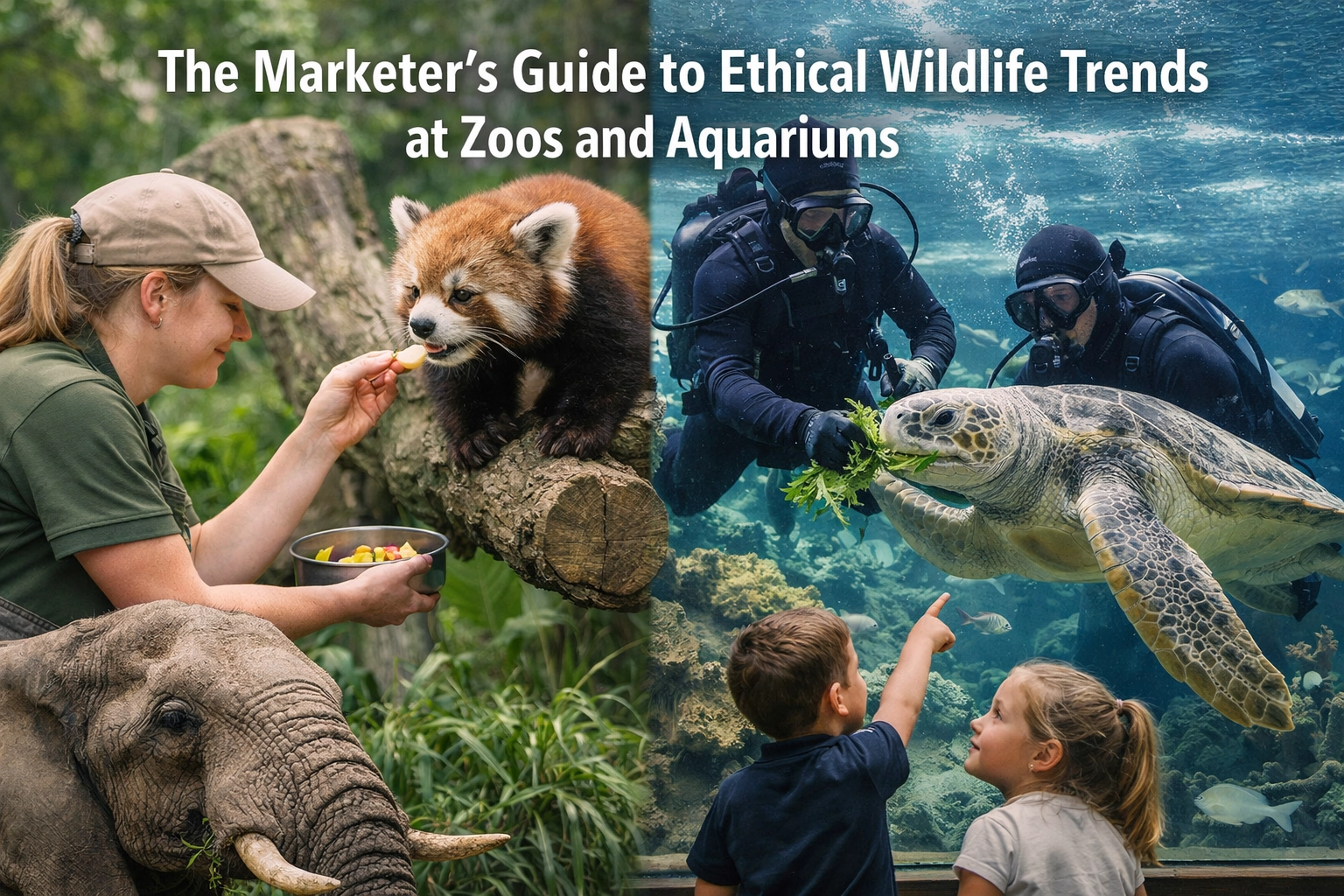
The Marketer’s Guide to Ethical Wildlife Trends at Zoos and Aquariums
Marketing for zoos and aquariums is changing. It is no longer about the spectacle. It is about the mission.
In 2026, visitors want more than a day out. They want to know their money does good. They look for transparency. They look for ethics. They look for a connection to nature that feels real, not staged.
This guide breaks down how to align your marketing with these shifts. We focus on simple actions. No buzzwords. Just results.
The 2026 Landscape: Authenticity Over Entertainment
The numbers are clear. Over 70% of outdoor consumers prioritize companies with environmental commitments. 79% of people worry about animal welfare.
Visitors are smart. They can spot a "greenwashed" campaign from a mile away. They don't want polished corporate lines. They want the truth.
Key shifts in visitor behavior:
- Welfare first. Families ask about animal health before they buy a ticket.
- Non-intrusive experiences. A shift away from "petting zoos" to "observing wildlife."
- Proof of impact. Where does the ticket money go? They want to see the conservation work in the field.
Marketing must reflect these values. If your ads focus on "shows," you might be losing the modern audience. If your ads focus on "restoration," you win.
Building Trust with Transparency
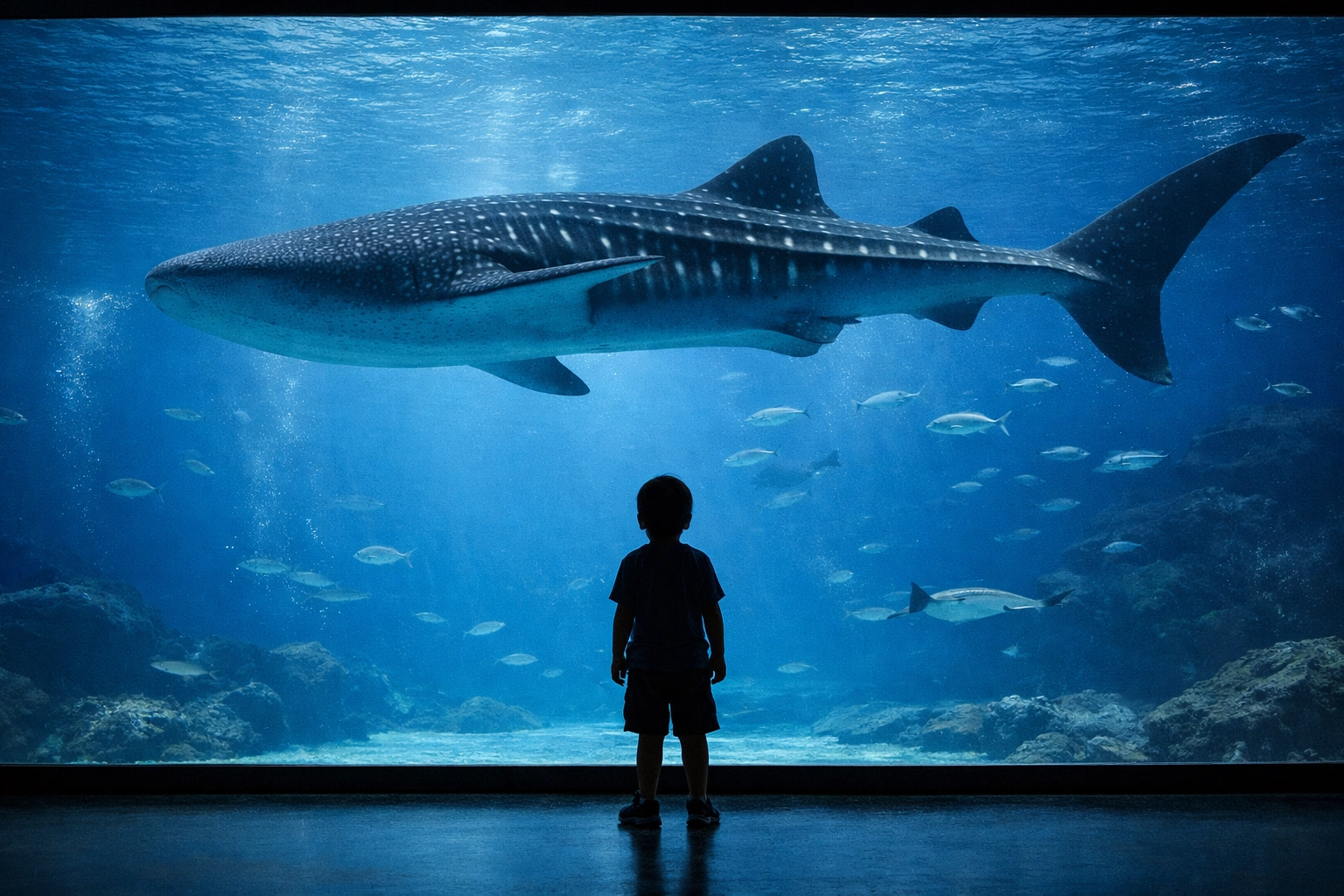
Transparency is the best marketing tool you have. Stop hiding the "behind the scenes" work. Make it the main event.
How to communicate welfare without the fluff:
- Show the diet. Post photos of the fresh, high-quality food animals receive.
- Show the space. Use wide shots. Show the complexity of the habitats.
- Show the enrichment. Explain why a tiger is playing with a box. It’s not just "cute." It’s mental health.
Avoid words like "sustainable" or "eco-friendly" unless you are explaining exactly why. Instead of saying "We are sustainable," say "We recycled 40 tons of plastic last year." Specifics build trust. Generalities create doubt.
The Strategy: "Presented By" Animal Pages
One of the most effective ways to market a zoo is through "Presented by" pages. This connects a local business or a donor directly to a specific animal or habitat.
Why this works:
- Personal connection. It’s not just "The Zoo." It’s "The Rhino Habitat, presented by [Local Partner]."
- Shared values. It shows that the local community supports your mission.
- Consistent content. These pages provide a platform for ongoing updates about that specific animal.
When a partner "presents" an animal, the marketing becomes a story. It’s about the animal’s journey. It’s about the conservation of that species in the wild. It’s a campaign that feels permanent, not seasonal.
Species Spotlights: Conservation Storytelling
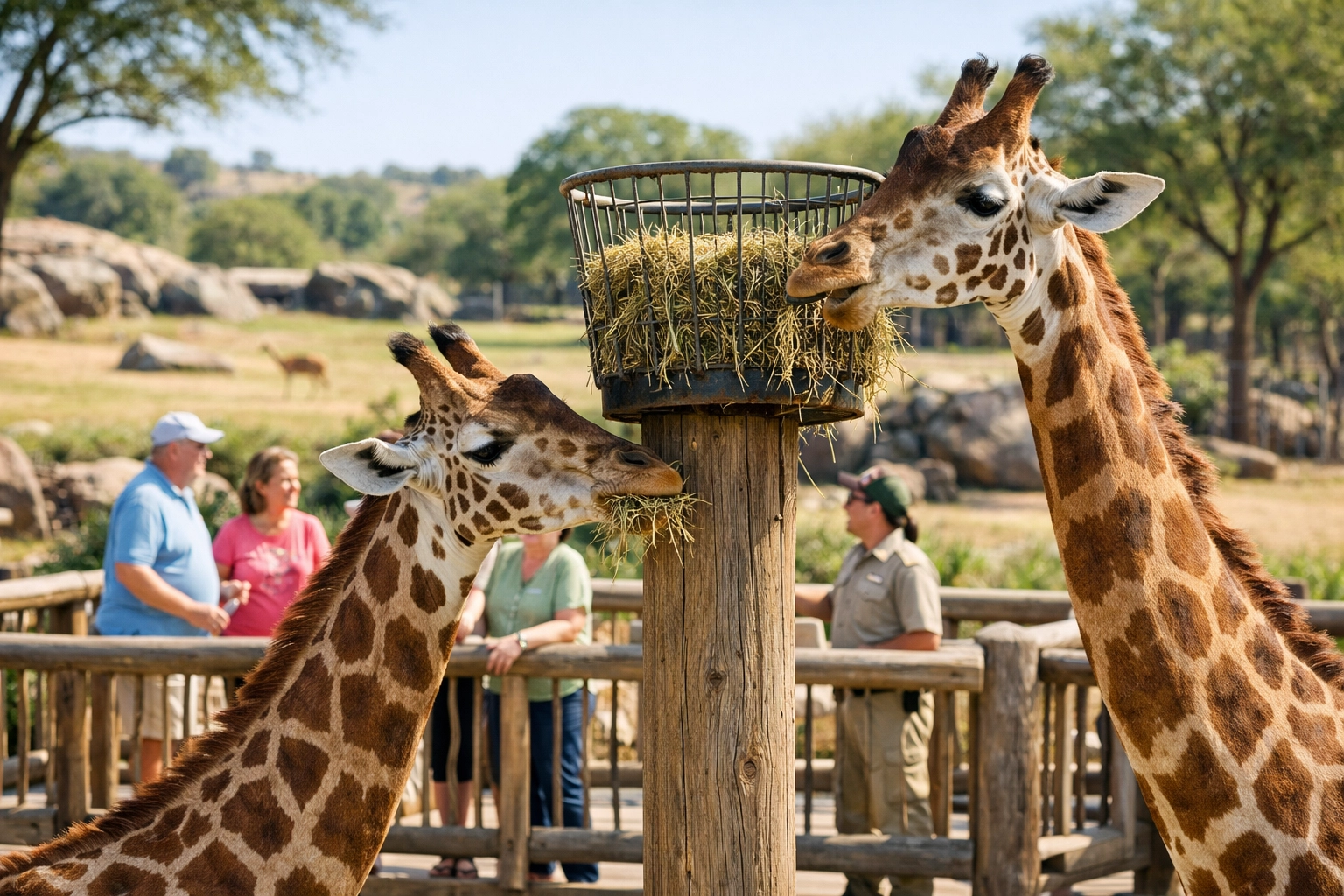
Stop trying to market the whole zoo in one post. Focus on one species at a time. This is the "Species Spotlight."
A spotlight should be more than a photo and a fact. It should be a narrative.
The Spotlight Checklist:
- The Individual. Give the animal a name. Share its personality.
- The Wild Connection. What is happening to this species in the wild?
- The Action. What is the zoo doing right now to help?
- The Invite. How can the visitor help? (e.g., "Visit this Saturday to learn more from our keepers.")
This approach turns a visitor into a supporter. They aren't just looking at a lion. They are learning about the lion’s role in the ecosystem and why your zoo is vital to its survival.
Ethical Visuals: The Zoo Imagery Standard
Visuals are the heartbeat of your marketing. But there is an ethical way to photograph wildlife.
In 2026, "contact" photos are out. Photos of people touching animals or animals performing tricks create the wrong message. They suggest exploitation.
What to look for in ethical photography:
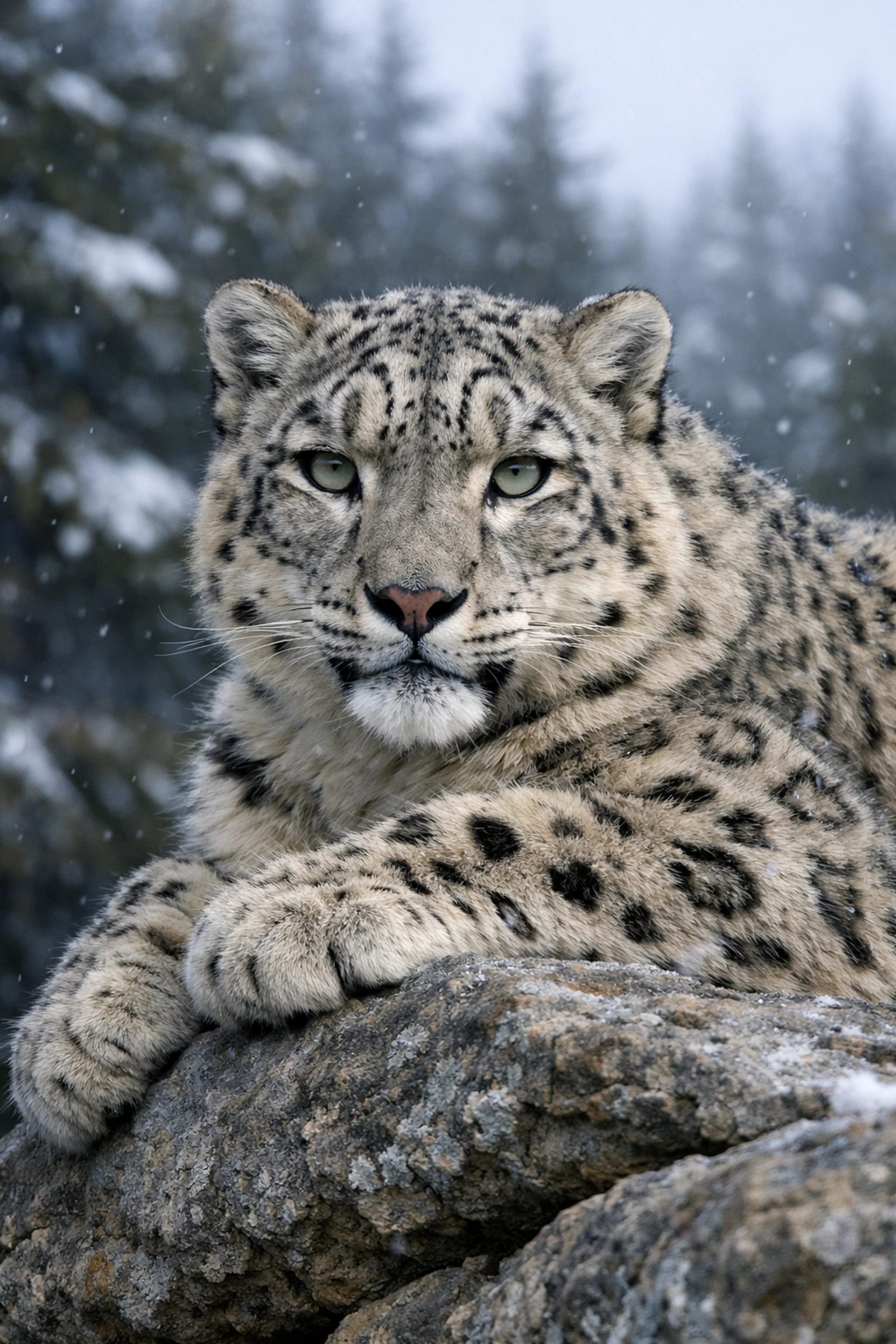
- Distance. Shots that show animals in their natural behaviors without human interference.
- Respect. No flash. No startled eyes. No unnatural poses.
- Context. Images that show the habitat, not just a close-up of a face. This proves the animal has room to move.
High-quality stock photography allows you to tell these stories without needing to disturb your own animals for a photo shoot. It gives you access to wild counterparts that reinforce your conservation message.

Integrating Heritage and Local Knowledge
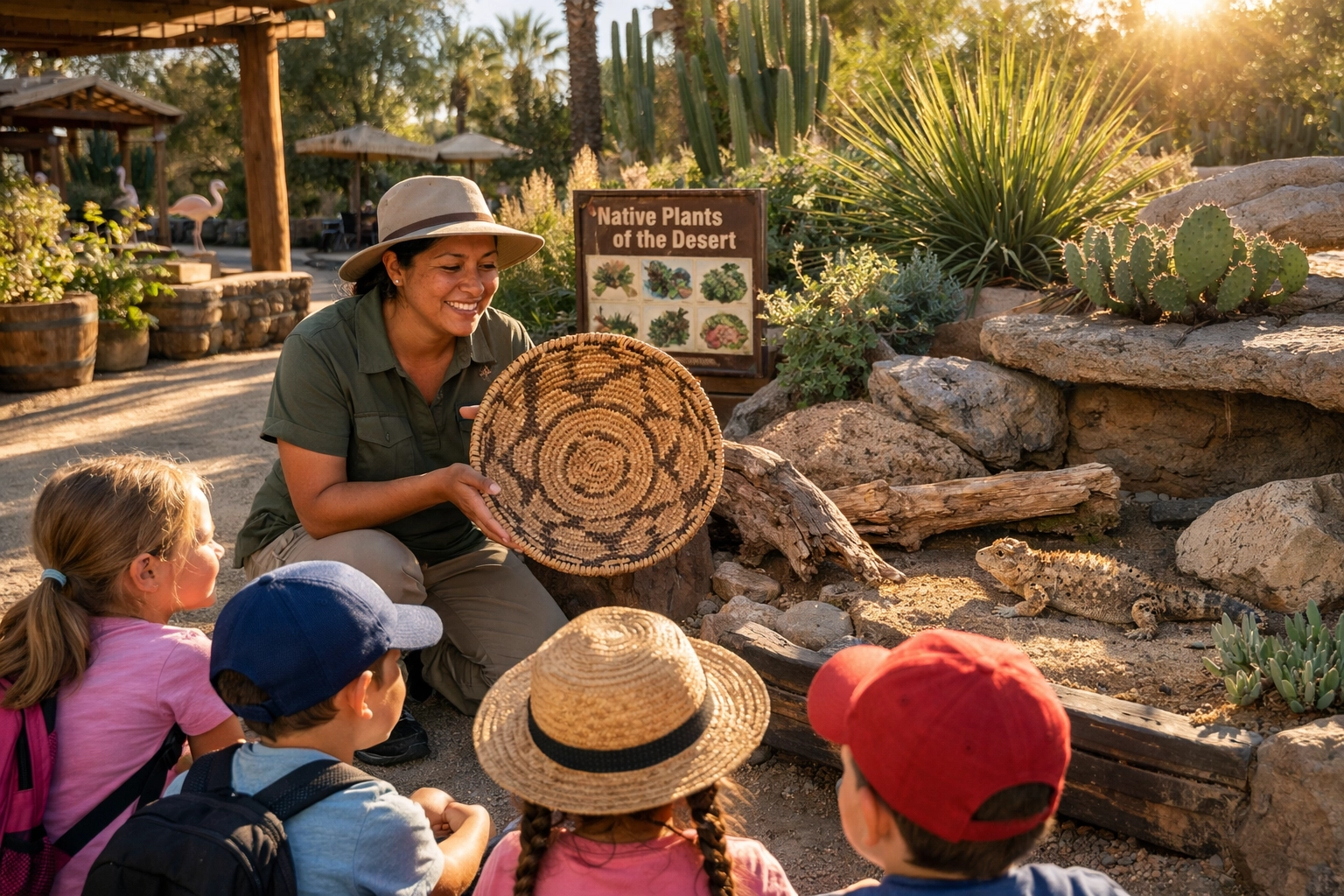
Wildlife doesn't exist in a vacuum. It exists alongside people. Modern marketing should highlight the link between wildlife preservation and local communities.
Ways to integrate heritage:
- Indigenous Knowledge. Share how local or indigenous cultures view and protect the species you house.
- Local Livelihoods. Communicate how your zoo supports local jobs and local conservationists.
- Community Programming. Highlight educational programs that integrate local history with animal science.
This grounds your zoo in its location. It makes it a community hub, not just a tourist attraction.
Marketing Insights: Move From "Show" to "Mission"
For decades, zoos were marketed like theme parks. Fast rides, cotton candy, and animal "shows." That era is ending.
The new marketing insight is simple: The mission is the product.
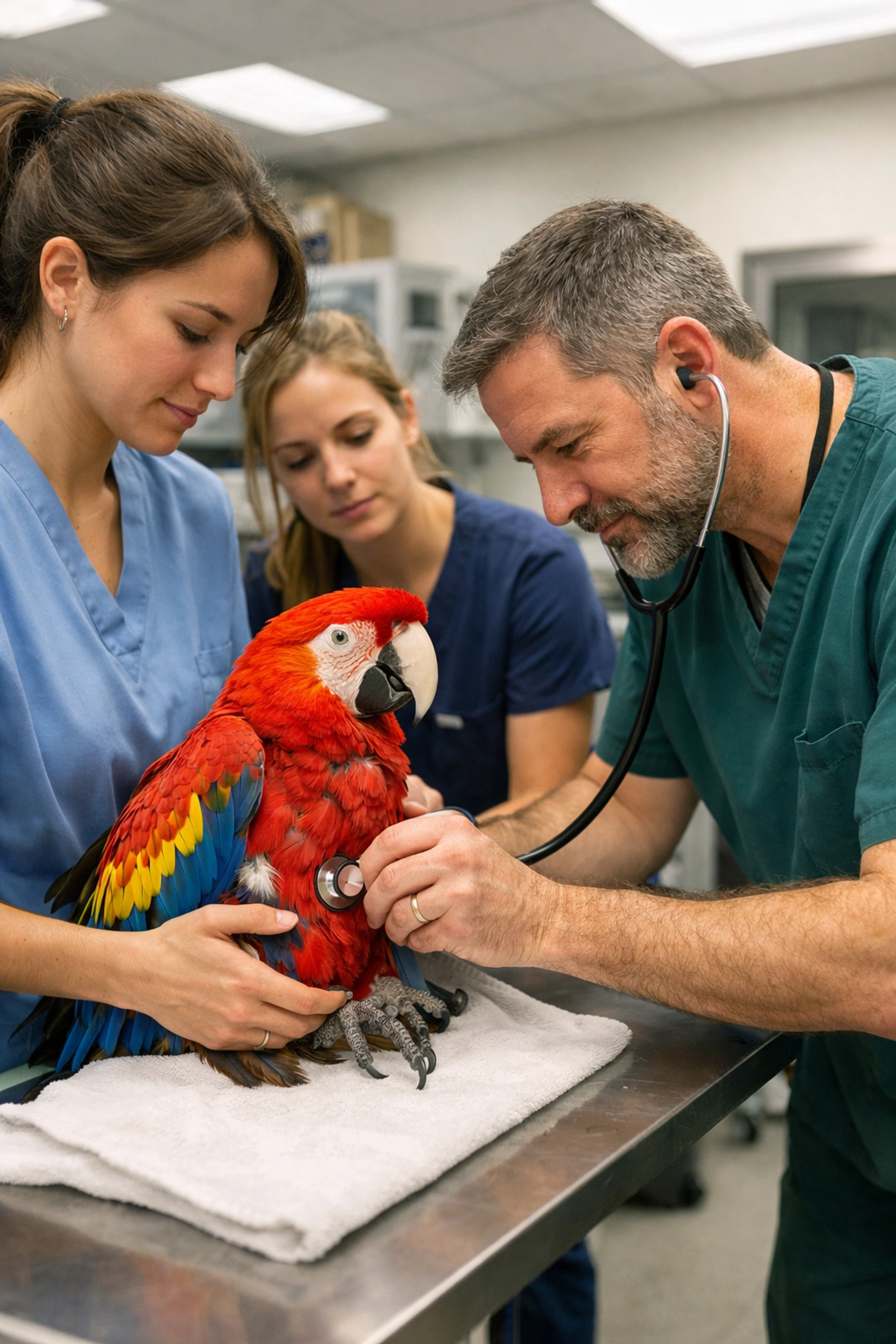
If your marketing department is separate from your conservation department, change that. Your marketers should be talking to your keepers every day. The best stories are in the barns, the clinics, and the field sites.
Practical campaign ideas:
- The "Vet Log." A series showing the medical care an animal receives.
- The "Field Report." Updates from conservationists your zoo supports in Africa, Asia, or South America.
- The "Habitat Build." Time-lapse videos of a new, naturalistic habitat being constructed.
These campaigns don't feel like ads. They feel like documentaries. And people watch documentaries.
Data-Driven Stewardship
Don't be afraid of the numbers. Use them.
Instead of saying "We care about birds," use data:
- "15 endangered chicks hatched this month."
- "$50,000 sent to protect migratory paths in the South Pacific."
- "10,000 students reached through our mobile classroom."
Data is the ultimate proof of ethics. It moves the conversation from "feelings" to "facts." In your newsletters and social media, lead with these numbers. They are your most persuasive marketing assets.
The Role of Digital Media
Digital media is how you keep the conversation going after the visitor leaves. A visit lasts three hours. A digital relationship can last a lifetime.
Use your website and social channels to provide value. Don't just ask for ticket sales. Give information.
Digital Content Tips:
- Live Streams. Non-intrusive cameras in habitats allow for passive observation.
- Expert Q&As. Let followers ask keepers questions.
- Educational Downloads. Simple guides for kids about local wildlife.
This keeps your brand at the top of their minds. When they are ready to visit a zoo or aquarium, they will choose the one that has been teaching them all year.
Final Thoughts for the Ethical Marketer
Marketing in the zoo and aquarium space is a privilege. You are the voice for animals that cannot speak.
Focus on the truth. Focus on the welfare. Focus on the impact.
When you strip away the buzzwords and the marketing jargon, you are left with something powerful: the connection between humans and the natural world. That is what people are looking for. Give it to them.
Keep it simple. Keep it real.
Need visual assets that align with these ethical trends?
Visit zooimagery.com to explore our library of high-quality, mission-aligned stock photography.
Stay updated on the latest in wildlife marketing by following us on LinkedIn.


