
The Marketer’s Guide to Daily Conservation News Using Wildlife Stock Photos
Conservation moves fast.
News breaks daily. A new habitat is protected. A species count rises. A climate shift affects a migration path.
Marketers face a challenge. How do you keep up? How do you tell these stories with impact?
The answer is simple: visual storytelling.
High-quality wildlife stock photos provide the bridge between data and emotion. This guide explores how to leverage the Zoo Imagery library for daily conservation updates.
The Daily Beat: Why Speed Matters
Marketing in 2026 is about relevance.
Conservation news doesn't wait for a photo shoot. If a breakthrough happens in the Amazon today, the story needs to be out by tomorrow.
Wait too long, and the moment passes.
Zoo Imagery provides the assets needed for immediate reaction.
Why speed is essential:
- Social media algorithms favor trending topics.
- News cycles are 24 hours or less.
- Visuals increase engagement by 650% over text alone.
- Donors and supporters want real-time updates.
Zoo Imagery: Company Milestone
Today is Monday, March 2, 2026.
Zoo Imagery is proud to announce a new milestone. Our library has officially surpassed 60,000 curated wildlife assets.
We focus on quality over quantity. Every photo tells a specific story.
Our goal remains the same: provide simple access to the world’s most compelling animal photography.
We started with a small collection. We grew by listening to marketers. You needed specific species. You needed authentic environments. You needed a library that reflects the reality of conservation.
We are here to deliver that.

Species Spotlight: The Sumatran Tiger
Conservation news often centers on specific species.
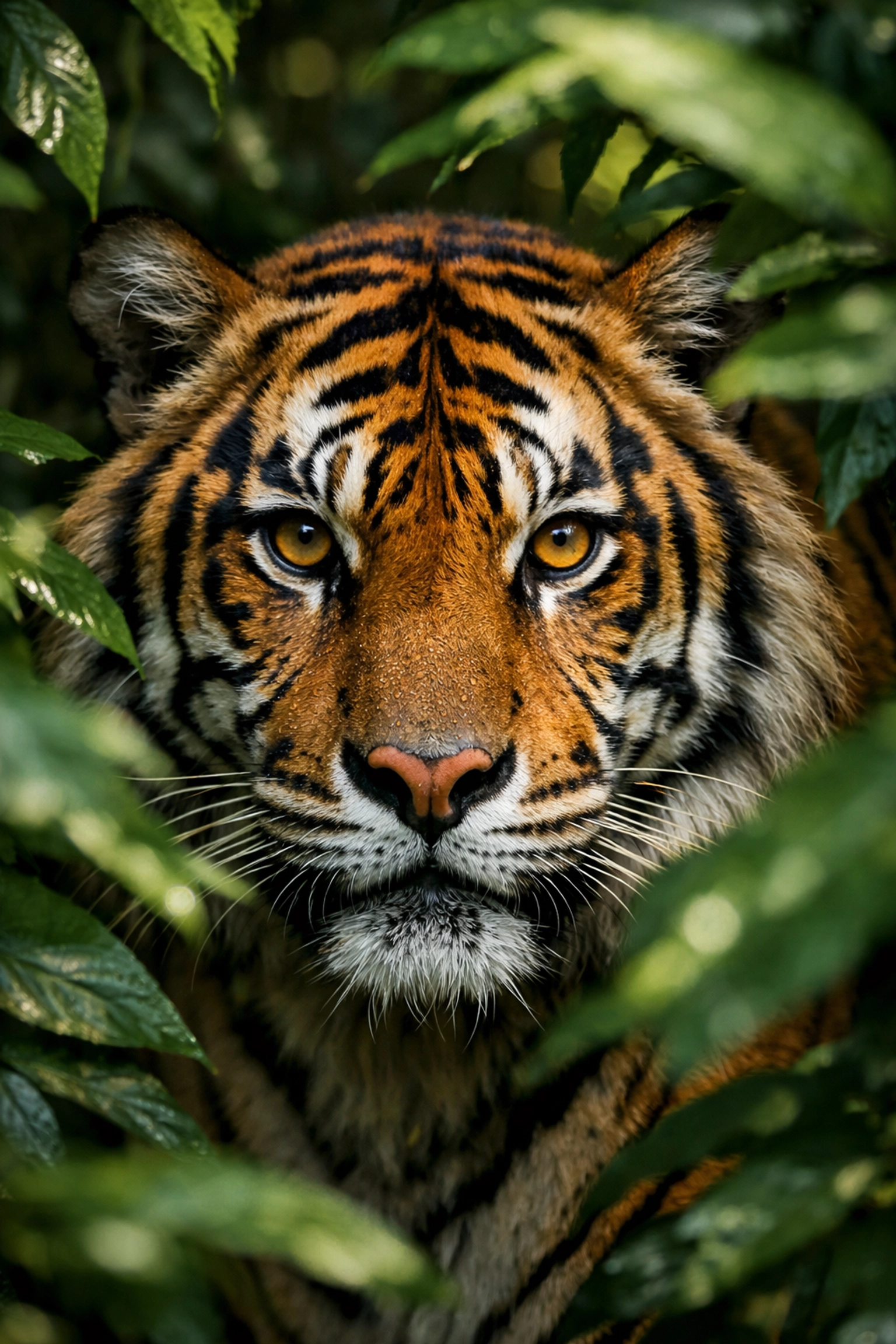
Today, we highlight the Sumatran Tiger (Panthera tigris sondaica).
The Facts:
- Status: Critically Endangered.
- Population: Fewer than 400 remaining in the wild.
- Habitat: Sumatra, Indonesia.
- Threats: Habitat loss, poaching, human-wildlife conflict.
Storytelling with Stock Photos:
When writing about the Sumatran Tiger, use imagery that shows their unique stripes. They are the only tiger subspecies left in Indonesia.
Show them in the dense jungle. Show their eyes.
A photo of a tiger is a photo of a struggle for survival. Use these images to drive home the urgency of anti-poaching initiatives.
The Marketer’s Process: A Step-by-Step Guide
How do you turn a daily news item into a marketing win?
Follow this simple workflow.
1. Monitor the News
Follow conservation organizations. Set alerts for specific species or regions. Stay informed on policy changes and scientific breakthroughs.
2. Identify the Angle
What is the core message?
- Awareness?
- Celebration?
- Call to action?
- Educational?
3. Select the Image
Search the Zoo Imagery database. Look for photos that match the tone of the news.
- Positive news: Bright colors, active animals, clear eyes.
- Urgent news: Deep shadows, solitary subjects, harsh environments.
4. Write the Copy
Keep it simple. Strip away the jargon.
State the news. State the impact. Provide a way for the reader to help or learn more.
5. Publish and Engaged
Post across all platforms. Use relevant hashtags. Answer comments.
Conservation Storytelling: Beyond the Headlines
Conservation isn't just about bad news. It is about progress.
Marketers should focus on "Conservation Optimism."
Show the success stories. Show the researchers in the field. Show the moment a captive-bred animal is released.
Stock photography allows you to visualize these moments even if you aren't there with a camera.
Storytelling Themes to Explore:
- Biodiversity: The variety of life in a single ecosystem.
- Habitat Restoration: Bringing forests and wetlands back to life.
- Indigenous Leadership: The role of local communities in protecting wildlife.
- Technology in Conservation: Drones, AI, and tracking tags.
ESG and Brand Alignment
Modern brands must stand for something.
Environment, Social, and Governance (ESG) standards are no longer optional. They are expected.
Using wildlife imagery in your corporate communications shows a commitment to the planet.
Best Practices for ESG Messaging:
- Be Honest: Don't over-promise. State what you are doing.
- Be Transparent: Use real data.
- Align with Your Mission: Choose species or causes that make sense for your brand.
- Avoid Buzzwords: Stick to clear, simple language.
When a brand sponsors a "Species Spotlight," they aren't just buying an ad. They are aligning their identity with the survival of that animal.
It builds trust. It builds loyalty.
Quality Over Quantity: The Zoo Imagery Philosophy
The internet is full of photos.
Most of them are bad. Many are poorly shot. Some are even AI-generated in ways that look "uncanny" or unrealistic.
Zoo Imagery takes a different path.
We prioritize:
- Authenticity: Real animals in real settings.
- High Resolution: Images that look great on a smartphone or a billboard.
- Simple Licensing: No complex legal hurdles.
- Species Accuracy: Ensuring the animal in the photo is actually what we say it is.
Marketers don't have time to second-guess their assets. You need to know the photo is right.

Practical Tips for Daily News Visuals
To keep your daily feed fresh, vary your visual choices.
Close-ups:
Use macro shots or tight portraits to create an emotional connection. The eyes of a gorilla or the texture of an elephant's skin tell a deep story.
Wide Shots:
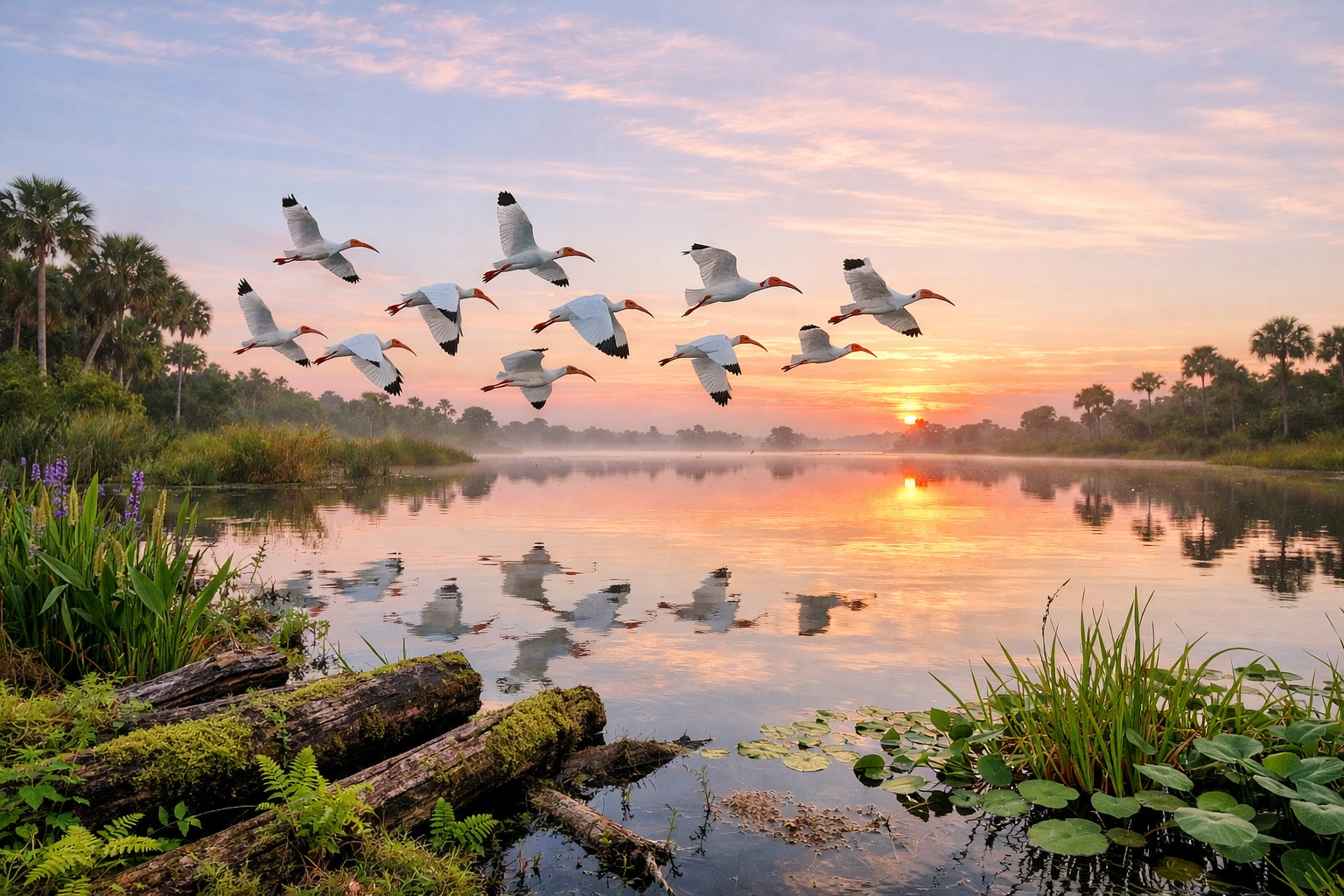
Use landscapes to show the "Big Picture." Show the animal in its habitat. This emphasizes the importance of land conservation.
Action Shots:
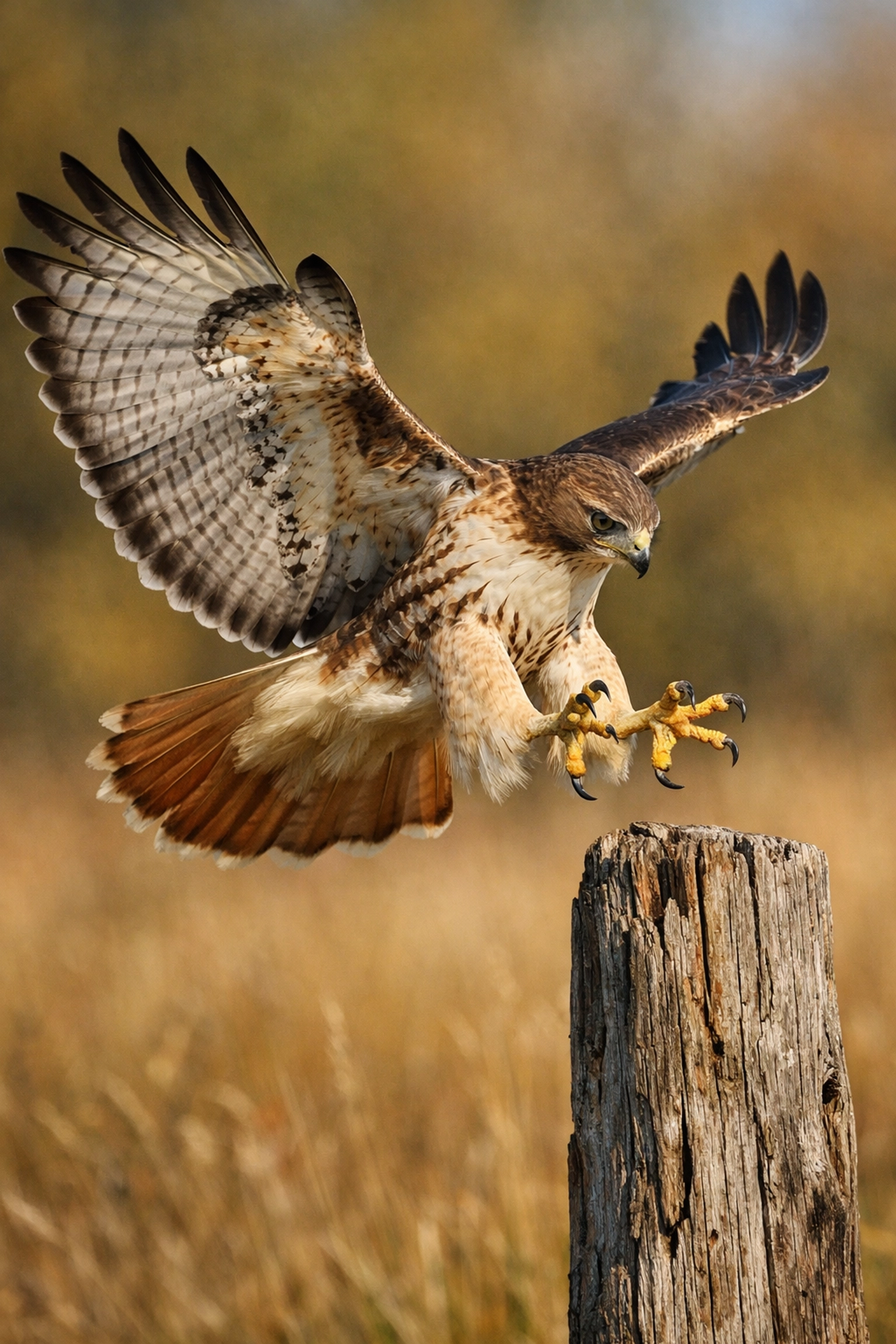
A bird in flight. A predator on the hunt. These images grab attention in a crowded social media feed.
Abstracts:
Patterns, fur textures, or silhouettes. These are great for background elements in graphic design or for subtle, sophisticated messaging.
The Future of Wildlife Marketing
In 2026, the demand for high-quality digital media is peaking.
As more companies shift to digital-first strategies, the competition for attention increases.
Visuals are the currency of this new economy.
Zoo Imagery is committed to being the primary source for that currency. We are expanding our video library. We are adding more rare species daily. We are simplifying our search tools.
We want you to spend less time looking for a photo and more time telling the story.
Conservation is a Daily Effort
It doesn't happen once a year on Earth Day.
It happens every morning when a park ranger goes on patrol. It happens every time a scientist records data.
And it happens every time a marketer shares a story that moves someone to care.
Daily news is an opportunity. Use it.
Summary for Marketers:
- Stay updated on conservation trends.
- Use high-quality, authentic imagery.
- Keep your messaging simple and direct.
- Focus on storytelling that builds trust.
For more information on how to access our full library or to see our latest species spotlights, visit our website.
Connect with us. See the world through our lens.
Visit zooimagery.com to explore our collection.
Follow our journey and see daily updates on LinkedIn.
About Zoo Imagery
Zoo Imagery is a premier stock photography and digital media company. We specialize in high-resolution wildlife and nature photography. Based in America/Denver, we serve a global audience of marketers, conservationists, and media professionals. Our mission is to simplify the way the world accesses and uses wildlife imagery.
Contact Us
Have questions? Need a specific asset?
Contact our team.
Stay Informed
Check our blog regularly for more guides and industry news.


