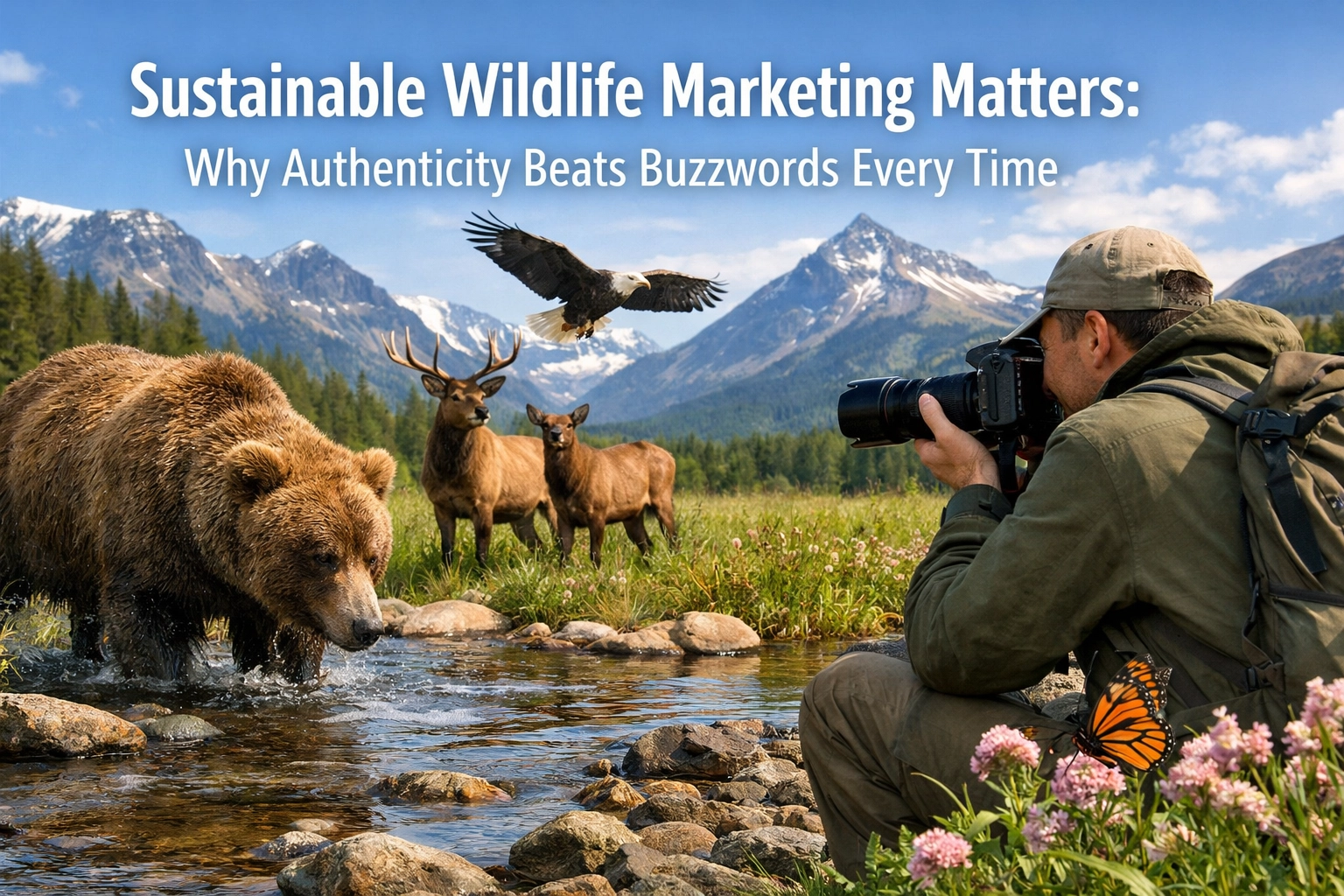
Sustainable Wildlife Marketing Matters: Why Authenticity Beats Buzzwords Every Time
Saturday, 14 of March 2026.
Marketing has changed.
The old way was glossy. Perfectly lit. Sanitized.
It relied on big words. Sustainability. Eco-conscious. Green-certified.
Today, those words are white noise.
Audiences are smarter. They see the gap between a slogan and a reality.
At Zoo Imagery, we see it every day.
The shift from "selling" to "showing."
Authenticity isn't a strategy. It is a requirement.
The Buzzword Fatigue
We are tired of "green."
We are tired of "eco-friendly."
These words have lost their teeth.
When a zoo or aquarium uses these terms without proof, trust erodes.
If your brochure says "sustainable" but your cafe uses single-use plastic, the message dies.
The modern guest looks for the disconnect.
Authentic marketing means removing the filter.
It means talking about the work.
The hard work. The messy work.

ESG Without the Acronyms
Environmental, Social, and Governance (ESG) is a corporate term.
Don't use it in your newsletters.
Instead, show the results.
Environmental:
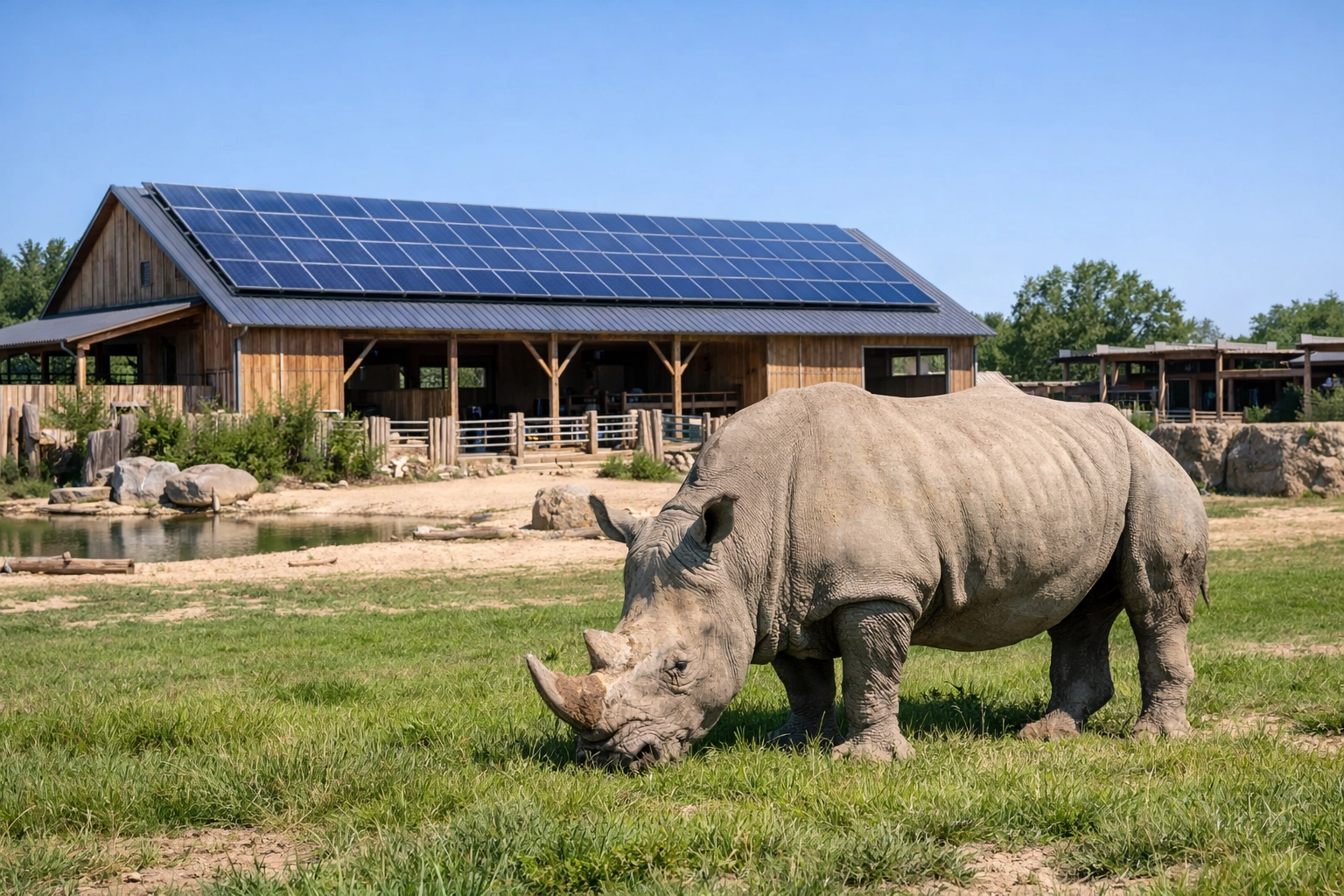
Show the solar array on the rhino barn.
Show the water reclamation system in the manatee tank.
Don't call it "carbon-neutral efforts."
Call it "Powering the park with the sun."
Social:
Show the staff.
The keepers who stay overnight during a storm.
The educators in local schools.
The community.
Governance:
Be transparent about where the money goes.
Show the conservation grants in action.
Simple numbers. High impact.
The Power of Raw Content
Polished marketing feels like an ad.
Raw content feels like a conversation.
Audiences want behind-the-scenes access.
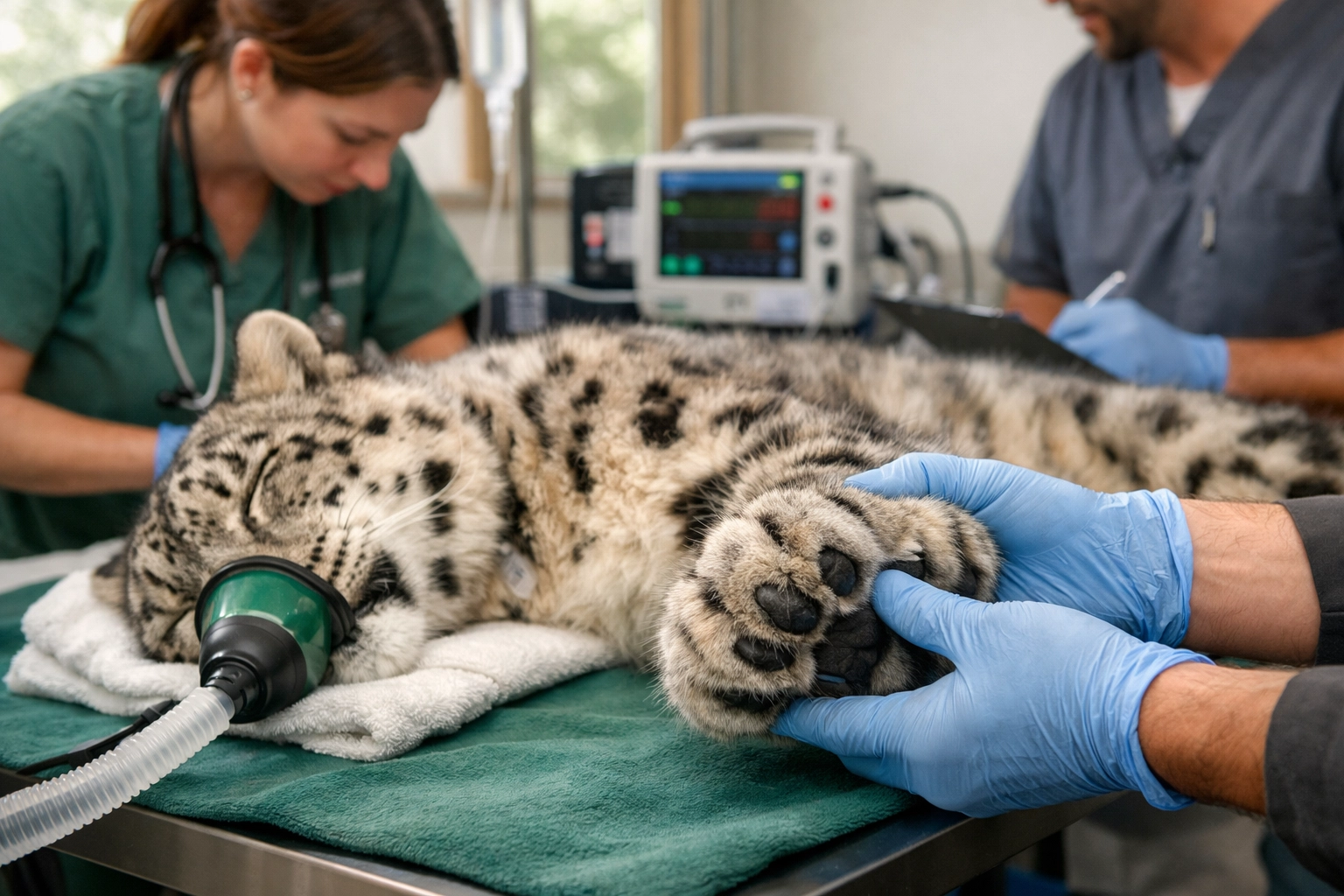
A veterinary check-up.
The preparation of specialized diets.
The construction of a new climbing structure for primates.
These moments aren't perfect.
There is mud. There is sweat.
There is real emotion.
That emotion builds loyalty.
When you show a tiger's dental exam, you aren't just showing an animal.
You are showing the cost of care.
The expertise involved.
The commitment to the individual life.
Conservation Storytelling: From Stats to Souls
Statistics are hard to hold.
"We saved 10,000 acres" is a big number.
It is also abstract.
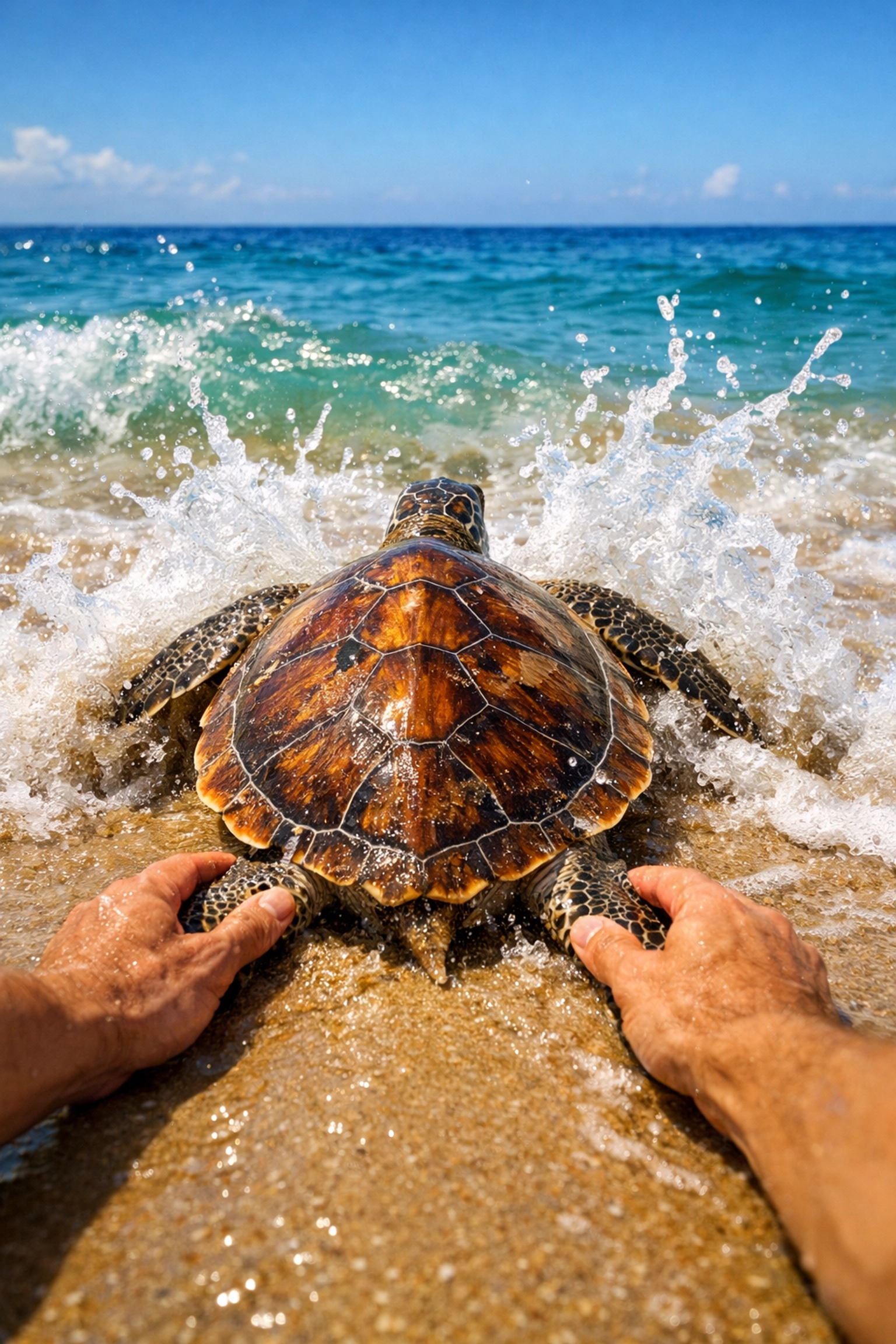
"We saved this specific turtle" is a story.
Give the animal a name.
Show the rescue day.
Show the rehabilitation.
Show the release.
People donate to stories. They visit for stories.
They stay for the mission.
At Zoo Imagery, we focus on capturing these moments.
Not just the animal standing still.
But the animal interacting.
The human connection.
The "Presented By" Strategy
Sponsored species spotlights are changing.
It is no longer enough to put a logo on a plaque.
The partnership must make sense.
If a local tech company sponsors a species, show how their tech helps that species.
Maybe they provide sensors for tracking.
Maybe they fund a specific enrichment program.
Align the brand with the action.
This is ESG-aligned marketing that doesn't feel like a corporate handout.
It feels like a collaboration.
"Presented by" animal pages should include:
- High-quality, real-life photography.
- Updates on the specific animal's health and activities.
- Direct links to the sponsor's specific contribution.
- No fluff. Just facts.
Wildlife Trends for 2026
We are seeing a move toward "Slow Marketing."
Fewer posts. Higher quality.
Longer videos that explain complex conservation issues.
Podcasts from the field.
The "TikTok" style of fast cuts is still there for entertainment.
But for conversion: for memberships and donations: people want depth.
They want to know that their $150 membership is actually doing something.
Show them.
Consistency Across Touchpoints
Authenticity fails if it is inconsistent.
Your social media cannot be "raw" if your website is "corporate."
Your About Us page should sound like your keepers.
Use simple language.
Avoid jargon.
If you use a technical term, explain why it matters.
Touchpoint Check-list:
- Website: Direct, fast, image-heavy.
- Social Media: Behind-the-scenes, community-focused.
- Email: Direct updates, no "salesy" subject lines.
- On-site: Signage that tells a story, not just a species name.
Why Quality Photography Matters
In a world of smartphone photos, high-end stock imagery stands out.
It shows respect for the subject.
It treats the wildlife as the stars they are.
Zoo Imagery provides the bridge.
We offer professional media that looks real.
Because it is real.
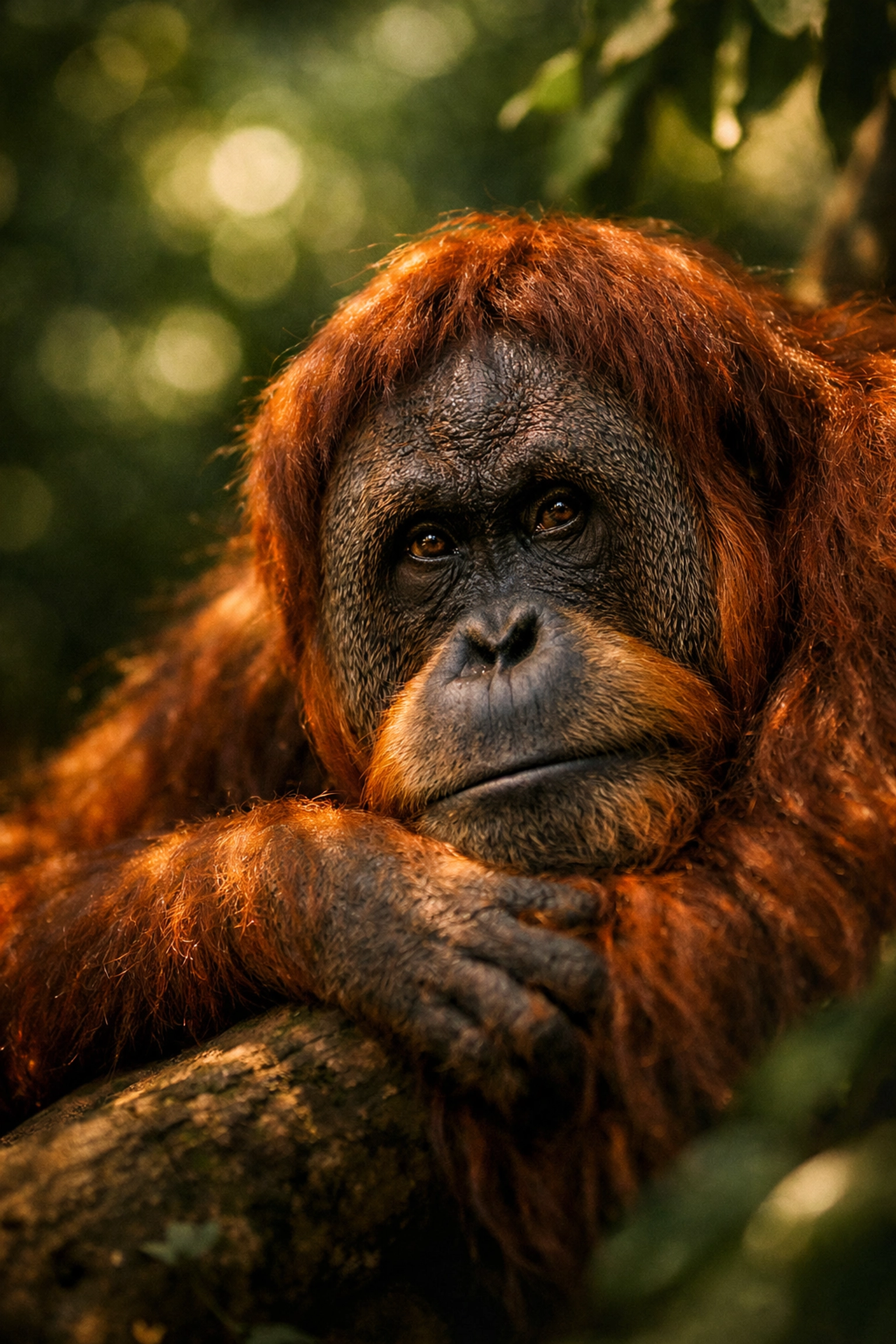
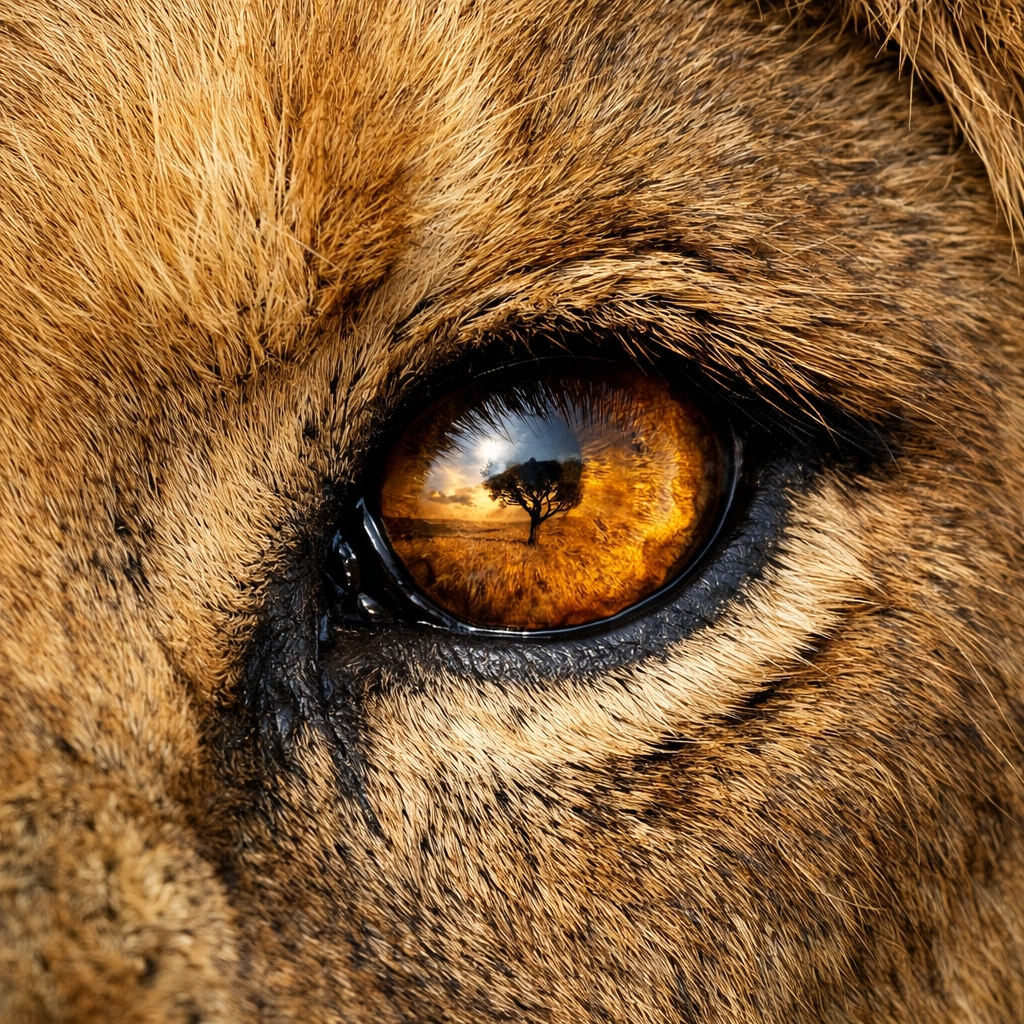
We capture the texture of the fur.
The focus in the eye.
The reality of the habitat.
This isn't about making things look "pretty."
It's about making things look "true."
Building a Credible Ecosystem
You don't work alone.
Your marketing shouldn't act like it.
Highlight your partnerships with universities.
Feature the rehabilitation centers you send animals to.
Be part of the larger conservation web.
When you show that you are one piece of a global puzzle, your credibility grows.
You aren't just a local attraction.
You are a conservation hub.
Practical Steps for Marketing Teams
- Audit your adjectives. Remove "best," "amazing," and "sustainable." Replace them with verbs. What are you doing?
- Interview your staff. The best stories are in the breakroom.
- Show the challenges. Did a breeding program fail? Talk about why. It makes the successes mean more.
- Invest in visuals. Don't use generic wildlife photos. Use imagery that reflects the actual care you provide.
- Keep it simple. If a ten-year-old can't understand your mission statement, rewrite it.
The Bottom Line
Authenticity is the only long-term play.
Buzzwords provide a temporary lift.
Truth builds a legacy.
Guests come for the animals.
They come back for the people and the mission.
Let them see the real work.
The results will follow.
Join the Conversation
We are helping zoos and aquariums tell better stories.
Real stories.
Visit zooimagery.com to see our library.
Or follow our journey on LinkedIn.
Let’s keep it simple.
Let’s keep it real.
Dan Kost
CEO, Zoo Imagery
For more insights on wildlife media and marketing trends, check out our blog or learn more about how it works.


