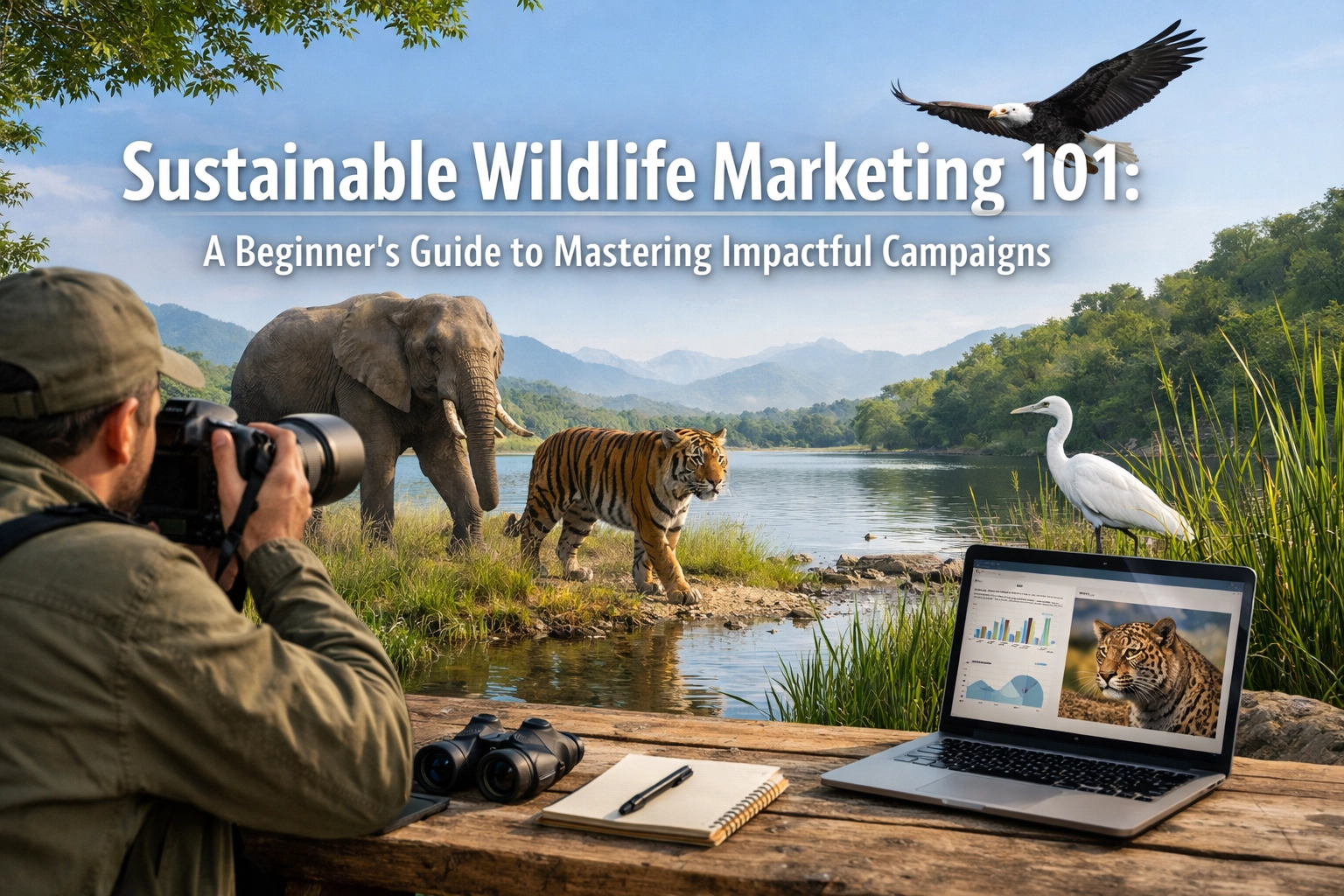
Sustainable Wildlife Marketing 101: A Beginner’s Guide to Mastering Impactful Campaigns
Marketing for zoos and aquariums has changed. It used to be about ticket sales and weekend entertainment. Today, it’s about impact. Modern audiences look for values. They want to know their money supports a mission.
Sustainable wildlife marketing puts conservation at the front. It isn't a side project. It is the identity.
The Core Shift: Mission First
Stop selling a day out. Start selling a future for wildlife.
Most campaigns fail because they focus on the "what" (seeing an animal) rather than the "why" (saving a species). Sustainable marketing flips the script.
- Priority 1: Wildlife preservation.
- Priority 2: Education.
- Priority 3: Experience.
When conservation leads, engagement follows. Visitors who share your values stay longer. They donate more. They advocate for you.
Aligning Values with Action
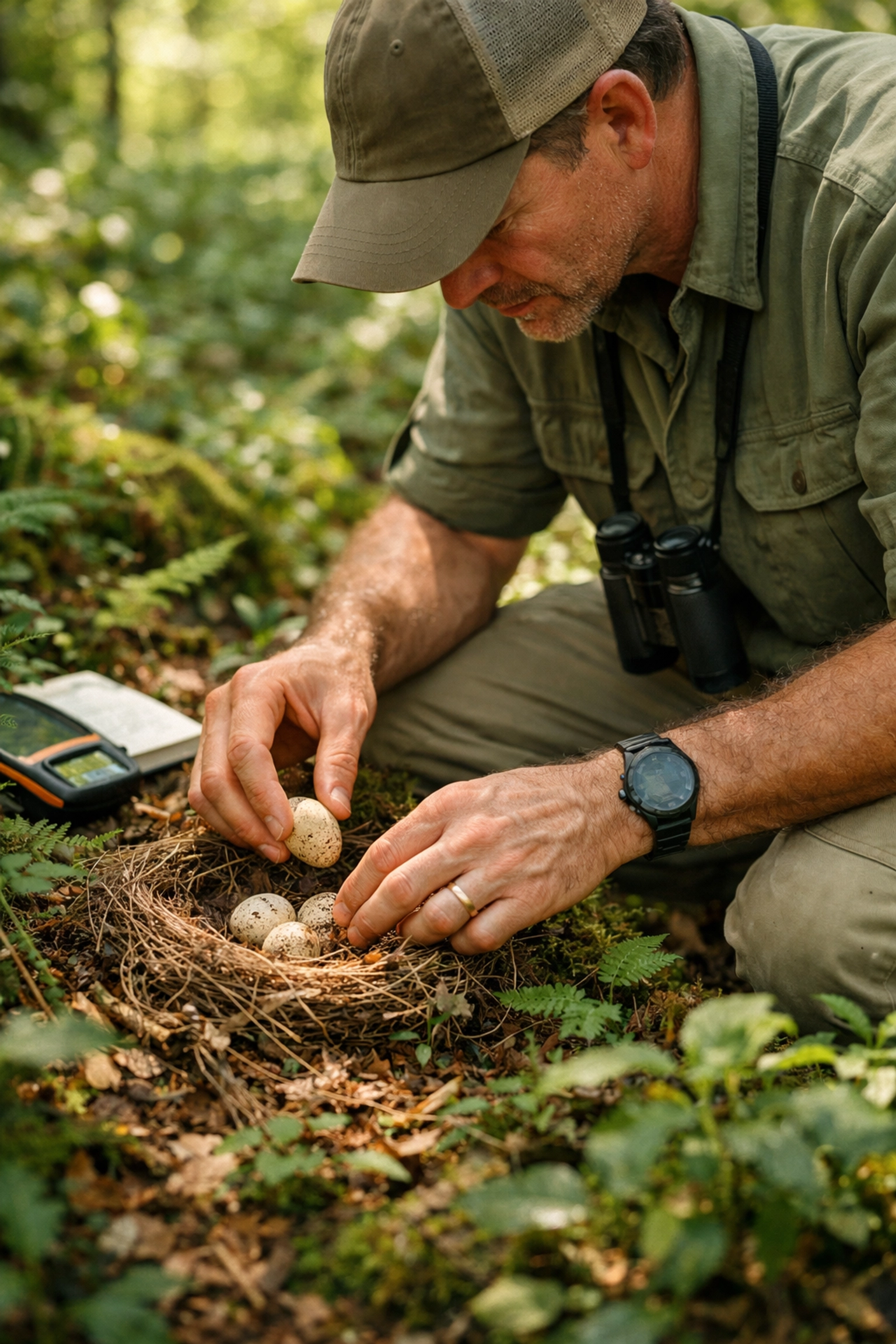
Don't just talk about the environment. Show the work.
Audiences are skeptical of big claims. They want proof. Walk the walk in your daily operations. This is where your marketing meets your management.
Operational Highlights to Market:
- Renewable energy use on-site.
- Waste reduction programs in cafes.
- Sustainable food sourcing.
- Water conservation systems for exhibits.
Present these as facts. No fluff. "We recycled 40 tons of plastic last year" is better than "We are committed to a greener planet."
Framing the Message
Avoid the blame game. Conservation challenges are heavy. If you make people feel guilty, they tune out.
Instead, use collaborative framing.
- Old way: "Humans are destroying habitats."
- New way: "Together, we are restoring the Wild Tiger habitat."
Invite the audience to be part of the solution. Show the problem, present the solution, and report the results.
The Power of the Individual
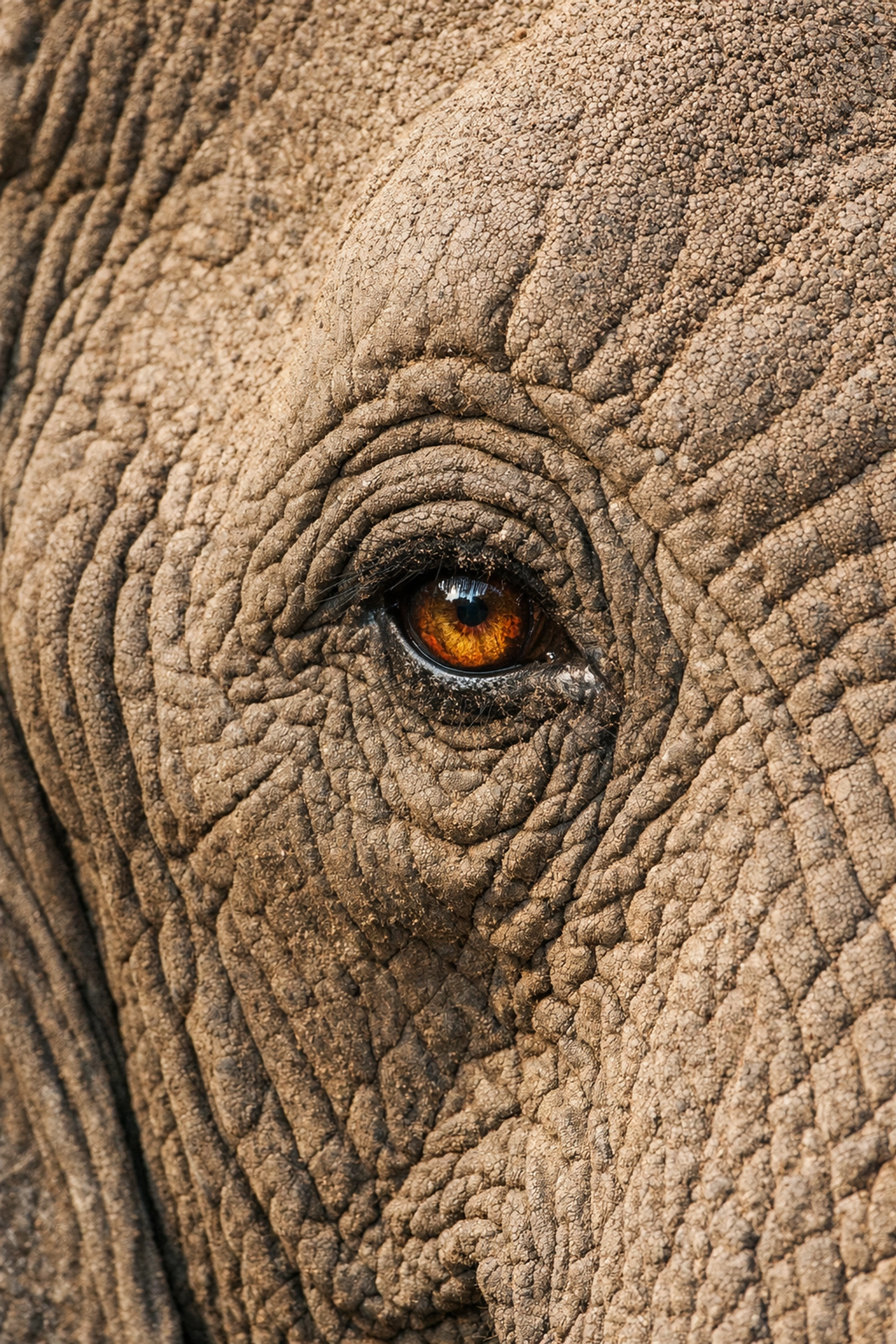
People don't connect with statistics. They connect with stories. One Elephant with a name is more impactful than a spreadsheet of population declines.
Focus on:
- Rescue and rehab timelines.
- Individual animal personalities.
- Behind-the-scenes care routines.
- Updates on animals returned to the wild.
Use high-quality imagery to bridge the gap. Visuals are the shortest path to empathy.
Multi-Channel Content Strategy
Your social media should be more than an "Open Today" sign. Use it to provide transparency.
Behind-the-Scenes (BTS) Content:
- Morning feeding: What do Lions actually eat?
- Vet check-ups: Show the precision of animal care.
- Enrichment: How do Polar Bears play?
- Keeper spotlights: Introduce the experts.
Live streaming is highly effective. It offers raw, unfiltered access. It builds trust.
Immersive Experiences
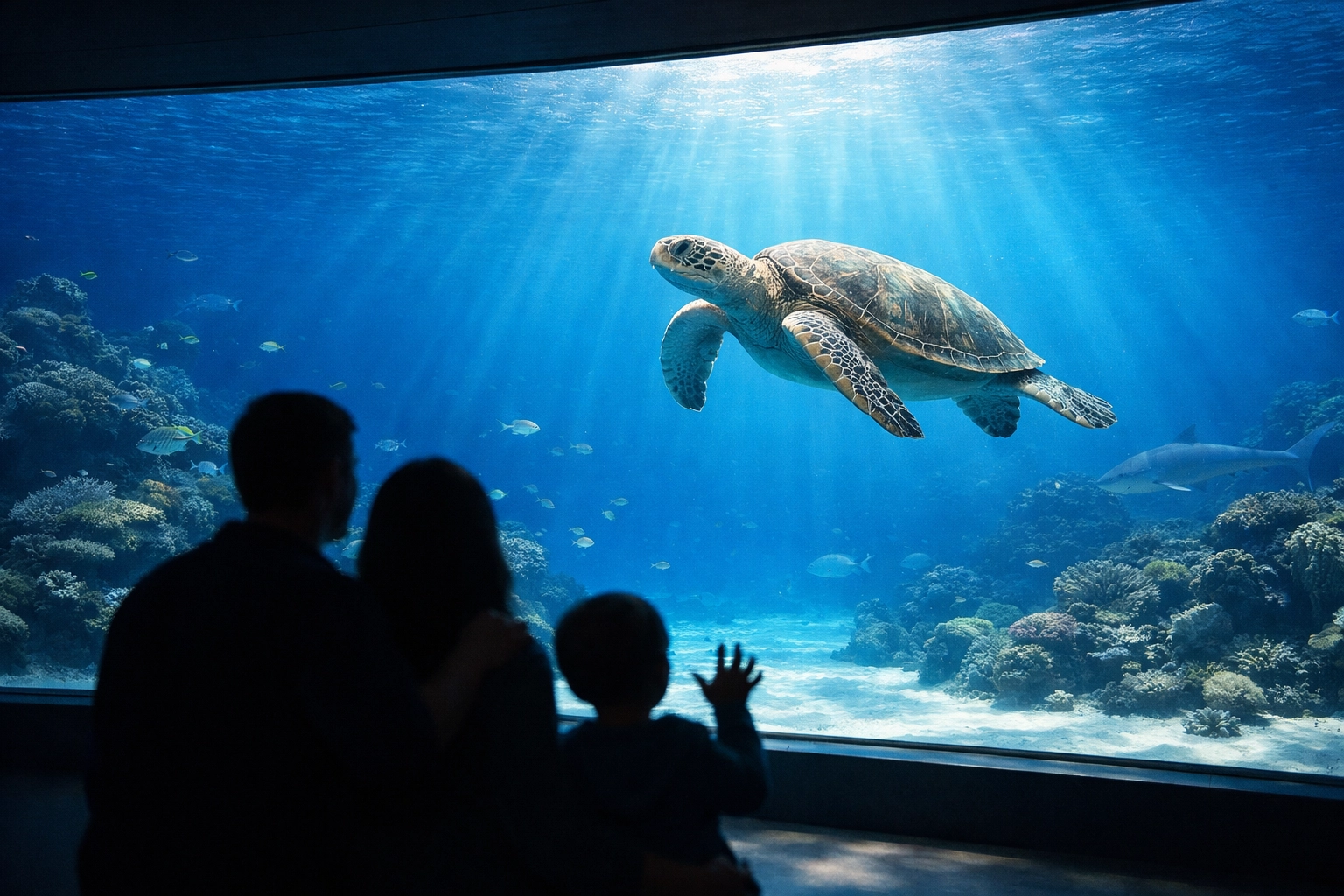
Marketing doesn't stop at the gate. The visitor experience is your best marketing tool.
- Natural habitat design: Move away from cages. Focus on ecosystems.
- Interactive elements: Touch pools or keeper talks.
- Digital layers: AR features that show conservation data in real-time.
Create moments that are photo-friendly. Let your visitors create the content for you. User-generated content is authentic and free.
Campaign Design Strategies
A good campaign has a clear objective. Don't try to do everything at once.
1. Awareness Campaigns
Focus on a single issue. Maybe it's plastic in oceans or habitat loss for Giraffes.
Goal: Knowledge.
2. Behavioral Change Campaigns
Ask the audience to do something specific.
Goal: Action. (e.g., "Switch to bird-friendly coffee.")
3. Values Alignment
Show your organization's long-term commitment.
Goal: Brand loyalty.
Sponsored Species Spotlights
One of the most effective ways to drive impact is through "Presented by" pages.
Partner with local businesses or donors to sponsor specific animal sections. For example, a "Species Spotlight" on Hyenas can be supported by a corporate partner.
Why this works:
- It provides a clear funding stream for care.
- It aligns the partner with a conservation mission.
- It creates a dedicated space for deep-dive storytelling.
Educational Programming as Marketing
Position your zoo or aquarium as a school, not just a park.
- Partner with local districts for field trips.
- Host teacher workshops.
- Offer science camps.
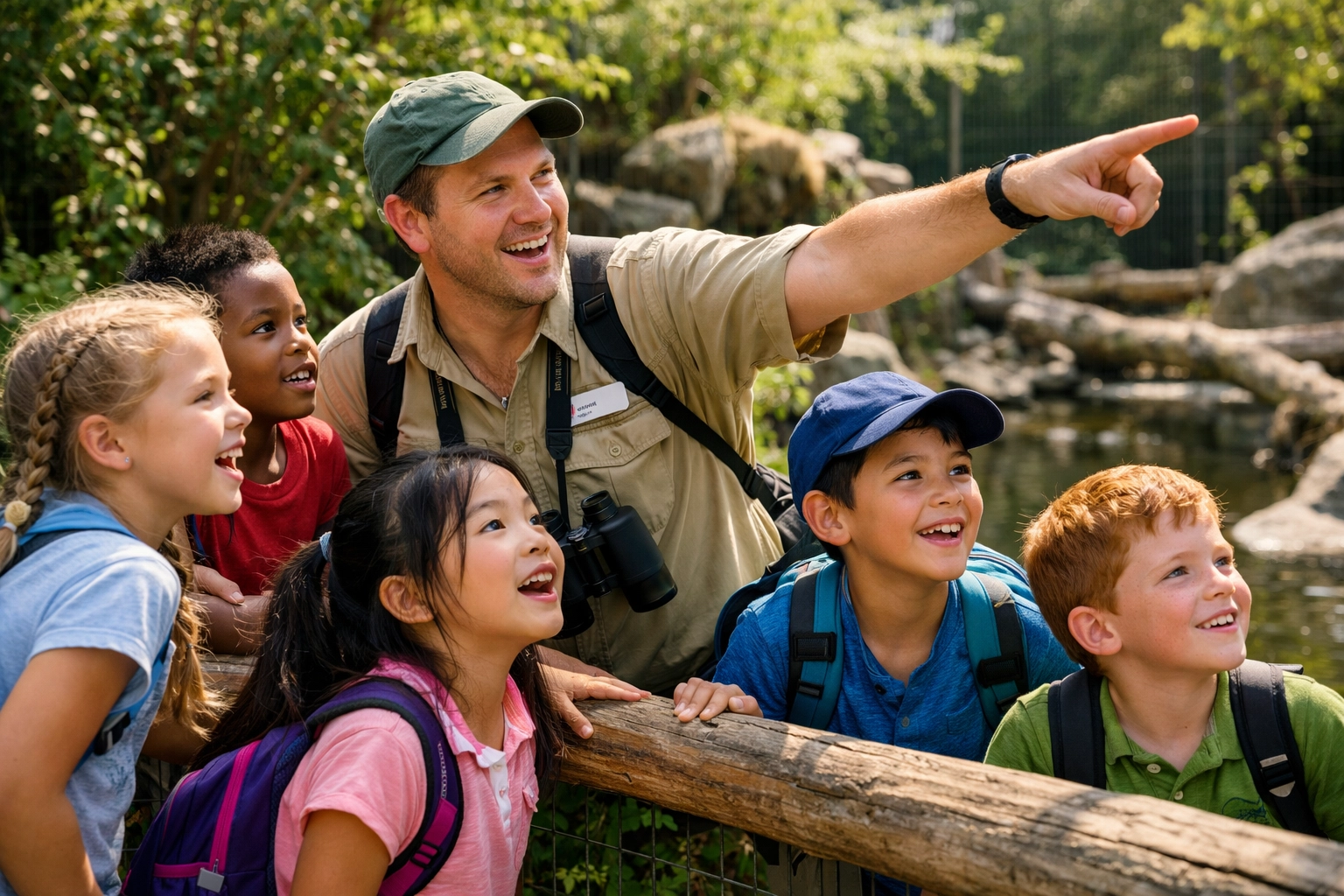
Education builds family loyalty. Children who visit for a school project often bring their parents back for a weekend visit. This is sustainable growth.
Strategic Partnerships
Don't work in a vacuum. Collaborate with:
- University research programs.
- Environmental non-profits.
- Conservation influencers.
Partnerships expand your reach and add credibility. They position you within a larger ecosystem of change.
Segmenting Your Audience
Different people need different messages.
- Tourists: Focus on unique species and "must-see" experiences.
- Locals: Focus on memberships, rotating exhibits, and community events.
- Donors: Focus on specific project results and long-term impact.
Keep the language simple for all groups. Direct statements win.
Event-Based Programming
Use the calendar to your advantage. Seasonal events drive traffic during slow periods.
- World Penguin Day.
- Endangered Species Week.
- Earth Day.
Events create a sense of urgency. They give the press a reason to talk about you. They provide sponsorship opportunities that don't feel like "ads."
Consistency is Key
Impactful campaigns aren't one-offs. They are part of a continuous narrative. Every touchpoint: from your Instagram grid to your gift shop: should reinforce your mission.
The Checklist:
- Is the photography high-quality?
- Is the message collaborative?
- Is the impact measurable?
- Is the call to action clear?
Getting Visitors Involved
Give them something to do.
- Volunteer opportunities.
- Take-home projects (like building a bee hotel).
- Simple donation buttons on every digital touchpoint.
Make it easy for them to support you.
Conclusion
Sustainable wildlife marketing is about truth. It’s about showing the world the vital work being done behind the scenes. Use simple language. Use great photos. Focus on the mission.
If you lead with conservation, the rest will follow.
For high-quality media that tells your story, visit zooimagery.com.
Connect with us on LinkedIn to stay updated on the latest trends in wildlife marketing and digital media.


