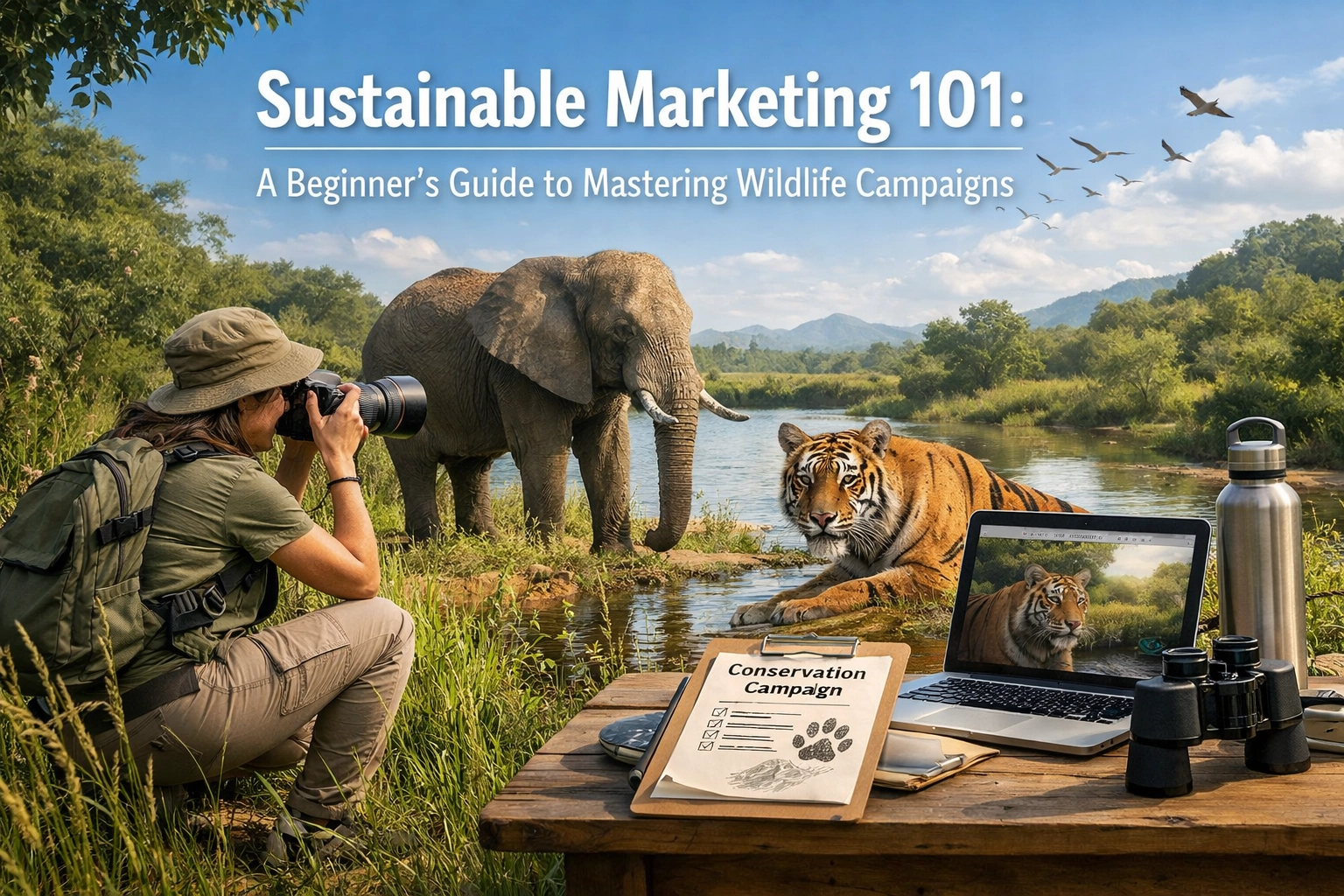
Sustainable Marketing 101: A Beginner’s Guide to Mastering Wildlife Campaigns
Marketing for zoos and aquariums has changed. People no longer want a sales pitch. They want a connection to the natural world. They want to know their visit helps animals.
This is sustainable marketing. It is simple. It is honest. It focuses on the long-term health of wildlife and the planet.
Why it matters now
Current trends show a shift in how people spend.
- 63 percent of people buy based on a company's commitment to the earth.
- Awareness is the first step to action.
- Trust is the most valuable currency.
In 2026, transparency is mandatory. You cannot hide behind vague promises. You need to show the work.
Setting clear goals
Every campaign needs a reason to exist. Without a goal, you are just making noise.
1. Awareness
Teach people something new.
- Focus on biodiversity.
- Highlight threats to specific habitats.
- Share solutions.
- Use images of birds or hyenas to show variety.
2. Fundraising
Connect the problem to a solution.
- Show where the money goes.
- Be specific.
- "Protecting wild tigers" is good.
- "Funding three field rangers in Sumatra" is better.
3. Behavioral change
Ask your audience to do something.
- Use less plastic.
- Buy sustainable products.
- Support local conservation laws.

Know your community
Do not guess what your audience wants. Listen to them.
Most visitors care about the same things you do. They love animals. They worry about the future.
Common ground
Frame your message as a shared effort.
- Use "we" and "us."
- Avoid blaming the audience.
- Invite them to be part of the solution.
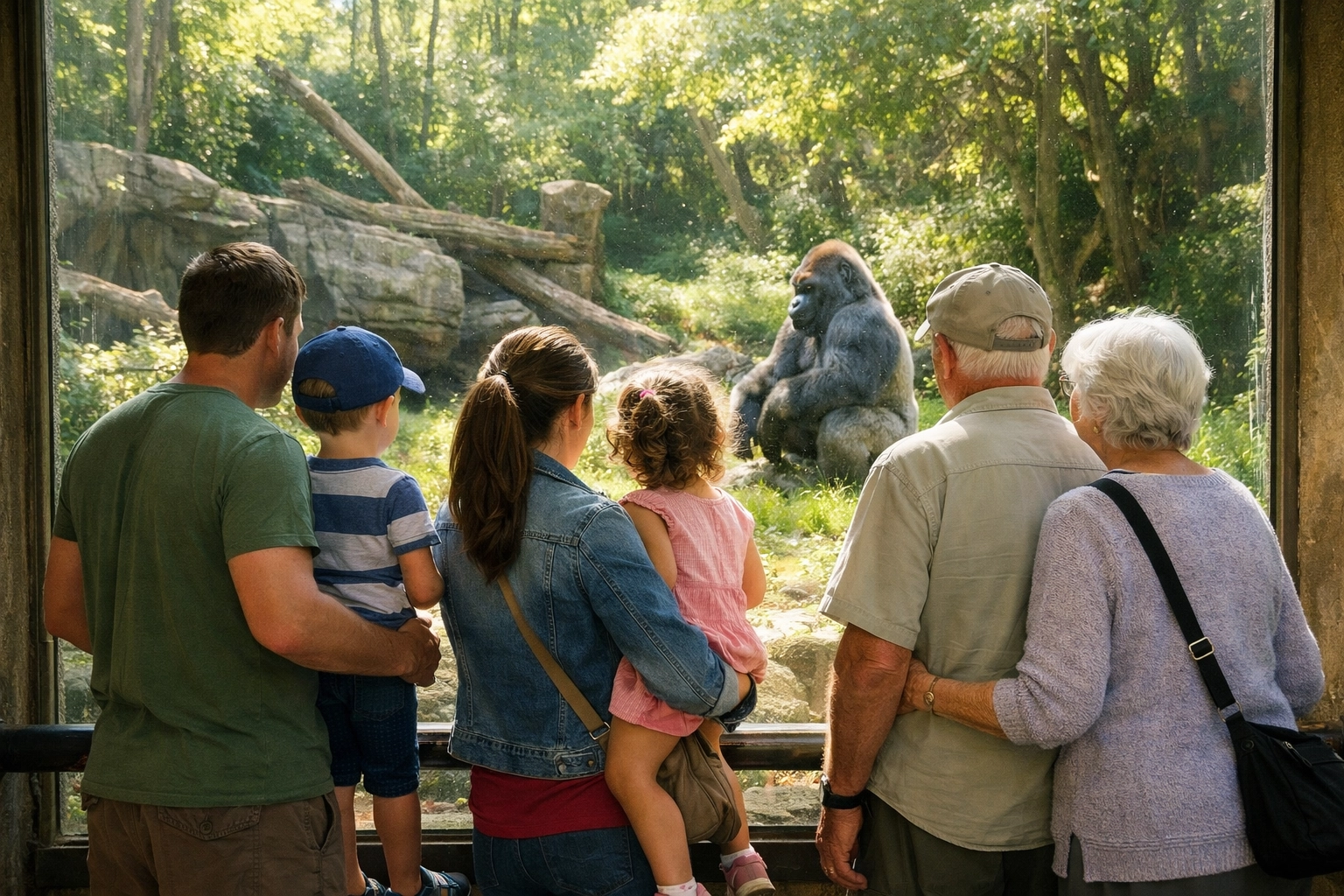
The visual language of conservation
Words are important. Photos are vital.
People remember 80 percent of what they see. They remember 20 percent of what they read.
Use real photography
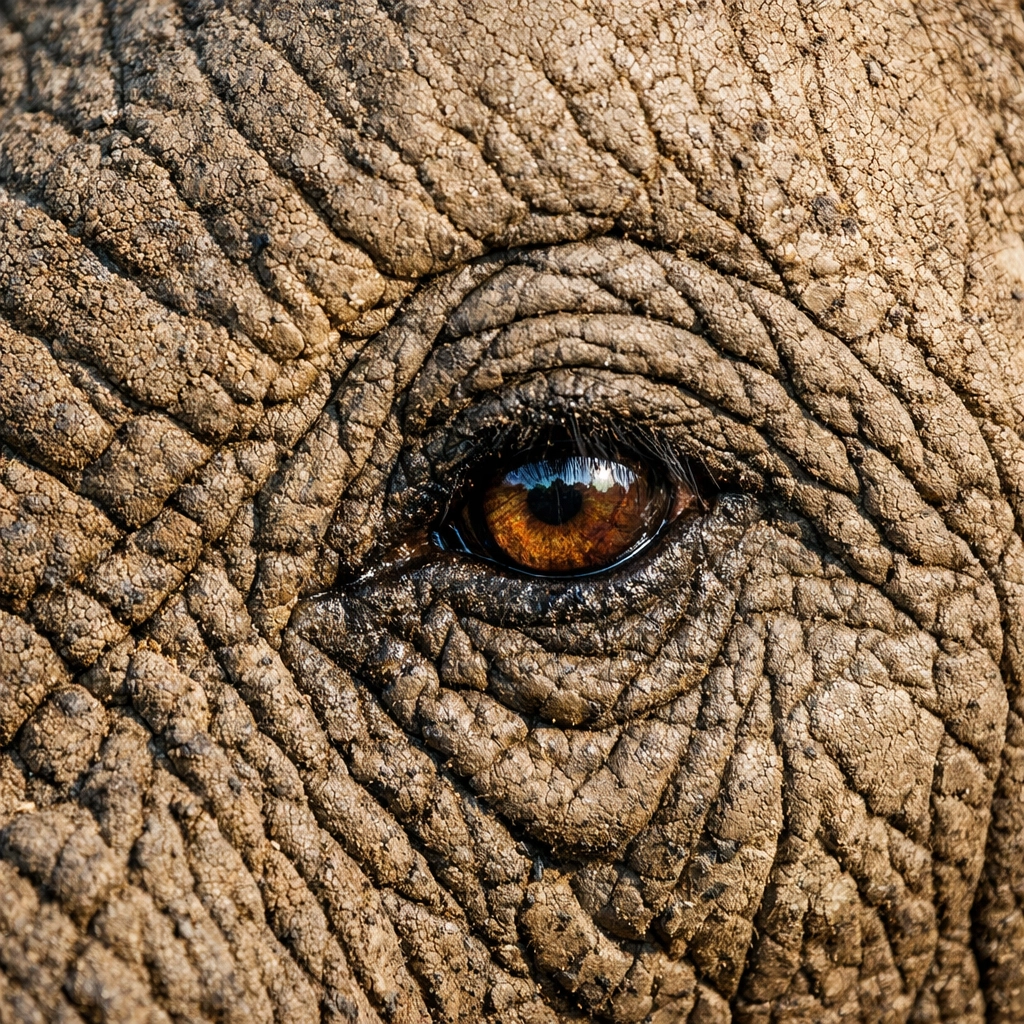
Stock photos of generic scenes do not work. You need specific species.
- Elephants show social bonds.
- Giraffes show the scale of nature.
- Lions represent strength and vulnerability.
At Zoo Imagery, we focus on high-quality media. Our goal is simple. Provide tools for zoos to tell better stories.
Crafting the message
Keep it direct.
Avoid "marketing speak."
Do not use words like "synergy" or "holistic."
Just tell the truth.
The structure of a good post
- The Hook: A stunning visual of an animal like a panda.
- The Problem: One clear fact about their habitat.
- The Work: What your zoo is doing right now.
- The Call: One thing the reader can do today.
Authentic identity
Your brand is not just a logo. It is how you behave.
If you talk about conservation, your facility must show it.
- No single-use plastics in the cafe.
- Solar panels on the roof.
- Sustainable feed for the animals.
Consistency builds trust. If your website says one thing and your gift shop says another, you lose.
Using third-party proof
People trust experts.
Display your certifications clearly.
- AZA accreditation.
- Fair Trade partnerships.
- Sustainable palm oil labels.
These are not just badges. They are proof of your commitment.
The "Presented by" model
Sponsorship is changing.
Traditional ads are dying.
Sponsored species spotlights are growing.
How it works:
- A local business sponsors the polar bears.
- All educational content for that species mentions the sponsor.
- The sponsor gains "green" credibility.
- The zoo gains funding for care and research.
This aligns the business, the zoo, and the donor. Everyone wins.
Engagement over reach
Do not worry about "going viral."
Worry about being useful.
- Answer questions in the comments.
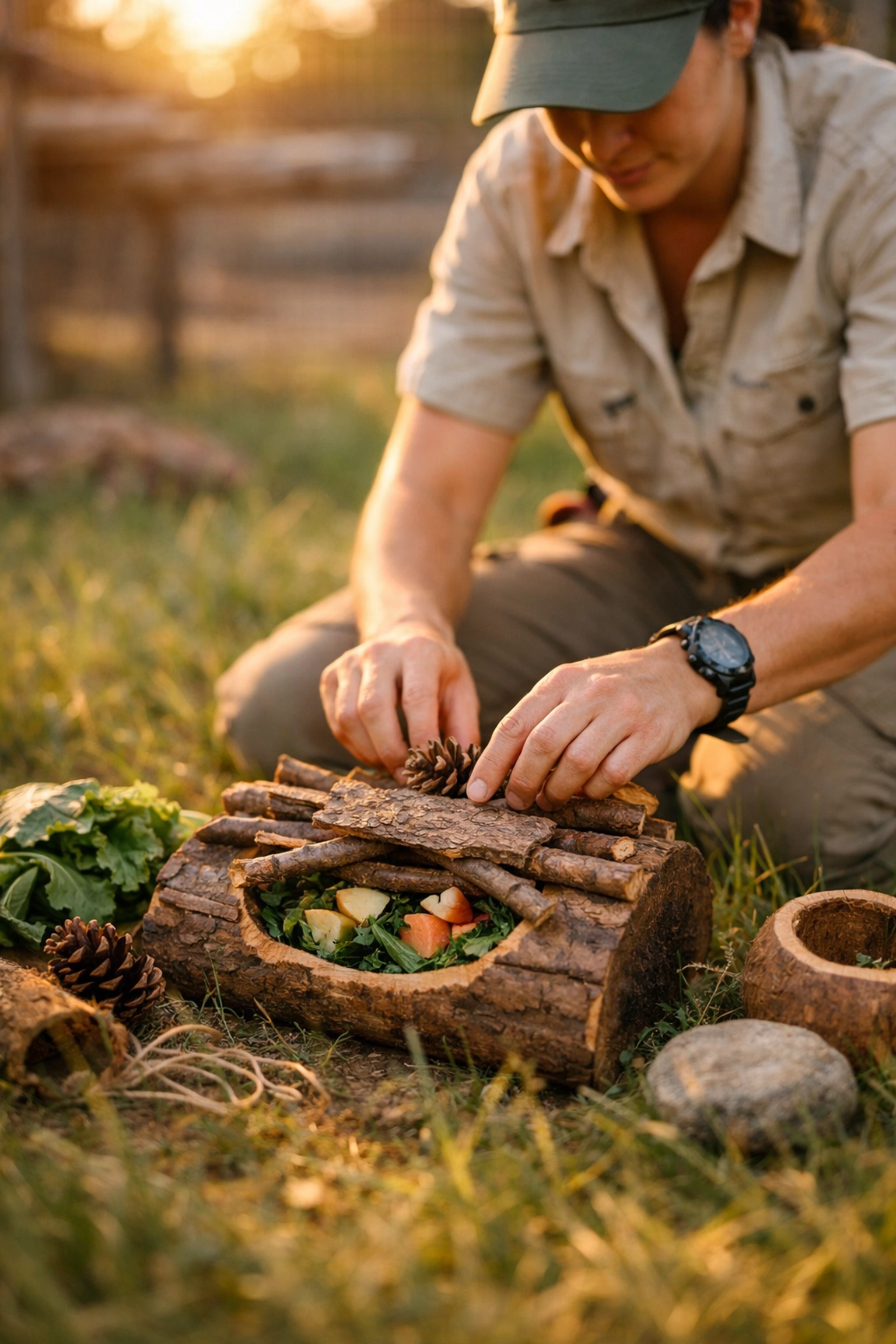
- Share behind-the-scenes content.
- Show the messy parts of conservation.
Honesty is more engaging than perfection.
Digital tools for the modern zoo
Your website is your front door.
It should be easy to use.
- Clear navigation.
- Simple donation buttons.
- High-quality media.
Check your privacy policy and user account pages. Every part of the digital experience should feel professional.
Summary of best practices
- Be direct. Use simple language.
- Be visual. High-quality photos change minds.
- Be honest. Show the work, not just the result.
- Be consistent. Match your marketing to your actions.
Sustainable marketing is not a trend. It is the new standard.
It is about building a future where wildlife and humans both thrive.
Moving forward
Ready to update your visual library?
High-quality imagery is the foundation of any wildlife campaign.
Browse our collection at zooimagery.com.
Connect with us on LinkedIn for daily insights on wildlife marketing and media trends.
Let's tell better stories together.
About Zoo Imagery
We provide high-quality stock photography and digital media solutions specifically for the zoo and aquarium industry. Our mission is to simplify wildlife marketing through powerful visuals.
Contact Us | Our Blog | FAQ


