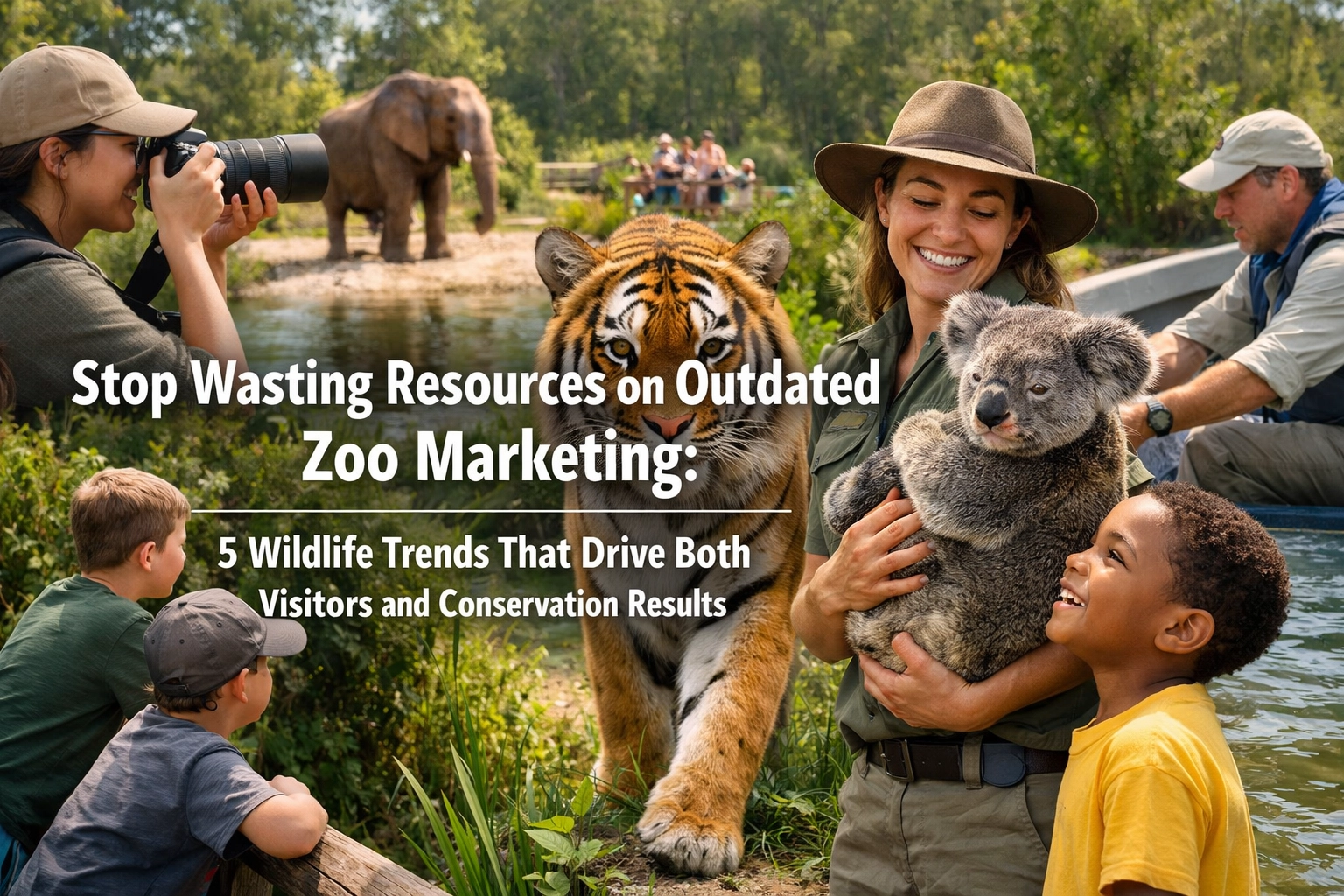
Stop Wasting Resources on Outdated Zoo Marketing: 5 Wildlife Trends That Drive Both Visitors and Conservation Results
Most zoo marketing still runs on autopilot. Billboards. Radio spots. Generic social posts.
The problem? Your audience moved on.
Modern visitors don't just want entertainment. They want purpose. They want to know their visit matters: that it contributes to something bigger than a day out.
The zoos winning right now understand this shift. They've abandoned broad-reach campaigns that waste resources and adopted targeted strategies that drive both attendance and conservation impact.
Here are five wildlife trends that separate leading institutions from the rest.
1. Conservation Messaging That Actually Connects
Stop calling yourself a "destination attraction." Start communicating what you actually do.
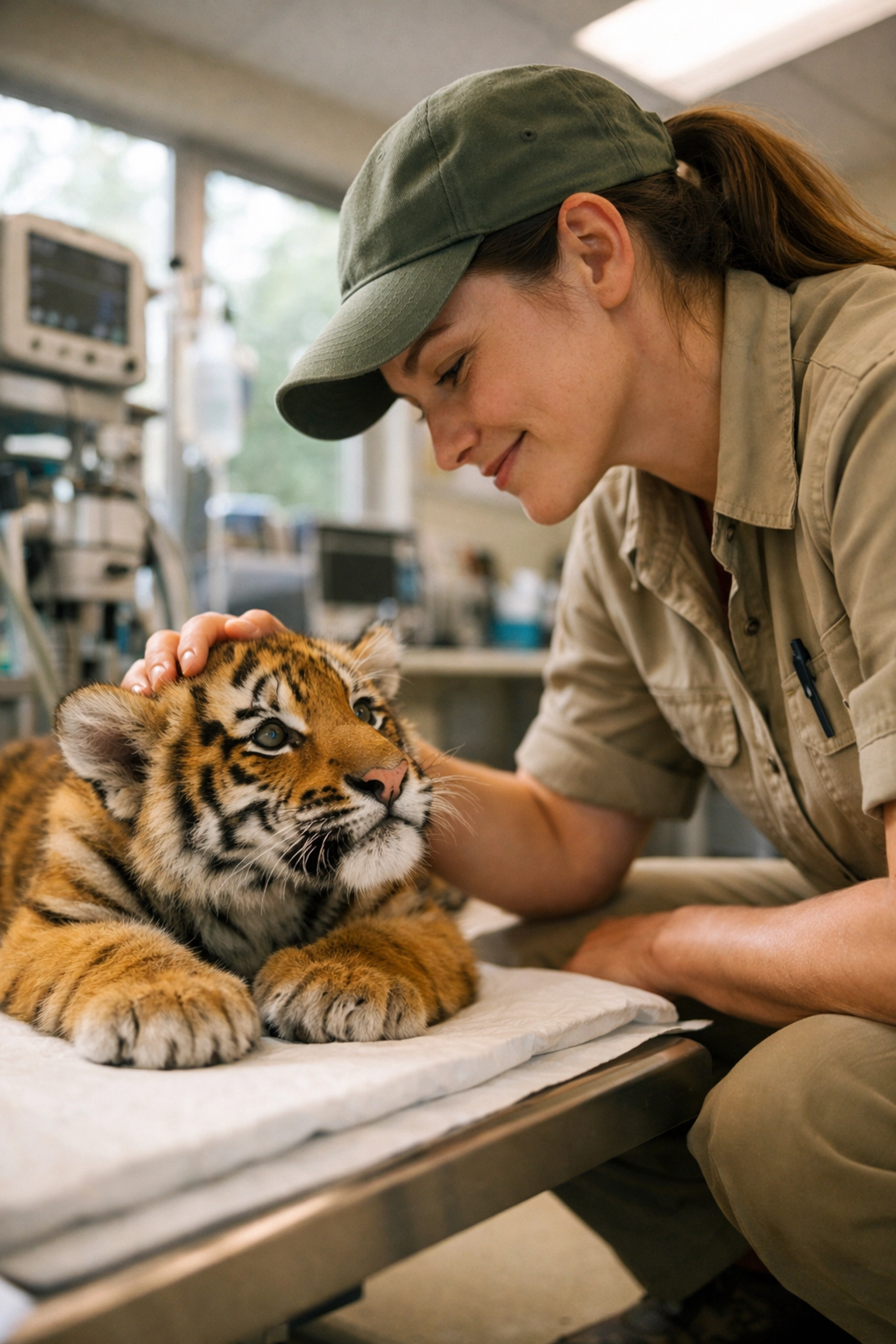
The shift is simple but powerful. Modern audiences respond to conservation stories: not generic entertainment promises. When visitors understand their ticket supports endangered species protection, habitat restoration, or breeding programs, engagement increases.
This isn't about adding a tagline. It's about restructuring your entire brand narrative around conservation work.
Successful zoos:
- Lead with species preservation stories
- Showcase specific conservation projects
- Demonstrate measurable impact
- Connect visitor experiences to conservation outcomes
The institutions struggling to fill capacity? Still positioning themselves as family fun destinations with animals as the backdrop.
Conservation messaging creates differentiation. It transforms a visit from optional leisure activity to meaningful contribution.
2. Digital Networks Replace Traditional Advertising
Billboards don't measure ROI. Digital platforms do.
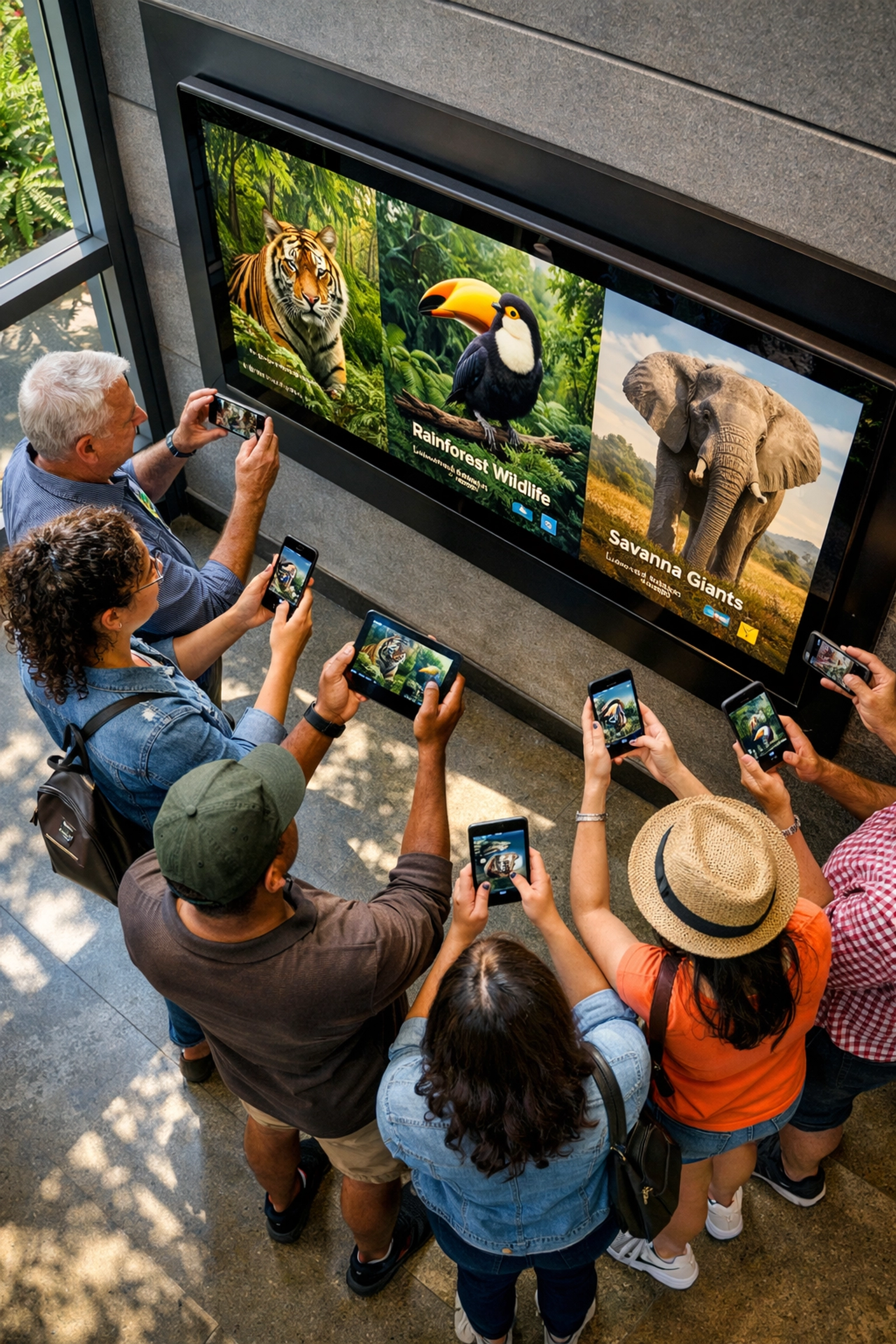
The most effective zoos consolidated their marketing spend into centralized digital networks. These platforms deliver live zookeeper shows, educational content, animal webcams, and behind-the-scenes footage directly to engaged audiences.
This approach solves multiple problems:
- Reaches audiences already interested in wildlife content
- Provides measurable engagement data
- Creates ongoing touchpoints beyond single visits
- Builds community around conservation efforts
Traditional advertising interrupts. Digital content attracts.
Instead of paying for broad exposure hoping someone converts, successful institutions invest in owned channels that build direct relationships with their core audience.
The result? Higher conversion rates and better resource allocation.
3. Mobile Experiences Drive On-Site Engagement
Your visitors arrived with smartphones. Use them.
Modern zoos implement mobile-first strategies that enhance the physical experience while capturing valuable data.
Smart venue technology includes:
- Real-time interactive displays
- Personalized mobile apps with navigation and scheduling
- Digital signage that responds to crowd flow
- Augmented reality experiences at key exhibits
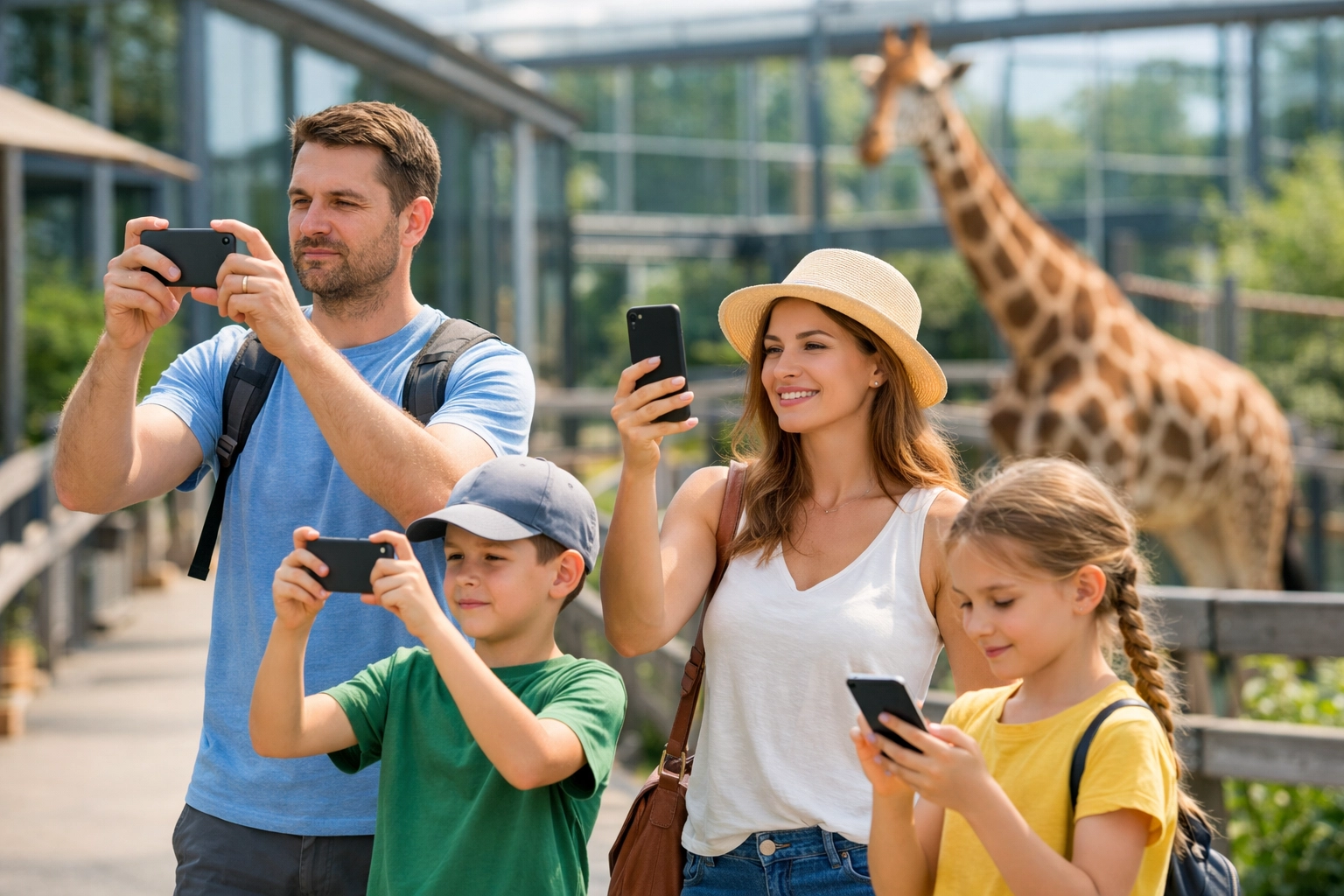
This technology doesn't replace the animal encounter. It enhances it.
A mobile app tells visitors when feeding demonstrations start. It explains conservation status for each species. It creates personalized journeys based on interests and time available.
The data captured helps optimize operations and refine marketing messages. You learn which exhibits generate most engagement, what content resonates, and how to improve visitor flow.
Traditional venues guess. Smart venues measure.
4. Multi-Channel Coordination Eliminates Waste
Running disconnected campaigns across multiple platforms wastes resources.
The alternative? Coordinate every touchpoint into one cohesive experience.
Successful campaigns integrate:
- Physical signage
- Digital displays
- Mobile engagement
- Email communications
- Social content
- Partnership activations
Each element reinforces the others. A conservation story starts on social media, continues through on-site digital displays, extends into the mobile app experience, and follows up through email storytelling.
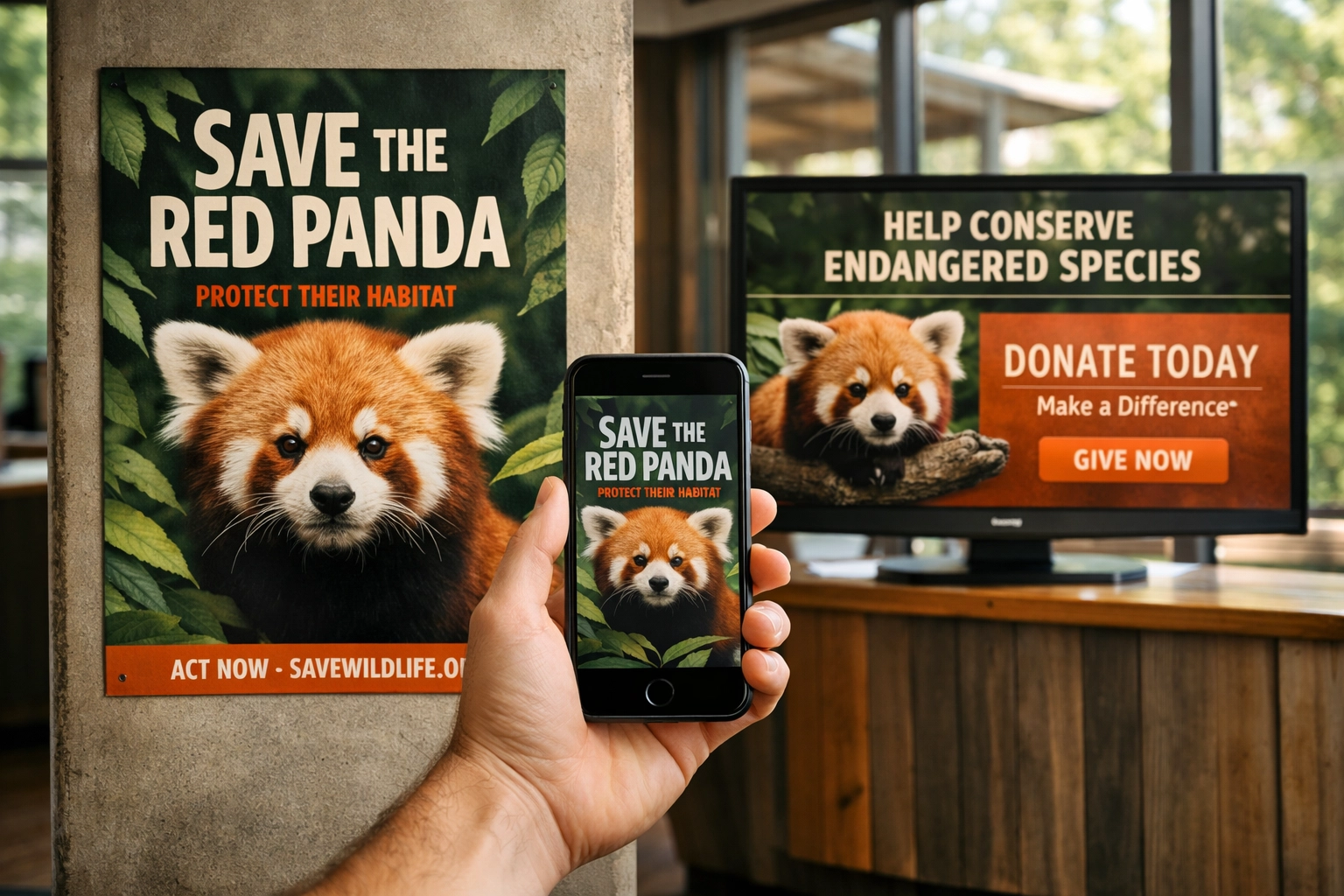
This coordination requires less total spend than scattered campaigns across disconnected channels. Resources concentrate where they create compound effects.
The key is treating marketing as an ecosystem, not a collection of individual tactics.
5. Data-Driven Personalization Replaces Broadcast Messaging
Generic messages reach everyone and connect with no one.
Modern zoos build core audiences through targeted data capture campaigns. They learn what different visitor segments care about and deliver relevant messaging to each.
This means:
- Families with young children see animal encounter opportunities
- Students receive educational program information
- Local residents get member events and behind-the-scenes access
- Conservation supporters hear about specific species protection work

Personalization increases both immediate conversion and long-term loyalty. Visitors feel understood rather than marketed to.
The shift from broadcast to personalized messaging requires infrastructure investment. But the ROI justifies it: particularly when budgets are finite and every dollar must perform.
What This Means For Your Marketing
These trends share one common thread: they align marketing resources with what actually drives results.
Conservation messaging attracts purpose-driven visitors. Digital platforms provide measurable engagement. Mobile technology enhances experiences while capturing data. Multi-channel coordination eliminates waste. Personalization increases conversion.
The institutions implementing these strategies see stronger attendance, higher membership conversion, and increased conservation program support.
The ones still relying on traditional broad-reach campaigns? They're competing for a shrinking pool of undifferentiated visitors.
The good news: shifting to modern wildlife marketing doesn't require massive budget increases. It requires reallocation.
Take resources currently spread across ineffective channels. Concentrate them where they create compound effects.
Start With What You Can Control
You don't need to implement all five trends simultaneously.
Start with conservation messaging. Audit your current brand positioning. Does it clearly communicate your conservation work? If not, restructure it.
Then tackle digital presence. Build or optimize owned channels that let you reach engaged audiences directly.
Add mobile experiences that enhance on-site visits while capturing behavioral data.
Coordinate campaigns across channels so every touchpoint reinforces the others.
Finally, use captured data to personalize messaging and increase relevance.
Each step builds on the previous one. Progress compounds.
The key is starting. The longer you rely on outdated approaches, the harder it becomes to catch up with institutions already implementing these strategies.
Need high-quality wildlife imagery that supports conservation storytelling? Explore our collection at zooimagery.com or connect with us on LinkedIn to see how authentic animal photography enhances marketing campaigns that drive both attendance and conservation impact.


