
Looking for Zoo Marketing That Drives Conservation Results? Here Are 10 Things You Should Know
Marketing that actually moves the needle on conservation looks different than entertainment promotion.
Most zoos know this. Few execute it well.
The gap between good intentions and measurable results comes down to strategy. Here's what works.
1. Lead With Your Conservation Mission, Not Your Attractions
Visitors don't remember the gift shop. They remember why your work matters.
Your marketing should reflect this reality. Put conservation front and center. Talk about the research happening behind the scenes. Share the breeding programs. Explain the field partnerships.
This doesn't mean hiding the fun parts. It means framing them differently. The splash pad isn't just entertainment: it's where families learn about freshwater conservation. The tiger exhibit isn't just impressive: it's supporting anti-poaching efforts in Southeast Asia.
Authenticity wins. Always.

2. Ask Your Audience What Actually Matters to Them
Stop guessing what your community cares about.
Evidence-based marketing starts with listening. Survey your members. Talk to first-time visitors. Engage staff across departments. Find out which conservation actions resonate most with your specific audience.
A coastal aquarium might discover their community cares deeply about ocean plastics. An inland zoo might find stronger support for habitat restoration projects.
This research shapes everything. Your campaigns. Your partnerships. Where you invest resources. The conservation behaviors you promote.
Different communities care about different things. Your marketing should reflect this.
3. Structure Every Campaign Around One Clear Goal
Awareness. Fundraising. Behavior change.
Pick one primary objective per campaign. Supporting goals are fine. But confusion kills results.
An awareness campaign educates about a specific conservation challenge. Simple messaging. Wide reach. Light ask.
A fundraising campaign shows exactly where dollars go. Compelling visuals. Emotional storytelling. Clear donation path.
A behavior change campaign provides practical actions people can take immediately. Specific steps. Easy implementation. Visible impact.
The best campaigns flow naturally from awareness to action. But each phase needs focus.

4. Frame Conservation as Collaboration, Not Guilt
People tune out blame. They lean into partnership.
Your messaging should invite participation, not assign fault. "We're working together to protect these species" beats "humans are destroying habitats" every time.
This isn't about sugarcoating problems. It's about psychology.
Shared values create community. Guilt creates distance. Focus on what we can do, not what we've done wrong.
Show your zoo as a hub where people join something bigger than themselves. That's powerful.
5. Tell Stories That Stick
Data informs. Stories move.
Share the orphaned elephant being raised by keepers. The coral restoration project saving reefs. The local volunteer who comes every Tuesday to prep enrichment for primates.
Mix challenges with wins. Conservation isn't all doom. Show the progress. Celebrate the victories. Let people see their contributions matter.
Use compelling visuals throughout. Video clips. Before-and-after images. Infographics that simplify complex concepts.
People forget statistics. They remember narratives.
6. Create Experiences That Go Beyond Reading
Interactive beats passive. Every time.
Text-heavy signage gets skipped. Hands-on activities get remembered.
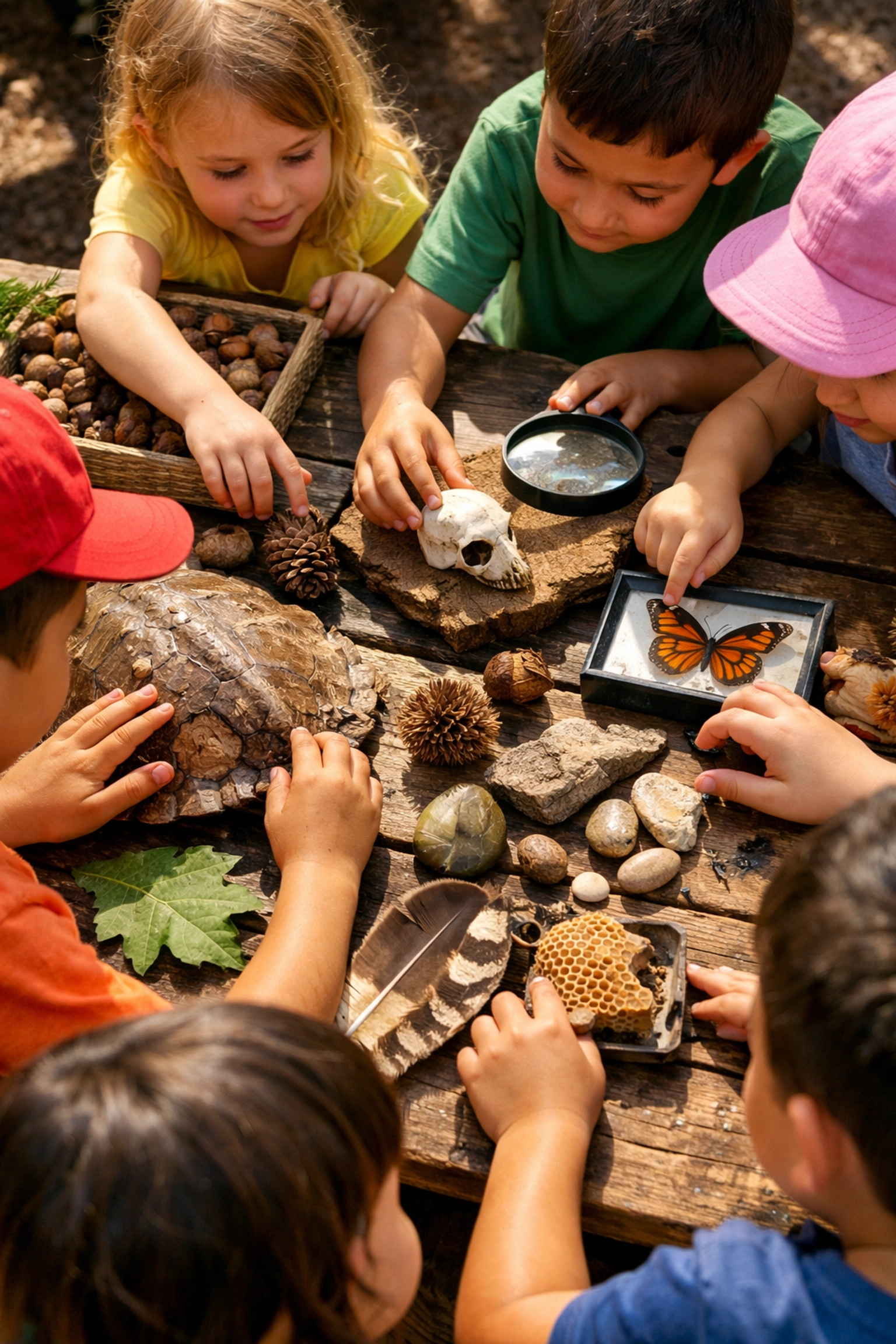
Design exhibits where visitors participate. Touch stations. Digital displays. Scavenger hunts. Behind-the-scenes tours. Keeper talks that answer real questions.
The more senses you engage, the stronger the memory. The stronger the memory, the more likely people are to act on what they learned.
This applies to digital marketing too. Quizzes. Virtual tours. Interactive donation tracking. Make it engaging.
7. Partner Strategically to Amplify Your Message
You can't do everything alone. You shouldn't try.
Find organizations with aligned missions and complementary audiences. Conservation NGOs. Environmental education groups. Local universities. Wildlife photographers.
These partnerships extend your reach and add credibility. A joint campaign with a respected conservation group carries more weight than going solo.
Look for ambassadors too. Scientists. Educators. Local influencers who genuinely care about your work.
Authentic partnerships amplify impact. Forced ones feel hollow.
8. Make the Next Step Ridiculously Clear
Inspiration without direction wastes potential.
Every campaign needs a specific call-to-action. Not "get involved" or "learn more." Too vague.
Try:
- Donate to our sea turtle rehabilitation fund
- Sign up for our conservation volunteer program
- Switch to reef-safe sunscreen
- Adopt a sustainable seafood pledge
- Share this post to spread awareness
The more specific the ask, the higher the conversion. Show exactly how taking this action creates impact.
One campaign. One clear next step.
9. Use Social Media Like the Conservation Tool It Is
Social platforms aren't just promotion channels. They're conservation vehicles.
Strategic social media drives real-world behavior change. Increases conservation funding. Influences policy decisions.
But it requires intentionality.
Share time-sensitive conservation news. Highlight species that need immediate attention. Create shareable content that educates while it spreads.
Behind-the-scenes content performs well. Morning routines with keepers. Animal training sessions. Conservation work happening off-exhibit.
Go live when something interesting happens. Hatching events. New arrivals. Rescue stories.
Make your audience feel like insiders in your conservation work.
10. Segment Your Messaging for Different Audiences
Not everyone connects the same way.
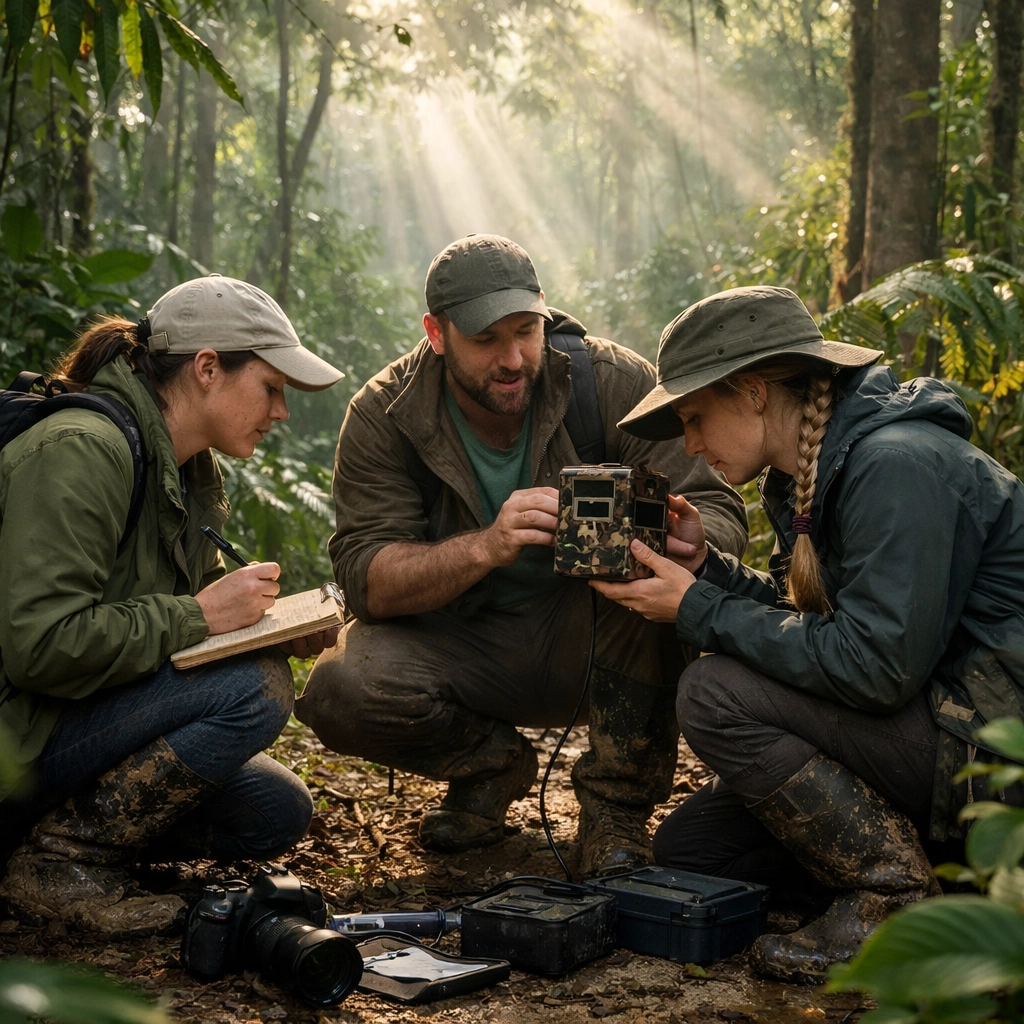
Your most dedicated members care about different things than school groups. First-time families have different interests than conservation professionals.
Create audience personas. Understand their values. Tailor your messaging accordingly.
Young families might respond best to playful content about animal babies and conservation activities for kids. Adult members might engage more with scientific research updates and exclusive behind-the-scenes access. Corporate partners want data on community impact and meaningful engagement opportunities.
One-size-fits-all marketing wastes resources. Targeted messaging drives results.
Making It Work
Conservation marketing that actually works requires patience. Testing. Refinement.
Start with one or two principles. Implement them fully. Measure what happens. Adjust based on results.
The zoos seeing real conservation impact from their marketing aren't doing everything at once. They're doing the right things consistently.
Your audience wants to help. They just need clear direction and authentic connection.
Give them both.
Need compelling visuals for your conservation marketing? Zoo Imagery provides professional wildlife photography specifically for zoos and aquariums. Browse our collection at zooimagery.com or connect with us on LinkedIn to see how the right imagery amplifies your conservation message.


