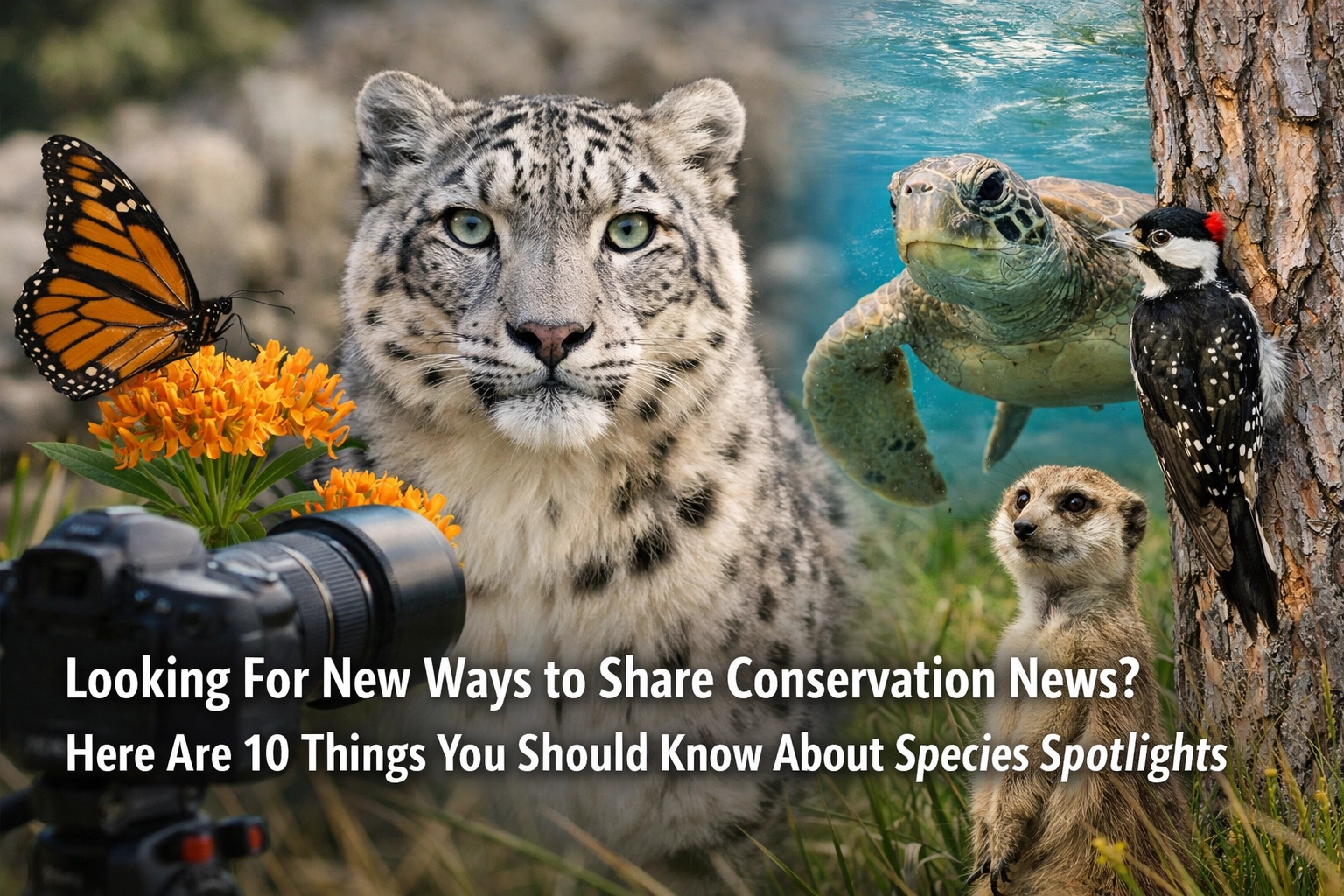
Looking For New Ways to Share Conservation News? Here Are 10 Things You Should Know About Species Spotlights
Conservation news often gets lost.
Data can feel heavy.
Species spotlights change the delivery.
They move the focus from abstract problems to specific lives.
At Zoo Imagery, we provide the visual framework for these stories.
Here are 10 things you should know about species spotlights and why they matter for conservation in 2026.
1. The Power of Priority
Conservation efforts work best when focused.
The "Species in the Spotlight" initiative was launched by NOAA Fisheries in 2015.
It targets the most at-risk marine species.
Resources are finite.
Spotlights ensure resources reach the species that need them most.
2. High-Risk Species Under the Lens
There are currently 10 key species in the primary spotlight.
Atlantic salmon (Gulf of Maine).
Central California Coast coho salmon.
Cook Inlet beluga whale.
Hawaiian monk seal.
North Atlantic right whale.
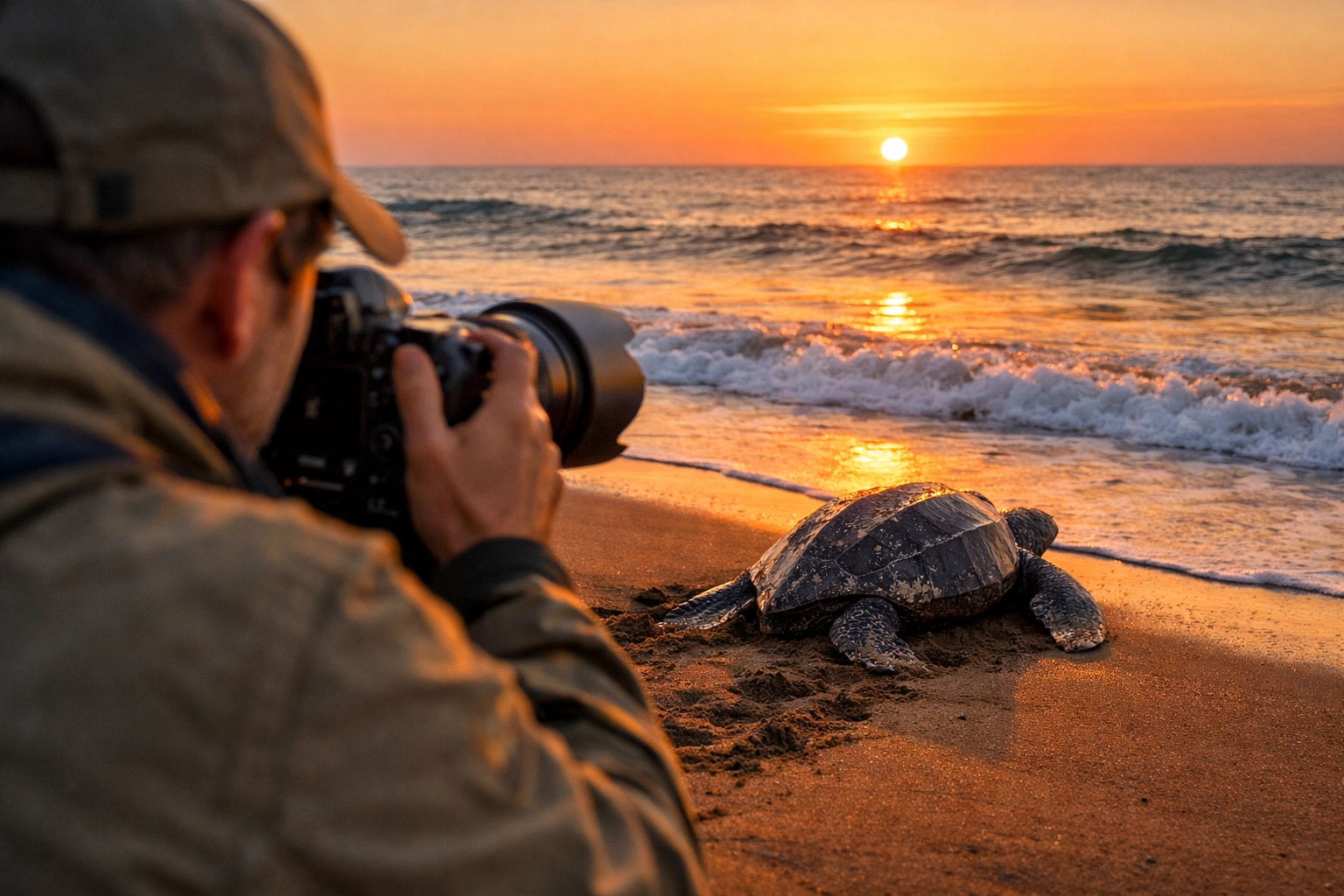
Pacific leatherback sea turtle.
Rice’s whale.
Sacramento River winter-run chinook salmon.
Southern resident killer whale.
White abalone.
These aren't just names.
They are populations on the edge of extinction.
Spotlights keep them in the public eye.
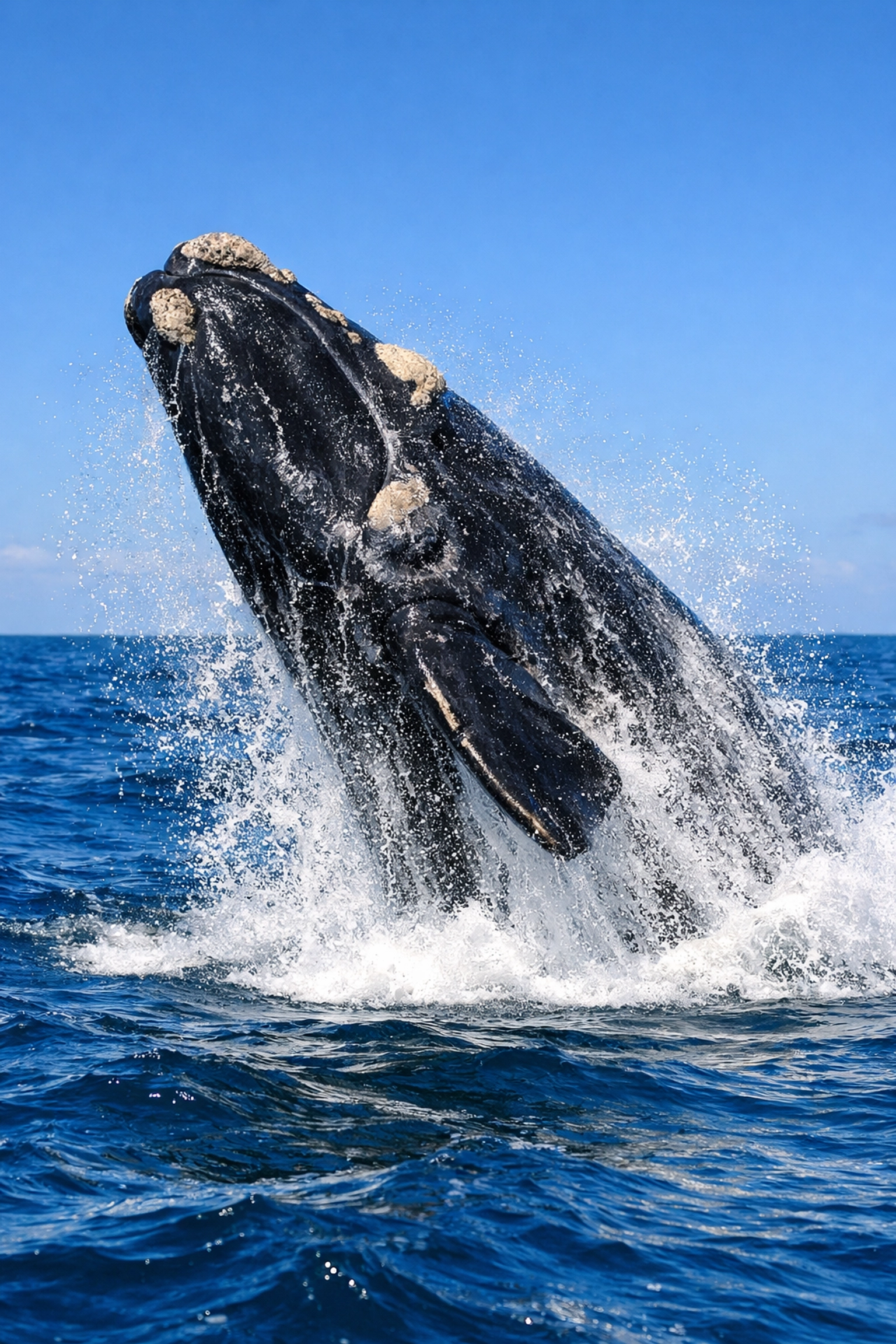
3. Visual Storytelling is Mandatory
A list of names isn't enough.
People need to see what they are saving.
High-quality photography bridges the gap.
Zoo Imagery specializes in this.
Simple, clear images of animals.
No distractions.
Visuals drive engagement more than text alone.

4. Direct Action and Stabilization
Spotlights are not just about awareness.
They are about halting decline.
Targeted actions.
Immediate intervention.
The goal is to stabilize populations quickly.
Once stable, the work moves toward long-term recovery.
5. Captive Breeding and Reintroduction
Recovery often starts in a controlled environment.
Captive breeding programs are essential.
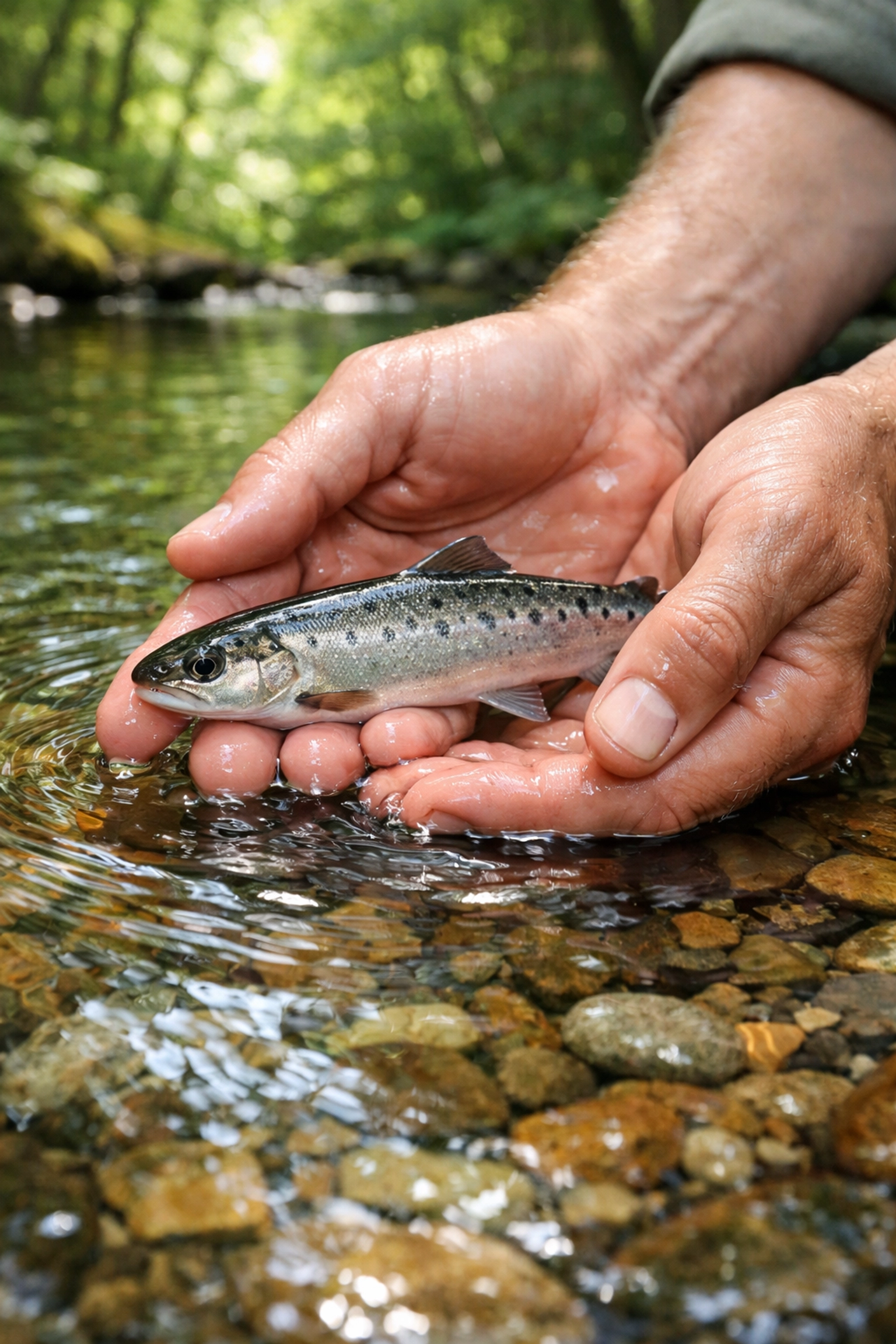
Releasing juveniles back into the wild.
Success example: 106,000 smolts released from captive rearing programs.
Another example: Thousands of juvenile white abalone outplanted to the wild.
These milestones deserve to be documented.
Sharing these moments builds trust with your audience.
6. Habitat Restoration Milestones
You cannot save a species without saving its home.
Restoration is a core pillar of species spotlights.
200 miles of streams restored.
Removing dams.
Cleaning coastlines.
These are physical changes.
Showing the "before and after" of a habitat is powerful conservation storytelling.
7. Strategic Partnerships
Zoos and aquariums do the heavy lifting.
They provide the expertise.
They provide the care.
Corporate partners provide the support.
Species spotlights allow for "Presented by" animal pages.
This creates a clear link between a business and a specific conservation goal.
It is transparent.
It is direct.
8. Engaging the Public Digitally
Digital media is the primary tool for education.
People consume conservation news on phones and tablets.
Short fragments of information.
High-resolution images.
Easy to share.
Species spotlights are designed for this format.
They are bite-sized.
They are impactful.

9. Measuring Real Success
Data matters.
Numbers tell the truth.
Species spotlights allow for clear reporting.
Number of animals born.
Number of acres protected.
Percentage of population growth.
Presenting data plainly builds credibility.
No hype needed.
The facts speak for themselves.
10. The 2026 Milestone
We are in a new era of digital media.
Stock photography is no longer just about fillers.
It is about purpose.
Zoo Imagery is proud to reach new milestones in supporting these initiatives.
We provide the tools for zoos to tell their stories.
We help aquariums showcase their successes.
Conservation news is evolving.
Why Species Spotlights Work
They humanize science.
They simplify the complex.
They focus on the individual.
When you spotlight a Hawaiian monk seal, you aren't just talking about ocean health.
You are talking about a specific life.
That connection is what drives change.
How to Use This Content
Use these spotlights in your newsletters.
Post them on your social media.
Update your website.
Keep it simple.
Let the animal be the star.
Transparency in Conservation
We don't over-explain.
The struggle is real.
Extinction is a threat.
But success is happening.
Sharing the truth: both the challenges and the wins: is the best way to build a community.
Moving Forward
Conservation storytelling is our priority.
High-quality visuals are our tool.
Simple messaging is our method.
Join us in sharing these stories.
Learn more about our work and how we support conservation imagery at https://zooimagery.com/about-us.
Visit our blog for more species updates.
Follow our milestones on LinkedIn.
Simple. Direct. Impactful.
Let’s keep the spotlight where it belongs.


