
Looking for Long-Term Zoo Marketing Results? Here Are 10 Sustainable Visitor Engagement Strategies That Drive Impact
Quick wins feel good. But they don't last.
If you're running marketing for a zoo or aquarium, you know the pressure. Hit attendance targets. Drive memberships. Keep donations coming. But chasing short-term spikes burns everyone out: your team, your budget, your audience.
The zoos seeing real growth? They're playing a different game. They build campaigns that work month after month, year after year. Strategies that align with their mission while actually moving numbers.
Here's what's working right now.
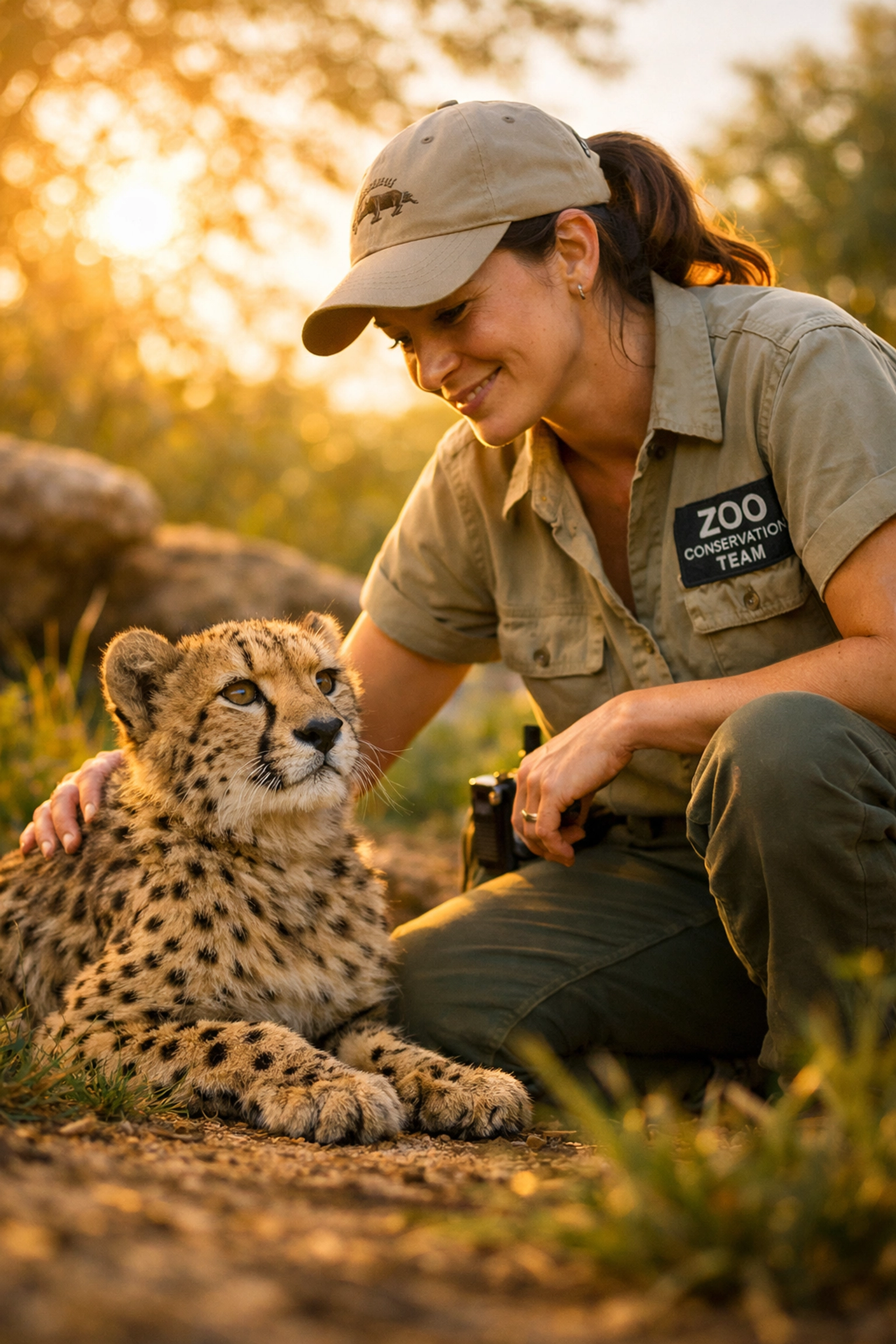
1. Lead with Conservation, Not Just Entertainment
Your visitors care about more than seeing cool animals. They want to know their visit matters.
Put conservation messaging front and center. Show the impact. Share what your team is doing to protect species, restore habitats, support field research.
This isn't about adding feel-good fluff to your website. Make it central to every campaign. Your ads, your social posts, your email newsletters: all of it.
People remember how you made them feel about contributing to something bigger.
2. Build Exhibits That Tell Real Stories
A bear in an enclosure is fine. A bear in a recreated Alaskan habitat with context about climate change and ecosystem health? That's a story.
Design your exhibits: and your marketing around them: to communicate broader ecological narratives. Help visitors understand the "why" behind what they're seeing.
When you promote new exhibits, don't just announce "Come see our new tiger habitat." Frame it: "Experience how Siberian tigers adapt to harsh climates and why protecting their territory matters for biodiversity across Asia."
Context creates connection.
3. Share Individual Animal Stories
Meet Kali, the elephant who arrived as a rescue. Or Finn, the otter who plays with enrichment toys your donors funded.
Individual animal stories work because they're specific. They give people something to care about beyond abstract concepts.
Feature animals regularly across your channels:
- Behind-the-scenes care routines
- Personality quirks and favorite activities
- Health milestones and veterinary care
- How they came to your facility
These narratives generate repeat visits. People come back to check on "their" animals. They share updates with friends. They donate to specific animal care funds.
Personal beats generic every time.
4. Create Interactive, Immersive Experiences
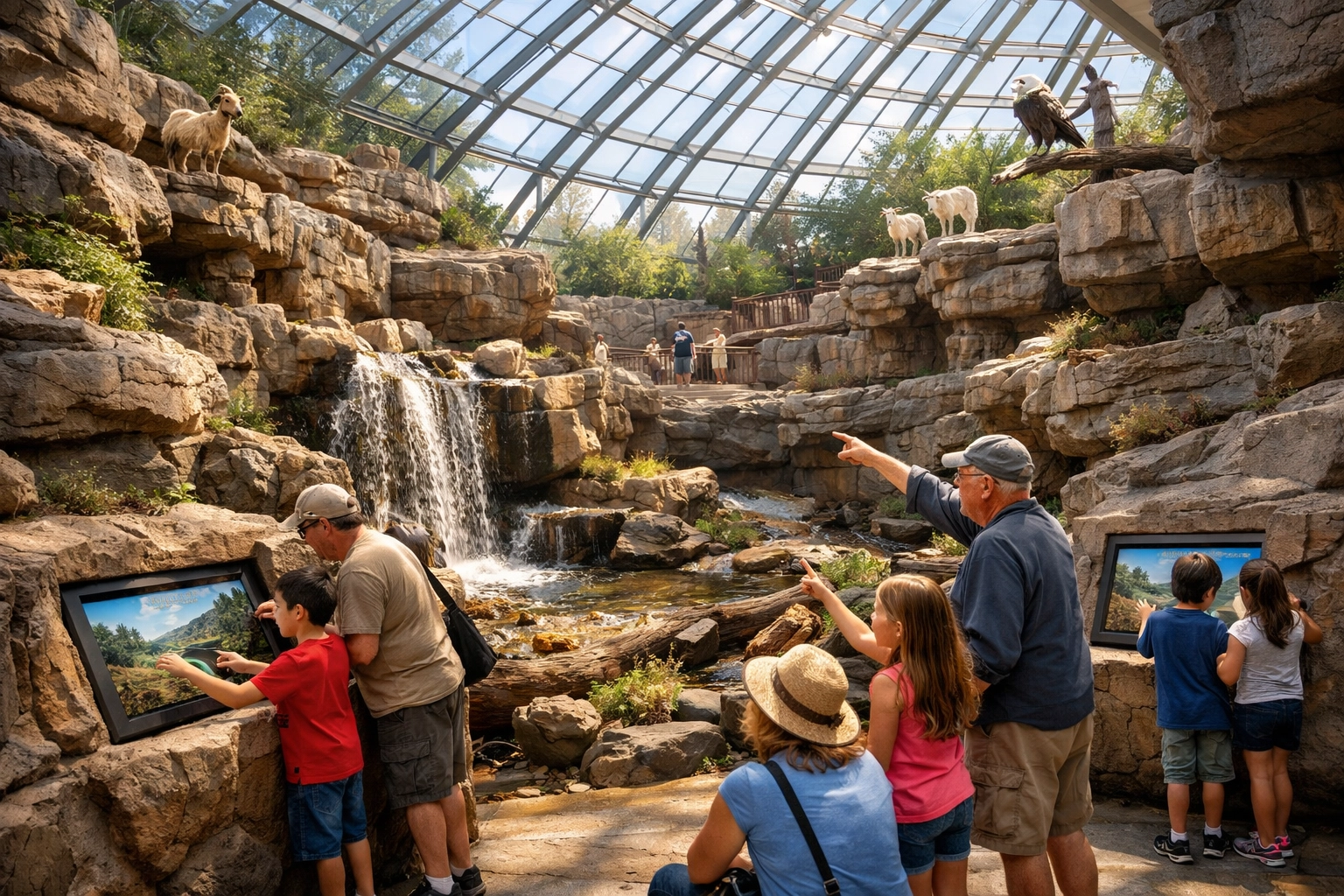
Text panels? People walk past them. Interactive displays where kids can match animal tracks? They crowd around.
Hands-on experiences create memories that passive observation can't match. They also create social media moments people actually share.
Think:
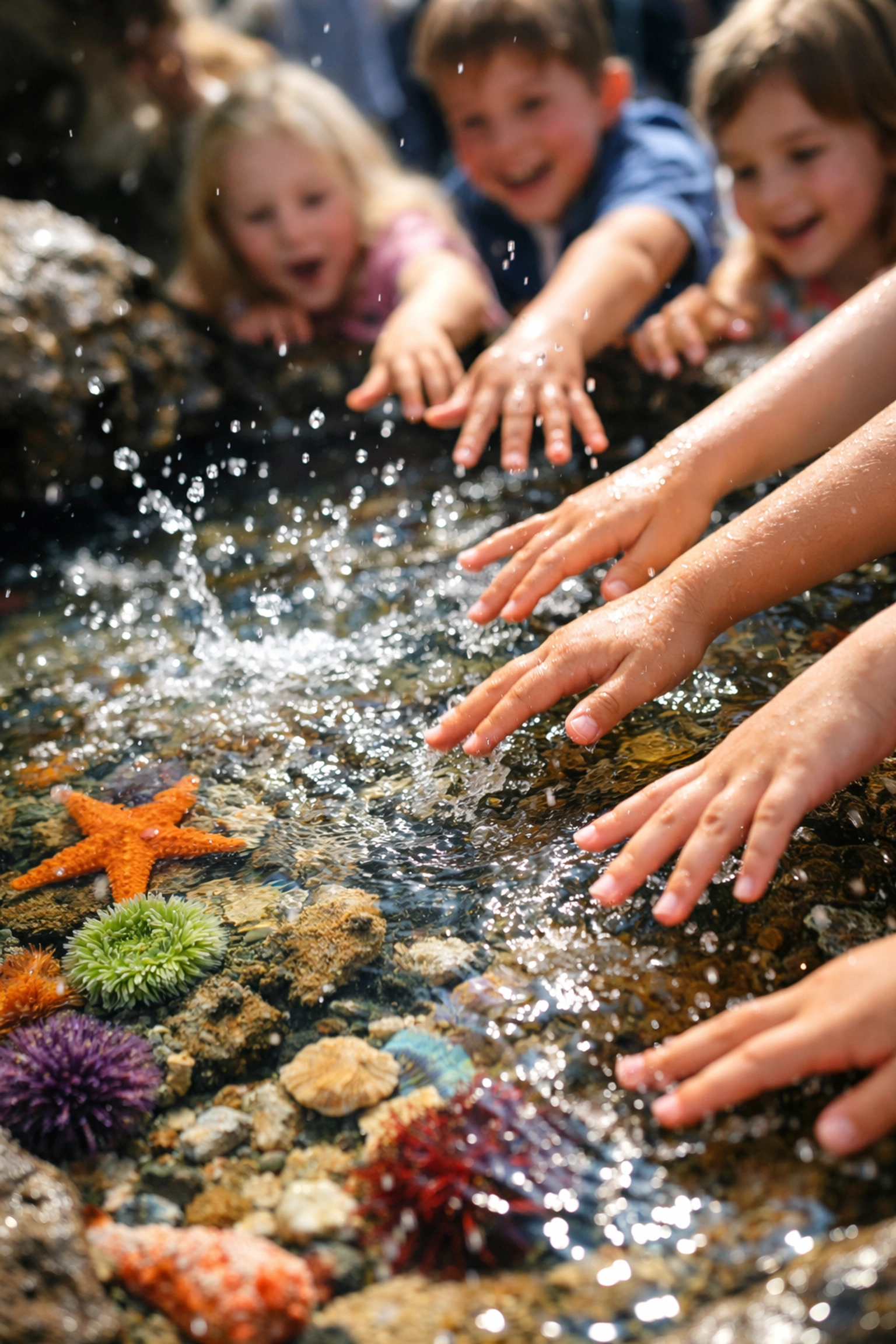
- Touch pools and feeding opportunities
- AR experiences that show migration patterns
- Interactive quizzes about conservation
- Keeper talks where visitors ask questions
- Photo ops designed for sharing
Market these experiences as core reasons to visit. Not add-ons. Core features.
5. Use Emotional Storytelling (The Real Kind)
Storytelling isn't a buzzword. It's how humans process information and make decisions.
The best zoo campaigns tap into specific emotions:
- Wonder at nature's complexity
- Empathy for species facing challenges
- Responsibility to protect what we have
- Pride in contributing to solutions
Share authentic stories about your conservation work. Show rescued animals thriving. Document species recovery programs. Highlight staff dedication.
Skip the corporate-speak. Write like you're telling a friend why this work matters.
6. Maintain Consistent Social Media Presence
Social media isn't optional anymore. But doing it well requires consistency, not perfection.
Post regularly:
- Animal photos and videos (the basics still work)
- Behind-the-scenes staff moments
- Conservation updates and wins
- Visitor experiences and testimonials
- Seasonal events and special exhibits
Run simple engagement campaigns. Photo contests. Caption competitions. "Guess the animal" posts. User-generated content with specific hashtags.
The goal isn't viral moments. It's staying visible and building community.
7. Build Strategic Community Partnerships
Your zoo doesn't exist in isolation. Partner with organizations that expand your reach while aligning with your mission.
Worth exploring:
- Local tourism boards for visitor campaigns
- School districts for educational programming
- Environmental nonprofits for conservation initiatives
- Businesses for corporate memberships and events
- Universities for research collaboration
These partnerships share marketing resources, create cross-promotion opportunities, and strengthen your community presence.
Plus, they often open doors to audiences you couldn't reach alone.
8. Position Education as Central, Not Secondary
Education isn't just programming for school groups. It's a core differentiator.
Develop and promote:
- Specialized workshops and classes
- Guided tours with expert insights
- Lecture series on wildlife topics
- Family programs that teach together
- Professional development for educators
Market your zoo as a learning destination. This attracts families looking for meaningful outings, teachers planning field trips, and adults seeking expert knowledge.
Educational programming also builds credibility that makes all your other messaging stronger.
9. Showcase Your Environmental Practices
If you're reducing plastic use, say so. Running renewable energy? Tell people. Composting and recycling? Make it visible.
Environmental practices aren't just operations decisions. They're proof points that reinforce your conservation message.
Visitors notice when your actions match your words. And they're more likely to support organizations that demonstrate real commitment, not just talk.
Include these practices in your marketing materials. Signage throughout your facility. Social media updates. Press releases. Member communications.
Transparency builds trust.
10. Embrace Video Content Across Channels
Video isn't the future anymore. It's the present.
Use video for:
- Virtual tours and exhibit previews
- Animal behavior and enrichment moments
- Visitor testimonials and experiences
- Conservation project updates
- Staff spotlights and expert insights
Short clips work on social media. Longer content fits email campaigns and your website. Both drive engagement better than static images alone.
The production doesn't need to be expensive. Smartphone footage of authentic moments often performs better than polished studio work.
People want real, not perfect.
Making It Work Long-Term
These strategies share something important: they're not tactics you deploy once and forget. They're systems you build and maintain.
Start with one or two. Get them running smoothly. Add others as capacity allows.
The zoos seeing sustainable results aren't doing everything at once. They're choosing strategies that fit their mission, resources, and audience: then executing consistently.
Month after month. Season after season.
That's how you build marketing that actually lasts.
Need visual content that supports your conservation messaging? Check out our wildlife photography library at zooimagery.com or connect with us on LinkedIn for marketing insights tailored to zoos and aquariums.


