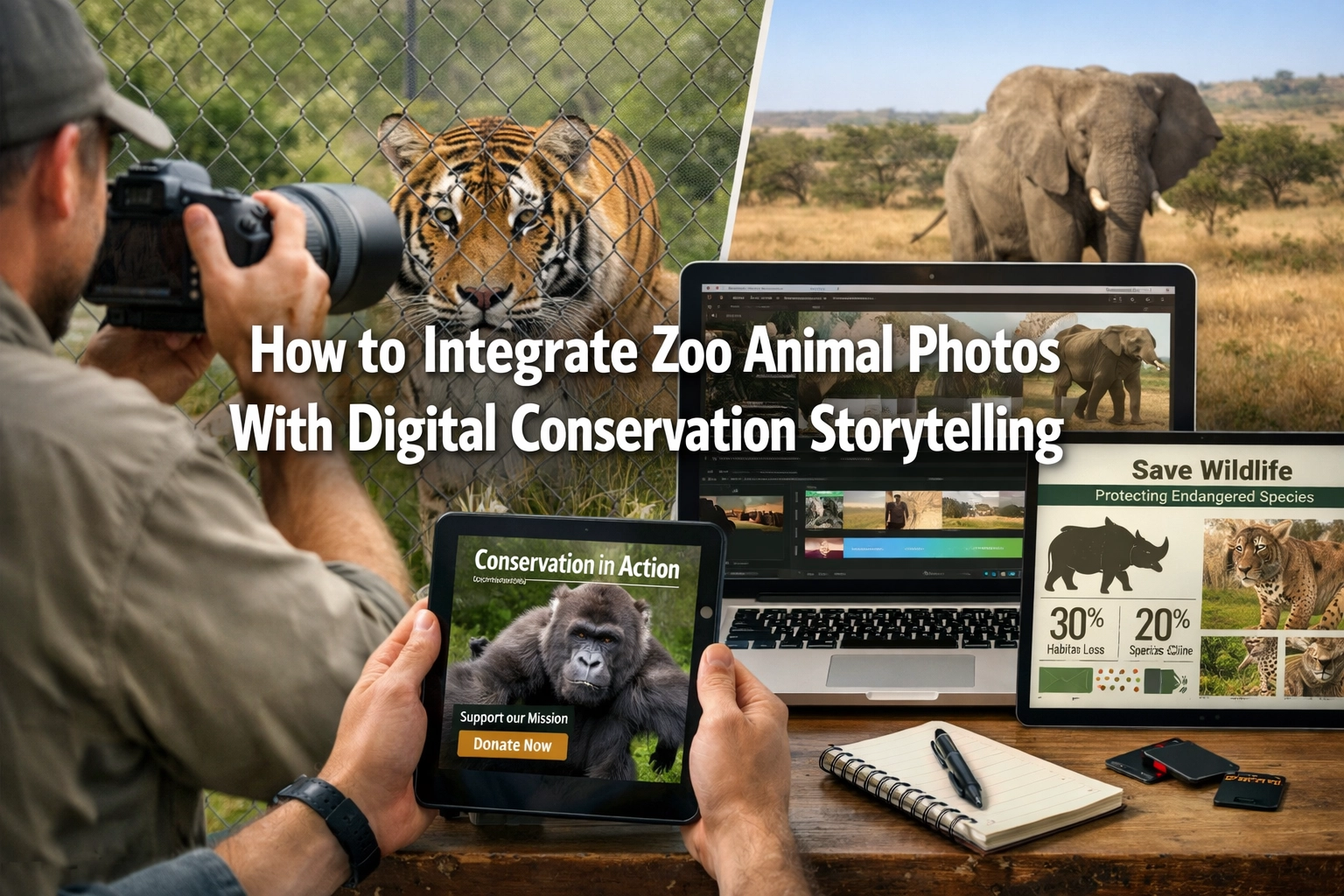
How to Integrate Zoo Animal Photos With Digital Conservation Storytelling
A single photo starts a conversation. At Zoo Imagery, we bridge the gap between high-quality photography and meaningful conservation work. Photos aren't just assets. They are digital ambassadors for species that cannot speak for themselves.
The Role of Photography in Conservation
Visuals move the needle. Facts provide the foundation, but imagery provides the hook. In digital storytelling, your goal is to reduce the distance between the viewer and the wildlife.
Direct Impact:
- Increases engagement on social platforms.
- Drives traffic to conservation donation pages.
- Builds emotional equity with a brand.
- Simplifies complex biological data.

Zoo Imagery Milestones: March 2026
We continue to expand our reach. This month marks a significant milestone for Zoo Imagery. Our library has surpassed a new threshold of high-resolution, ethically sourced animal images.
Current Progress:
- Expanded partnerships with three major North American zoos.
- New "Species Spotlight" series launched.
- Enhanced metadata for better searchability in conservation archives.
- 15% increase in media downloads for educational use.
Our mission remains simple. Provide the best media for those protecting the planet.
Strategic Visual Integration
Integrating photos requires more than just uploading a file. It requires intent.
1. Focus on the Eyes
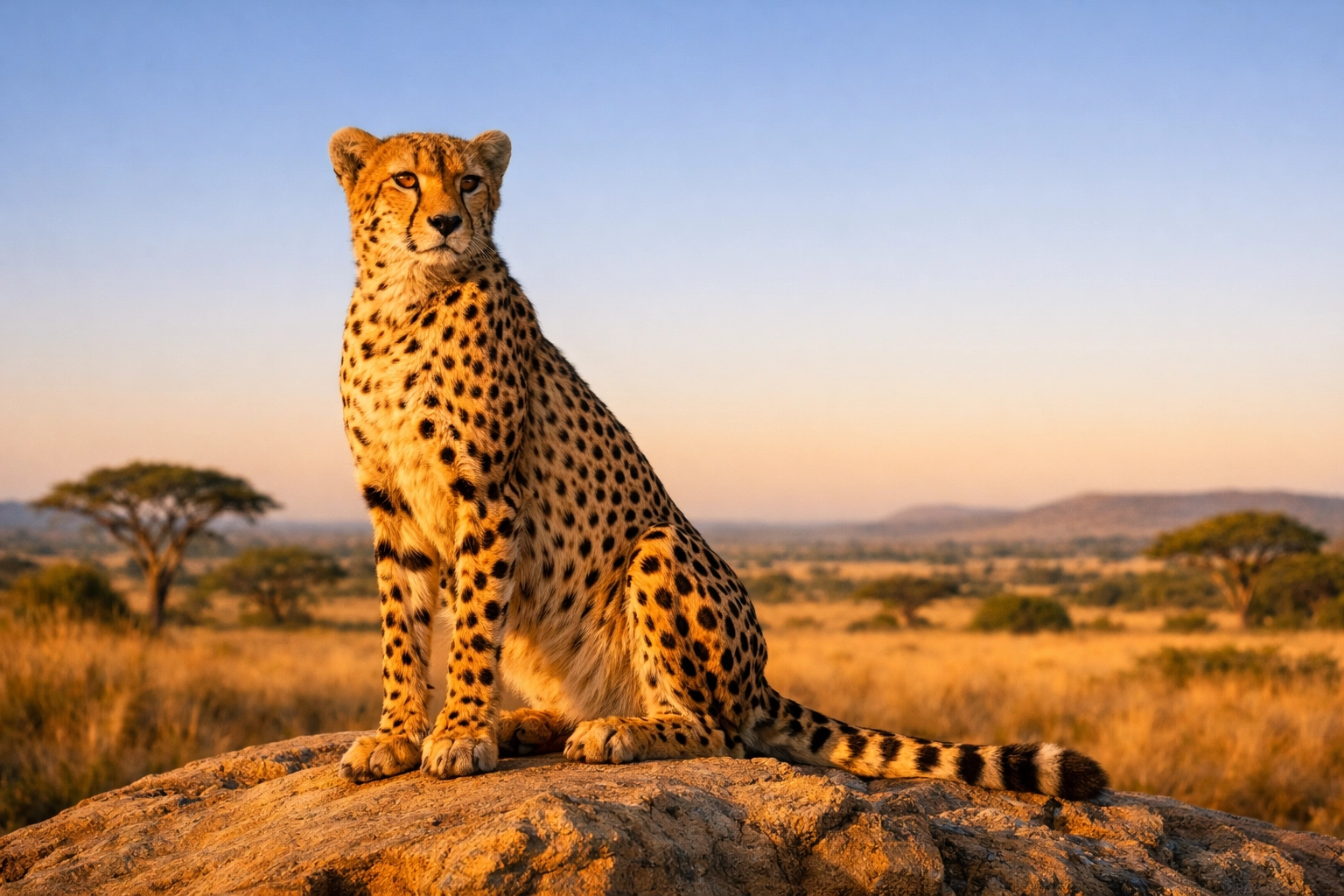
The "eye contact" rule is vital. When an animal looks directly into the lens, it creates a psychological connection with the human viewer. It fosters empathy. Use these shots for high-stakes conservation messaging.
2. Show the Environment
Conservation isn't just about the animal. It is about the habitat. Include wide shots that show the complexity of the ecosystem. This contextualizes why the species is at risk.
3. Human-Animal Interaction
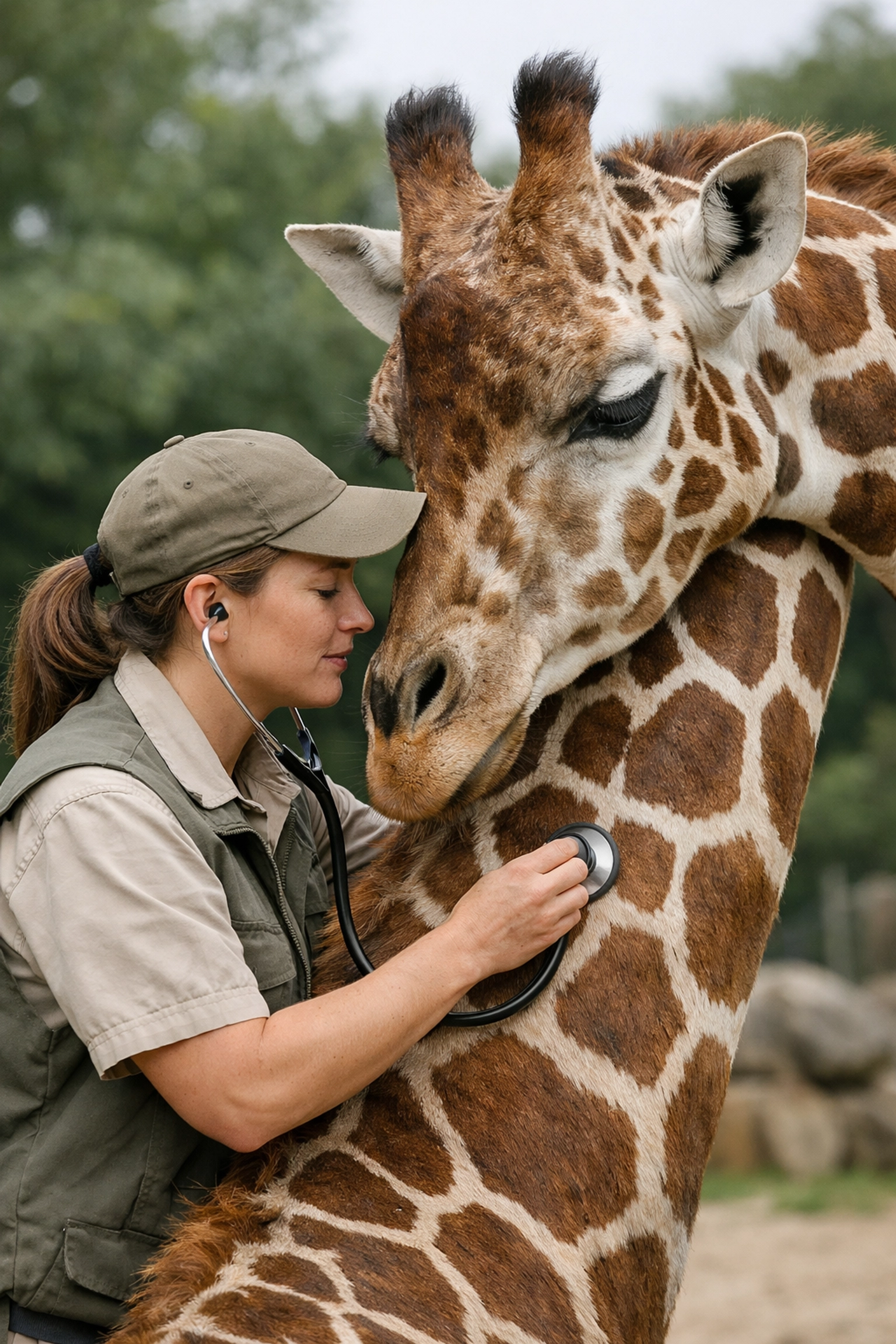
Highlight the caretakers. Photos of zookeepers, veterinarians, and field scientists provide a "hero" element to the story. It shows that action is being taken.
Species Spotlight: The Amur Leopard
The Amur leopard is one of the rarest big cats on Earth. With fewer than 100 individuals left in the wild, every photo counts.
Conservation Storytelling for the Amur Leopard:
- The Challenge: Habitat loss and poaching.
- The Narrative: Resilience in the face of extinction.
- The Visual: A sleek cat moving through a snowy landscape. High contrast. Sharp focus.
- The Goal: Awareness of the Amur Leopard’s unique status as a "cold-weather" leopard.
By using high-resolution imagery from Zoo Imagery, organizations can tell this story without the cost of a field expedition. Digital media makes the impossible visible.
Building Your Digital Narrative
A successful campaign follows a logical path.
Structure of a Conservation Post:
- The Hook: A stunning, high-contrast animal portrait.
- The Problem: A short fragment explaining the threat.
- The Solution: What the zoo or organization is doing right now.
- The CTA: A direct link to help or learn more.
Keep the language simple. Avoid jargon. Let the photo do the heavy lifting.
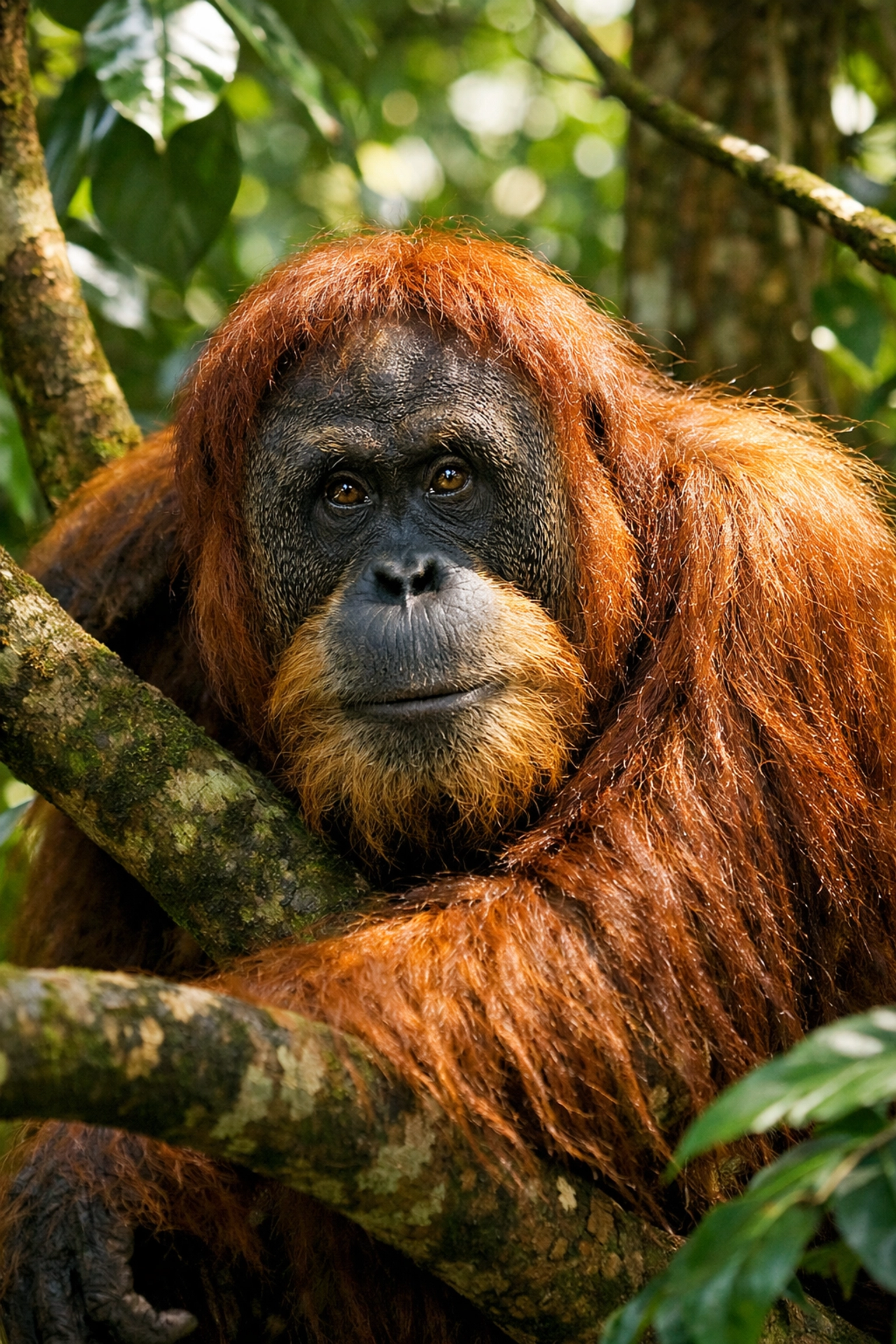
Species Spotlight: The Sumatran Orangutan
Orangutans are the "gardeners of the forest." Their survival is tied to the survival of the rainforest.
Narrative Strategy:
- Visuals: Close-ups of hands or facial expressions. These mirror human features.
- Messaging: Focus on palm oil sustainability and habitat protection.
- Tone: Urgent but hopeful.
ESG and Corporate Responsibility
Companies today are looking for ways to align with ESG (Environmental, Social, and Governance) goals. Zoo animal photography provides a tangible way for corporations to support conservation.
How to use images for ESG:
- Annual impact reports.
- Internal sustainability newsletters.
- Sponsored species pages.
- Digital lobby displays.
Zoo Imagery provides the assets needed for these professional applications. No fluff. Just quality media.
Technical Excellence in Photography
Storytelling fails if the quality is low. We prioritize technical standards that meet the needs of modern digital platforms.
Our Standards:
- High dynamic range.
- Accurate color profiles.
- Ethical distance from the subjects.
- Clean compositions for text overlays.
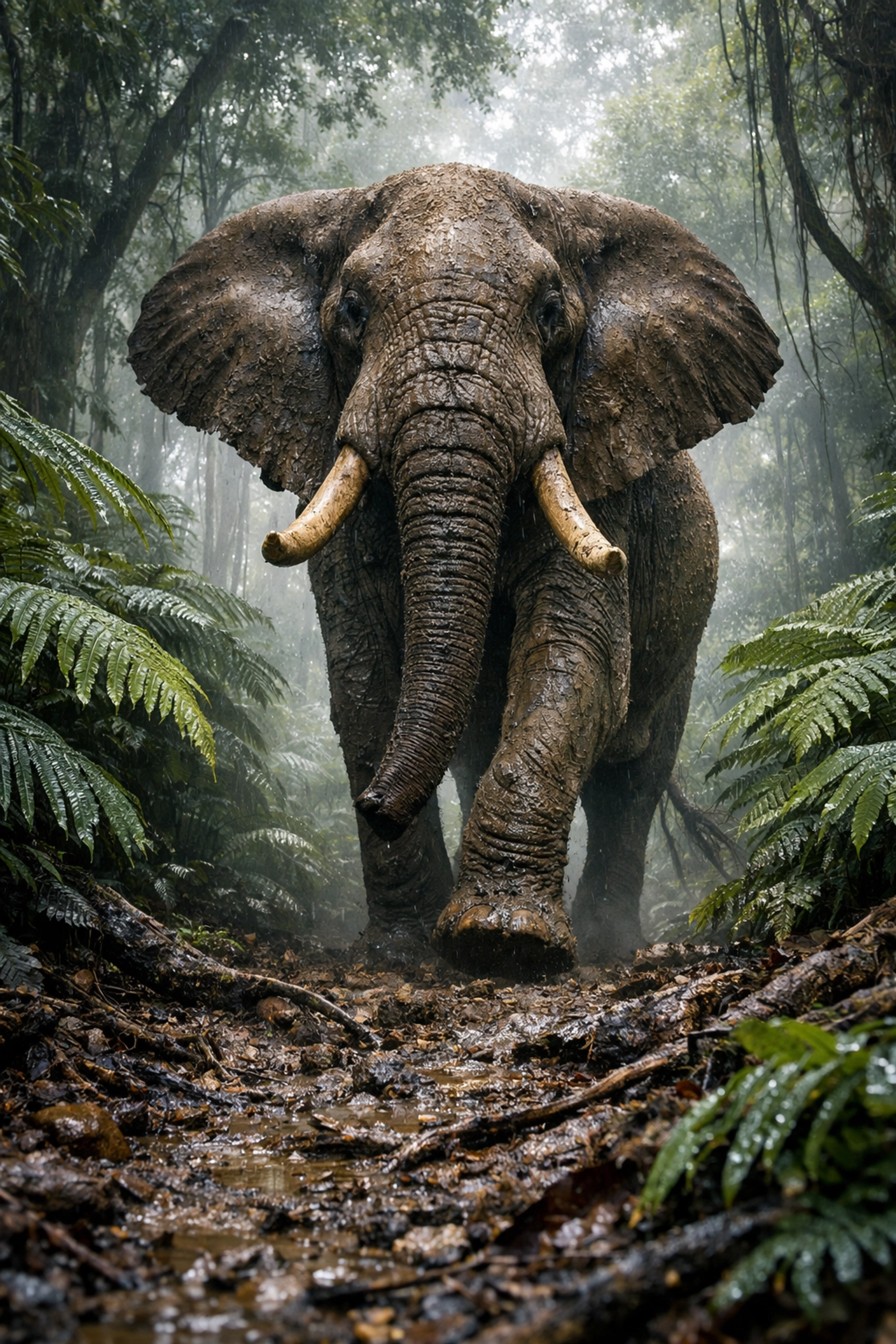
Species Spotlight: The African Forest Elephant
Smaller than their savanna cousins, these elephants are vital for carbon sequestration. They are the "megagardeners."
Storytelling Focus:
- Climate Change: Link the species to global cooling.
- Visuals: Low-angle shots that emphasize their presence within dense foliage.
- Impact: Illustrate how protecting one species protects the entire forest.
Best Practices for Digital Channels
Each platform requires a different approach to imagery.
LinkedIn:
- Focus on the "Business of Conservation."
- Use professional, wide-angle shots.
- Tag partners and milestones.
Websites:
- Use hero images that evoke emotion.
- Ensure fast loading times by using optimized files.
- Maintain a clean, uncluttered aesthetic.
Educational Blogs:
- Use multiple images to break up text.
- Feature "Presented by" animal pages to highlight sponsors.
The Future of Zoo Imagery
We are looking ahead. Digital storytelling is evolving. VR, AR, and immersive media are on the horizon. Zoo Imagery is committed to remaining at the forefront of this evolution.
We don't just sell photos. We provide the tools for conservationists to win.
Key Objectives for 2026:
- Increase global species representation.
- Launch a new digital asset management interface.
- Expand our "Internship Opportunities" for wildlife photographers.
If you are looking for high-quality stock photography to fuel your conservation efforts, we are here to help. Our library is built for professionals who value simplicity and impact.
Connecting With Our Mission
Conservation is a collective effort. It starts with awareness. It grows through education. It succeeds through action.
Visual media is the catalyst.
Summary of Principles
- Use high-quality visuals to bridge the emotional gap.
- Keep narratives focused on specific species or milestones.
- Align photography with broader conservation and ESG goals.
- Maintain professional, simple communication.
Join the Movement
We invite you to explore our library. See the work we are doing to highlight the world's most vulnerable species. Whether you are a large-scale zoo or a small conservation non-profit, your story deserves to be seen.
Next Steps:
- Visit zooimagery.com to browse our latest collections.
- Follow our journey on LinkedIn to stay updated on company milestones and species spotlights.
- Check our internship opportunities for aspiring photographers.
Let’s tell the story of wildlife together. Simple, direct, and effective.
For more information on our business and how we work, visit our About Us page or read our FAQ.
Zoo Imagery
Simple media. Significant impact.


