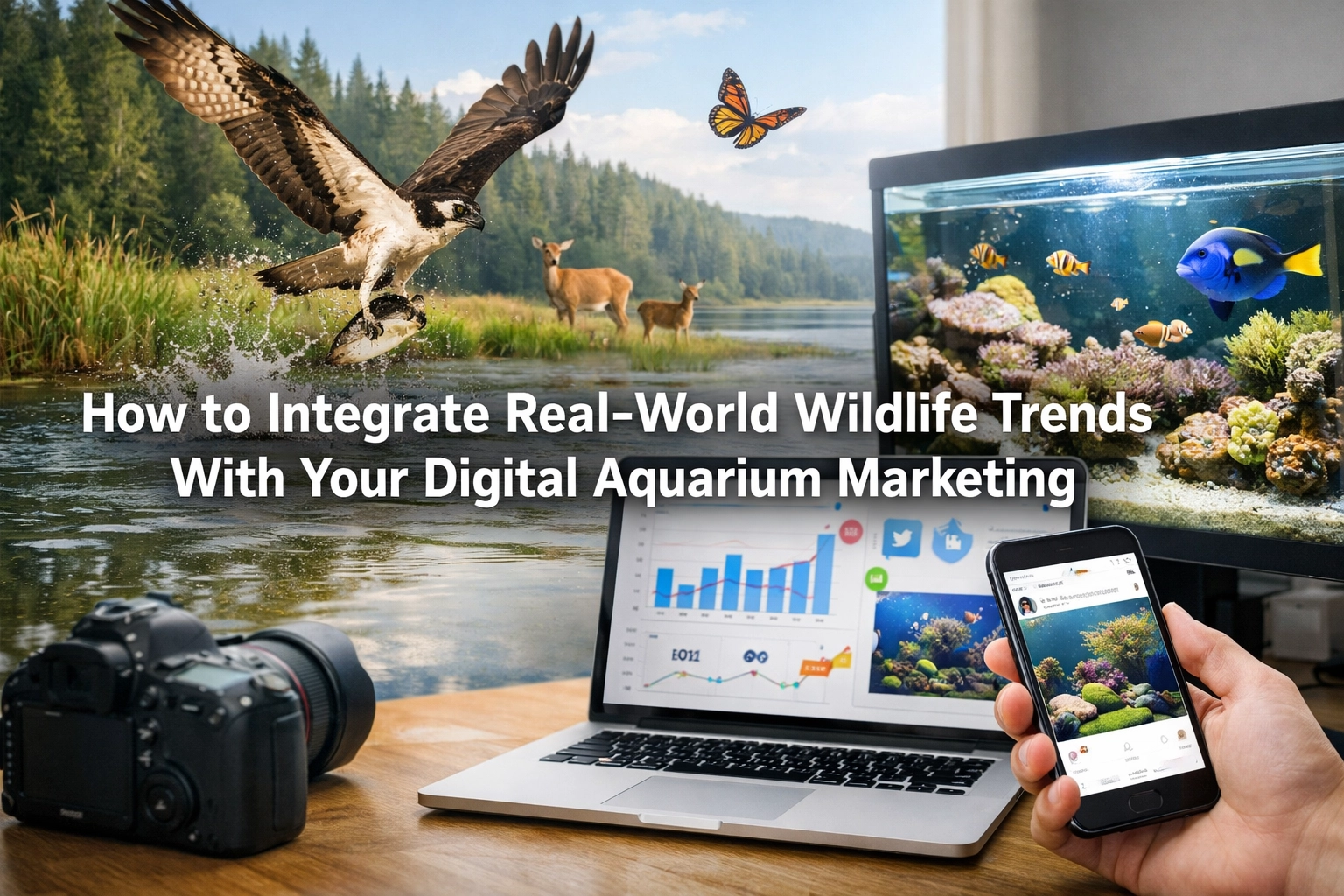
How to Integrate Real-World Wildlife Trends With Your Digital Aquarium Marketing
The digital world moves fast. Wildlife moves at its own pace.
At Zoo Imagery, we see where these two worlds meet. If you manage a zoo or an aquarium, your digital presence shouldn’t just be a mirror of your physical location. It should be a bridge.
Current trends in wildlife conservation are changing. People care more about where their information comes from. They care about how animals are treated. They want to feel a connection to the natural world from their screens.
Here is how to take real-world trends and turn them into a digital strategy that works.
Focus on Authenticity: The Biotope Movement
People are tired of generic. They don't want to see a "fish in a tank." They want to see an ecosystem.
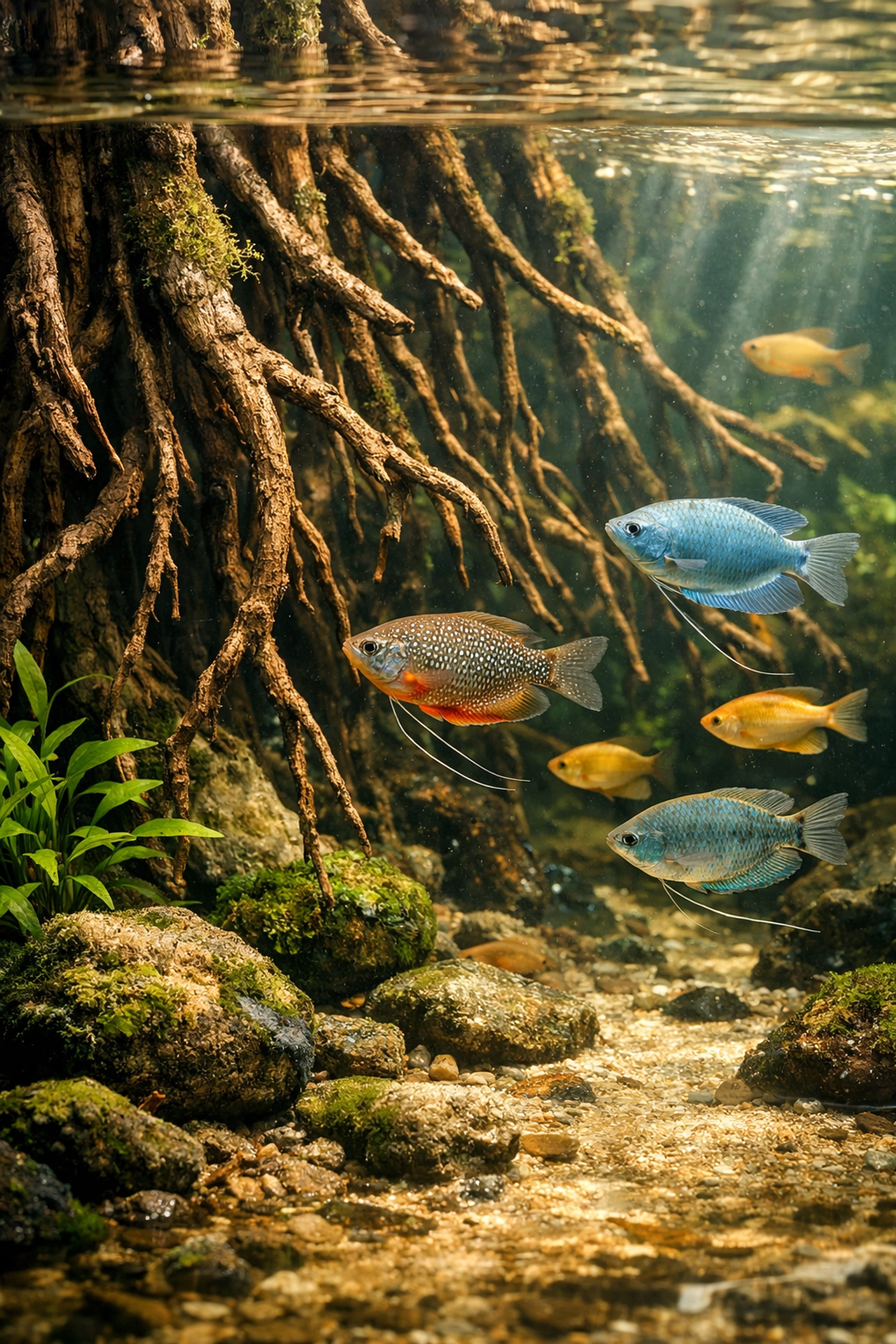
In the hobbyist world, biotope aquariums are surging. This means replicating a specific location. Not just "South America," but "The Rio Negro at the height of the rainy season."
How to market this digitally:
- Use specific imagery. Don’t just post a photo of a fish. Post the environment it lives in.
- Tell the story of the habitat. Explain the water chemistry, the plants, and the surrounding trees.
- Use high-quality video. Show the movement of the water and the interaction of the species.
Authenticity builds trust. When your digital marketing looks like the real world, people notice.
Ethical Sourcing as a Narrative
The conversation around where animals come from has changed. Consumers, especially younger ones, favor sustainability. They want to know that the animals they see are protected.
Stop using corporate buzzwords. Don't talk about "ESG initiatives." Talk about the work.
Marketing insights for your feed:
- Highlight captive-bred success. Show the babies. Explain why breeding programs matter for wild populations.
- Be transparent. If you are involved in a rescue, show the process. People love a recovery story.
- Focus on the "why." Why does this species need our help? Why is your aquarium the best place for them to be?
This isn't just "good PR." It's what your audience is actually looking for. They want to support organizations that do good.
The Wellness Angle: The "Blue Mind" Effect
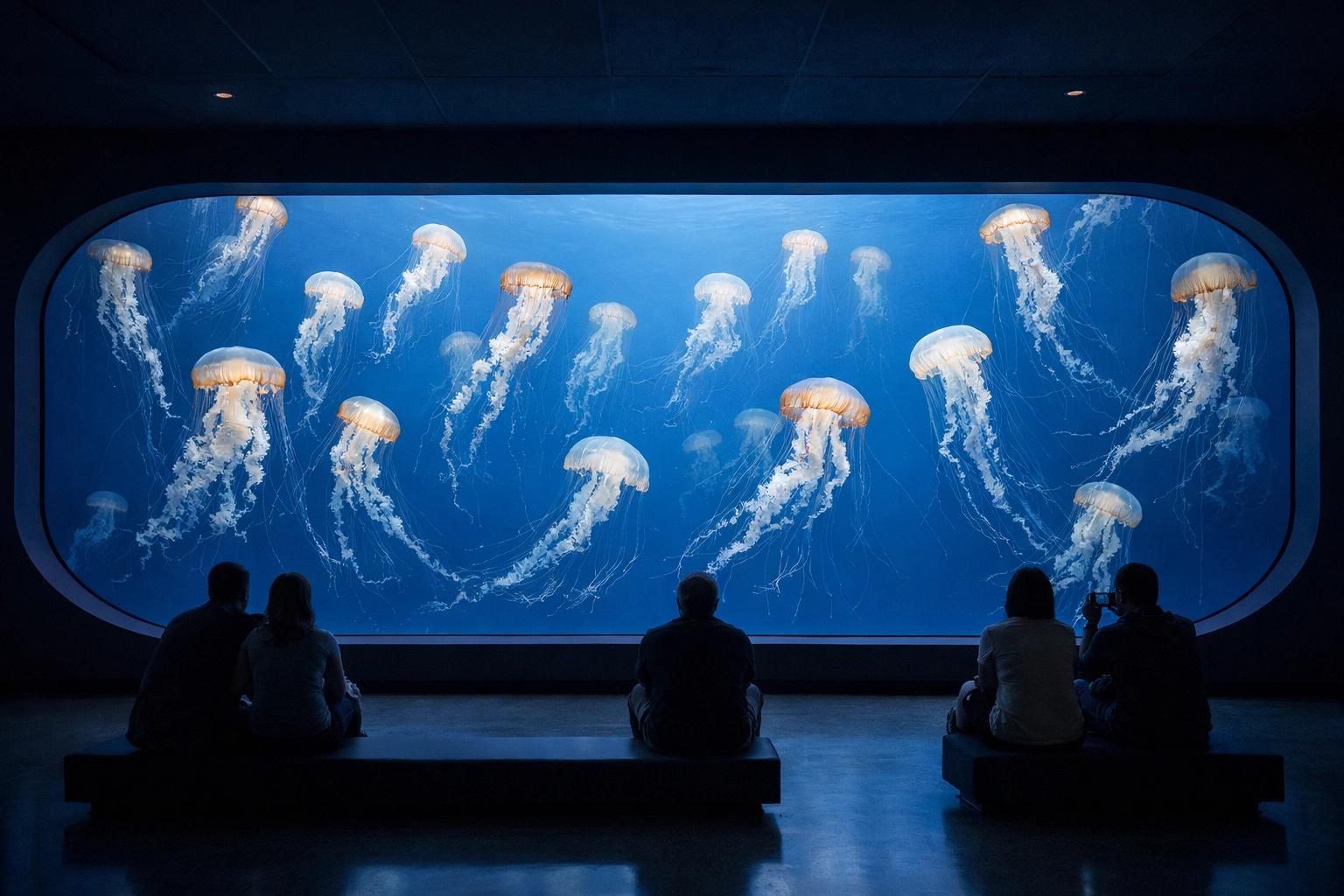
There is a real, scientific link between looking at water and feeling better. It’s often called the "Blue Mind" effect.
In a stressful world, your digital aquarium content is a digital sedative.
How to use this:
- Create "Slow TV" content. Long, uninterrupted videos of tanks or exhibits. No music. Just the sound of water.
- Market to healthcare. Position your digital content as a tool for hospitals, clinics, or meditation spaces.
- Use the aesthetic. Keep your social media clean. Minimal text. Let the imagery do the heavy lifting.
If your marketing feels like a break from the noise, people will keep coming back to it.
Engaging Gen Z and Millennials
Younger demographics are the biggest growth area for aquatic hobbies. They consume content differently. They want it fast, but they want it to mean something.
Digital strategy tips:
- Short-form education. Use 15-second clips to explain one weird fact about a jellyfish.
- Interactive AR. Let people "place" a digital version of your star shark in their living room via their phone.
- Sustainability first. This group cares deeply about the planet. Connect your digital presence to real-world conservation results.
Keep it simple. Don't over-explain. Let the visual beauty of the wildlife speak for itself.
Using "Presented By" Animal Pages
One of the most effective ways to bridge the gap between business and conservation is through sponsored species spotlights.
Instead of a standard "About Us" page, create dedicated animal pages. These pages can be "Presented by" a partner or sponsor.
What these pages should include:
- High-end photography. Use the best shots you have.
- Real-time updates. What is the animal doing today?
- Direct impact stories. How is the sponsorship helping this specific species in the wild?
This creates a clear connection between the digital viewer, the physical animal, and the corporate support that makes it possible. It’s a clean way to handle sponsorships without cluttering your site with ads.

Quality Over Quantity
In digital marketing, there is a temptation to post every day. If you don't have something great to say, don't say it.
One stunning image of a rare coral is worth more than ten blurry phone photos of a sea lion. We believe in "rarely but best."
Practical steps for your team:
- Audit your library. Look at your stock photography. Is it up to date? Does it reflect the beauty of your current exhibits?
- Invest in professional media. Digital marketing is a visual medium. If the photo is bad, the message is lost.
- Maintain white space. On your website and your social feeds, let the content breathe. Don't crowd your images with text.
Practical Integration: A Checklist
If you are ready to update your digital aquarium marketing, start here:
- Identify your star species. Pick five animals that have a strong conservation story.
- Match with real-world trends. Are people talking about reef restoration? Are they interested in deep-sea exploration? Align your content with those conversations.
- Clean up your language. Remove the jargon. Stop saying "synergy" and "sustainability frameworks." Say "we are saving these turtles" and "this is how we do it."
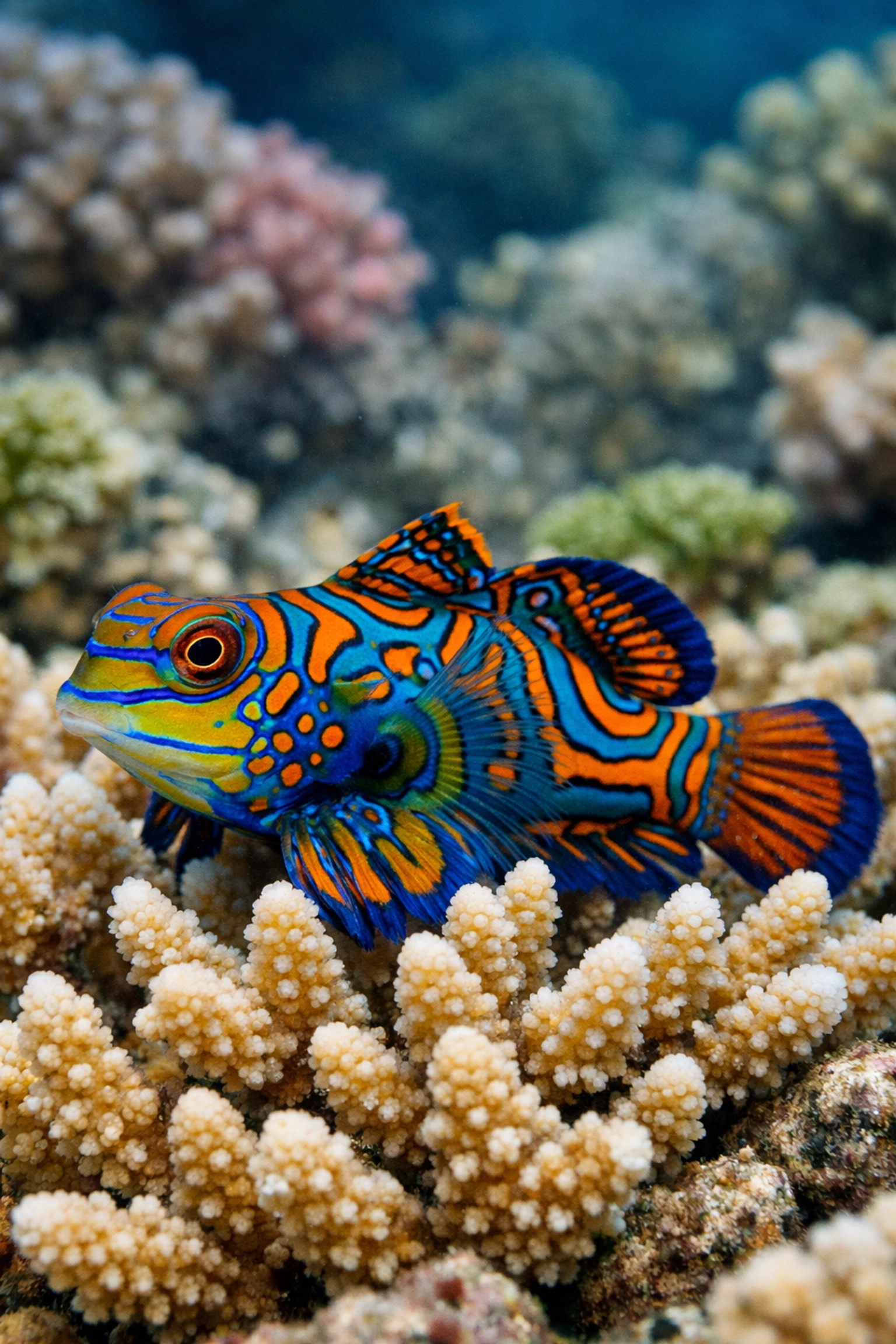
- Check your visuals. Ensure your imagery is high-resolution and reflects natural behaviors.
- Set a goal. Is this for education? For ticket sales? For wellness? Tailor the content to the goal.
Moving Forward
The goal of digital marketing for an aquarium isn't just to get likes. It’s to foster a relationship between humans and the ocean.
When you use real-world wildlife trends to guide your digital strategy, you aren't just following a fad. You are responding to what people actually care about.
You are providing value. You are providing peace. And most importantly, you are providing a voice for the animals in your care.
Keep your messaging direct. Keep your images beautiful. Let the wildlife do the talking.
Need better visuals for your digital campaigns?
We help zoos and aquariums tell their stories through high-quality media and smart marketing strategies. No fluff. Just results.
Visit zooimagery.com to see our library and learn how we can help your organization.
Connect with Dan Kost on LinkedIn to discuss ESG-aligned campaigns and wildlife media solutions.