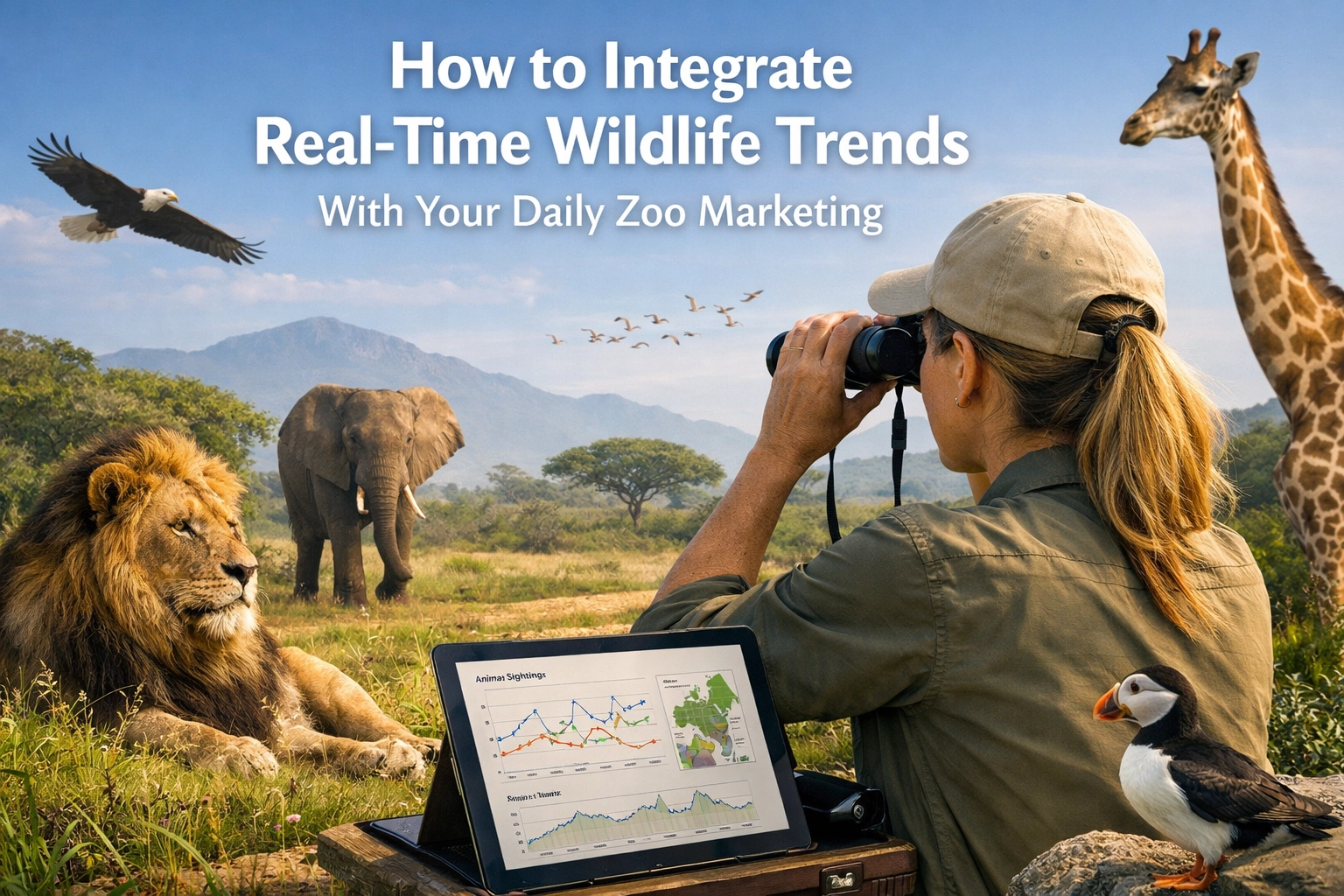
How to Integrate Real-Time Wildlife Trends With Your Daily Zoo Marketing
Timing is everything.
In a zoo or aquarium, the most engaging moments happen in seconds. A tiger cub takes its first steps. A penguin finds a new nesting spot. A bird displays a rare courtship dance.
If your marketing waits for a monthly newsletter, you miss the moment. Real-time marketing is about connecting your audience to the pulse of the animal kingdom as it happens.
This isn't about chasing every social media trend. It is about using data and high-quality imagery to show the world what is happening behind your gates right now.
The Shift to Real-Time Monitoring
Modern marketing starts with observation. You cannot share what you do not see.
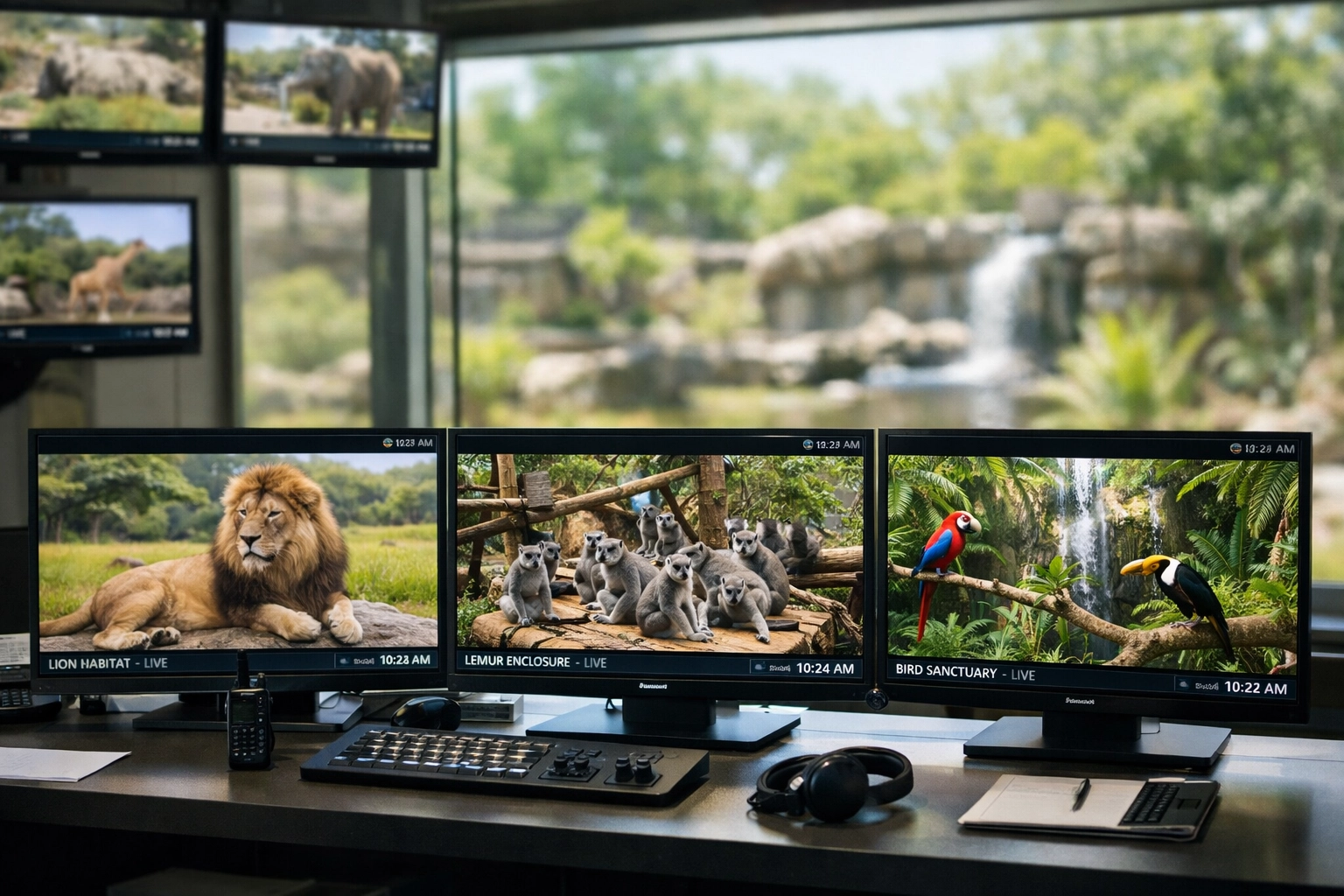
Many facilities now use AI video analytics. These systems track movement. They identify which animals are active. They spot unique behaviors. This data is the foundation of your daily content strategy.
When the data shows a spike in activity among the lions, that is your signal. It is time to shift your digital focus.
Tracking Behavior
- Monitor movement patterns via enclosure cameras.
- Identify "active hours" for different species.
- Use heat maps to see where visitors linger.
- Match digital engagement with physical activity.
Dynamic Content Adaptation
Once you have the data, you need to move fast.
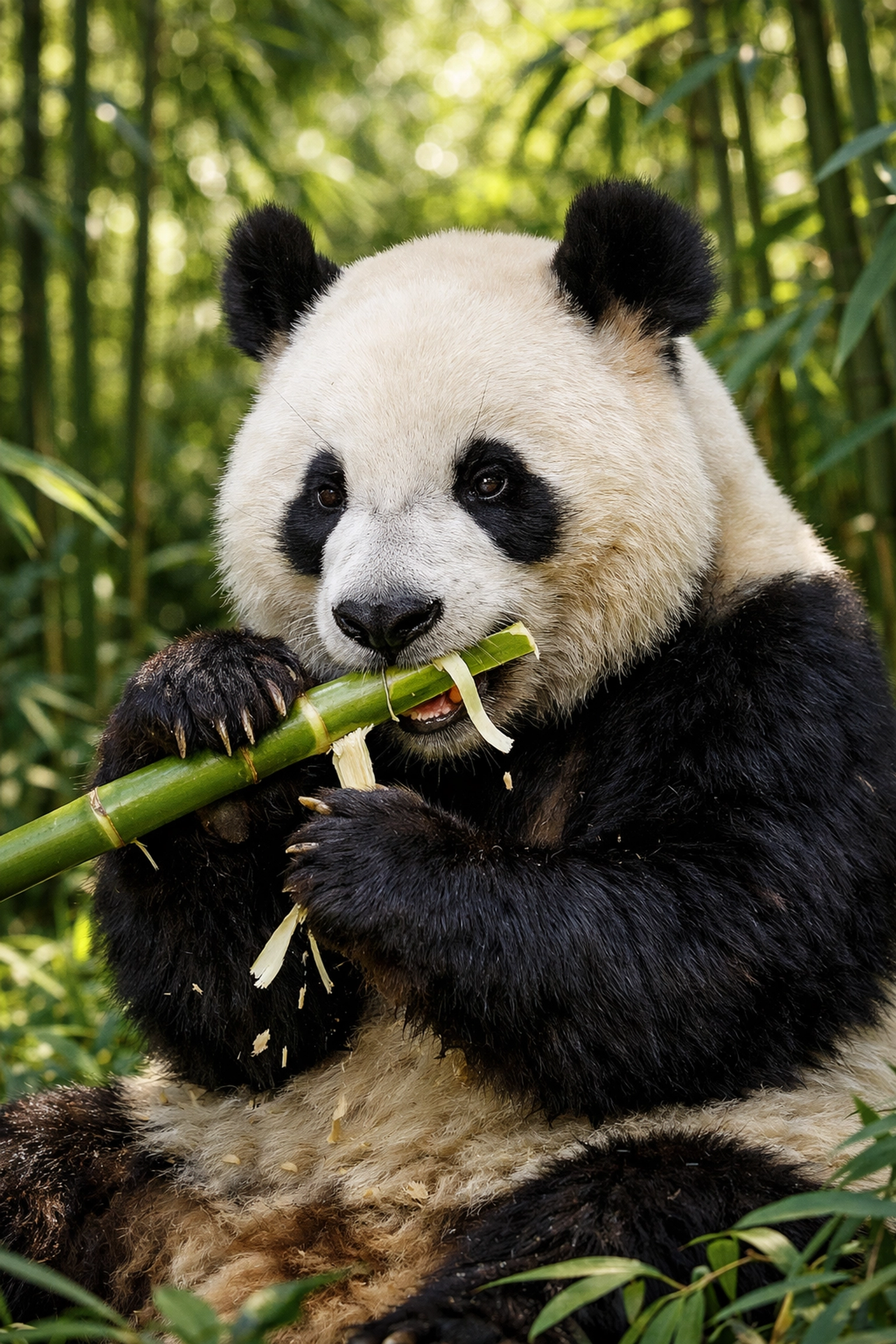
If a video of a panda eating bamboo is driving 40% more traffic than usual, do not wait. Double down. Post the high-resolution photos. Share the conservation story behind that specific animal.
Most marketing plans are too rigid. They are built weeks in advance. Real-time marketing requires a flexible framework. You need a library of assets ready to go so you can react to trends in minutes, not days.
Why Speed Matters
- Engagement drops as the "newness" of an event fades.
- Real-time updates build trust with your audience.
- People feel more connected to a "live" story.
- It mirrors the unpredictability of nature.
For high-quality assets to support these quick pivots, check our animal category.
Multi-Channel Distribution
Your data shouldn't stay in one place.
If a specific trend is emerging: perhaps a heightened interest in birds: your marketing should reflect this across all touchpoints.
- Social Media: Short, punchy video clips.
- Email: A "breaking news" style update from the keepers.
- In-App: Real-time notifications for visitors currently on-site.
- Paid Ads: Adjust retargeting pixels to show the trending animal.
The goal is consistency. If a visitor sees a trending video on TikTok, they should see a related story in their inbox and a "presented by" feature when they walk through your gates.
Segmented Audience Targeting
Not everyone cares about the same thing.
Data allows you to be precise. If your analytics show that families are engaging with elephant content, send them interactive educational promos.
Meanwhile, your corporate donors might be more interested in the conservation narrative. Use the same real-time trend but change the lens.
Targeting Examples
- Families: Focus on "fun facts" and interactive exhibit maps.
- Donors: Focus on species survival plans and habitat restoration.
- Local Visitors: Focus on "visit today" calls to action based on current activity.
- Global Audience: Focus on digital memberships and high-end stock media.
Storytelling Without the Buzzwords
ESG (Environmental, Social, and Governance) is a common term in corporate boardrooms. In zoo marketing, we keep it simple.
We talk about the work. We talk about the animals.
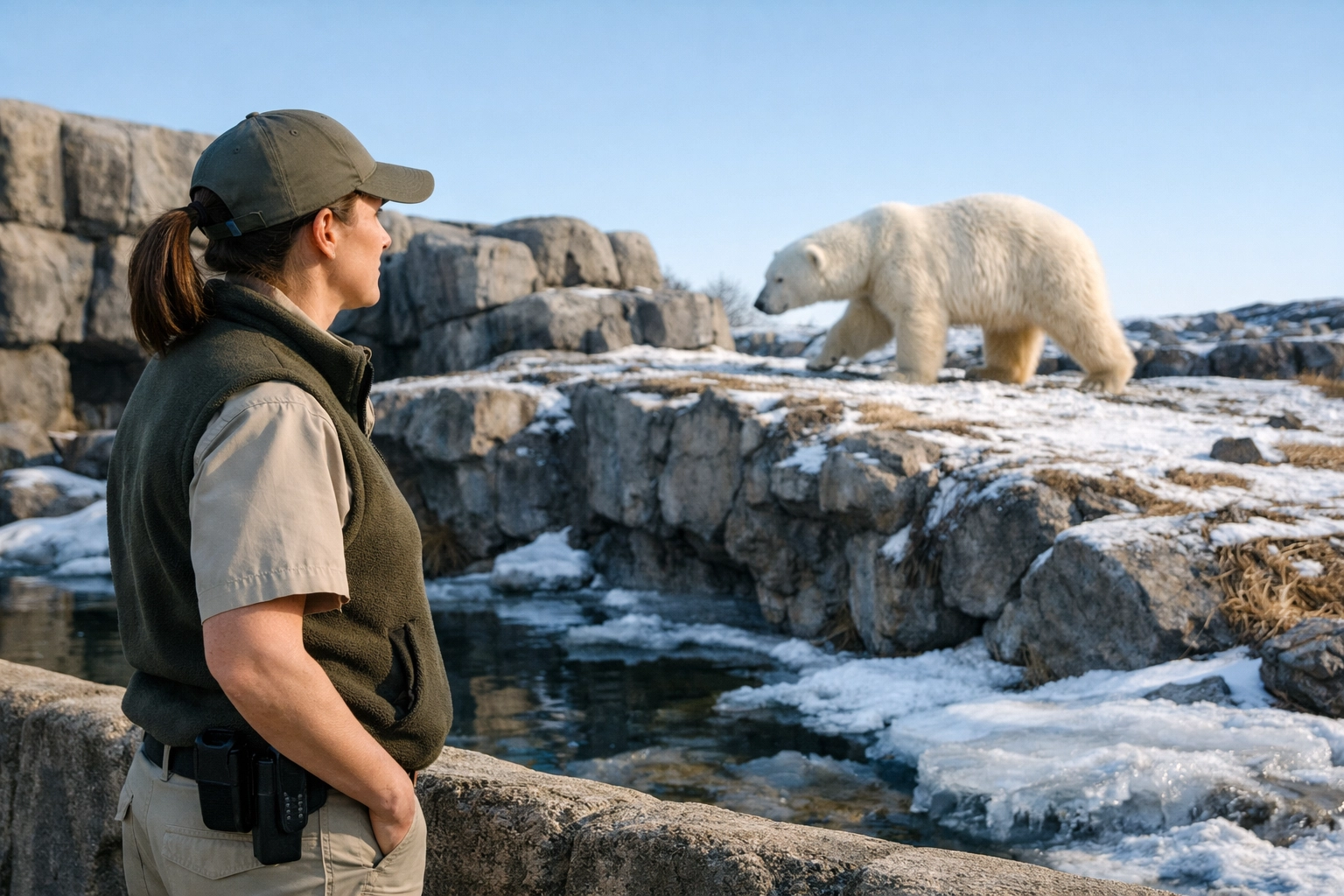
Instead of saying "we prioritize ESG-aligned sustainability initiatives," show a photo of a polar bear and explain how climate change affects its specific hunting grounds.
Practical Storytelling Tips
- Use names. People connect with individuals, not just species.
- Show the keepers. Transparency builds credibility.
- State the facts. "We planted 500 trees" is better than "We are committed to the environment."
- Connect the dots. Explain how a ticket purchase directly funds a specific project.
Spotlight on Species
Focusing your marketing on specific species helps organize your content. It creates a "Presented by" feel that sponsors love.
Consider a weekly focus:
- Monday: Hyenas and their social structures.
- Wednesday: The migration patterns of birds.
- Friday: Conservation efforts for wild tigers.
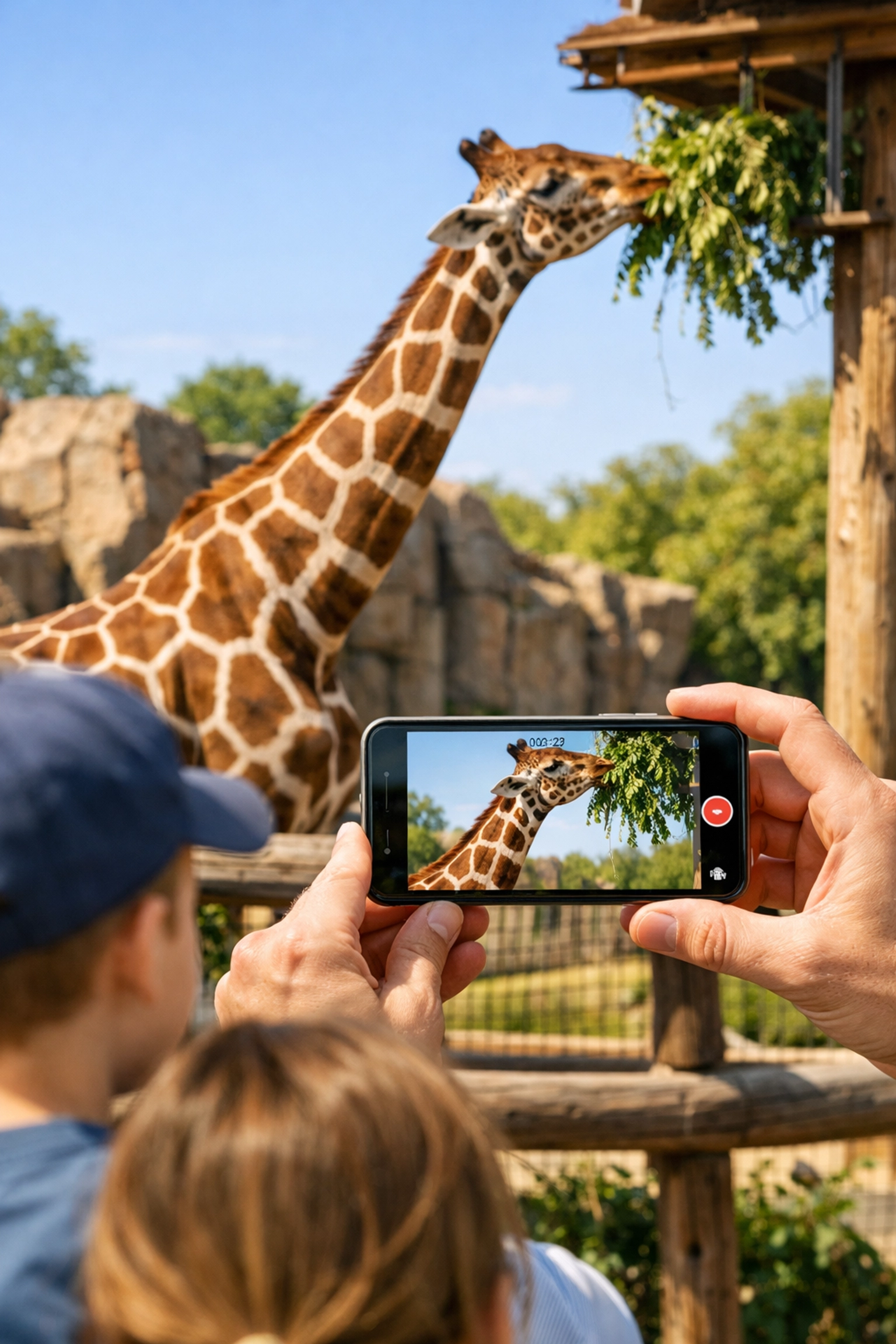
This structure allows you to use your real-time data within a predictable framework. If the giraffes do something interesting on a Tuesday, you can still break the schedule. But having a plan ensures you never have "dead air."
Using Visuals Effectively
Quality matters.
Grainy CCTV footage is fine for a "caught in the act" social post. But your brand is built on high-quality imagery.
Your marketing should be a mix of:
- Authentic, raw clips: For immediate, real-time updates.
- Professional stock photography: For your website, ads, and permanent signage.
- Educational graphics: To explain complex conservation data.
Check out the Zoo Imagery logo for a look at how we represent professional wildlife media.

The Daily Workflow
How do you actually do this every day? It requires a simple routine.
- 8:00 AM: Check animal activity logs and keeper reports.
- 9:00 AM: Identify the "Animal of the Day" based on real-time trends.
- 10:00 AM: Pull high-res assets from your library (like these fish images).
- 11:00 AM: Post to social and update the website hero banner.
- 2:00 PM: Send a segmented push notification to on-site guests.
- 4:00 PM: Review engagement metrics and plan for the next morning.
Building for the Future
Real-time marketing isn't a fad. It is the new standard.
Visitors want to feel like they are part of a living, breathing community. They want to know what is happening now.
By integrating real-time wildlife trends into your daily marketing, you stop being a static destination. You become a dynamic source of education and inspiration.
Focus on the animals. Use the data. Keep the message simple.
Key Takeaways
- Use AI and video data to spot trends early.
- Be ready to pivot your content strategy in hours, not weeks.
- Use high-quality imagery to maintain a professional brand.
- Tell honest stories about conservation and animal care.
- Segment your audience to ensure the right message reaches the right person.
Next Steps
Your zoo has stories to tell. Don't let them go unheard because your marketing is stuck in the past.
For more insights on wildlife marketing or to access our library of professional animal imagery, visit our website.
Let's show the world what's happening at your zoo today.
Connect with us:
Zoo Imagery
Follow us on LinkedIn


