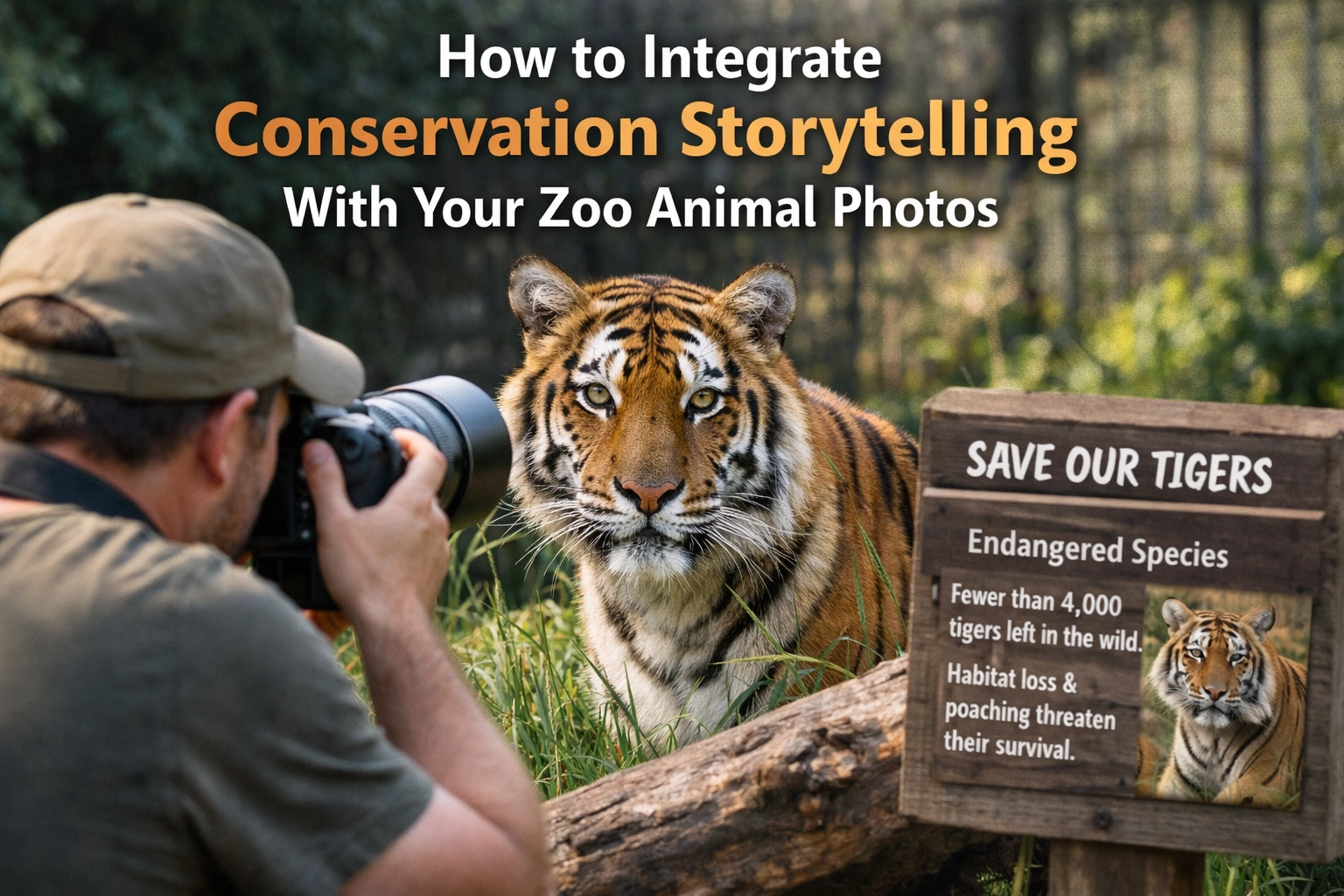
How to Integrate Conservation Storytelling With Your Zoo Animal Photos
A photo is a record. A story is a catalyst.
At Zoo Imagery, we provide the tools to turn simple captures into conservation movements. Photography in a zoo setting isn't just about the animal. It’s about the message.
Monday, 16 of March 2026. Today marks a significant milestone for our team. We have officially expanded our digital media library to include ten thousand high-resolution, conservation-focused assets. This growth allows us to better serve zoos, aquariums, and educators worldwide.
Here is how you can use your lens to tell the stories that matter.
The Purpose of the Narrative
Stories drive action.
Most visitors see a beautiful animal.
A conservation storyteller sees a species at a crossroads.
Your goal: bridge the gap between the viewer and the wild.
Effective storytelling requires three parts:
- Character: The individual animal or species.
- Conflict: The threat: habitat loss, poaching, or climate change.
- Timeliness: Why this story is relevant today.
Simple. Direct. Powerful.

The Three-Shot Method
A single photo rarely tells a complete story. Use a series.
Think like a filmmaker.
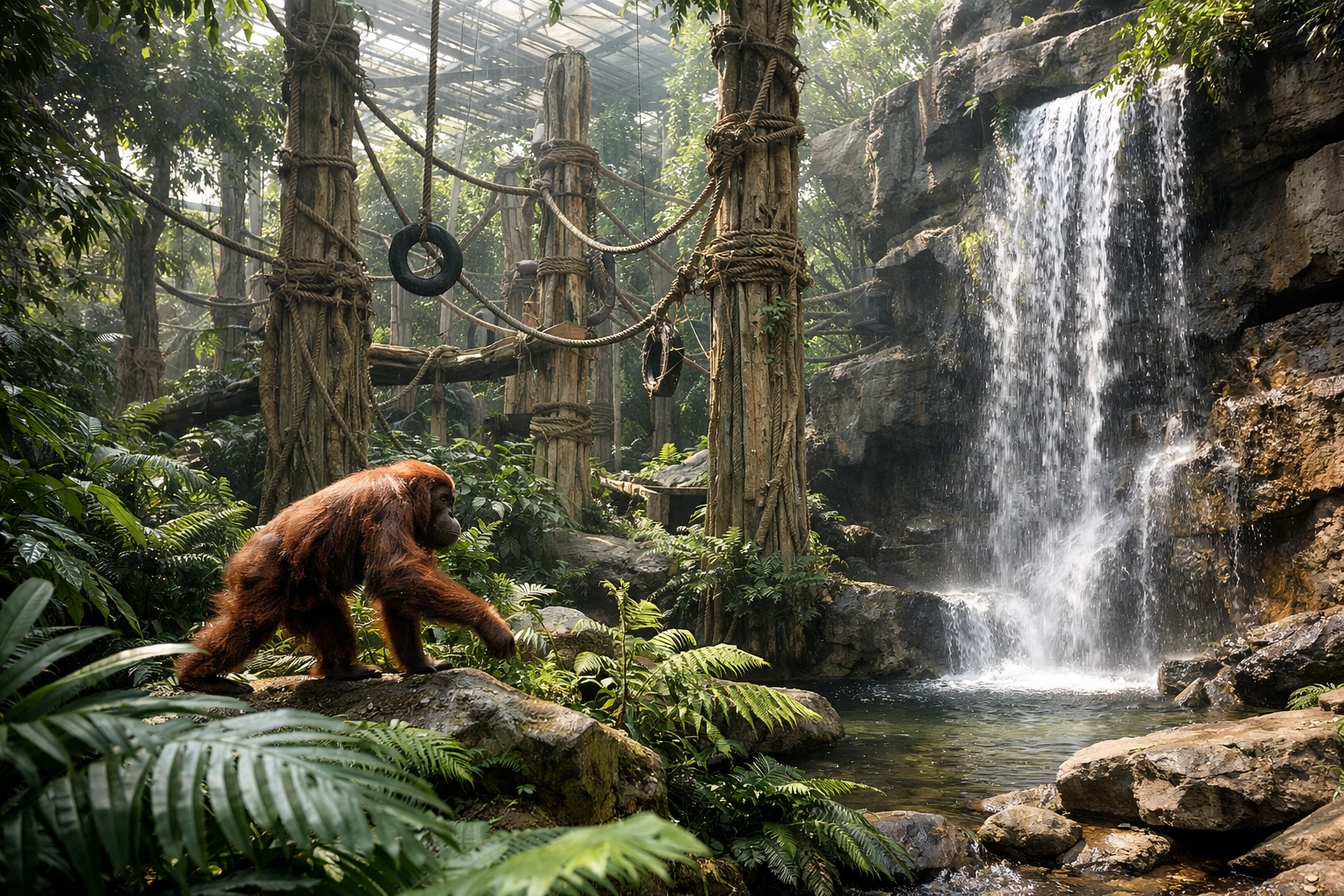
1. The Wide Shot: Setting the Scene
Provide context. Show the animal within its environment.
In a zoo, this means highlighting the enrichment and habitat design.
Does the enclosure mimic a rainforest? Does it show the complexity of the ecosystem?
The wide shot establishes where the character lives.
2. The Medium Shot: Action and Behavior
Capture the "doing."
A tiger stalking. A primate using a tool. A bird preening.
Behavioral shots prove the animal is thriving. It shows their personality.
It makes the species relatable.
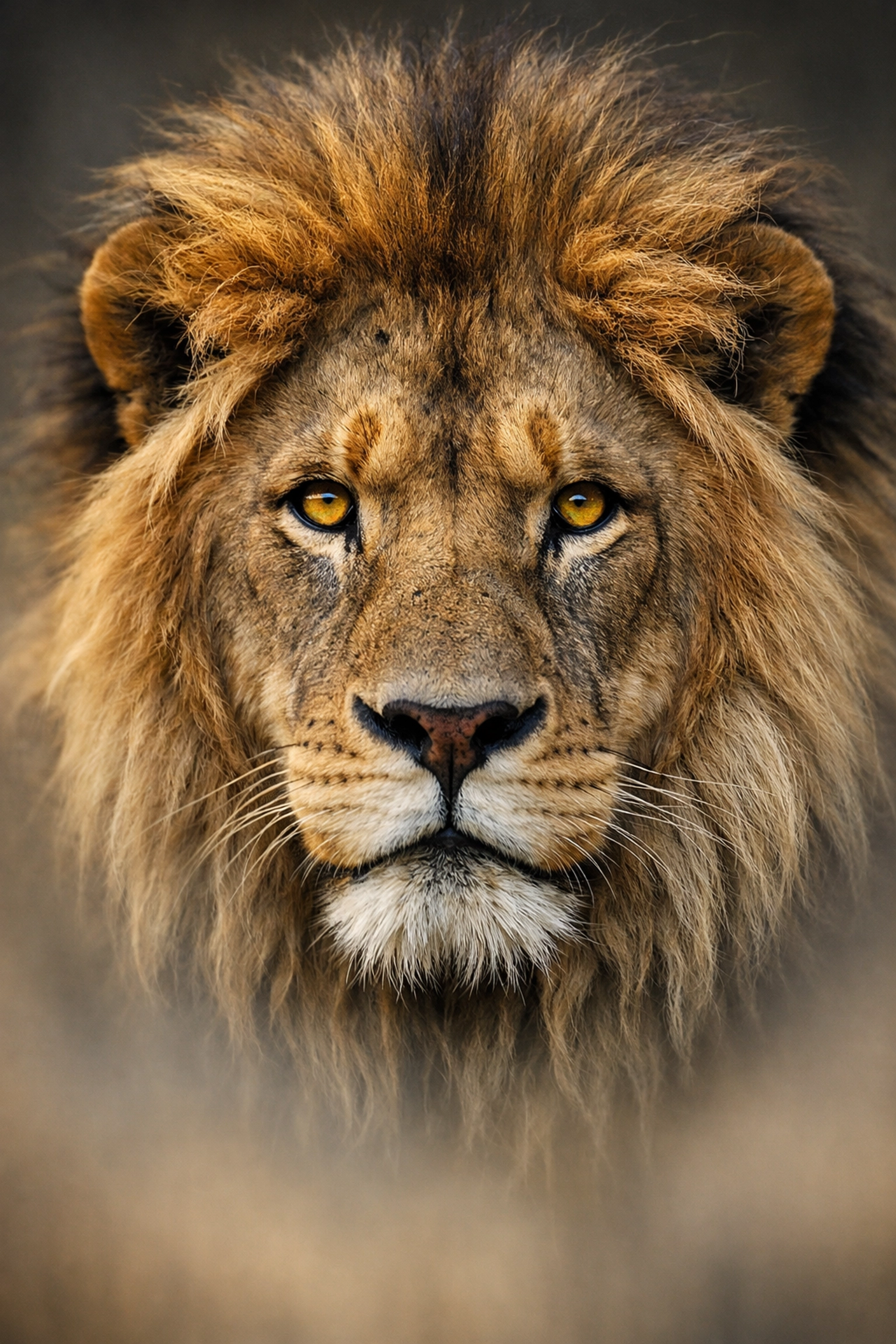
3. The Close-Up: The Emotional Connection
Focus on the eyes. The texture of the skin. The detail of a feather.
Close-ups strip away the background. They force the viewer to look the species in the eye.
This creates empathy.
Species Spotlight: The Sumatran Tiger
Current status: Critically Endangered.
Fewer than 400 remain in the wild.
When photographing a Sumatran tiger at the zoo, don't just wait for a roar.
Capture the stillness.
Focus on the stripes: no two are the same.
Tell the story of their habitat.
The palm oil industry is shrinking their home.
Your photo can be the face of a "Sustainable Palm Oil" campaign.
Use your caption to link the image to the reality.
A beautiful portrait of a tiger is art.
A portrait of a tiger with a note on habitat loss is advocacy.
Technical Execution for Conservation
Storytelling requires technical precision.
Distractions break the narrative.
Eye Level is Key
Never shoot from a high angle. It makes the animal look small and submissive.
Get low. Shoot at their eye level.
It places the viewer in the animal's world.
It levels the playing field.
Eliminate the Barriers
Fences and glass are part of the zoo. They shouldn't be part of the photo.
Use a long lens.
Open your aperture wide (low f-stop).
Get as close to the barrier as safely possible.
The mesh will disappear.
The focus remains on the life behind the wire.
Natural Lighting
Harsh midday sun creates deep shadows.
Shoot during the "golden hour."
Early morning or late afternoon.
Soft light highlights textures. It adds a professional, cinematic feel to the conservation story.
Milestone: Supporting Global Conservation
Zoo Imagery is more than a stock library.
We are a partner in preservation.
As of March 2026, we have partnered with 50+ accredited institutions to document their breeding programs.
These photos aren't just for marketing.
They are for the historical record.
They document the success of species recovery.
We believe in quality over quantity.
One high-impact image can reach millions.
It can change a perspective.
Research-Driven Content
Know your subject.
Before you enter the zoo, read the latest research.
Talk to the keepers.
Understand the specific conservation programs the zoo supports.
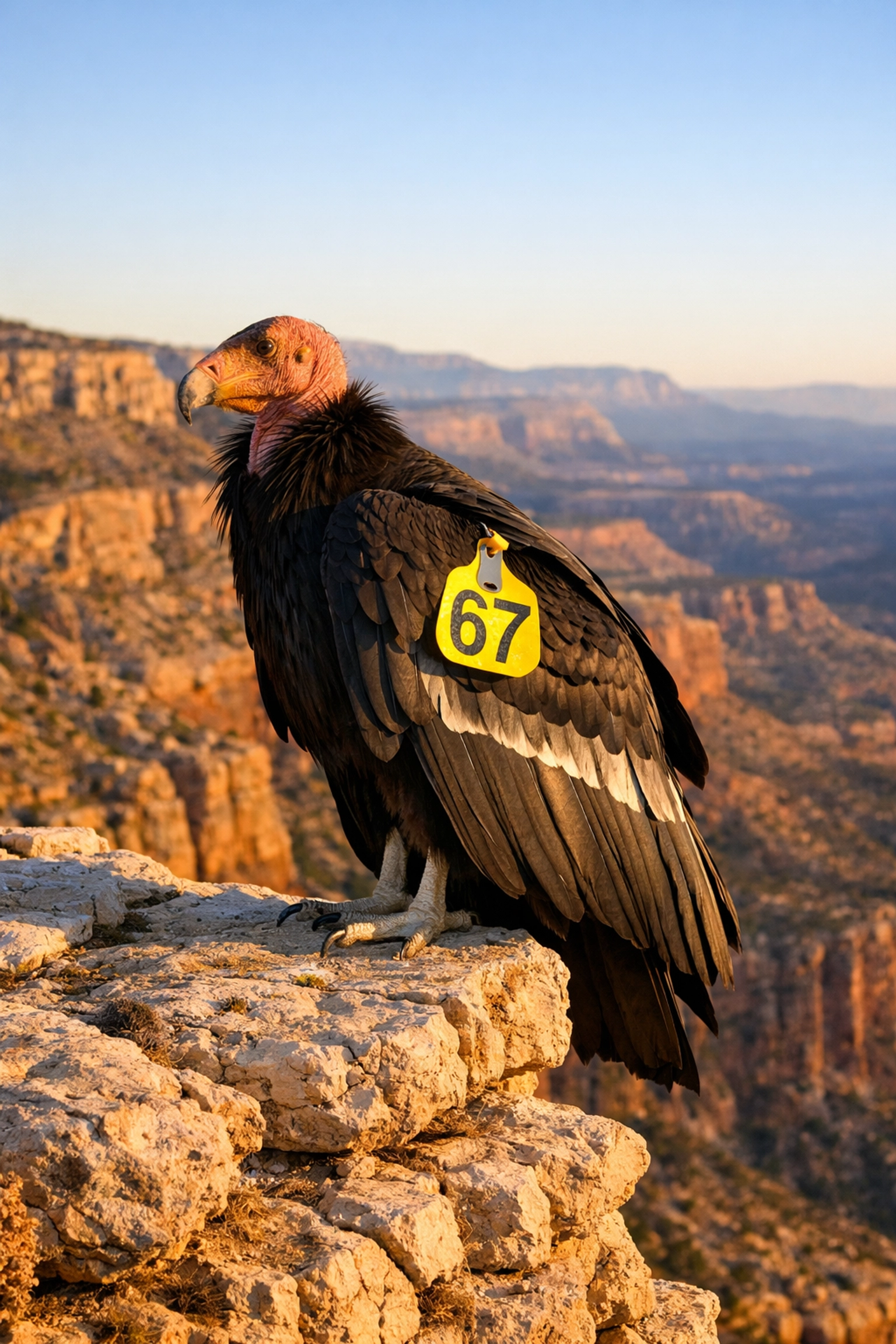
If the zoo is working on a reintroduction program for the California Condor, focus your lens there.
Capture the tags on the wings.
Document the care.
The story isn't just "a bird."
The story is "the survival of a species through human intervention."
ESG-Aligned Campaigns
Corporate responsibility is evolving.
Companies now look for ESG (Environmental, Social, and Governance) alignment.
Photography plays a role here.
By providing high-quality conservation imagery, we help brands align with environmental causes.
Simple imagery. Honest messaging.
No buzzwords. Just impact.
The Broader Ecosystem
Don't forget the small things.
Conservation isn't just about "charismatic megafauna" like elephants and lions.
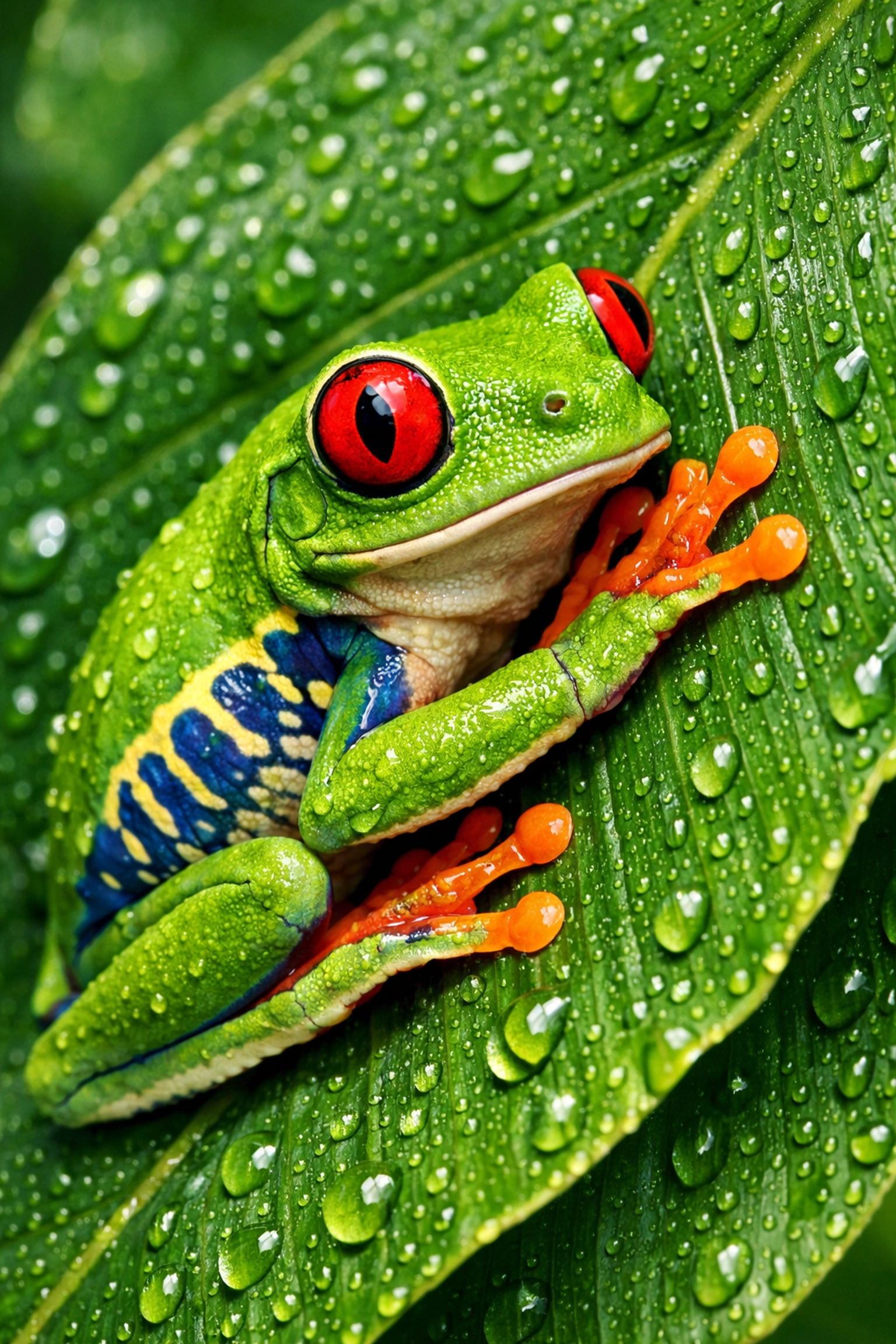
It’s about the insects. The amphibians. The plants.
A story about a vanishing frog species is just as vital as a story about a rhino.
Broaden your portfolio.
Diversify the narrative.
Capturing the Human Element
Zoo staff are part of the conservation story.
Veterinarians. Keepers. Researchers.
Show the interaction.
The hand-feeding of an orphaned joey.
The medical check-up of a sea turtle.
These images show the dedication required to save a species.
It makes the conservation effort human.
Simple Rules for Better Stories
- Be Patient. The best story happens in the quiet moments.
- Be Honest. Don't over-edit. Real conservation is raw.
- Be Purposeful. Ask yourself: "Why am I taking this photo?"
- Be Informed. Use the right names and facts in your metadata.
Join the Movement
We are building the world's most impactful collection of animal media.
Whether you are a photographer or a zoo marketer, the goal is the same.
We want the world to see what we see.
A planet worth saving.
View our latest additions to the collection at zooimagery.com.
Follow our journey and see our daily milestones on LinkedIn.
Together, we tell the story of survival.
Learn more about our mission on our About Us page or read more tips on our blog.
Quality Matters
We don't just host photos. We curate stories.
Our standards are high because the stakes are higher.
A blurry photo of an endangered species is a missed opportunity.
Sharpness. Composition. Narrative.
Every pixel counts.
March 2026 is a turning point for Zoo Imagery.
We are moving faster. We are reaching further.
We are simplifying the way the world accesses conservation media.
No clutter. No complications.
Just the image. Just the story.
Zoo Imagery
Simple. Professional. Impactful.
zooimagery.com


