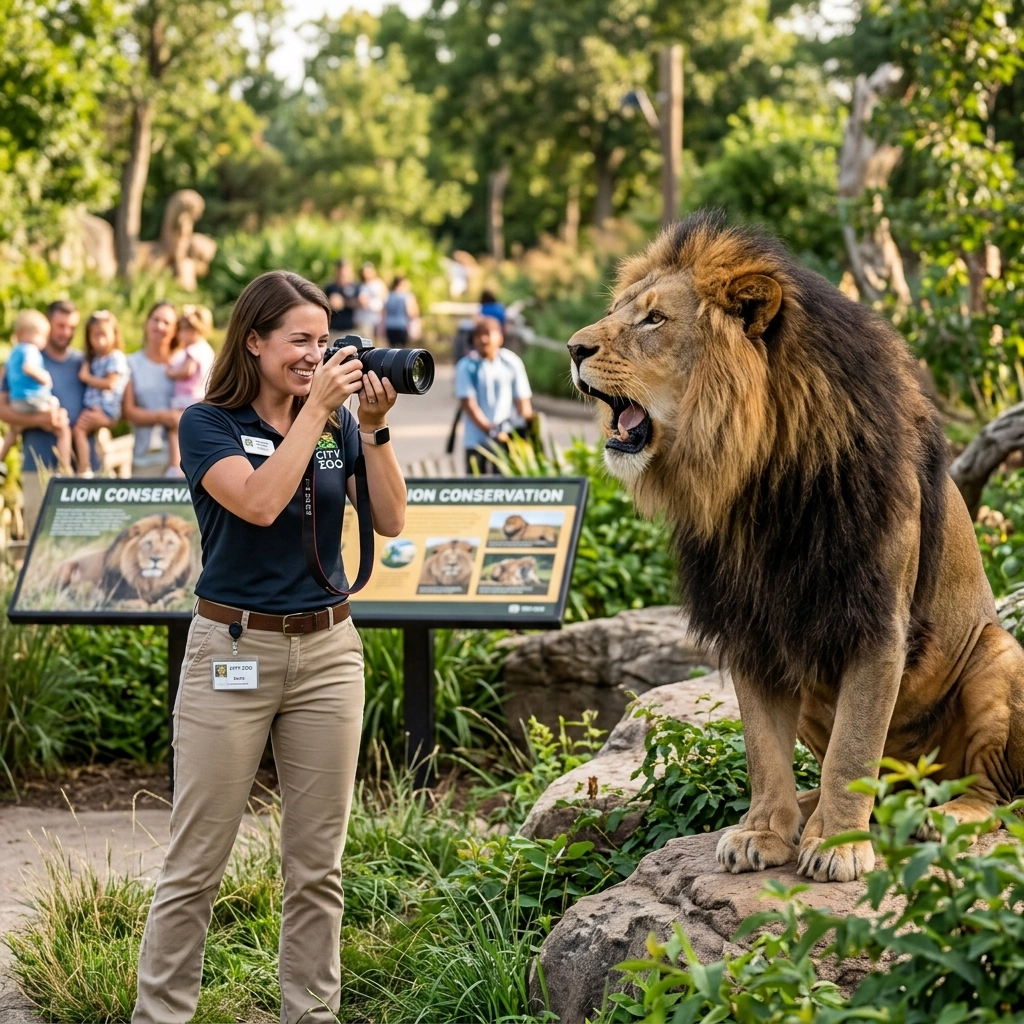
How to Integrate Animal Photography Stock With Your Daily Zoo Marketing Strategy
Zoo marketing is a 365-day commitment. Your audience expects a window into the wild every single morning. But reality often interferes. Animals sleep. Weather turns gray. Keepers are busy with care, not cameras.
Consistency is the heartbeat of engagement. If you stop posting, you stop existing in the minds of your donors.
The solution isn't to work harder. It is to work smarter.
By integrating professional animal photography stock into your daily rotation, you bridge the gap between "what we caught on an iPhone today" and "global-standard wildlife imagery."
Here is how you do it.
The Hybrid Content Model
Don't choose between original content and stock. Use both.
A sustainable strategy relies on a 70/30 split.
- 70% high-quality stock photography for daily education and branding.
- 30% original, "in-the-moment" content for authenticity.
The sustainable schedule:
- 2 shooting days per month. Focus on your specific residents. Get the "behind-the-scenes" shots.
- Daily stock integration. Use professional libraries to fill the remaining 28 days.
- Mix formats. Pair a professional tiger image with a smartphone video of a keeper talk.
This prevents team burnout. It ensures your feed never looks empty or amateur.

The "Presented By" Strategy
Engagement is the goal. Revenue is the fuel.
Stock photography allows you to create "Presented By" animal pages without waiting for the perfect shot. You can launch a campaign today.
How it works:
- Select a species. For example, Giant Pandas or Elephants.
- Build a landing page. Use high-resolution stock imagery to set a professional tone.
- Secure a partner. Find a local business. A bank. A grocery chain.
- Co-brand. "The Elephant Habitat : Presented by [Partner Name]."
Professional imagery signals value. A partner is more likely to sponsor a page that looks like a National Geographic feature than one using blurry visitor photos.
Sponsored Species Spotlights
Spotlights are deep dives. They turn a casual follower into a conservationist.
Pick one species per month.
- July: Polar Bears.
- August: Giraffes.
- September: Lions.
Use stock photography to showcase these animals in their natural wild habitats. This provides a vital contrast to their life at your facility. It tells the full story of why conservation matters.
The Spotlight Playbook:
- Monday: High-impact "Stop the Scroll" stock photo.
- Tuesday: Conservation status and data.
- Wednesday: Meet our local residents (original photo/video).
- Thursday: Partner shout-out.
- Friday: How to help/Call to action.
This structure creates a predictable, professional rhythm.

Three Pillars of Content
Every post should serve a purpose. Stock photography fits into three specific buckets.
1. Awareness
Goal: Stop the scroll.
Use: Extreme close-ups. Wide-angle habitat shots.
Why: People share what moves them. A professional bird photo captures details the human eye misses in person.
2. Fundraising
Goal: Convert viewers to donors.
Use: Emotional imagery. Rescued animals. Maternal bonds.
Why: High-quality visuals build trust. They show that your organization is professional and capable of handling significant donations.
3. Behavioral Change
Goal: Influence public habits.
Use: Animals impacted by human activity.
Why: Pair a stunning fish photo with a simple tip on reducing plastic. The beauty of the image makes the lesson stick.
Implementation: From Desktop to Display
Stock imagery isn't just for Instagram. It belongs everywhere your brand lives.
Digital Channels
- LinkedIn: Share your ESG wins. Use professional imagery to talk about corporate responsibility.
- Email Newsletters: Break up long text blocks with clean, vibrant animal portraits.
- Website Headers: Your homepage needs to look world-class. Use stock for those high-impact banner areas.
Physical Space
- Wayfinding Signage: Use stock images on maps to help visitors identify habitats from a distance.
- Educational Plagues: Supplement information boards with high-res details of fur, scales, or feathers.
- Event Banners: Print large-scale. Professional stock won't pixelate when blown up to 10 feet.

Data-Driven Visuals
Don't just post a photo. Post a result.
Pair your imagery with hard numbers.
- "500 acres protected."
- "12 successful releases this year."
- "2 million liters of water saved."
Stock photography provides the emotional hook. The data provides the credibility. Together, they create a narrative of impact.
Avoid "making a difference." Use "This image represents the 400 Hyenas we helped protect through our partnership."
Organizing for Speed
A library is only useful if you can find what you need in thirty seconds.
- Categorize by species.
- Tag by conservation status. (Endangered, Vulnerable, Stable).
- Separate by orientation. (Vertical for Reels, Horizontal for Web).
When a news story breaks about a specific animal, you should be the first to post a professional response. Having a library at your fingertips makes this possible.

Strategic Partnerships
Your stock library is a corporate asset.
Local partners want to be associated with your mission. They don't always have the assets to show it.
- Give your sponsors access to a curated folder of your stock imagery.
- Allow them to use these photos in their own social media.
- This extends your reach. Their audience becomes your audience.
It is a "force multiplier" for your marketing department.
Quality Over Quantity
The internet is loud. Most of it is low-quality.
If you post five times a week with mediocre photos, you are background noise.
If you post three times a week with breathtaking, professional imagery, you are a destination.
Professional stock signals that your zoo is a leader. It shows you take the animals seriously. It shows you take the mission seriously.
A Week in the Life of a Hybrid Strategy
Monday:
A stunning stock photo of a Polar Bear.
Caption: "Did you know Polar Bears can swim for days? Join us this week as we spotlight our Arctic residents."
Tuesday:
A short, handheld video of a keeper cleaning the habitat.
Caption: "Morning routines. Keeping things fresh for the team."
Wednesday:
Infographic over a stock image of a Lion.
Caption: "The numbers are in. Thanks to our members, we’ve contributed $50k to wild lion protection this quarter."
Thursday:
A "Presented By" post. Stock image of a Giraffe.
Caption: "Tall views. Presented by [Local Insurance Group]. Visit the giraffe deck today."
Friday:
A visitor-shared photo.
Caption: "We love seeing the zoo through your eyes. Thanks for the tag, @VisitorName!"
Saturday/Sunday:
High-impact stock imagery highlighting weekend events or educational programs.
The Takeaway
Integrating stock photography isn't about "faking it." It is about professionalizing your message.
It allows your staff to focus on what they do best: caring for animals and engaging with guests. It ensures that when someone looks at your digital presence, they see the majesty of the animal kingdom, not just the limitations of a busy workday.
Simple. Effective. Professional.
Stop struggling with daily content. Build a library that works for you.
Visit Zoo Imagery to start building your strategy.
Follow our journey on LinkedIn.


