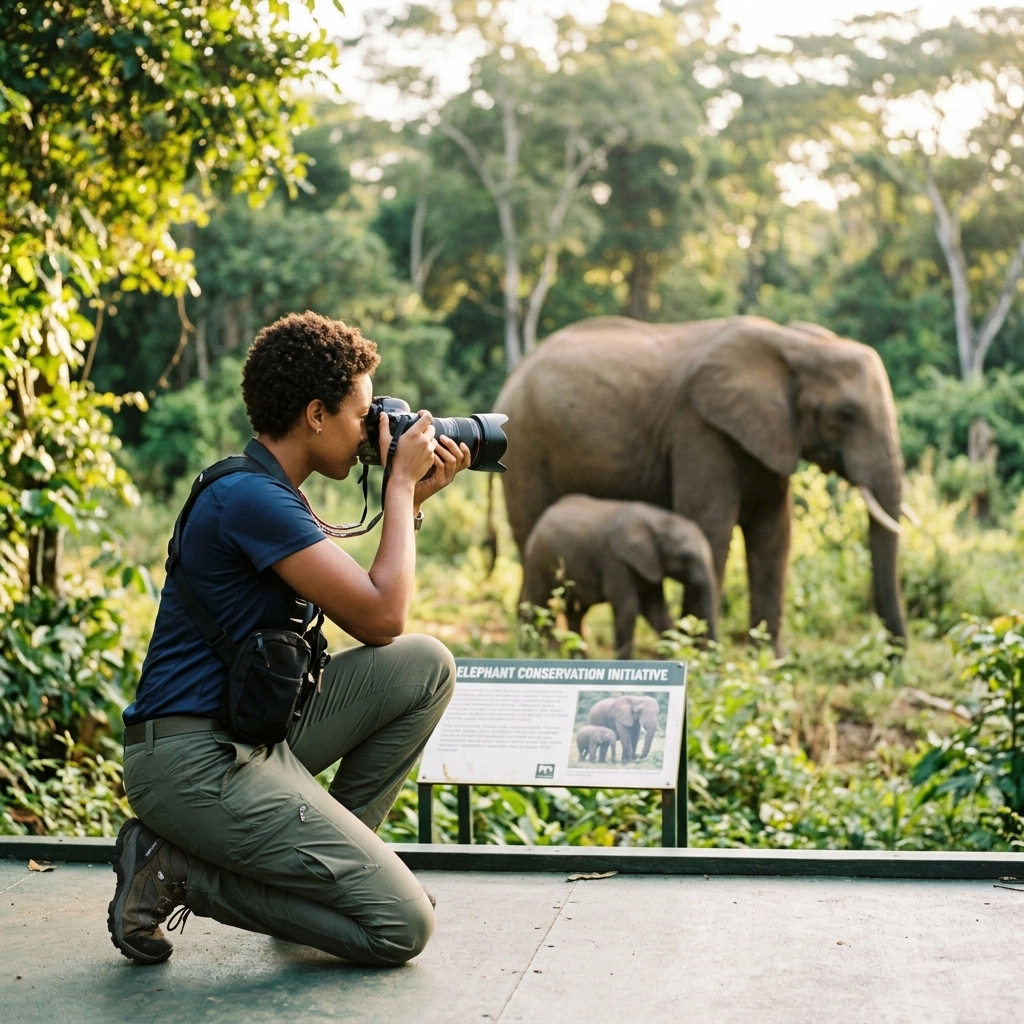
Ethical Storytelling Matters: Why Your Zoo Animal Photos Need a Sustainability Focus
Sunday, March 29, 2026.
Visuals drive the modern zoo.
A single photo can trigger a donation.
It can spark a visit.
It can educate a child.
But the rules have changed.
In 2026, a "pretty" photo is no longer enough.
Audiences are smarter. They are more skeptical.
They look for the story behind the frame.
Ethical storytelling isn't a trend.
It’s a requirement for long-term survival in the digital media space.
The Problem with "Perfect"
For years, stock photography focused on the "wild" look.
Tight crops.
Hidden fences.
Removed backgrounds.
The goal was to make a zoo animal look like it was in the Serengeti.
We thought this was what people wanted.
We were wrong.
When you hide the reality of the zoo, you create a gap.
A gap in trust.
A gap in education.
Modern marketing relies on transparency.
If an animal is in a managed care facility, say so.
If the photo was taken during a veterinary check-up, show it.
Honesty is the most effective marketing tool you have.
Transparency in Captions
Research shows that truthful captioning is fundamental.
Don't let the viewer guess.
Tell them where the animal is.
Tell them how the photo was taken.
The Essentials of an Ethical Caption:
- Acknowledge the captive setting.
- Explain the access (e.g., "Taken during daily enrichment").
- Disclose the institution’s status (e.g., AZA accredited).
- Connect the individual animal to its wild counterparts.
Misleading captions do a disservice to the animal.
They give a lie to that animal's life.
They undermine authentic wildlife photography.
Animal Welfare First
The shot is never more important than the subject.
This is the core of our philosophy at Zoo Imagery.
Before the shutter clicks, the animal’s comfort is the priority.
Signs of an Ethical Photo:
- Natural behaviors.
- Relaxed postures.
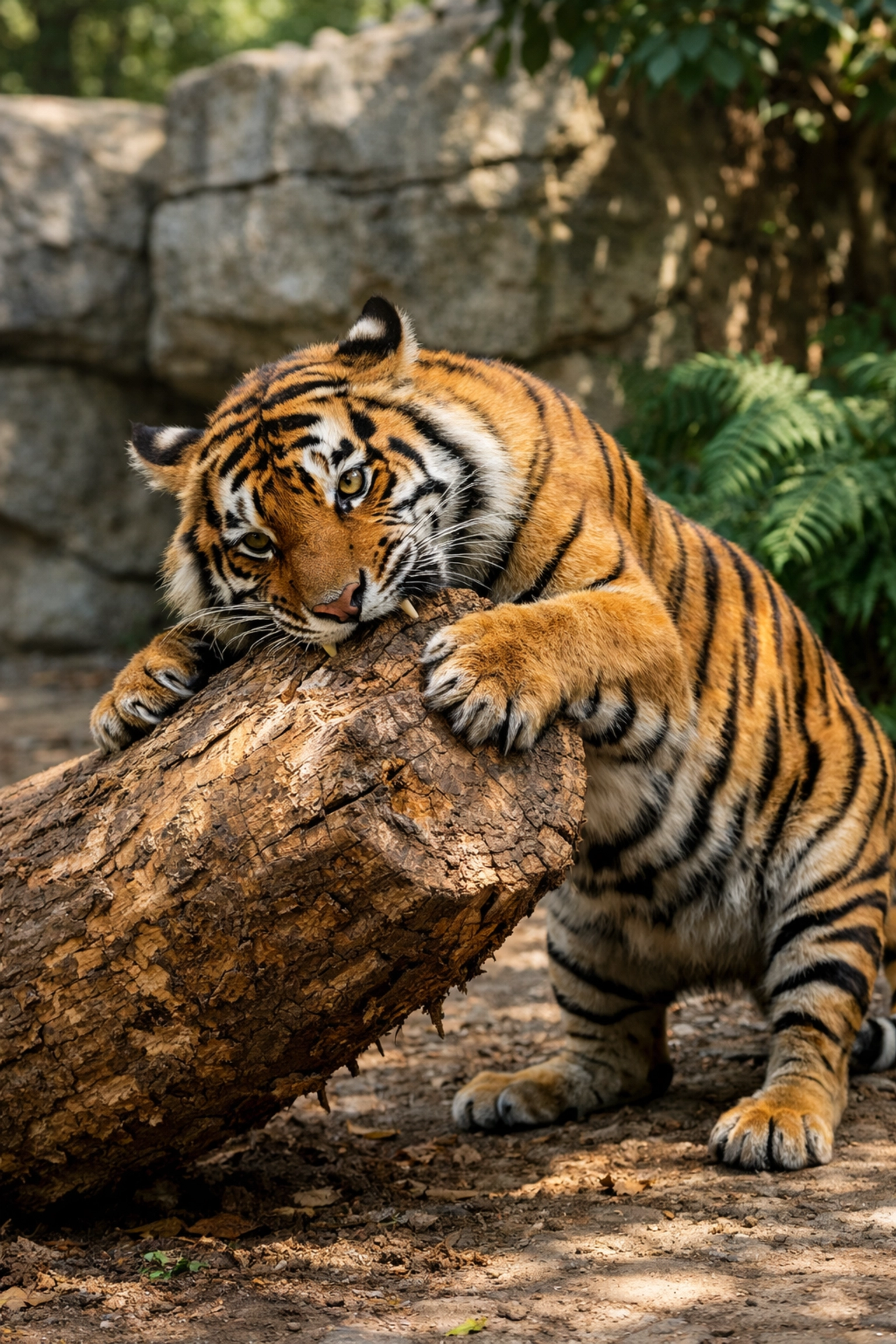
- Clear signs of enrichment.
- Distance and respect.
Avoid photos that show animals under stress.
Avoid photos that require "posing" for a camera.
These images don't sell conservation. They sell a performance.
Your audience can tell the difference.
A relaxed animal makes a more compelling subject.
It tells a story of care, not just display.
Marketing Insights: The ESG Alignment
Zoos and aquariums are under more scrutiny than ever.
Donors and partners look for ESG alignment.
They don't want buzzwords.
They want evidence.
Your imagery should reflect your commitment to the planet.
It’s not just about the animals.
It’s about the infrastructure.
Show these elements in your campaigns:
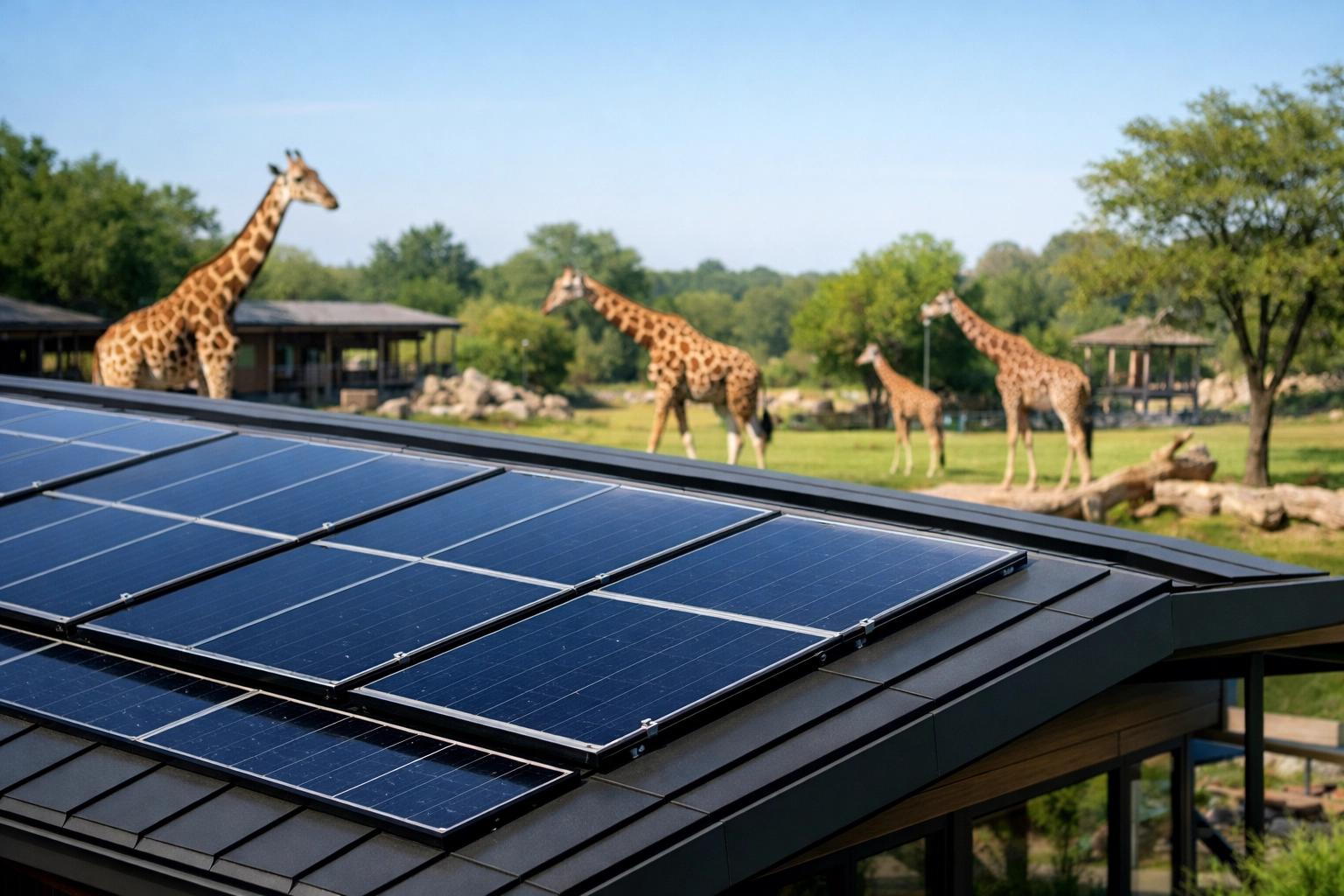
- Solar arrays in the park.
- Water recycling systems.
- Local community engagement.
- Staff working behind the scenes.
Marketing for zoos isn't just about selling tickets.
It’s about selling a mission.
Images of solar panels near an enclosure tell a story of sustainability.
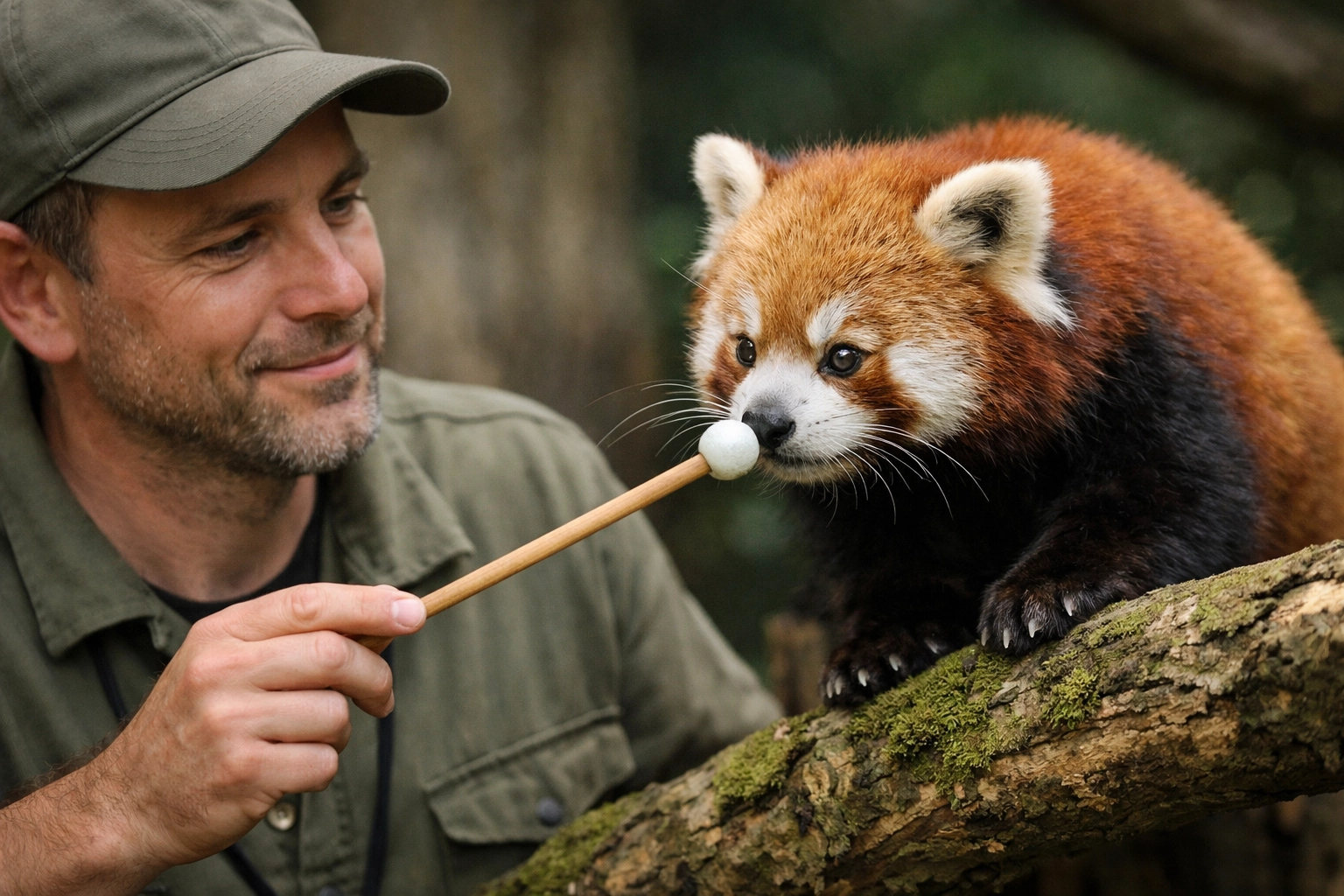
Images of keepers preparing specialized diets tell a story of expertise.
These are the visuals that attract high-value partners.
These are the stories that build institutional value.
Wildlife Trends in 2026
What is trending right now?
Authenticity.
Micro-stories.
High-definition details of enrichment.
The public wants to see what happens when the gates are closed.
They want to see the bond between keepers and animals.
They want to see the science.
Trend 1: Enrichment Focus
Photos of a tiger playing with a heavy-duty ball are more engaging than a tiger sleeping. It shows cognitive health.
Trend 2: The Human Element
The "Presented by" animal pages are shifting. They now feature the people who protect the species. It humanizes the institution.
Trend 3: Macro Conservation
Detailed shots of insects, amphibians, and reptiles. Small species that drive ecosystem health.
Why Sustainability Focus Matters
Sustainability isn't just about carbon.
It’s about the longevity of the institution.
It’s about the future of the species.
When you use imagery that focuses on sustainability, you are telling the audience that you are here for the long haul.
You are showing that you care about the world the animal lives in, not just the animal itself.
This builds a deeper connection with the viewer.
It transforms a visitor into an advocate.
Choosing the Right Stock Photography
Not all stock libraries are equal.
At Zoo Imagery, we focus on the specifics.
We look for images that respect the animal's dignity.
What to look for in our library:
- Diverse species coverage.
- High-quality, non-intrusive shots.
- Contextual imagery (vets, keepers, facilities).
- Clear metadata.
Avoid "generic" wildlife shots.
They lack the soul of your specific institution.
Look for imagery that reflects your standards.
The Power of Species Spotlights
Sponsored species spotlights are powerful tools.
But they need the right visual support.
If a corporation sponsors your Red Pandas, they want to see impact.
Don't just give them a headshot.
Give them a story.
Show the Red Panda in a well-maintained enclosure.
Show the specific bamboo being used for feed.
Show the scientific data being collected.
This is ethical storytelling.
It justifies the sponsorship.
It provides the "why."
Practical Steps for Zoo Marketers
-
Audit your current library.
Remove images that look staged or stressful. -
Refresh your captions.
Move away from "Wild Tiger" to "Malayan Tiger at [Zoo Name]." -
Show the work.
Include photos of your sustainability projects. -
Focus on Quality.
Rare, high-quality images beat thousands of mediocre ones. -
Be Transparent.
If an animal is a rescue, tell that story. It is your strongest asset.
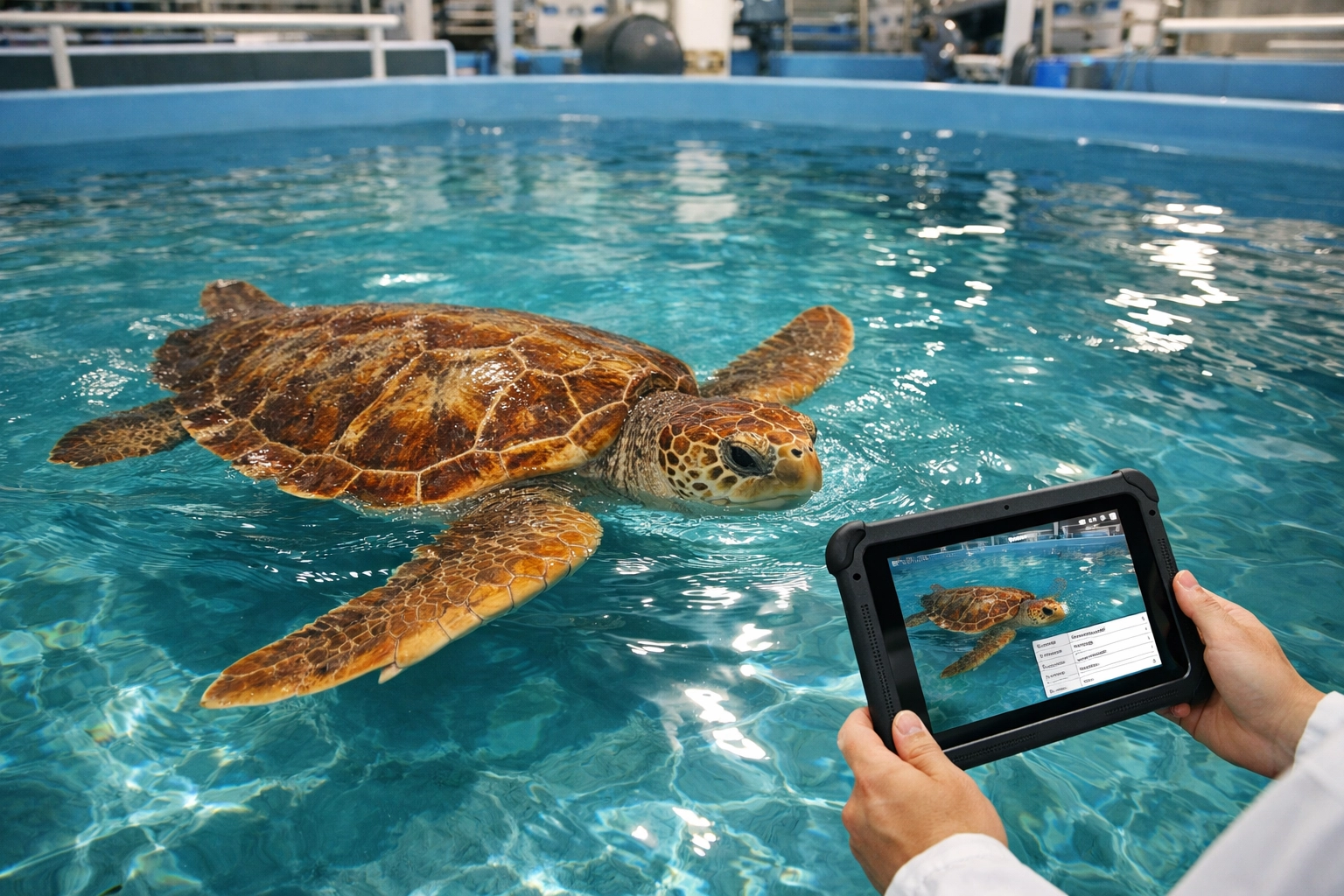
The Future of Visual Communication
The industry is moving toward a more honest representation of captive care.
The institutions that embrace this will lead.
The institutions that hide behind old-school stock photos will fall behind.
People crave connection.
They crave the truth.
Give it to them through your imagery.
Ethical storytelling is the bridge between a zoo and its community.
Cross it with confidence.
Start Your Search
Finding the right imagery shouldn't be difficult.
It should be an extension of your mission.
Explore our collections at Zoo Imagery.
We provide the visuals. You provide the impact.
Need specific advice on your next campaign?
Follow us on LinkedIn for daily updates on marketing trends and ethical photography practices.
Dan Kost
CEO, Zoo Imagery
Resources & Links


