Daily Newsletter: Sustainable Wildlife Marketing Insights – July 30, 2026
Today's Focus
- Kinabatangan Biodiversity Research Forest
- Aeʻo wetland downlisting milestone
- Authentic wildlife visual communication
- Bornean orangutan habitat security
Corporate ESG Research Partnerships: Ferrero, Hutan & Chester Zoo's Kinabatangan Initiative
Corporate sustainability commitments require measurable field data. The partnership between Ferrero UK, Hutan, and Chester Zoo establishes a model for corporate-NGO collaboration in tropical agriculture landscapes.
- Location: Kinabatangan UNESCO Biosphere Reserve, Sabah, Malaysian Borneo
- Timeframe: 2026–2028
- Focus: Biodiversity monitoring, forest corridor evaluation, sustainable palm oil integration

Field Methodologies
Hutan scientists deploy advanced tracking systems across mixed forest-agricultural zones:
- Thermal drones for wildlife movement tracking in fragmented terrain
- Bioacoustic soundscape recorders for ecosystem health baselines
- Camera traps monitoring corridor utilization by elephants and orangutans
Strategic Implications
Conservation initiatives depend on transparent evidence. Documenting ecosystem recovery alongside active agricultural production provides verified data for ESG reporting, consumer education, and habitat restoration strategies.
Species Recovery Success: The Aeʻo (Hawaiian Stilt) Downlisting & Wetland Storytelling
Regulatory reclassification offers clear communication opportunities for conservation storytelling. The U.S. Fish and Wildlife Service reclassified the Hawaiian stilt (Himantopus mexicanus knudseni), known locally as the Aeʻo, from endangered to threatened under the Endangered Species Act.
- Species: Aeʻo (Hawaiian stilt)
- Status Change: Endangered to Threatened
- Primary Driver: Three decades of wetland protection and active management

Wetland Conservation Drivers
Population recovery correlates directly with habitat availability and management practices:
- Protected core wetlands across major Hawaiian islands
- State, federal, and Department of Defense land partnerships
- Targeted predator control and invasive species management
The Section 4(d) Rule
The accompanying ESA section 4(d) rule balances regulatory protection with management flexibility. It allows refiners, private landowners, and community groups to undertake habitat restoration, vegetation management, and water-level control without undue administrative barriers.
Visual Communication Strategy
Communicating recovery milestones requires accurate, understated imagery. Highlighting restored wetlands and healthy bird populations builds public trust and reinforces the value of sustained habitat investment.
Practical Wildlife Visual Marketing: Engaging Visitors Without Hype
Effective visual marketing relies on clarity, authenticity, and respect for natural behaviors. Zoos, aquariums, and conservation organizations communicate best when imagery reflects genuine animal well-being and habitat context.
- Principle: Documentary-style authenticity over staged production
- Format: High-resolution landscape and portrait assets
- Application: Educational displays, digital storytelling, visitor engagement apps
Visitor Engagement Through Real Assets
Audiences respond to genuine moments. Utilizing clear, vibrant animal photography in visitor apps and marketing campaigns drives meaningful engagement without relying on exaggeration.
- Clear documentation of species characteristics
- Natural lighting and authentic behavioral capture
- Direct integration with conservation messaging
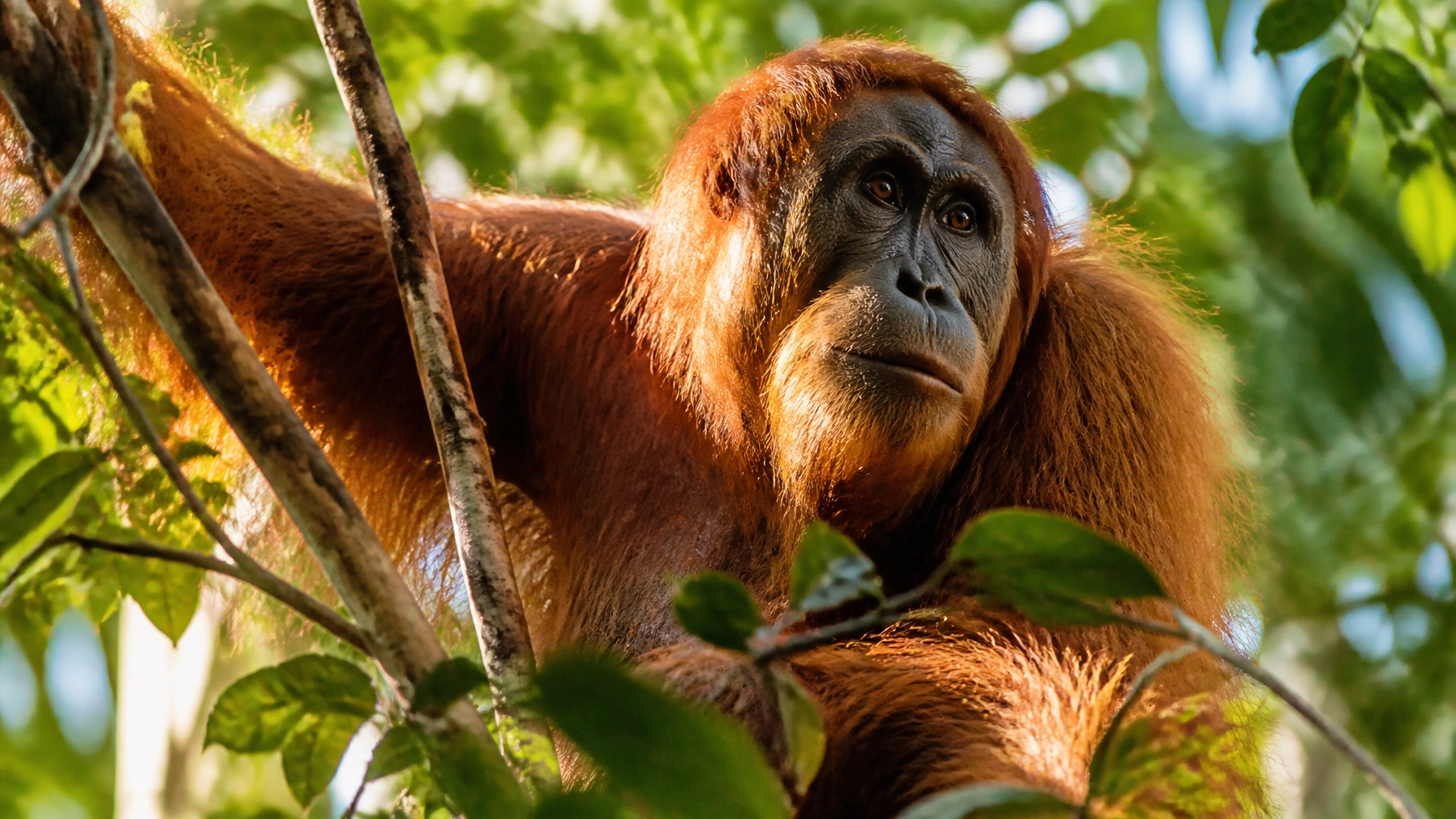
Species Spotlight: The Bornean Orangutan (Pongo pygmaeus)
The Bornean orangutan remains a cornerstone species for tropical rainforest conservation in Southeast Asia.
- Status: Critically Endangered (IUCN Red List)
- Habitat: Lowland tropical rainforests, peat swamp forests, dipterocarp valleys
- Primary Threats: Habitat fragmentation, agricultural conversion, illegal trade

Ecological Role
As primary seed dispersers, orangutans maintain forest regeneration across the Kinabatangan basin and broader Bornean ecosystems. Protecting arboreal pathways, canopy connectivity, and protected forest reserves ensures long-term species survival.
Connect With Zoo Imagery
- Explore our stock library: Zoo Imagery
- Connect with industry peers: LinkedIn


