Daily Blog: Animal Photography & Zoo Marketing – July 25, 2026
Presented by Zoo Imagery
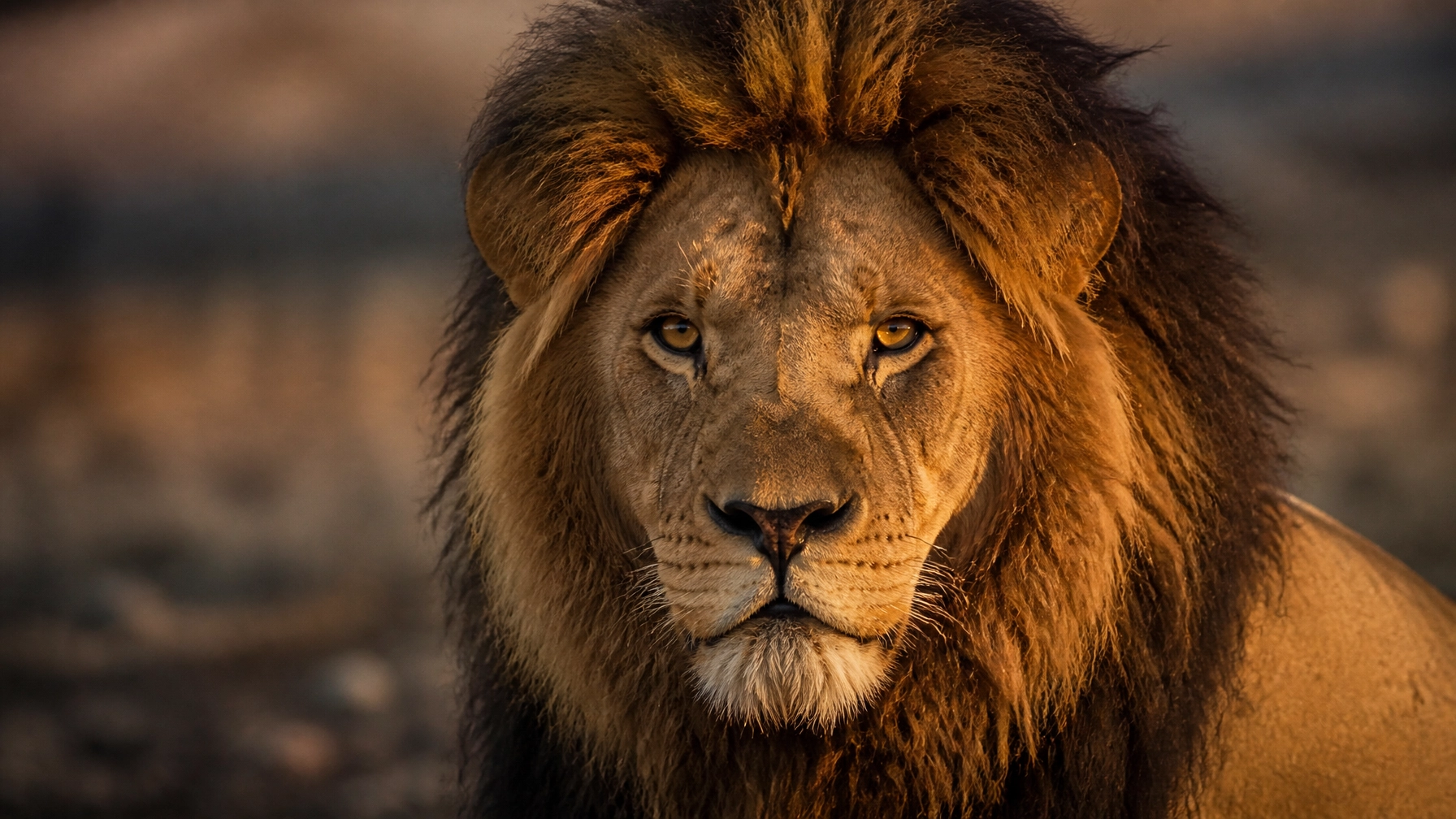
The lion.
Panthera leo.
Apex predator.
Social icon.
Subject of today’s feature.
Species Spotlight: The Pride

Lions do not live alone.
They form prides.
Unique among large cats.
Structure:
- Related females.
- Sisters, mothers, grandmothers.
- Shared cub-rearing.
- Shared territory defense.
- Shared life.
Numbers:
- Average size: 13 individuals.
- Range: 2 to 40 members.
- Influenced by prey availability.
- Influenced by habitat quality.
Roles:
- No single alpha.
- Shared leadership.
- Females: The core. The hunters. The decision-makers.
- Males: The guardians. The transient presence. The coalition-builders.
Social Dynamics:
- Female philopatry.
- Stay in the birth pride.
- Life-long bonds.
- Male dispersal.
- Young males leave at 2-4 years.
- Form coalitions.
- Seek new territories.
- Seek new prides.
Hunting Behavior: The Strategy
Lions hunt with precision.
Cooperation is the tool.
The Hunt:
- Primary hunters: Lionesses.
- Semicircle formations.
- Herding prey.
- Ambushes.
- Stalking within 30 meters.
- Explosive speed.
Target Prey:
- Zebras.
- Wildebeest.
- Buffalo.
- Large hoofed mammals.
- Necessary calories for the group.
Male Participation:
- Rare.
- Involved for large, dangerous prey.
- Vital for buffalo hunts.
- Otherwise, defense is their work.
The Mane: More Than Fur
The mane is a signal.
A visual biological marker.
Function:
- Signals dominance.
- Signals strength.
- Signals genetic health.
- Darker manes: High testosterone. Better nutrition.
- Fuller manes: Older age. Experience.
- Physical protection: Guarding the neck during conflicts.
Conservation: The Current State
The population is declining.
Status: Vulnerable.
The Reality:
- 20,000 lions remain.
- 43% decline since the 1990s.
- Habitat loss.
- Human-wildlife conflict.
- Illegal trade.
Impact:
- Fragmented populations.
- Restricted to protected areas.
- Loss of genetic diversity.
- Immediate action required.

Photography Tips: Capturing the King
Capturing lions requires patience.
Technical skill meets animal behavior.
1. Shooting in Low Light (Dawn/Dusk)
Lions are most active at twilight.
The light is soft.
The light is golden.
Settings:
- Fast lenses: f/2.8 or f/4.
- Maximum light intake.
- Shutter speed: 1/500s for movement.
- Shutter speed: 1/250s for stillness.
- ISO: 1600 to 6400.
- Accept grain.
- Reject blur.
Technique:
- Aperture Priority mode.
- Manual mode for silhouettes.
- Expose for highlights.
- Preserve the glow on the mane.
2. Framing for Power
Don't just take a photo.
Create a portrait.
Composition:
- Eye contact: Non-negotiable.
- Sharp focus on the amber iris.
- Rule of thirds: Place the lion off-center.
- Look-room: Leave space where the lion is looking.
- Low angles: Emphasize dominance. Emphasize scale.
3. Working with Zoo Enclosures

Barriers exist.
Make them disappear.
Through Fences:
- Lens pressed against the mesh.
- Wide aperture (f/2.8).
- Long focal length.
- Fence blurs into nothing.
- Result: Clean wildlife shot.
Through Glass:
- Turn off flash. Always.
- Angle the lens.
- Block reflections with your hand.
- Use a lens hood.
- Wear dark clothing.
- Avoid self-reflections.
Marketing Strategy: ZooMedia.us
Visual content drives visits.
User-generated content (UGC) is the future.

The Problem:
- Traditional marketing is static.
- Traditional ads are expensive.
- Guests are already taking photos.
- Those photos stay on private phones.
The Solution:
- ZooMedia.us app.
- Guest-centric marketing.
- Simple photo sharing.
- Instant brand engagement.
The ROI:
- Real-time tracking.
- Visual engagement data.
- High-quality UGC for social feeds.
- Authentic storytelling from visitors.
- Lower marketing spend.
- Higher visitor trust.
Conclusion
Lions deserve our focus.
In the wild.
In the frame.
In our marketing.
Quality imagery tells the story.
Innovative apps share it.
Explore our Lion Category for your next project.
Visit Zoo Imagery for professional stock photography.
Connect with us on LinkedIn.


