Conservation Storytelling Matters: How Today’s Species Spotlights Drive Real Impact
Images change perspectives. At Zoo Imagery, we see this every day. A single photograph can move someone to act. This is the core of conservation storytelling.
Today is Wednesday, April 1, 2026. As we look at the current state of digital media, the need for clear, simple stories about our planet has never been higher. People are tired of noise. They want connection. They want to see what is happening on the ground.
The Power of the Spotlight
When we talk about conservation, we often talk about numbers. Hectares lost. Declining populations. Percentage points.
Statistics are necessary for science. They are difficult for storytelling. Most people do not feel an emotional connection to a spreadsheet. They feel a connection to a face.
A species spotlight changes the focus. Instead of "all wildlife," we look at one animal. One story. One struggle. This makes the global problem personal.
Why Individual Stories Work
- Empathy. It is easier to care about a specific character.
- Clarity. Focusing on one species removes complexity.
- Recall. People remember stories better than facts.
- Engagement. Personal narratives drive shares and comments.
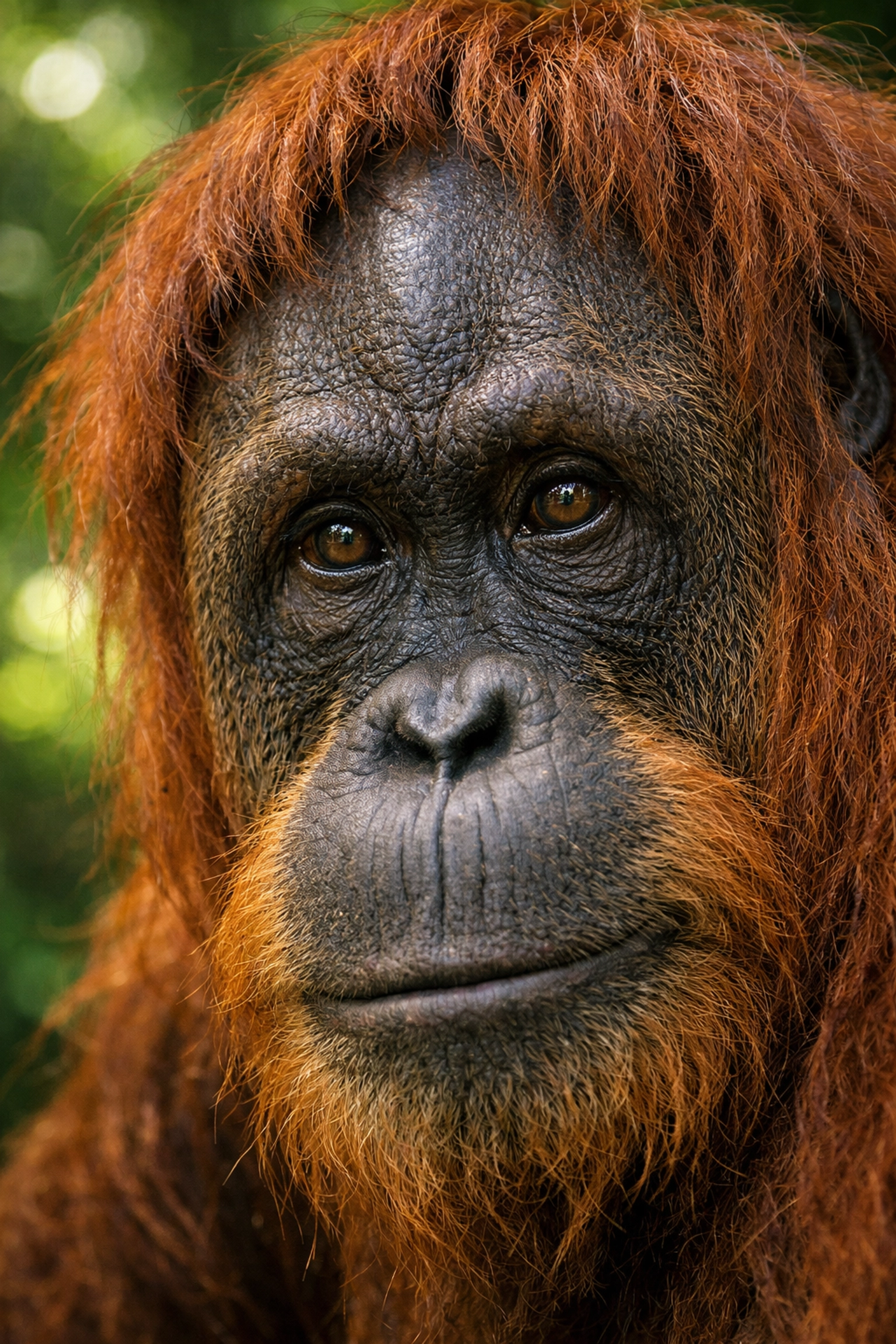
Research shows that audiences are drawn to individual narratives. When we highlight a specific animal, like a mother gorilla or a single sea turtle, the audience stops scrolling. They look. They read. They understand.
Beyond the "Big Names"
For decades, conservation focused on "flagship species." These are the giants. Lions. Tigers. Elephants. Pandas.
They are important. But they are not the whole story.
Recent data suggests that lesser-known species are gaining traction. On social media, animals like the African Wild Dog or the Pangolin are seeing higher engagement rates. Why? Because they are novel. They are interesting. They are new to the audience.
Novelty Drives Action
- Audiences like learning something new.
- Lesser-known species often have more dramatic, untold stories.
- Human impact is often more visible in smaller habitats.
At Zoo Imagery, we provide the visual tools to tell these stories. Our stock photography library covers the famous and the obscure. Every species deserves its moment in the light.
A Milestone for Zoo Imagery
We have reached a new milestone. Our library of high-quality, professional imagery has grown significantly this year.
We now offer one of the most comprehensive digital media collections for zoos and aquariums. This is not just about quantity. It is about quality. We focus on photos that tell a story.
Dan Kost, our CEO, believes in simplicity. The goal is to get the right image into the hands of the people who can use it to make a difference.

The Gap Between Awareness and Impact
Awareness is the first step. It is not the last.
A common problem in conservation media is the "click gap." A person sees a beautiful photo. They like it. They share it. Then they move on.
The animal is still in danger. The habitat is still shrinking.
To drive real impact, storytelling must bridge this gap. It must move the viewer from "knowing" to "doing."
How to Close the Gap
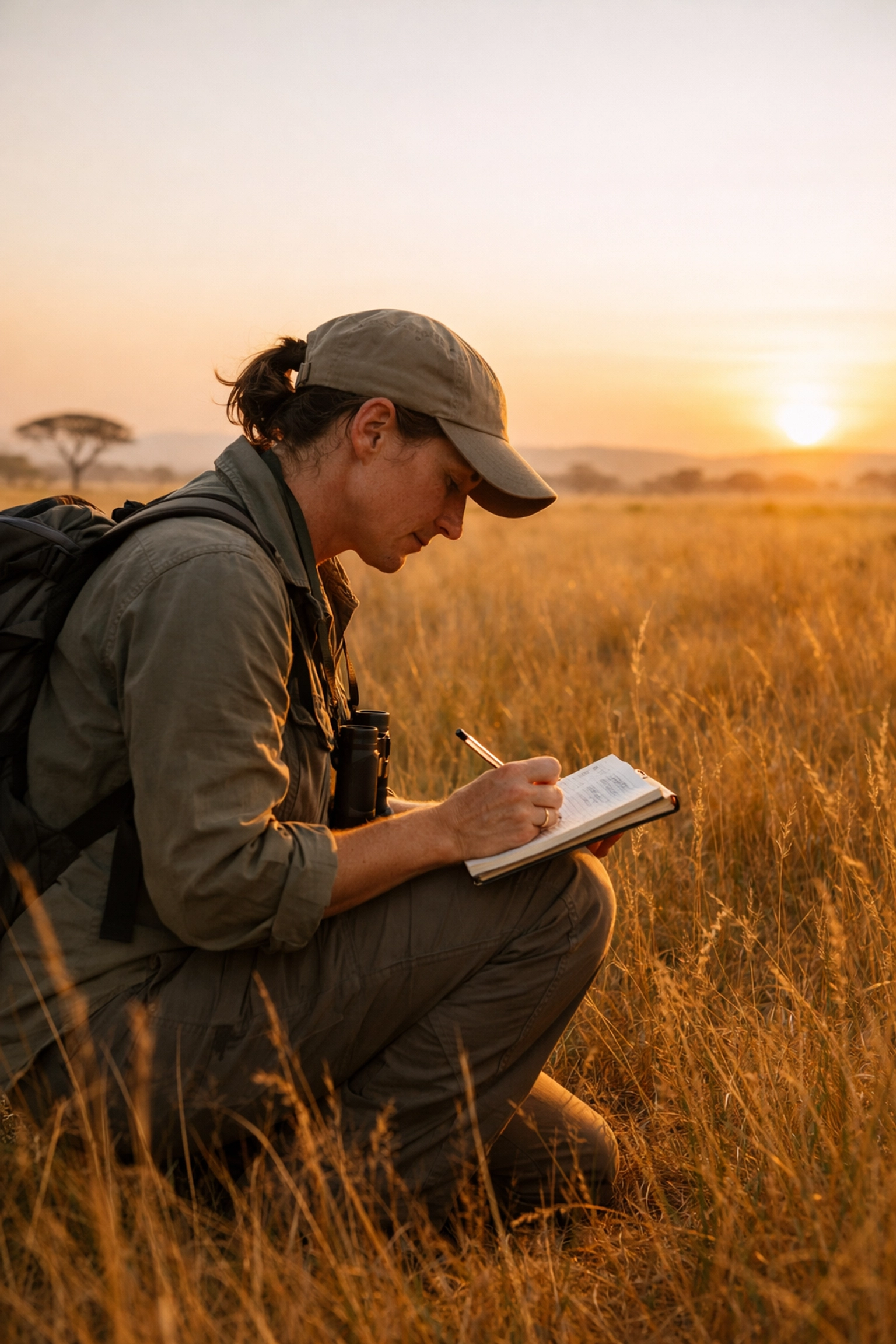
- Strategic Collaboration. We work with scientists to ensure accuracy.
- Clear Pathways. Every story should suggest a next step.
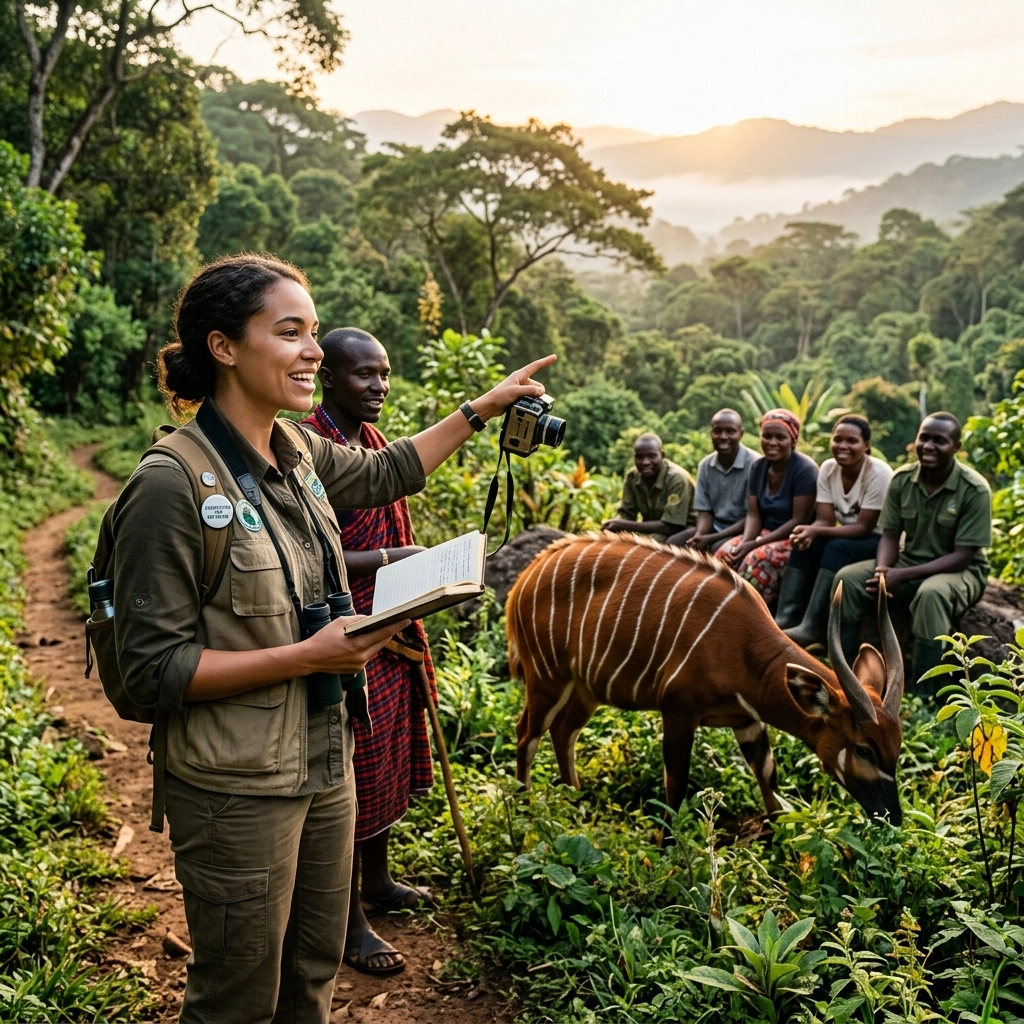
- Local Context. Show the people behind the conservation work.
- Consistency. One post is not enough. Storytelling requires a sequence.
By linking imagery directly to conservation goals, we turn passive viewers into active supporters.
Digital Media as a Tool for Change
In 2026, the digital landscape is crowded. To stand out, you need more than just a "nice" photo. You need an image that carries weight.
Our work at Zoo Imagery is built on this premise. We don't just sell files. We provide the visual foundation for ESG-aligned campaigns and educational programs.
The Role of High-Quality Imagery
- Trust. Professional photos signal a professional organization.
- Education. Detailed shots help teach biology and ecology.
- Funding. Compelling visuals are essential for donor outreach.
- Advocacy. Strong images help influence policy and public opinion.
Simple, direct messaging backed by powerful visuals is the most effective way to communicate. We avoid jargon. We avoid complexity. We let the animals speak for themselves.
Species Spotlight: The Power of Perspective
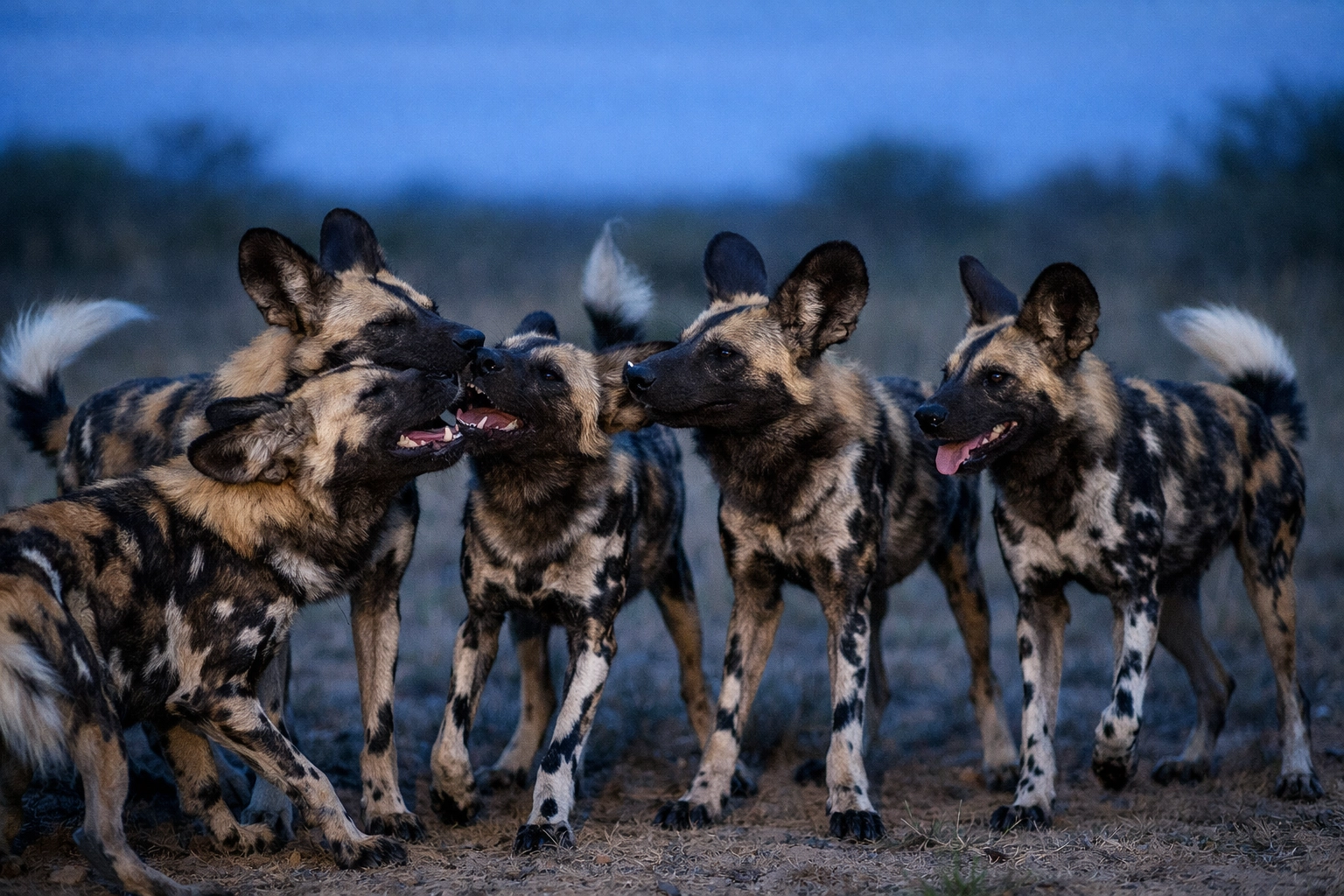
Consider the African Wild Dog. For a long time, they were misunderstood. They weren't seen as "majestic" like lions.
Through targeted storytelling and better photography, the narrative changed. People saw their social bonds. Their intelligence. Their unique patterns.
Today, they are a focus of major conservation efforts. This change started with images. It started with a spotlight.
Looking Ahead
The future of conservation is visual. As technology improves, we can bring people closer to nature than ever before.
We are committed to helping organizations tell these stories. Whether it is through a sponsored species page or a daily social media post, the goal remains the same: driving real impact through storytelling.
Our Promises
- Simplicity. We make it easy to find and use great media.
- Quality. Only the best shots make it into our library.
- Transparency. We are honest about our work and its impact.
- Support. We are here to help you tell your story.
We believe that when people see the beauty of a species, they will want to protect it. It is that simple.
Join the Conversation
Conservation storytelling is a collective effort. It involves photographers, scientists, educators, and the public.
We invite you to explore our work and see how high-quality media can transform your messaging. Visit our website to learn more about our library and our mission.
Connect With Us
Stay updated on our latest milestones and species spotlights.
- Follow us on LinkedIn for industry insights.
- Browse our latest collections at zooimagery.com.
- Check our About Us page to meet the team.
Storytelling matters. Your story matters. Let's make sure it is seen.
Final Thoughts
The world does not need more noise. It needs more clarity.
At Zoo Imagery, we provide that clarity through the lens of a camera. By focusing on species spotlights and real-world impact, we can help ensure a future for the wildlife we all care about.
Keep it simple. Tell the truth. Use great photos.
That is how we change the world.
Contact Information
For media inquiries or more information about our services, please visit our Contact Page.
Learn More
© 2026 Zoo Imagery. All rights reserved.


