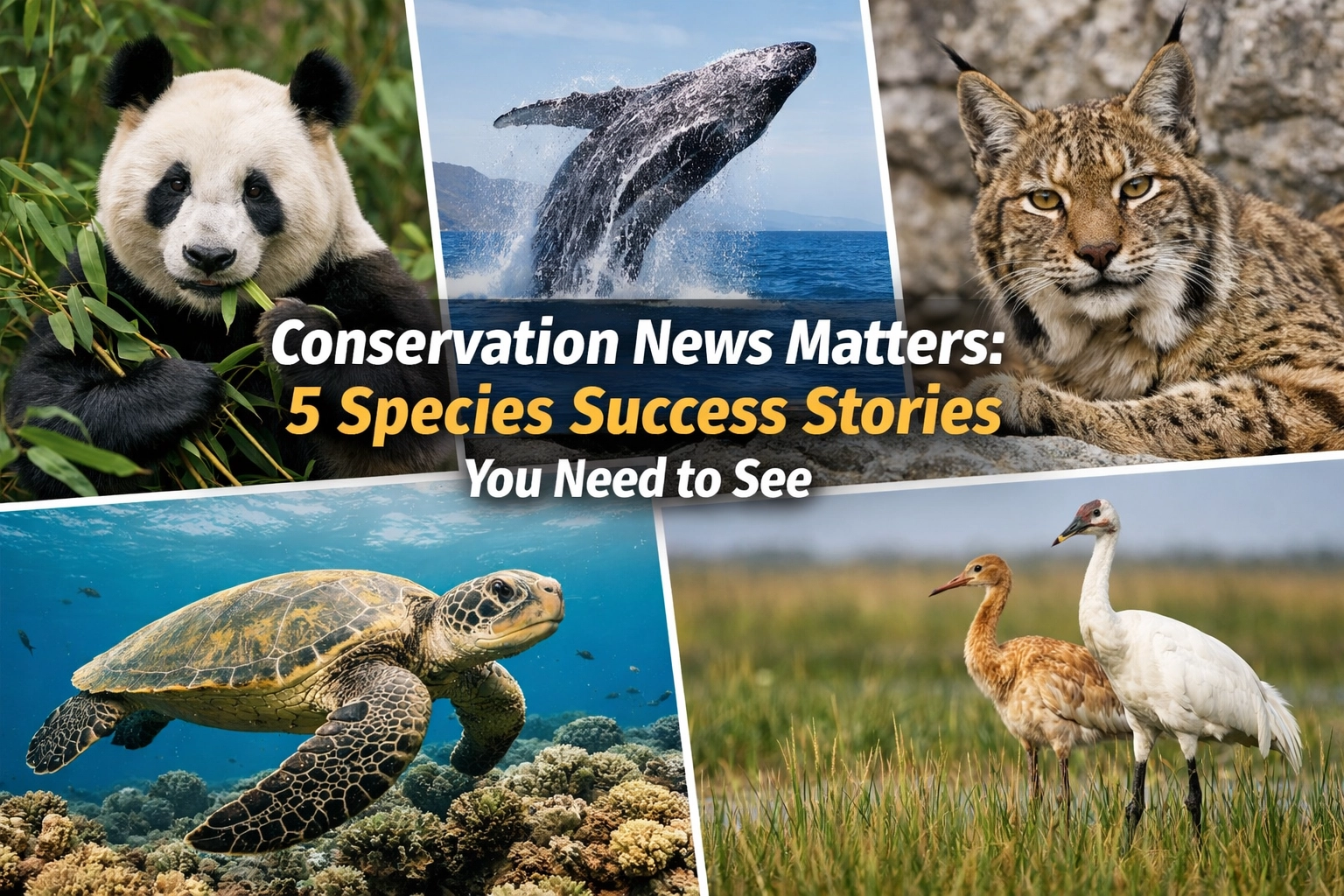
Conservation News Matters: 5 Species Success Stories You Need to See
Good news in conservation is rare. We hear about loss. We hear about decline. But progress happens every day. At Zoo Imagery, we document that progress.
Visual storytelling changes how people see wildlife. It turns data into a connection.
Here are five species that were on the edge. They are coming back.
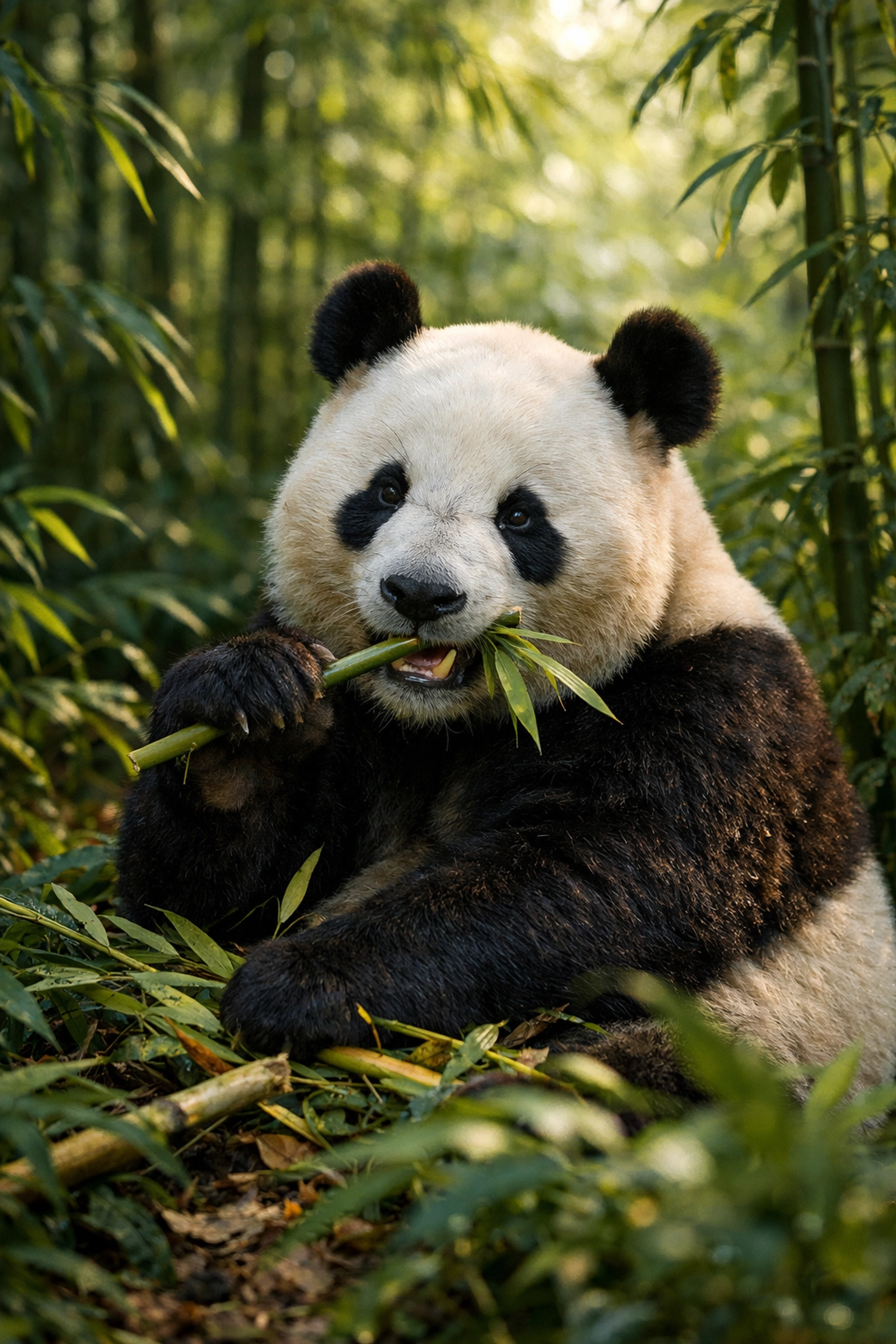
1. The Giant Panda: A Global Icon Returns
The giant panda is the face of conservation. For decades, the outlook was grim. Habitat loss and low birth rates pushed them toward extinction.
Today, the story has changed.
The Numbers
- Status: Upgraded from Endangered to Vulnerable.
- Wild population: Approximately 1,800.
- Location: Sichuan, Shaanxi, and Gansu provinces, China.
The Strategy
China focused on habitat. They created the Giant Panda National Park. It connects isolated populations. They planted bamboo. They stopped poaching.
Captive breeding played a role. But habitat protection did the heavy lifting. The recovery shows that large-scale government intervention works.
2. The California Condor: Back from Twenty-Seven
In 1982, only 22 California condors remained on Earth. By 1987, the last wild condors were captured for a desperate breeding program.
Extinction seemed certain.
The Numbers
- 1982: 22 birds.
- Today: Over 500 birds.
- Range: California, Arizona, Utah, and Baja California.
The Strategy
Total intervention. Biologists used "puppet rearing" to raise chicks without human imprinting. They tackled lead poisoning. They banned lead ammunition in key areas.
It is a slow recovery. The birds still face threats. But they are flying free again.
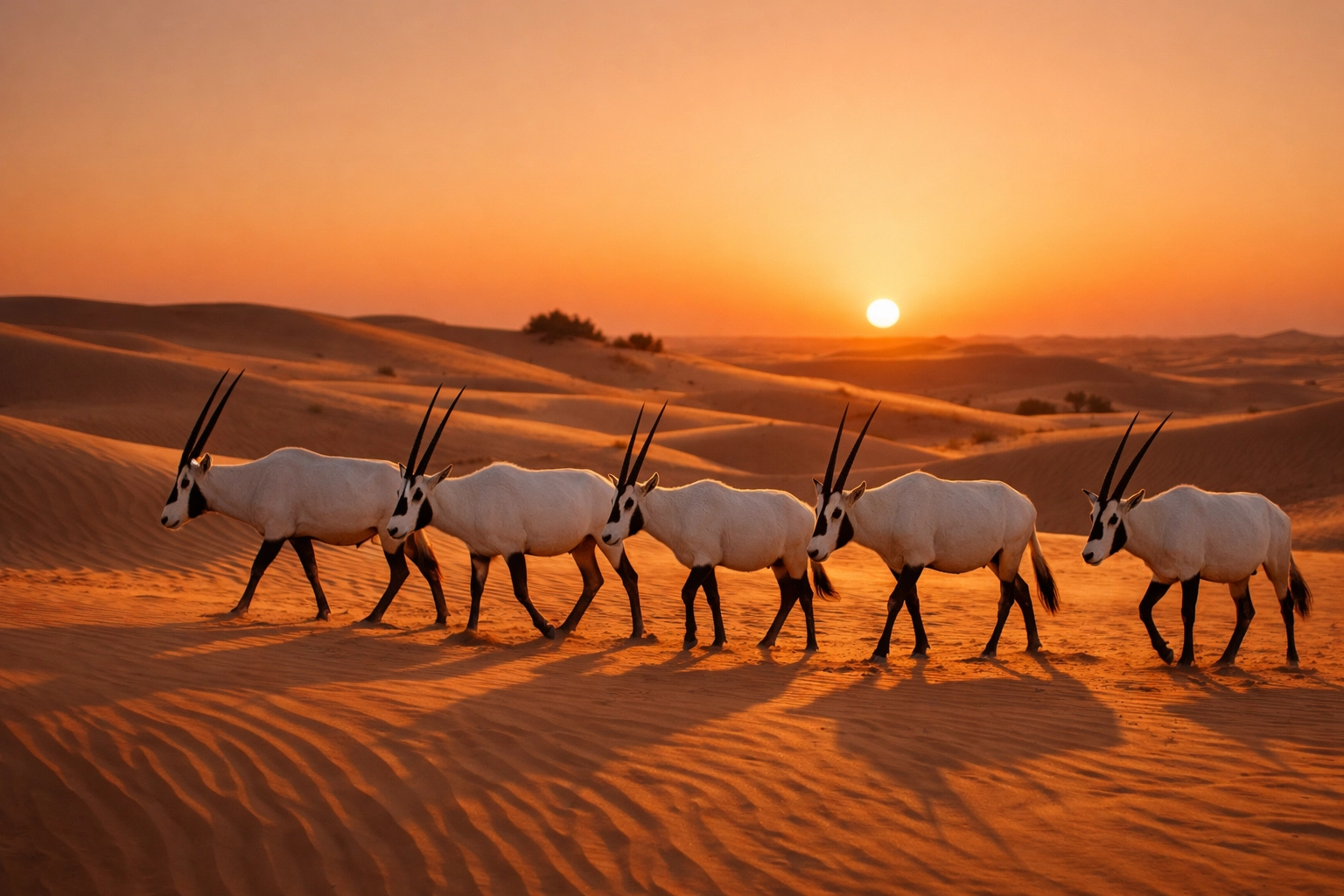
3. The Arabian Oryx: Rising from "Extinct"
This is a rare feat. The Arabian oryx went from Extinct in the Wild to Vulnerable.
In 1972, the last wild oryx was shot. The species only existed in zoos and private collections.
The Numbers
- Status: Vulnerable (an improvement of two categories).
- Wild population: Over 1,200.
- Countries: Oman, Saudi Arabia, UAE, Jordan, Israel.
The Strategy
"Operation Oryx." International cooperation. Zoos in the US and Europe sent animals back to the Middle East. Protected reserves were established.
The oryx is a symbol of resilience. It proves that even when a species disappears from the wild, we can bring it back.
4. The Florida Panther: A Genetic Rescue
In the 1990s, the Florida panther was failing. Only 10 to 20 individuals remained. Inbreeding caused heart defects and low fertility.
The population was a "dead end."
The Numbers
- 1990s: <20 adults.
- Today: 120 to 230 adults.
- Location: South Florida.
The Strategy
Bold science. Conservationists brought in eight female cougars from Texas. This "genetic rescue" introduced new DNA. It worked. Fertility rose. Survival rates climbed.
Florida also invested in infrastructure. Underpasses on I-75 allow panthers to cross roads safely. Habitat preservation remains the primary challenge, but the genetic crisis is over.
5. Green Sea Turtles: Protecting the Nest
Sea turtles face a gauntlet. Poaching. Plastic. Light pollution. Fisheries.
But in the United States and several tropical regions, the tide is turning.
The Numbers
- Protection: Endangered Species Act (since 1978).
- Trend: Nesting populations are stabilizing or increasing in key areas.
- Reach: Global oceans.
The Strategy
Focusing on the beach. Nesting sites are now protected. Volunteers monitor beaches. Cities have implemented "turtle-friendly" lighting to prevent hatchlings from wandering toward roads.
Fisheries now use Turtle Excluder Devices (TEDs). It is a multi-front war that conservationists are starting to win.

Why Zoo Imagery Documents This
At Zoo Imagery, we provide high-quality digital media for the zoological and conservation community.
Our mission is simple:
- Support zoos and aquariums.
- Provide authentic imagery.
- Tell the story of survival.
Images move people. A photo of a Florida panther kitten is more than a file. It is proof of a successful program. A video of a California condor soaring is evidence of decades of hard work.
Company Milestones
We are expanding our library. Our focus is on rare and endangered species spotlights. We are working with partners to create "Presented by" pages that highlight specific conservation wins.
We believe in transparency. We believe in quality.

The Path Forward
Conservation is not a finished task. It is a constant effort.
The success stories above happened because people chose to act. Governments funded programs. Scientists took risks. Donors stayed patient.
We see the results in our lens every day.
- Simple goals.
- Direct action.
- Clear results.
That is how we work at Zoo Imagery. That is how conservation wins.
Join the Story
We invite you to explore our work. See the species we are highlighting this month. Support the institutions making these success stories possible.
Visit us: zooimagery.com
Connect with us: LinkedIn
Dan Kost
CEO, Zoo Imagery
Conservation news matters. Keep looking forward.


