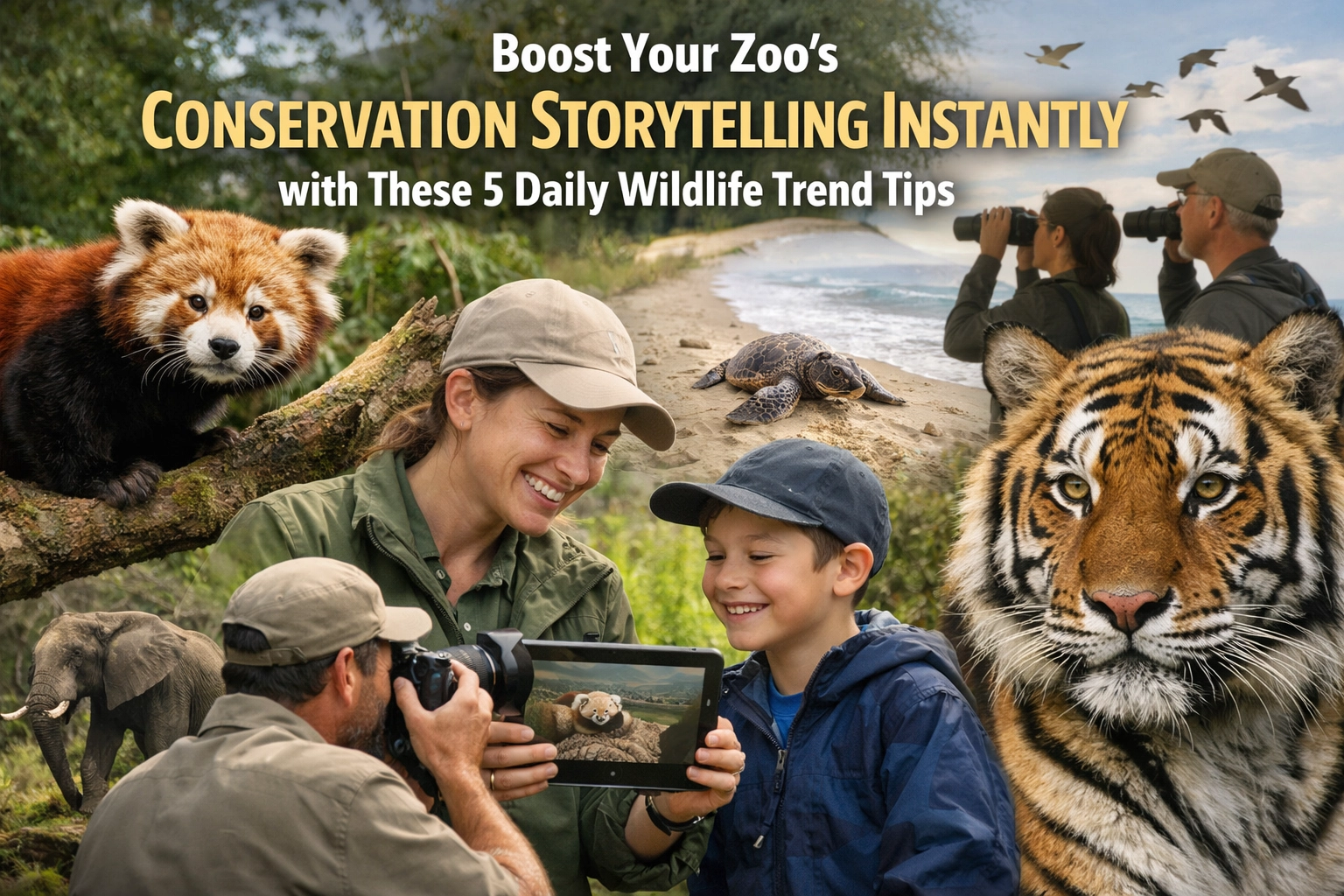
Boost Your Zoo’s Conservation Storytelling Instantly with These 5 Daily Wildlife Trend Tips
Your conservation stories matter. But here's the thing: most zoo marketing teams are telling the same stories the same way. Generic posts about "saving the planet" don't move people. Specific, timely narratives do.
These five tips work immediately. No budget needed. Just smarter storytelling.
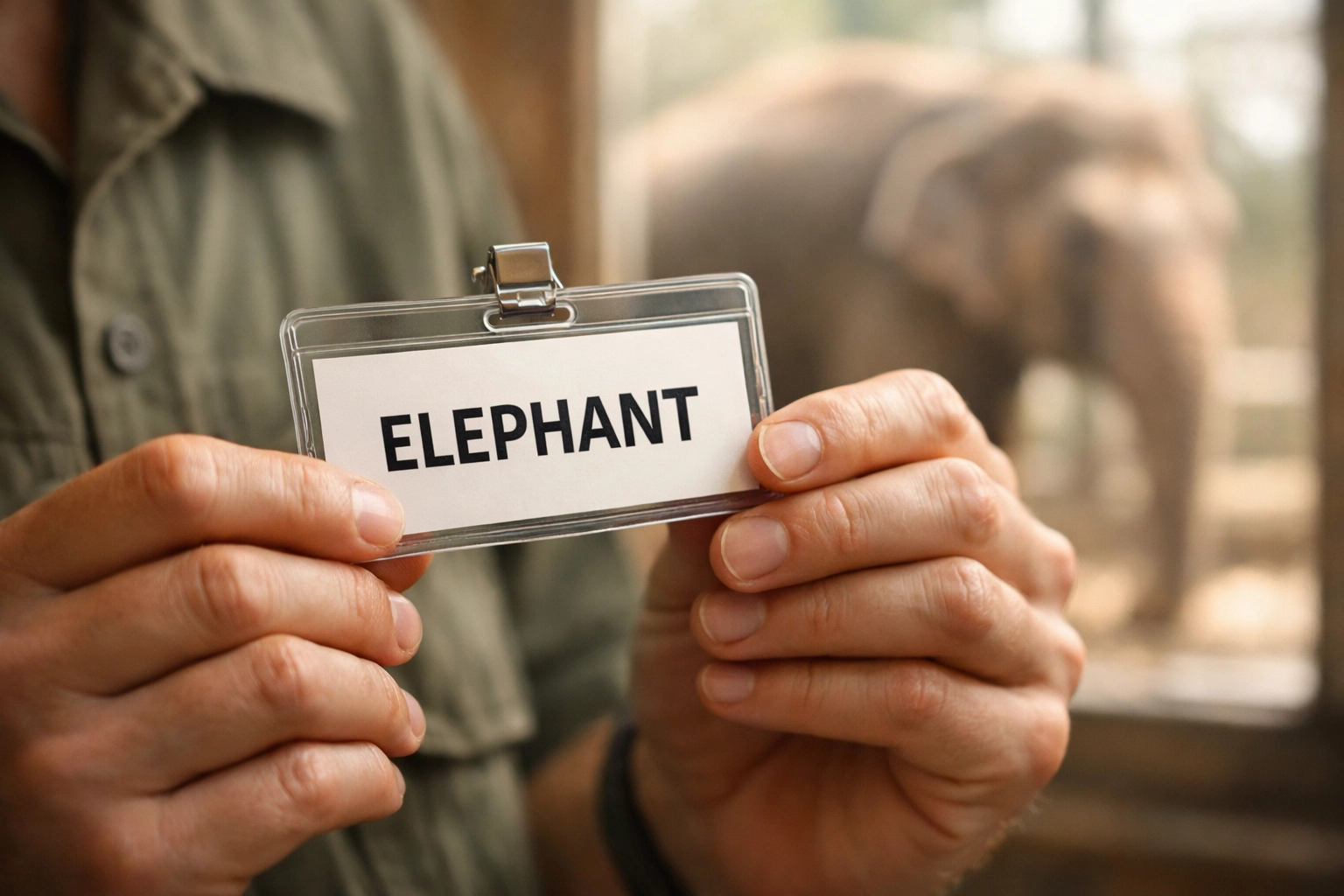
1. Name Your Animals (And Tell Their Specific Stories)
Stop posting about "our elephants." Start posting about Kamala, the 22-year-old matriarch who just taught her daughter a new foraging technique.
The identifiable victim effect is real. When people connect with one individual animal, they care about the entire species. Research shows visitors who learn about named animals with individual personalities are significantly more likely to support conservation efforts.
Today's action: Pick one animal. Write three unique facts about their personality, not their species. Share that story this week.
Your social media should feature individual animals regularly. Not just during big campaigns. Daily content works best when it's personal, specific, and authentic.
2. Structure Every Story as Hero-Villain-Journey
Every conservation story needs three elements:
Hero: The animal, habitat, or ecosystem you're highlighting
Villain: The specific threat causing harm
Journey: What's happening and what comes next
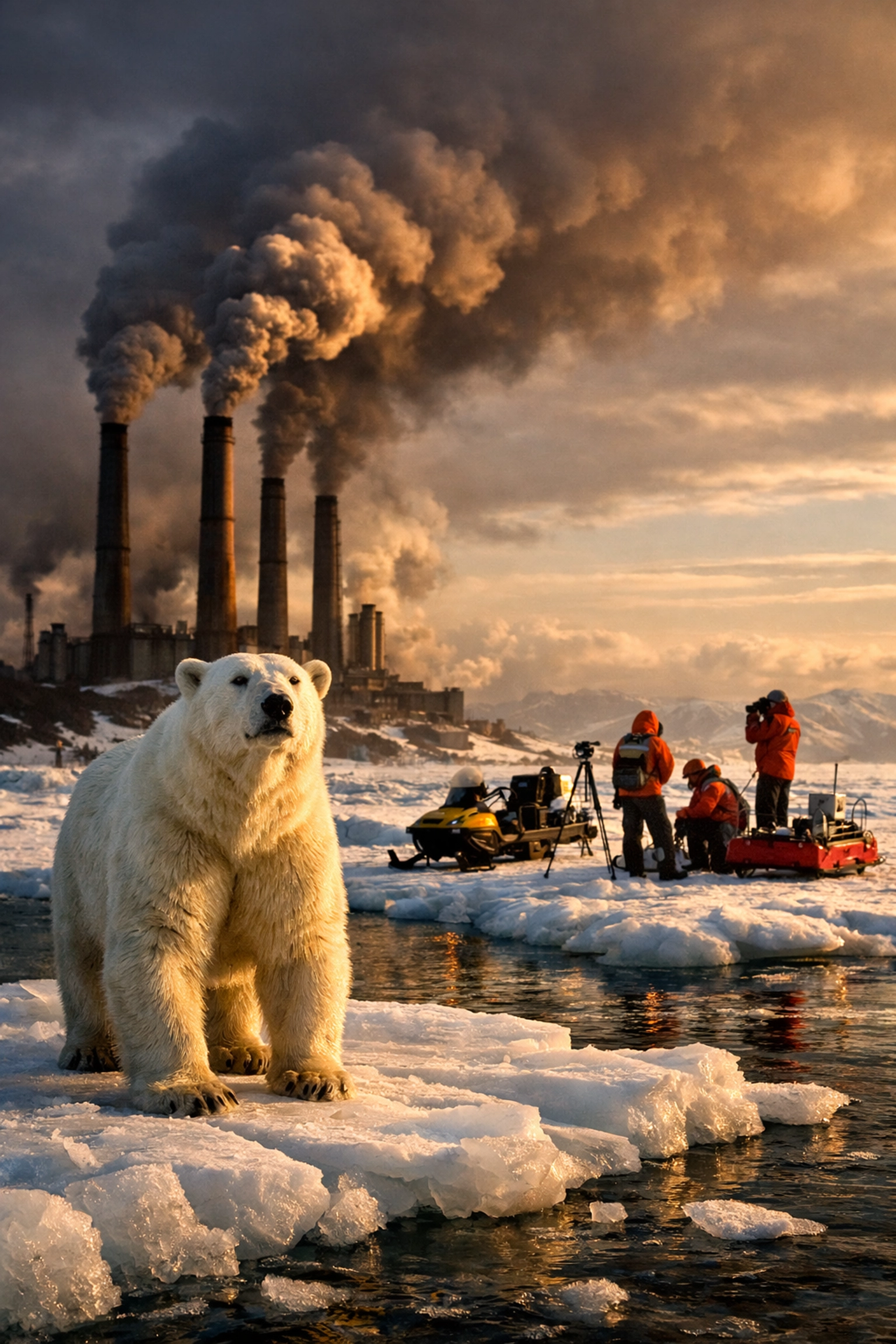
This framework makes complex conservation challenges digestible. Instead of "Polar bears face habitat loss," try: "Meet Aurora, a polar bear whose ice floe feeding grounds have shrunk 30% in five years. Here's what we're doing about it."
The villain matters most. Be specific. Ocean acidification. Agricultural runoff. Illegal wildlife trade. Urban development. Name the problem clearly.
Today's action: Take your last conservation post. Rewrite it using this three-part structure. Notice how much clearer it becomes.
3. Spotlight Lesser-Known Species with Human Connection
Everyone knows elephants need help. Fewer people know about pangolins, okapis, or gharials.
Data shows lesser-known species generate higher engagement when tied to specific human impacts. This works because novelty captures attention while personal responsibility drives action.
Your audience wants to feel like they're discovering something new. Give them that. Then connect it directly to human activity they understand.
Today's action: Choose an underappreciated species in your collection. Research one specific way human activity affects them. Share that story with a clear visual.
Example: "You've probably never heard of the Matschie's tree kangaroo. Coffee farming in Papua New Guinea is destroying their habitat. Here's the connection between your morning brew and this critically endangered marsupial."
4. Show Your People, Not Just Your Animals
Behind-the-scenes content performs. Not because it's trendy. Because it demonstrates authentic care.
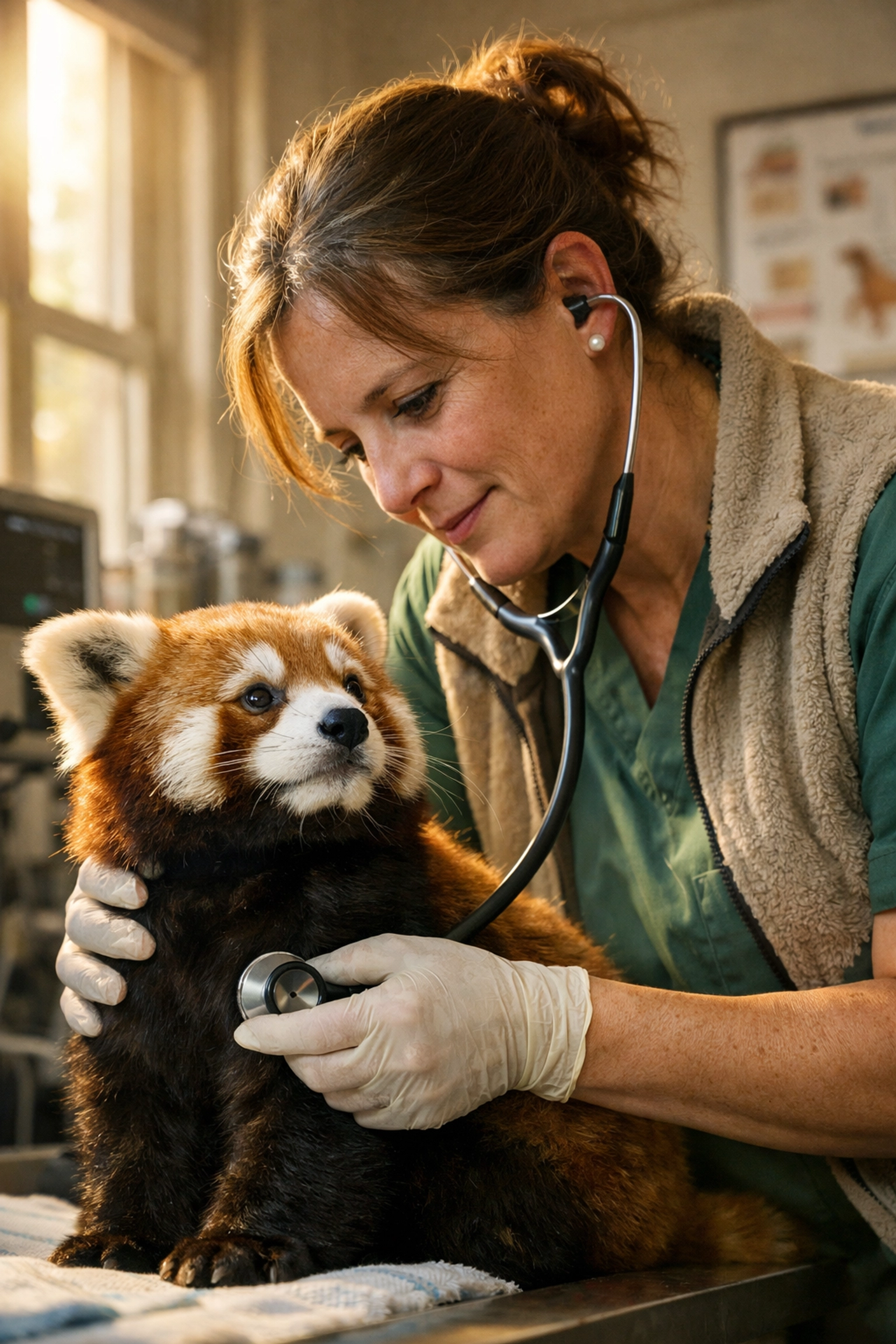
Your keepers, veterinarians, and conservation staff are part of the story. When audiences see the human-animal bond, they trust your institution's mission.
Post the keeper preparing enrichment. The vet doing a wellness check. The conservation team analyzing field data. These moments prove your commitment goes beyond displays.
Today's action: Film a 30-second clip of a staff member explaining one thing they did today for animal welfare. No script. Just honest care.
This also answers the essential question every modern zoo must address: Why do you exist? Your answer lives in the daily work your team does. Show it.

5. Tie Wildlife Stories to Current Environmental Events
Timeliness amplifies relevance. When conservation stories connect to current news, they feel urgent rather than abstract.
February 2026 brings specific opportunities:
- Ocean conservation linked to ongoing coral bleaching events
- Bird migration patterns shifting due to unusual weather
- Breeding season stories tied to habitat restoration progress
- Local wildlife sightings in your region
Today's action: Check today's environmental news. Find one story that connects to a species you house. Create content that bridges the two.
Example: If record temperatures are affecting your region, discuss how your cold-climate species are being monitored. Share thermal imaging. Explain your climate control systems. Make the global crisis locally tangible.
The Daily Content Rhythm That Works
Consistency beats perfection. Here's a simple weekly structure:
Monday: Individual animal spotlight
Tuesday: Behind-the-scenes staff story
Wednesday: Conservation education (villain focus)
Thursday: Visitor experience or testimonial
Friday: Timely environmental connection
You don't need massive campaigns. You need steady, authentic storytelling that accumulates trust over time.
Why Visual Assets Matter More Than Ever
Quality imagery elevates every story. A blurry phone photo of your red panda doesn't compete with the visual standards audiences expect in 2026.
Professional wildlife photography makes your conservation work look as important as it is. When your visual content matches your mission's significance, people pay attention.
Stock libraries exist specifically for this reason. Rather than scrambling for content, build a visual asset library you can pull from daily. Mix professional shots with authentic behind-the-scenes moments.
What Doesn't Work Anymore
Drop these approaches:
- Vague "save the planet" messaging without specific actions
- Posting the same species repeatedly without new angles
- Educational content that feels like a textbook
- Conservation stories without clear villains or solutions
- Ignoring current events and trends
Your audience wants to help. They don't know how. Your job is showing them the direct connection between their attention, their actions, and real conservation outcomes.
Measuring What Matters
Track engagement differently. Stop counting likes. Start tracking:
- Comments asking how to help
- Shares to personal networks
- Questions about specific conservation programs
- Visit bookings mentioning your content
These metrics indicate genuine interest. They predict support, donations, and long-term advocacy.
Start Tomorrow Morning
You don't need approval for better storytelling. You need commitment to trying something different.
Pick one tip from this list. Apply it to tomorrow's content. Watch how your audience responds when you get specific, personal, and timely with your conservation narratives.
The wildlife trends that matter most aren't on social media. They're in your facility right now. The individual animals with stories worth telling. The staff doing meaningful work. The conservation challenges that need attention today.
Tell those stories clearly. Tell them consistently. Watch what happens.
Ready to elevate your conservation storytelling with professional wildlife imagery? Visit Zoo Imagery to explore our library, or connect with us on LinkedIn for daily marketing insights for zoos and aquariums.


