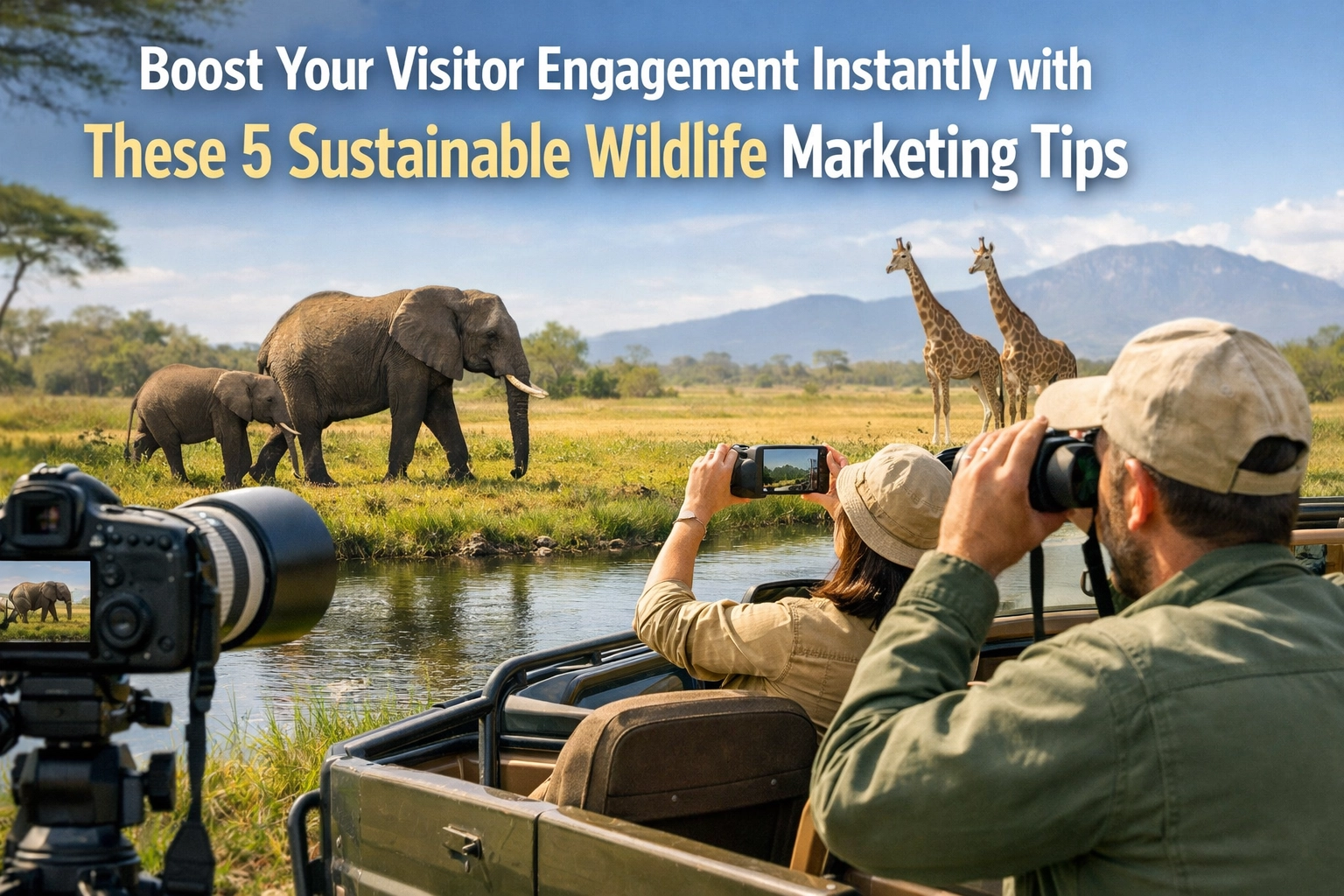
Boost Your Visitor Engagement Instantly with These 5 Sustainable Wildlife Marketing Tips
Visitor expectations are shifting.
In 2026, people want more than a ticket and a walk through the grounds. They want to know their presence matters. They look for proof of impact. They value transparency over polished marketing.
To grow your engagement, you must change the conversation. Move away from generic promotion. Focus on real action.
Here are five ways to align your marketing with modern conservation values and keep your visitors coming back.
1. Highlight Direct Conservation Impact
Stop using vague terms. "Helping animals" is too broad. "Saving the planet" is too big to feel real. Visitors want specifics. They want to see where their money goes.
Showcase the direct line between a visitor's ticket and a specific outcome in the wild.
The Power of Specificity
When you communicate results, use numbers. Clear data points build trust.
- Acres of habitat restored.
- Number of anti-poaching units funded.
- Total animals released back into the wild.
- Trees planted in the last quarter.
Messaging for Impact
Try this: "Your visit today funded 48 hours of rhino patrol in the Limpopo province."
It is direct. It is measurable. It gives the visitor a sense of ownership in the success of the mission.
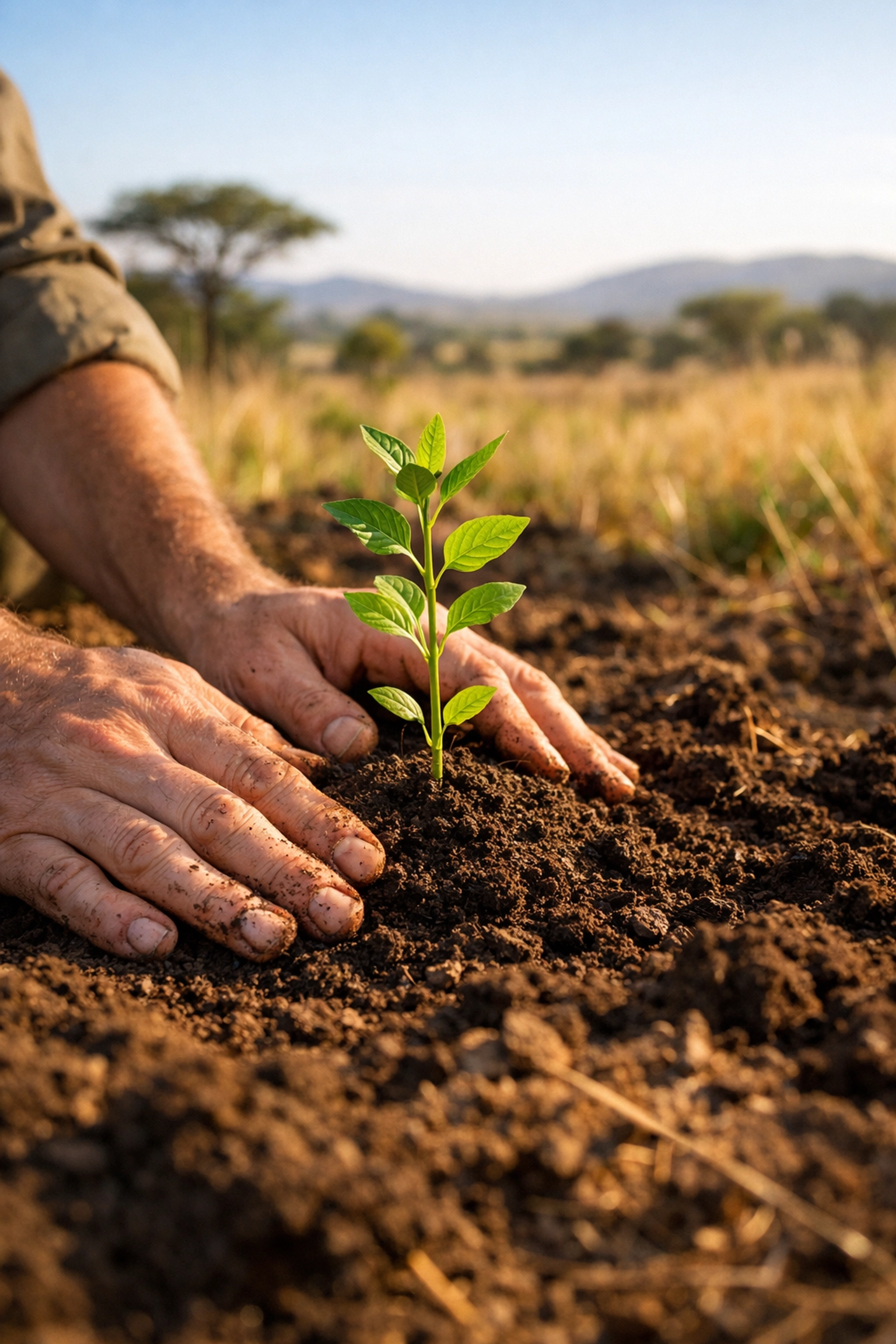
How to Present Data
Don't hide your impact report in a 50-page PDF. Put it on your home page. Use a simple counter.
- Total funded to date.
- Current active projects.
- Success stories per species.
This creates a narrative of progress. It makes the visitor feel like an active participant, not just a spectator.
2. Create Immersive Interactive Content
The digital experience should start before the visitor arrives and continue after they leave. Static photos are no longer enough. People want to feel the atmosphere of the park from their screens.
Virtual Guided Tours
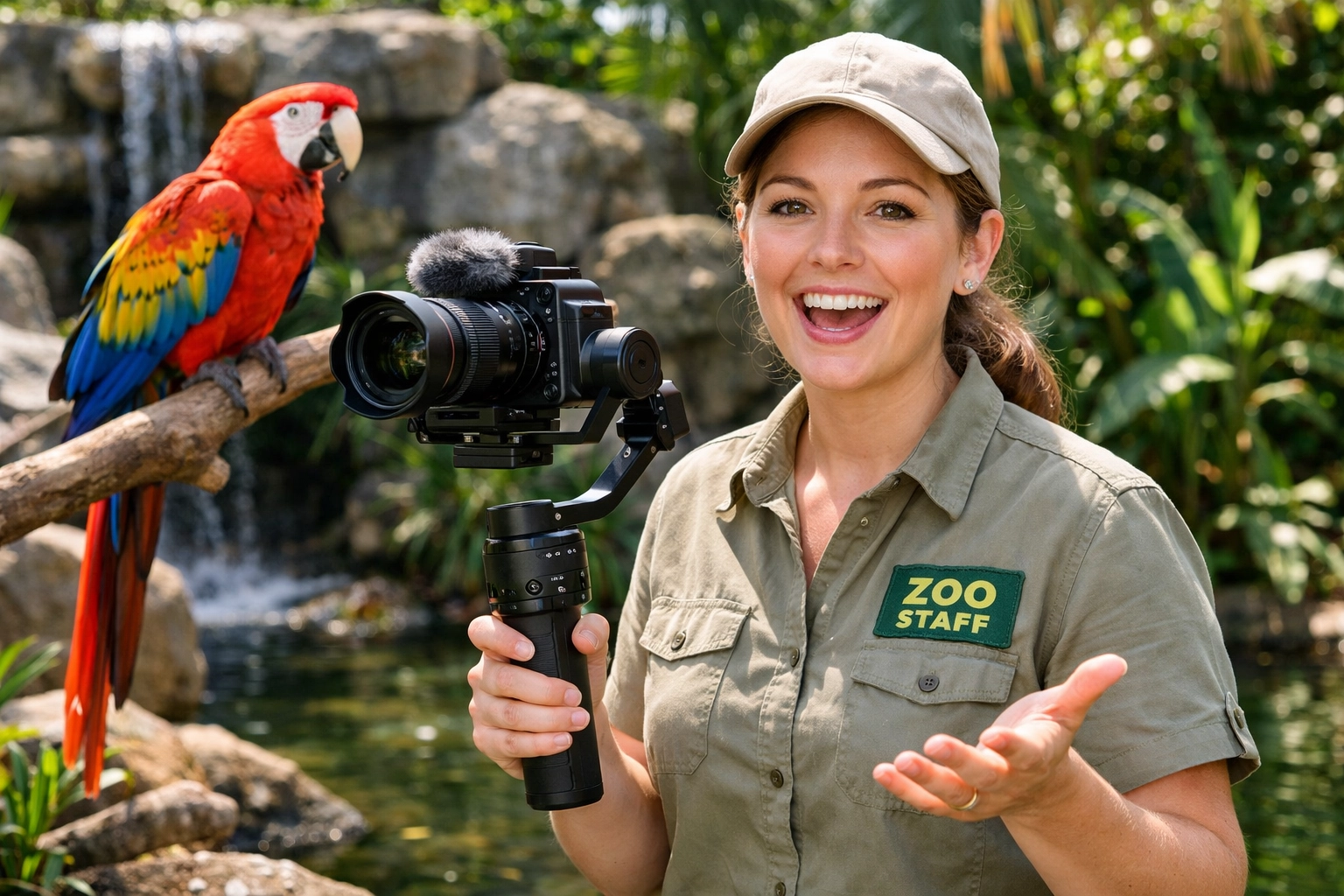
Live sessions are high-value. Have a guide walk through a specific area of the zoo or aquarium.
- Use a simple setup: a smartphone and a stabilizer.
- Host live Q&A sessions.
- Show "behind the scenes" moments, like morning feedings or health checks.
This removes the barrier between the public and the experts. It builds a relationship based on knowledge.
Interactive Maps and Infographics
Create digital tools that let users explore.
- Clickable maps: Tap a habitat to see current residents and their conservation status.
- Migration trackers: Show the real-world movement of species you support in the wild.
- Infographics: Simple visuals explaining the ecosystem role of a specific animal.
Interactive content keeps users on your site longer. It educates without feeling like a lecture. It turns your website into a resource, not just a brochure.
3. Share Authentic Emotional Testimonials
Traditional marketing uses professional models. Better marketing uses real people.
The most powerful stories come from your visitors and your staff. Authentic experiences carry more weight than any sales copy.
The Impact of the First Encounter
Collect stories about "the moment."
- A child seeing a sea turtle for the first time.
- A visitor learning about the complexity of an elephant’s social structure.
- A local resident seeing a native species return to a restored creek.
These stories should focus on the emotional shift. How did the experience change their perspective on wildlife?
Staff Stories
Your keepers and researchers are your best brand ambassadors.
- Why do they do this work?
- What was their biggest win this month?
- What animal has the most interesting personality?
When people see the passion of the staff, they feel more connected to the institution. It humanizes the organization. It builds a community of advocates.
4. Collaborate with Wildlife Photographers and Experts
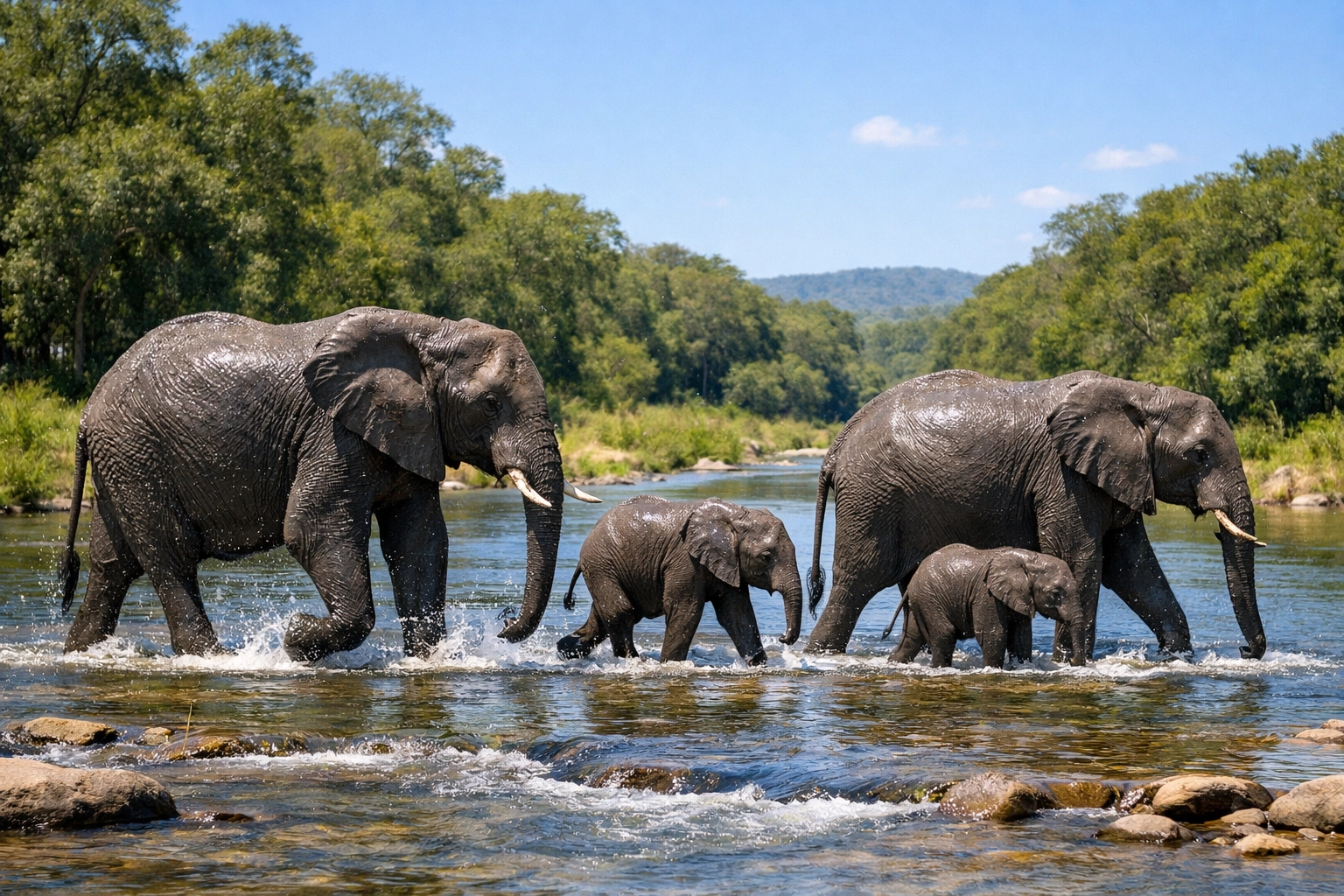
Quality matters. In a world of low-quality social media clips, high-resolution imagery stands out. It shows respect for the subject matter.
High-Quality Visuals
Partner with professional photographers who understand wildlife. This isn't just about "pretty pictures." It is about capturing the dignity of the animal.
- Avoid staged looks.
- Focus on natural behaviors.
- Use images that tell a story of the environment.
At Zoo Imagery, we focus on providing high-quality digital media that respects the animals. Professional imagery elevates your brand. It makes your marketing look like art.

Expert Credibility
Invite researchers to contribute to your blog or newsletter.
- Host webinars on specific conservation topics.
- Have local experts talk about regional wildlife trends.
- Use guest posts to explain complex environmental issues in simple terms.
Collaborations add a layer of authority. You aren't just a destination; you are a center of knowledge.
5. Use Targeted Advertising Focused on Values Alignment
Advertising is often seen as an interruption. It doesn't have to be. If your message aligns with the viewer's values, it becomes a recommendation.
Finding the Right Audience
Don't target everyone. Target the people who already care.
- Outdoor enthusiasts.
- Educators and parents focused on nature.
- People interested in eco-tourism and responsible travel.
Messaging that Resonates
Your ads should lead with the "Why" before the "What."
- Bad: "Buy tickets to see the tigers."
- Good: "Support tiger habitat restoration with every visit."
The second option targets a value. It invites the person to be part of a solution. This approach attracts visitors who are more likely to become long-term members and donors.
Visual Consistency
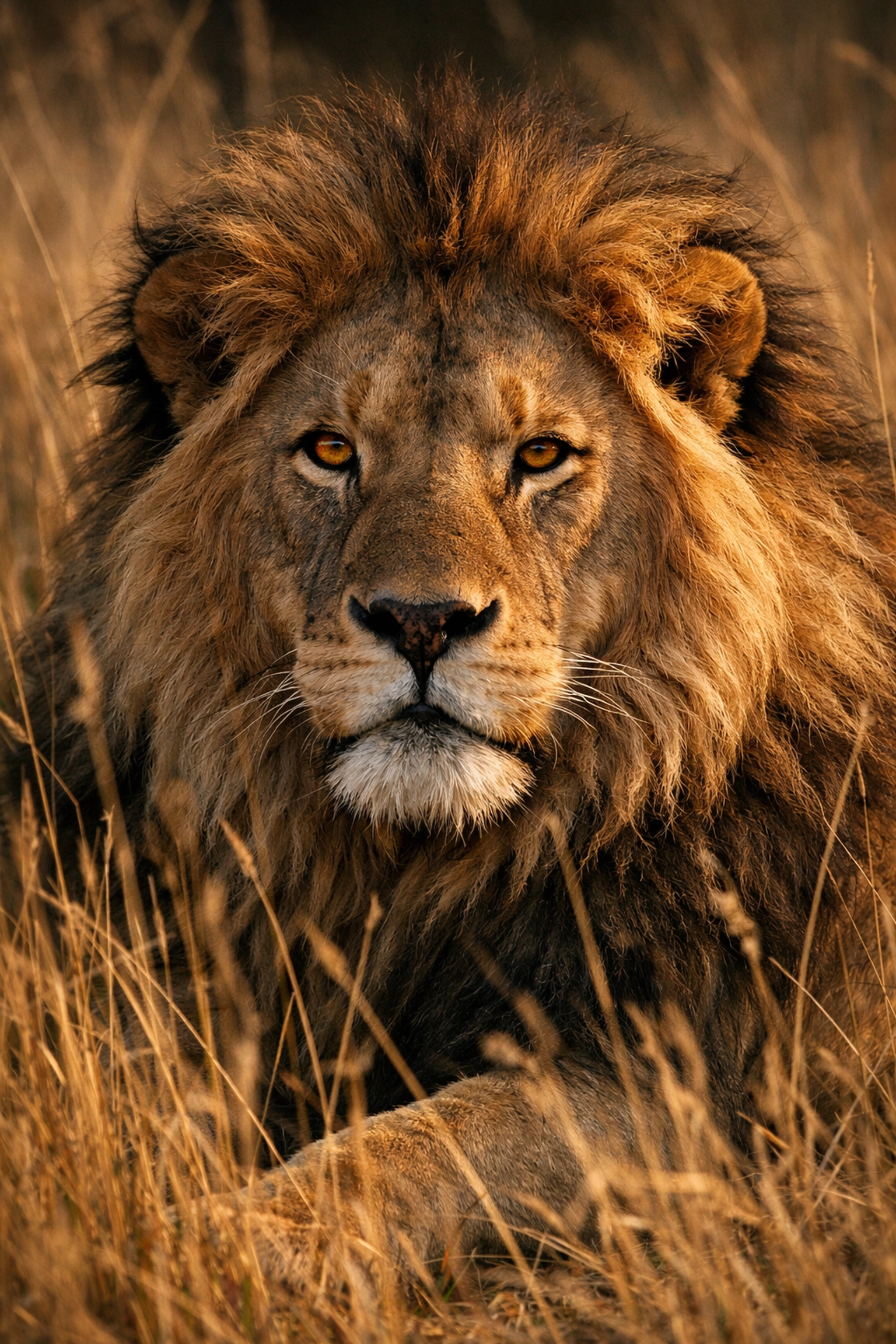
The image in your ad should match the quality of the experience. Use stunning, clean visuals. Avoid clutter. Let the animal be the focus. A simple, powerful image of a bird in flight or a leopard in the brush is more effective than an ad filled with text and bright "buy now" buttons.
The Path Forward
Engagement is not a trick. It is the result of honesty and quality.
People want to support organizations that do good work and talk about it clearly. They want to see the impact of their time and money. By focusing on real conservation results, interactive education, authentic stories, professional quality, and value-based messaging, you build a loyal community.
Marketing for zoos and aquariums is unique. You aren't just selling an experience; you are advocating for the natural world. Keep it simple. Keep it real.
Take the Next Step
Want to elevate your visual storytelling?
Check out our library of professional stock photography at zooimagery.com.
We help you tell the story of wildlife with clarity and respect.
For more insights on wildlife marketing and digital media trends, follow us on LinkedIn.
About Zoo Imagery
We provide high-quality stock photography and digital media solutions tailored for zoos, aquariums, and conservation organizations. Our mission is to bridge the gap between stunning imagery and meaningful conservation impact.


