
Are Generic Zoo Animal Photos Hurting Your Marketing? Here’s What Top Wildlife Brands Do Instead
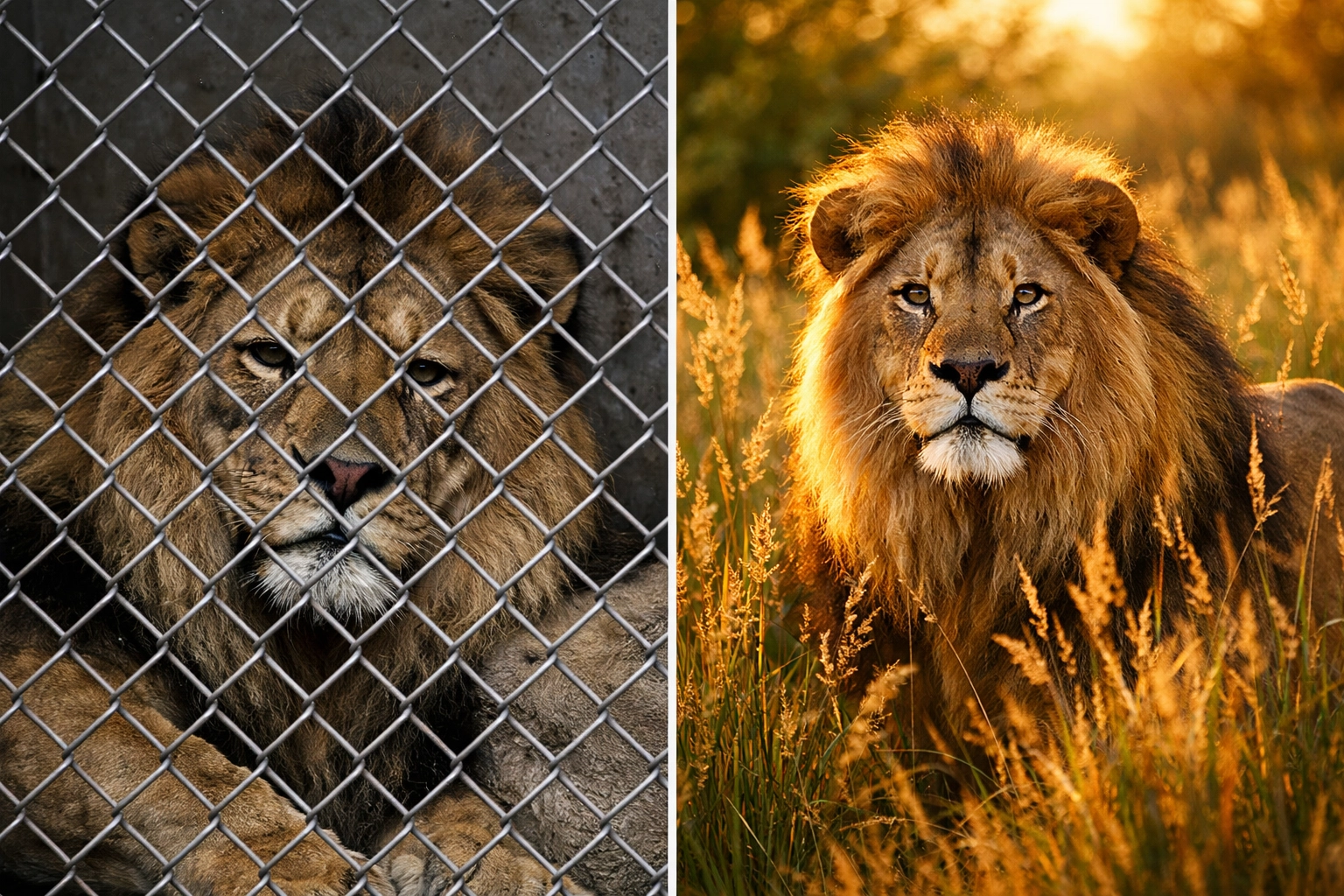
You've seen them. Stock photos of zoo animals staring blankly at the camera. Lions behind chain-link fences. Elephants in concrete enclosures.
These images fill marketing materials across the wildlife industry. But here's the problem: they might be doing more harm than good.
The Real Issue With Generic Zoo Photos
It's not actually about the animals themselves.
Research shows that image characteristics matter more than the subject. A well-presented photo of a reptile can outperform a poorly framed mammal shot. The difference is in how you present it.
Generic zoo photos fail because they:
- Show unnatural settings
- Include human-animal interactions that send wrong messages
- Lack context or conservation storytelling
- Feel repetitive and uninspiring
The bigger concern? Close-encounter imagery. Photos showing humans holding or touching animals can backfire spectacularly. Studies found that when people see humans in close contact with wildlife, they're more likely to view those animals as suitable pets. Out of context, these images promote misinformation about animal welfare and encourage harmful behaviors.
What Top Wildlife Brands Understand
Leading conservation organizations and wildlife brands have figured something out: presentation trumps everything.
They focus on three core elements:
Naturalistic environments. Images with natural settings reduce the desire to keep wild animals as pets. They also increase positive attitudes toward species conservation. A tiger photographed in foliage-rich surroundings tells a different story than one behind bars.
Strategic framing and editing. How you crop, light, and compose matters as much as what you photograph. A thoughtful edit transforms ordinary into compelling.
Conservation context. The best wildlife marketing weaves education into every image. Captions matter. Messaging matters. Context changes everything.
The Hidden Cost of Cookie-Cutter Content
Generic photos create a bigger problem than boring content. They undermine your conservation mission.
When audiences see the same repetitive zoo imagery, they tune out. Worse, they may develop incorrect assumptions about animal welfare, captivity standards, and conservation work.
Your marketing should inspire action. Generic content inspires scrolling past.
The wildlife organizations seeing real engagement have shifted away from standard stock photos. They're investing in authentic, purposeful imagery that tells specific stories.
What Works: Real Examples from Wildlife Marketing
The most effective wildlife brands focus on diversity and storytelling.
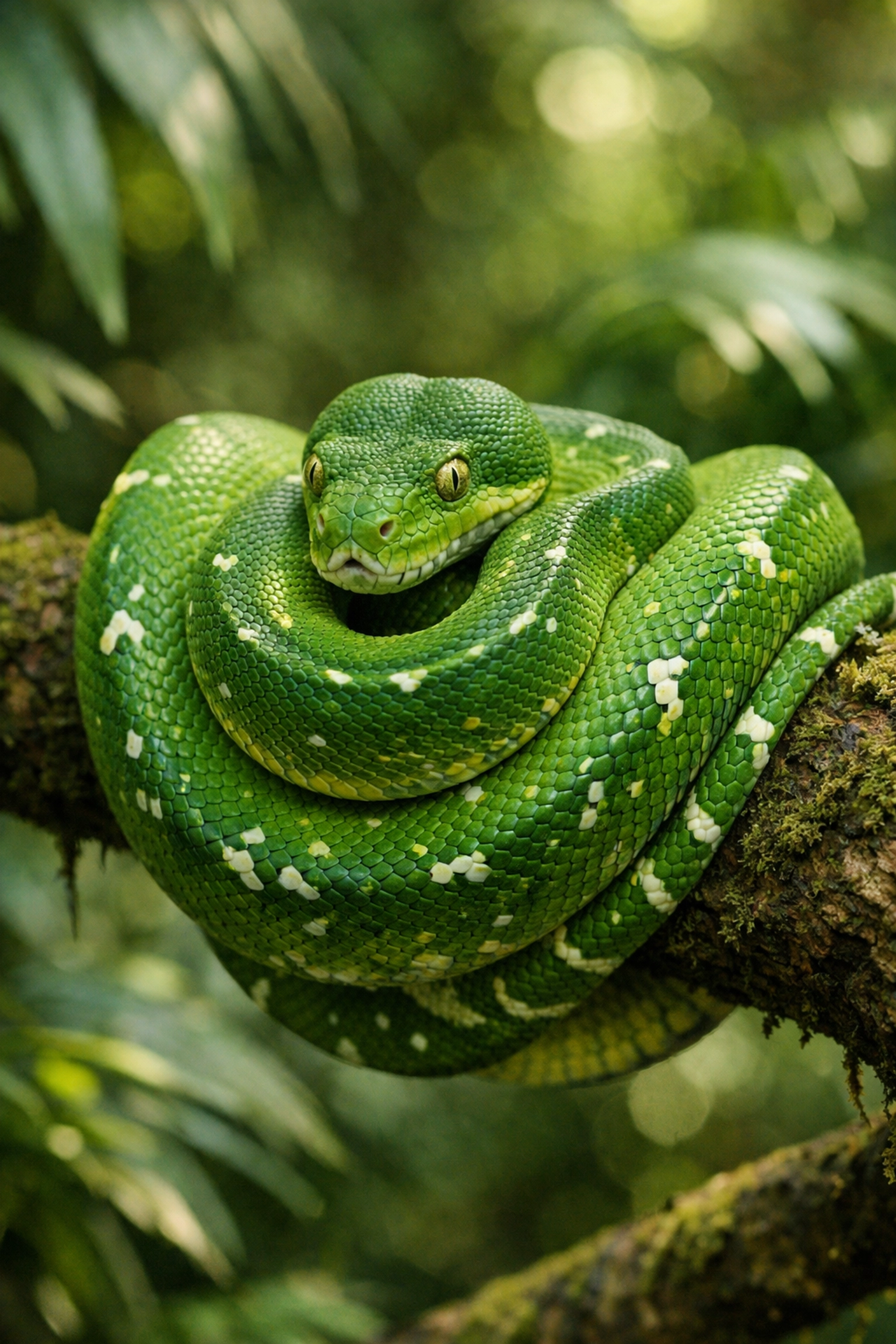
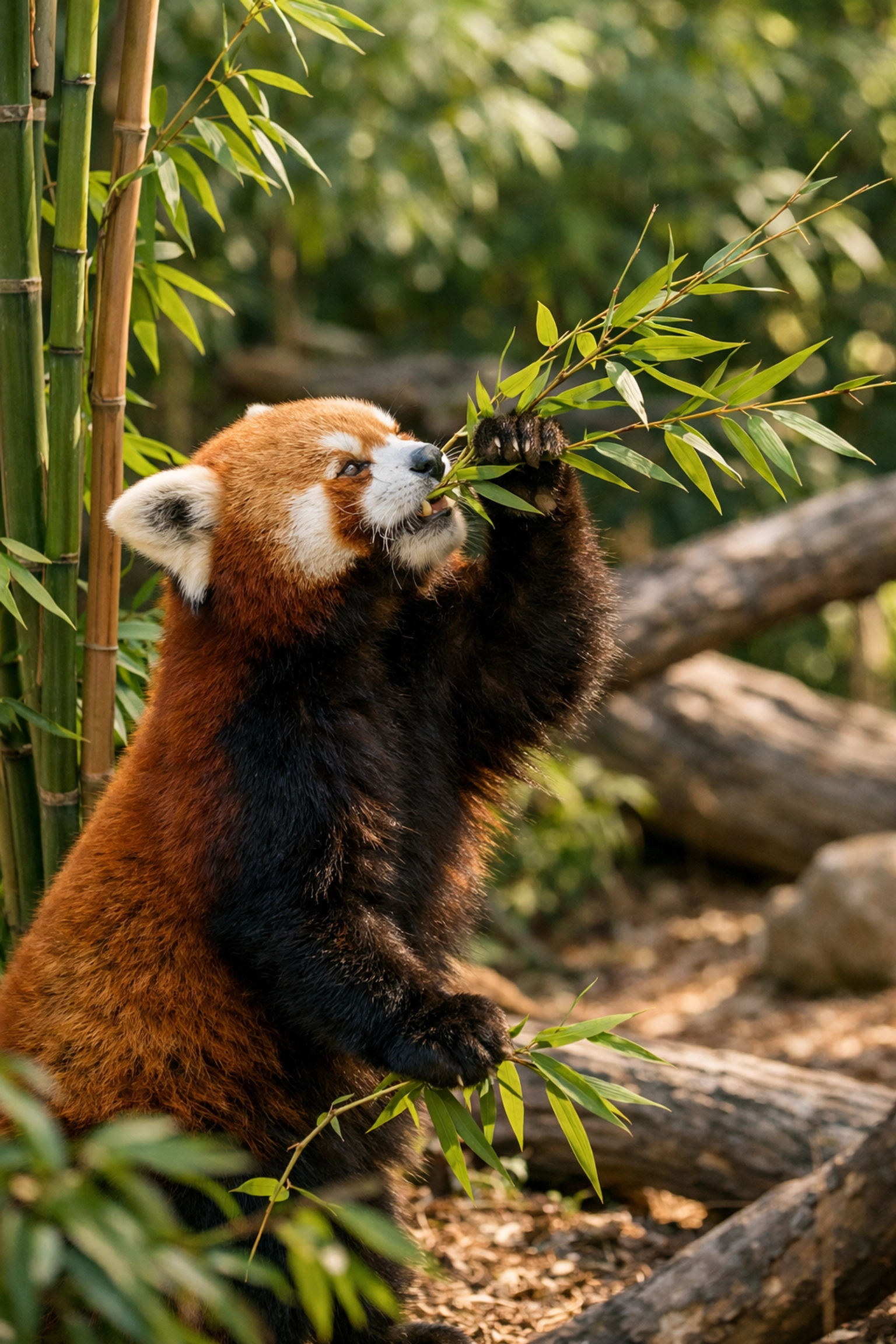
Diverse species representation. Mammals dominate social media engagement, but that doesn't mean other species can't perform well. When presented effectively, images of reptiles, birds, and amphibians generate strong engagement. The key is presentation quality.
Research encourages wildlife organizations to promote a wider range of taxa. This serves conservation goals better than defaulting to crowd-pleasing pandas and tigers every time.
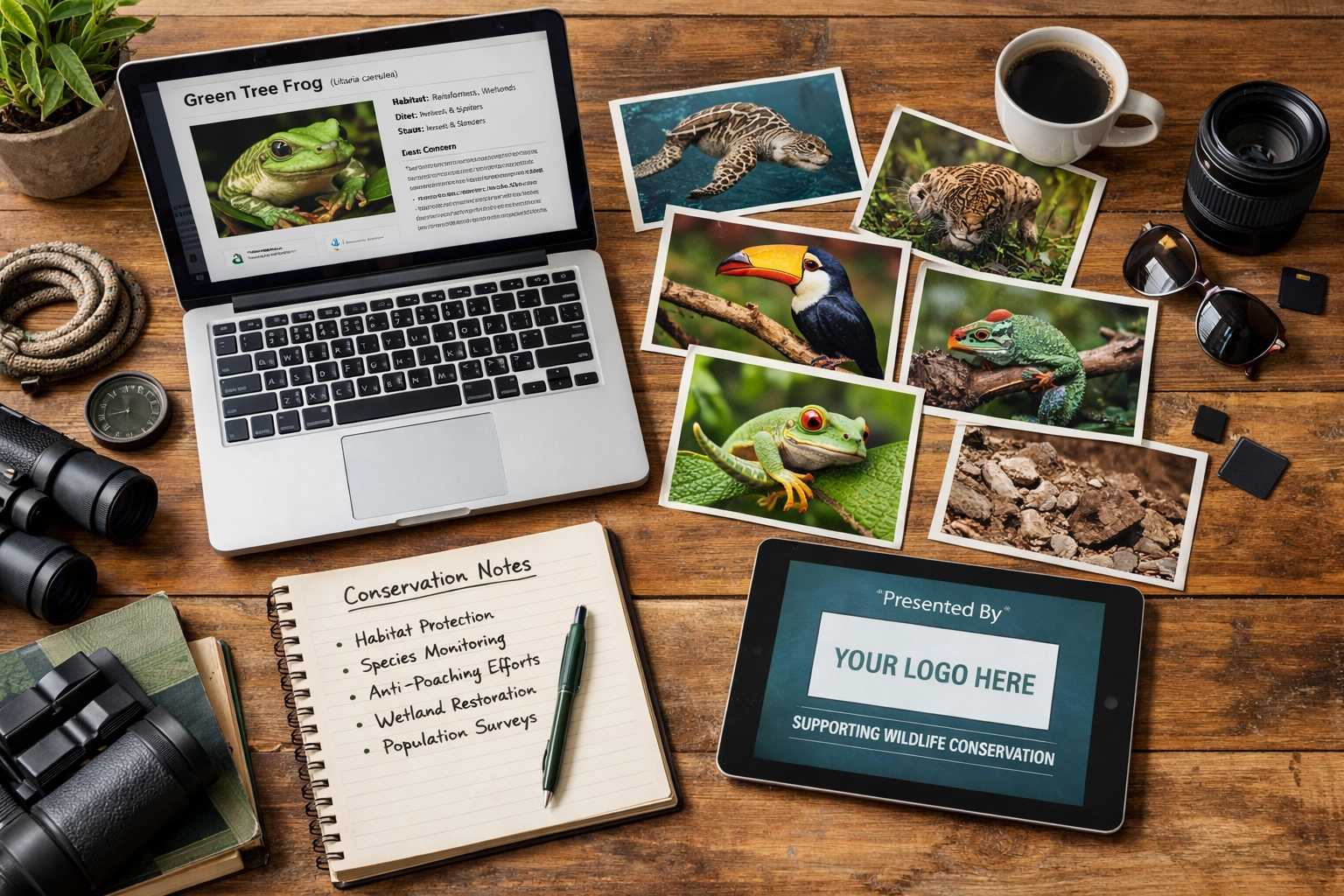
"Presented by" sponsorship pages. Top wildlife brands are moving toward sponsored species content. These dedicated pages combine professional photography with educational messaging and sponsor recognition. They create value for all parties: the organization, the sponsor, and the audience.
Instead of generic lion photos, you get a comprehensive species spotlight that educates while acknowledging conservation partners. It's marketing that serves a mission.
Conservation storytelling. The best performing content includes informative captions that affect viewer attitudes toward conservation. A photo becomes exponentially more powerful when paired with specific conservation messaging.
Instead of "Look at this cute otter," successful brands write: "Sea otters maintain kelp forest ecosystems by controlling sea urchin populations. Their recovery from near-extinction represents one of conservation's success stories."
Same photo. Different impact.
Four Changes You Can Make Today
You don't need a complete overhaul. Start with these adjustments:
1. Audit your current imagery. Look through your marketing materials. Count how many photos show natural vs. artificial backgrounds. How many include problematic human-animal contact? How many lack context?
2. Add conservation messaging. Even if you're stuck with existing photos, improve them with educational captions. Explain the species' role in its ecosystem. Share conservation challenges. Give audiences something meaningful.
3. Prioritize naturalistic settings. When selecting or commissioning new photography, choose images with natural elements. Foliage, natural light, environmental context: these details matter.
4. Diversify your species representation. Break the mammal habit. Feature reptiles, amphibians, birds, and invertebrates with the same care and quality you give to charismatic megafauna.
The Sponsored Species Solution
More wildlife organizations are turning to sponsored species content as their primary marketing approach.
The model works like this: conservation partners sponsor specific animal pages on your website. You create professional, comprehensive content featuring high-quality photography, conservation information, and sponsor recognition.
Benefits include:
- Purpose-built content instead of generic stock photos
- Conservation messaging baked into every page
- Sustainable funding model
- Authentic partnership visibility
- Educational value for audiences
This approach solves multiple problems simultaneously. It generates better content, creates revenue opportunities, and serves conservation missions more effectively than traditional marketing.
Moving Beyond Generic
The wildlife industry is changing how it approaches visual marketing.
Generic zoo photos aren't automatically bad: but they need context, quality presentation, and conservation messaging to work effectively. The most successful wildlife brands understand that every image is an opportunity to educate, inspire, and drive conservation action.
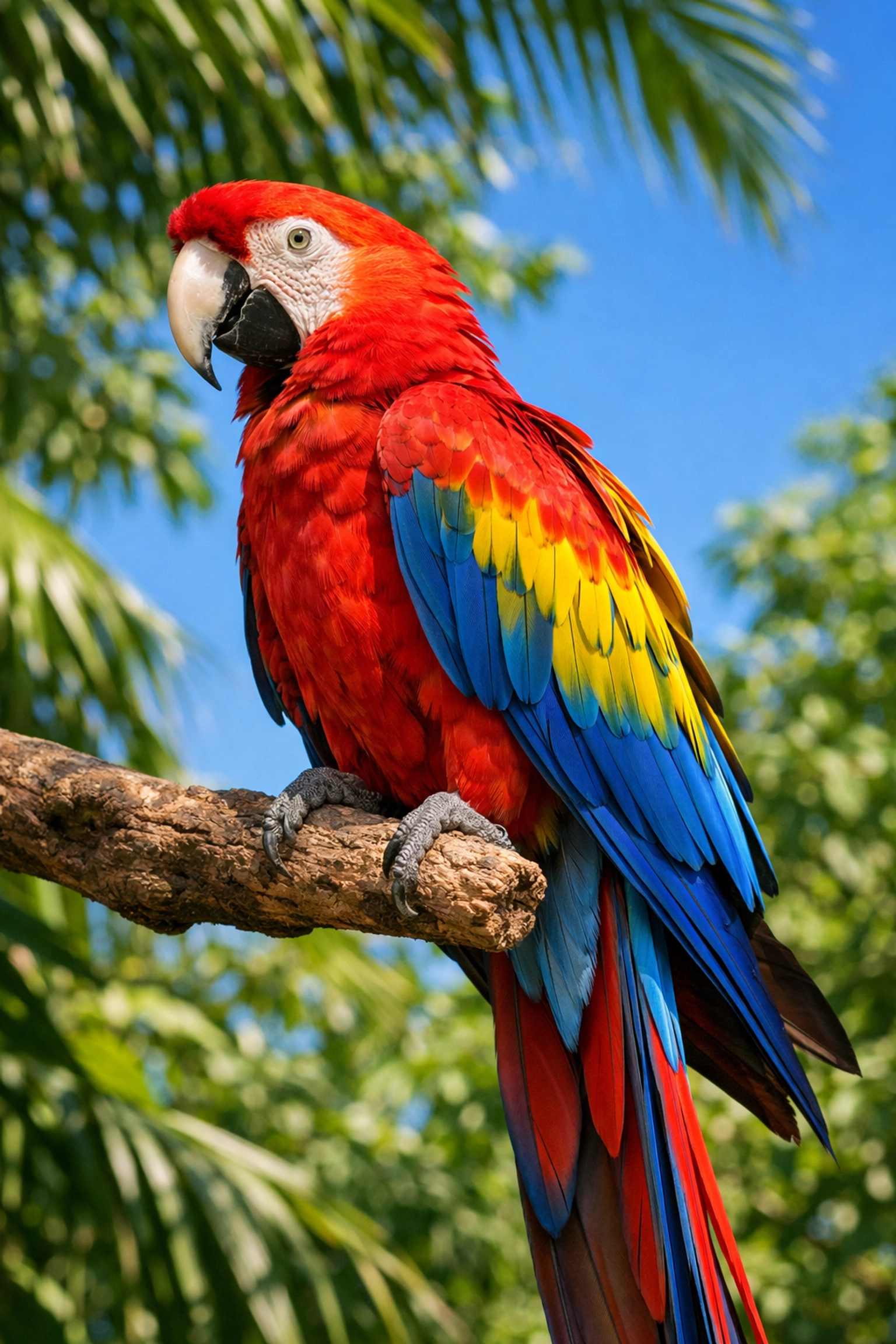
Your marketing should reflect the importance of your mission. Generic content doesn't cut it anymore. Audiences expect: and deserve: better.
The path forward is clear: invest in purposeful photography, diversify your species representation, add meaningful context, and consider sponsored content models that serve multiple goals simultaneously.
Your next marketing campaign doesn't need another generic lion photo. It needs authentic imagery that tells a conservation story worth sharing.
Ready to upgrade your wildlife marketing? Explore professional animal photography and sponsored species content at Zoo Imagery, or connect with us on LinkedIn to learn how leading wildlife organizations are transforming their visual storytelling.


