
7 Species Conservation Stories You Need to Know This Week – From Polar Bears to Aquarium Fish
Conservation news moves fast. This week brought unexpected wins and sobering reminders about the species we're fighting to protect.
Here's what happened.
1. Polar Bears Thriving Despite Sea Ice Loss in Svalbard
Norway's Svalbard archipelago is losing sea ice faster than anywhere else in the Arctic. But the polar bear population there is doing something scientists didn't expect: they're adapting.
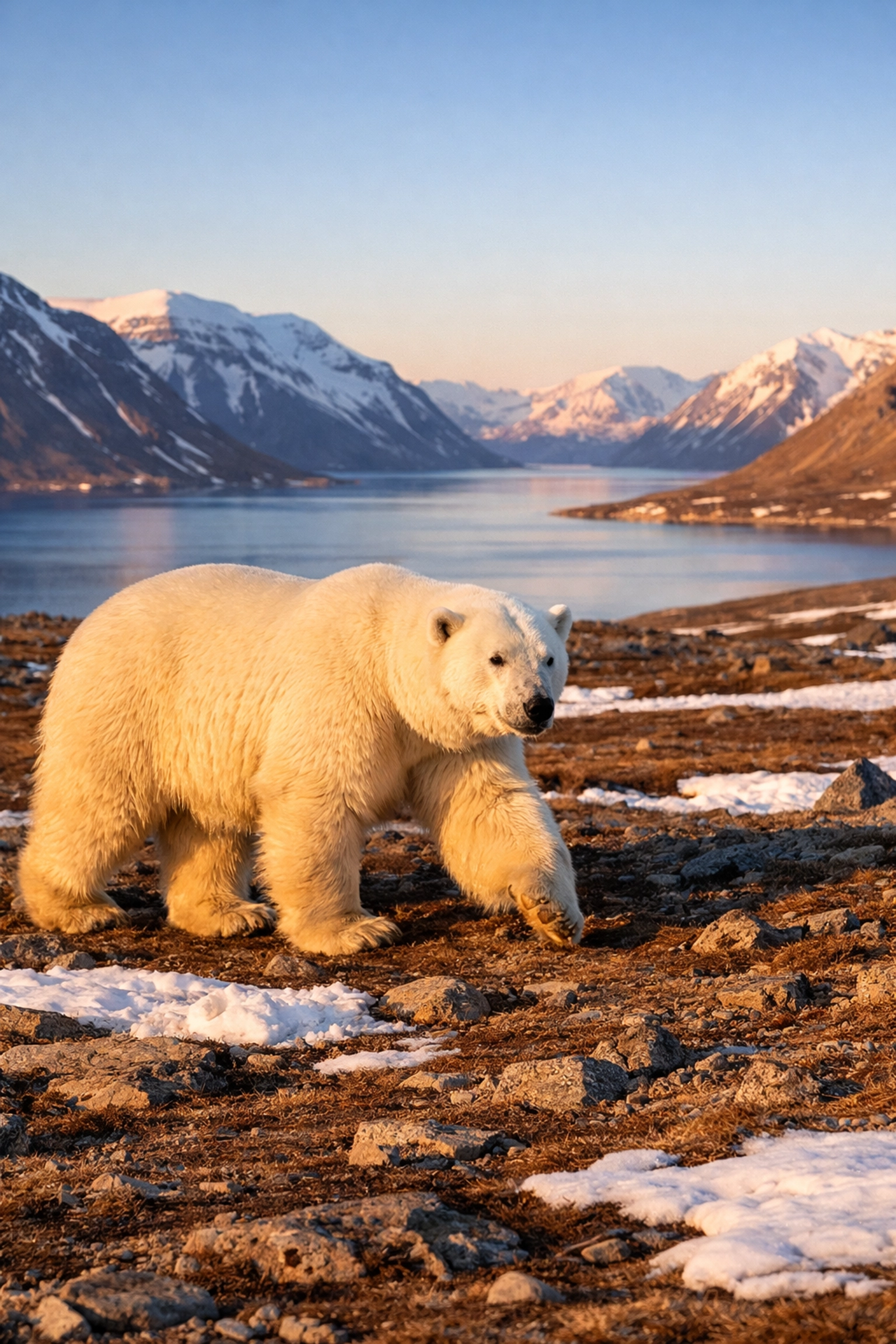
Research published in Scientific Reports tracked bears from 2000 to 2019. Body condition improved. Population numbers stayed stable or grew.
The hypothesis: bears shifted their diet. They're eating more reindeer and walrus: both species have recovered from historical overhunting.
Does this mean polar bears are saved? No. Climate change remains their biggest threat. Other populations in Western Hudson Bay and the Beaufort Sea continue declining. Some have lost half their numbers since the 1980s.
But Svalbard shows adaptation is possible. At least for now.
2. Aquarium Trade Drives New Protections for Banggai Cardinalfish
Indonesia announced expanded marine protected areas specifically targeting Banggai cardinalfish habitat. This tiny species became a victim of its own beauty: high demand for aquariums decimated wild populations.
The new zones cover 12,000 hectares of critical breeding grounds.
Commercial collection dropped 60% in monitored areas. Captive breeding programs now supply most of the aquarium trade. Wild populations are slowly recovering.
It's a model for how the ornamental fish industry can shift toward sustainability.
3. Ethiopian Wolf Population Hits 20-Year High
Africa's rarest canid just got a little less rare.
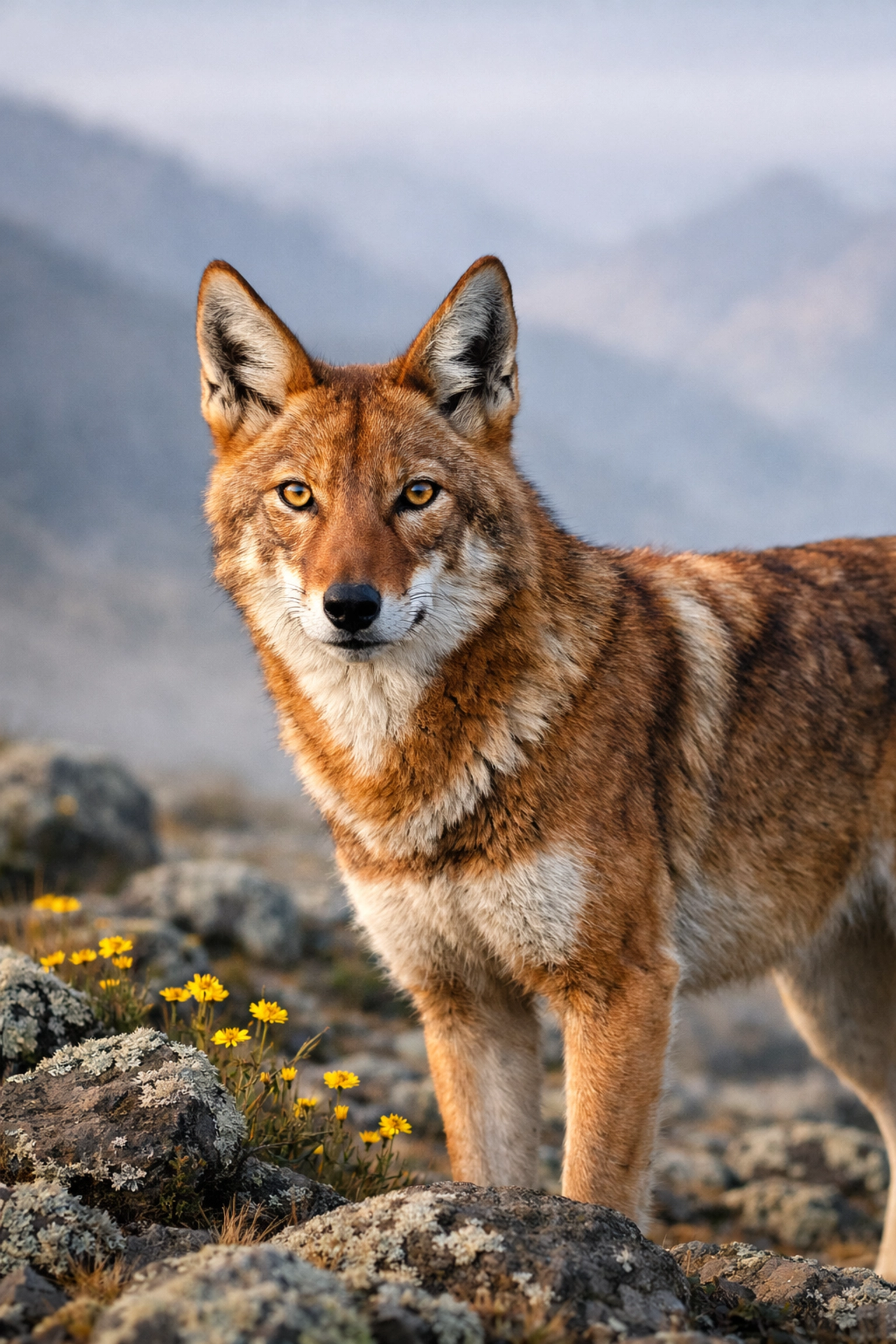
Census data from the Ethiopian Wolf Conservation Programme counted 554 individuals across the highlands. That's up from 442 in 2003.
What worked:
- Vaccination programs protecting wolves from domestic dog diseases
- Community-led livestock management reducing conflict
- Habitat corridors connecting isolated populations
Ethiopian wolves still qualify as endangered. But this marks the first sustained population increase in decades.
4. Reef Manta Rays Removed from Endangered List in Indonesia
Indonesia's manta ray protection efforts paid off. The International Union for Conservation of Nature downlisted reef manta rays from endangered to vulnerable in Indonesian waters.
The country banned manta fishing in 2014. Created manta sanctuaries covering 6 million square kilometers. Tourism revenue from manta diving now exceeds what fishing ever generated.
Population surveys show consistent annual increases of 5-8% in protected zones.
Tourism proved worth more than extraction. That economics lesson is spreading to other countries.
5. Javan Slow Loris Rescue Numbers Drop: In a Good Way
Rescue centers in Java reported a 40% decrease in confiscated slow lorises this year.
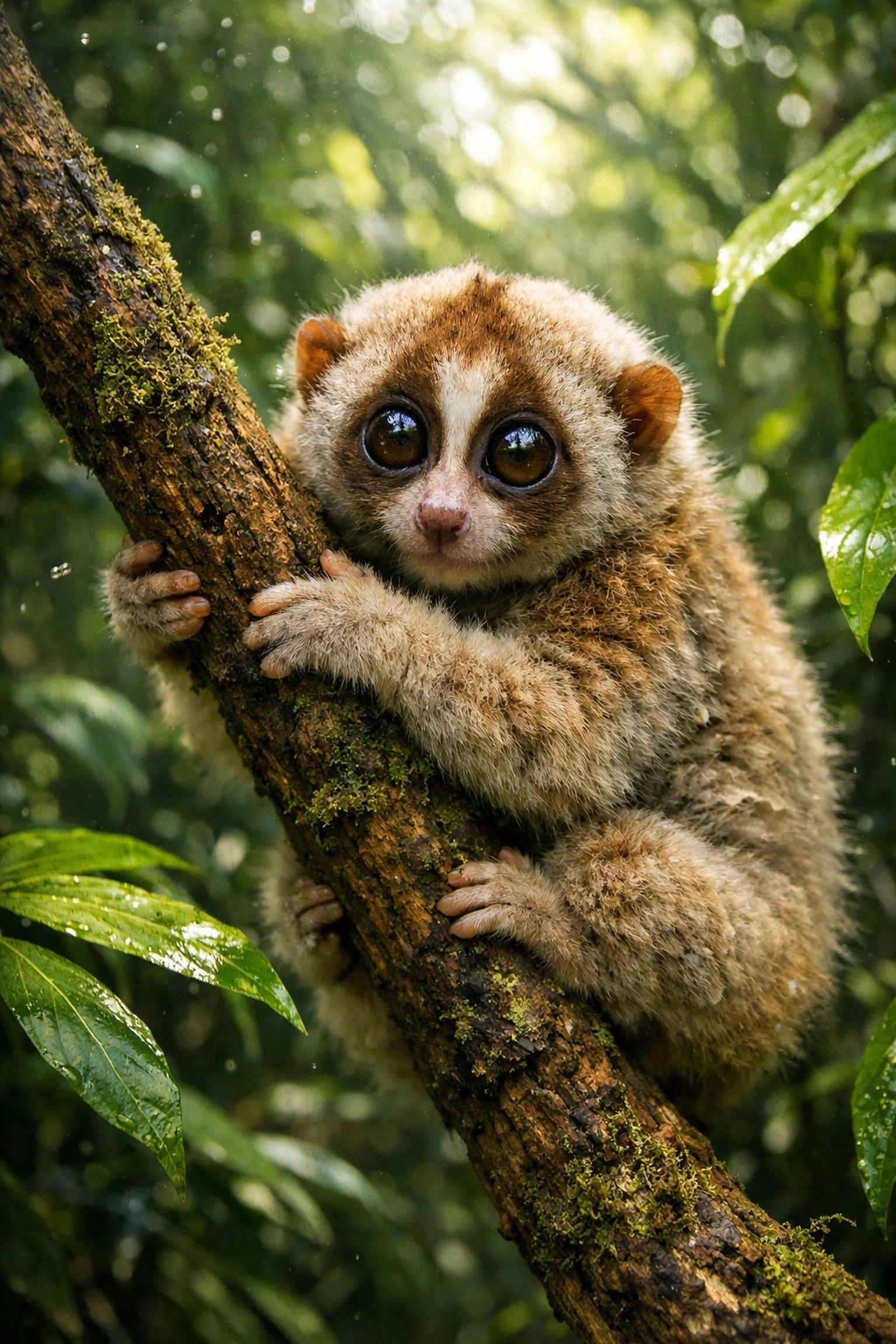
That sounds bad. It's actually progress.
Fewer rescues mean fewer animals being pulled from the illegal pet trade. Social media campaigns targeting the "cute pet video" market reduced demand. Platforms started removing slow loris content that promoted ownership.
Wild population monitoring shows numbers stabilizing in protected forests. The trade hasn't stopped, but the trend reversed.
6. North Atlantic Right Whale Births Hit Three-Year High
Aerial surveys counted 18 North Atlantic right whale calves this season. The highest count since 2021.
The species teeters at roughly 350 individuals. Every birth matters. Ship strikes and fishing gear entanglements kill more whales than are born most years.
New shipping lane adjustments along the US East Coast take effect this spring. Ropeless fishing gear trials expanded to 50 boats.
Scientists remain cautiously optimistic. Three good breeding seasons don't erase decades of decline. But momentum is shifting.
7. Panamanian Golden Frog Reintroduction Begins After 15 Years
No one has seen a Panamanian golden frog in the wild since 2009. The species was declared extinct in its natural habitat, wiped out by chytrid fungus.
But they survived in zoos.
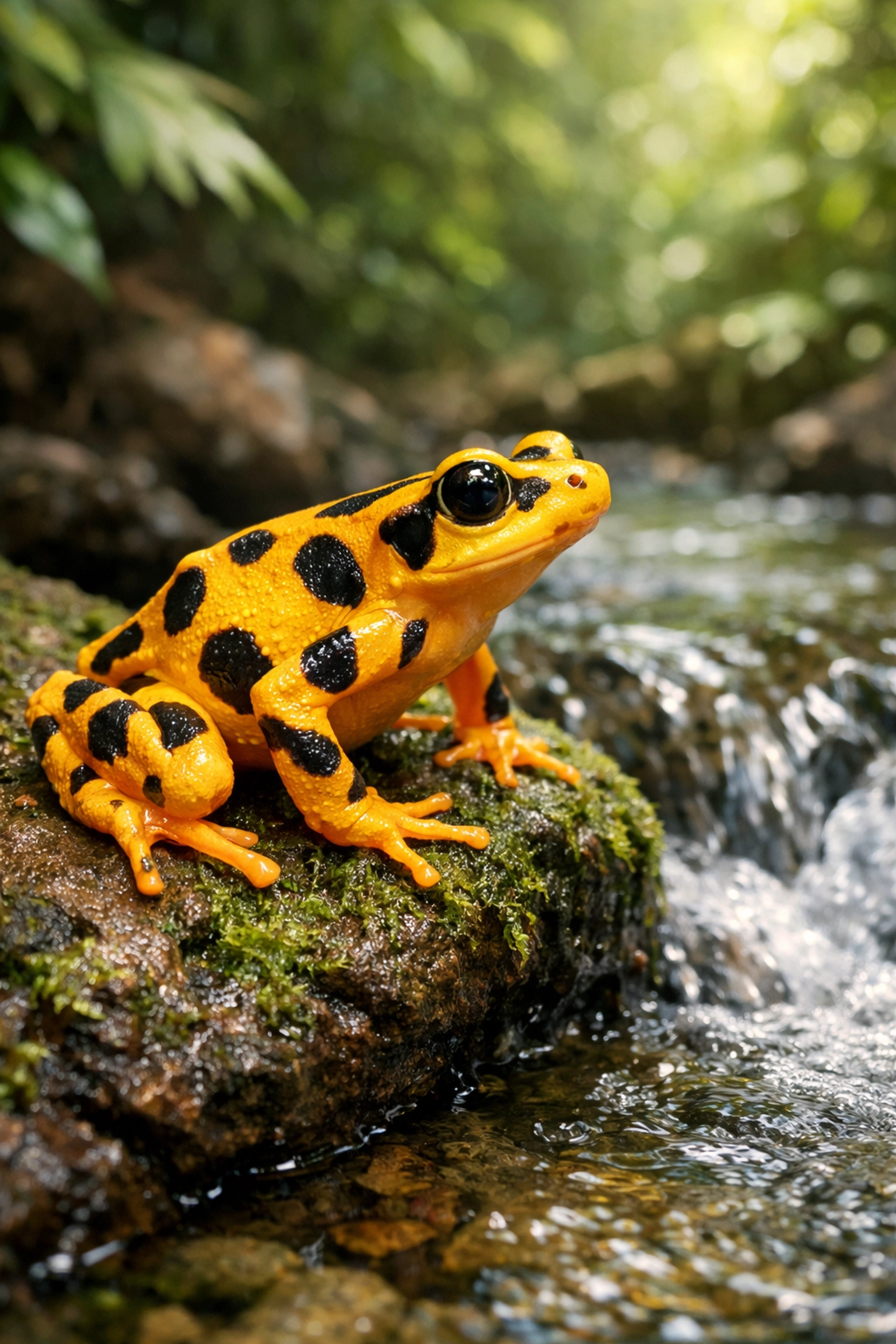
This month, 250 captive-bred frogs returned to a protected stream in central Panama. The site underwent years of fungus mitigation. Water quality management. Predator control.
Biologists will monitor the population daily for the first year. Electronic tags track individual frogs. The hope: establishing a disease-resistant wild population.
If successful, it becomes a blueprint for other extinct-in-the-wild amphibians.
Why These Stories Matter
Conservation isn't linear. Progress happens slowly, sometimes invisibly. Then numbers shift. Populations stabilize. Species come back from the edge.
These seven stories represent thousands of hours of fieldwork. Policy changes. Community partnerships. Research. Funding. Patience.
At Zoo Imagery, we document these moments. The species worth saving. The people saving them. The habitats holding on.
Visual storytelling drives conservation awareness. Images create connection. Connection drives action.
Want to share these stories? Visit zooimagery.com for conservation-focused imagery and resources. Follow our LinkedIn for weekly species updates and conservation news.


