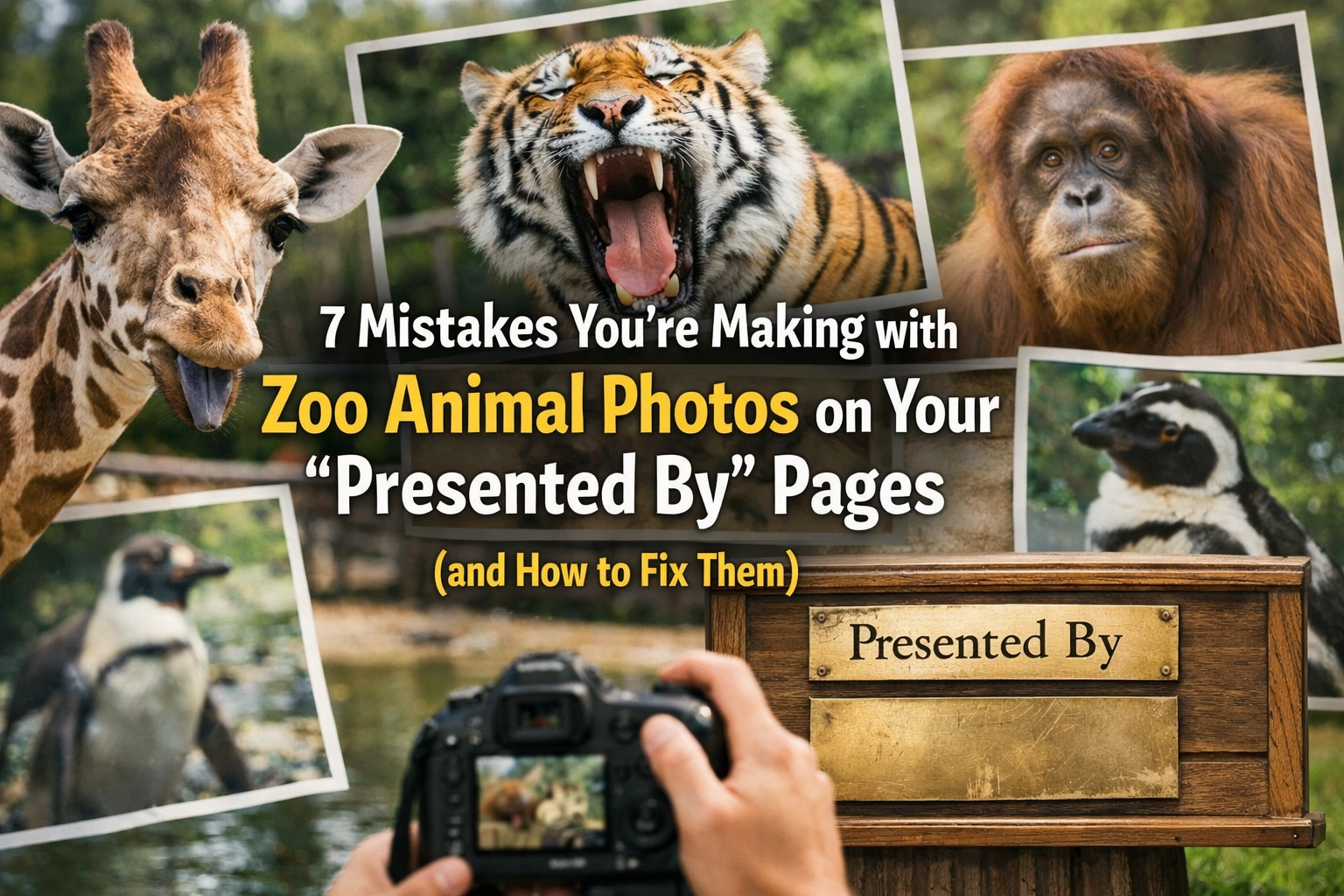
7 Mistakes You’re Making with Zoo Animal Photos on Your “Presented By” Pages (and How to Fix Them)
A "Presented By" page is a handshake between your zoo and your sponsors. It’s where corporate partners and individual donors see their names linked to the animals they love.
But often, the photography fails the partnership.
A blurry photo or a distant subject doesn't just look bad. It weakens the perceived value of the sponsorship. If a company is sponsoring your Elephants, they want an image that commands respect.
Here are seven common mistakes you’re likely making with your animal photography and how to fix them.
1. Shooting from Too Far Away
Distance creates a lack of impact. When an animal is a small speck in the frame, the viewer feels no connection.
The Problem
- The animal is lost in the environment.
- Details like fur texture, eye color, and expression are invisible.
- The sponsor’s logo looks larger than the animal being sponsored.
The Fix
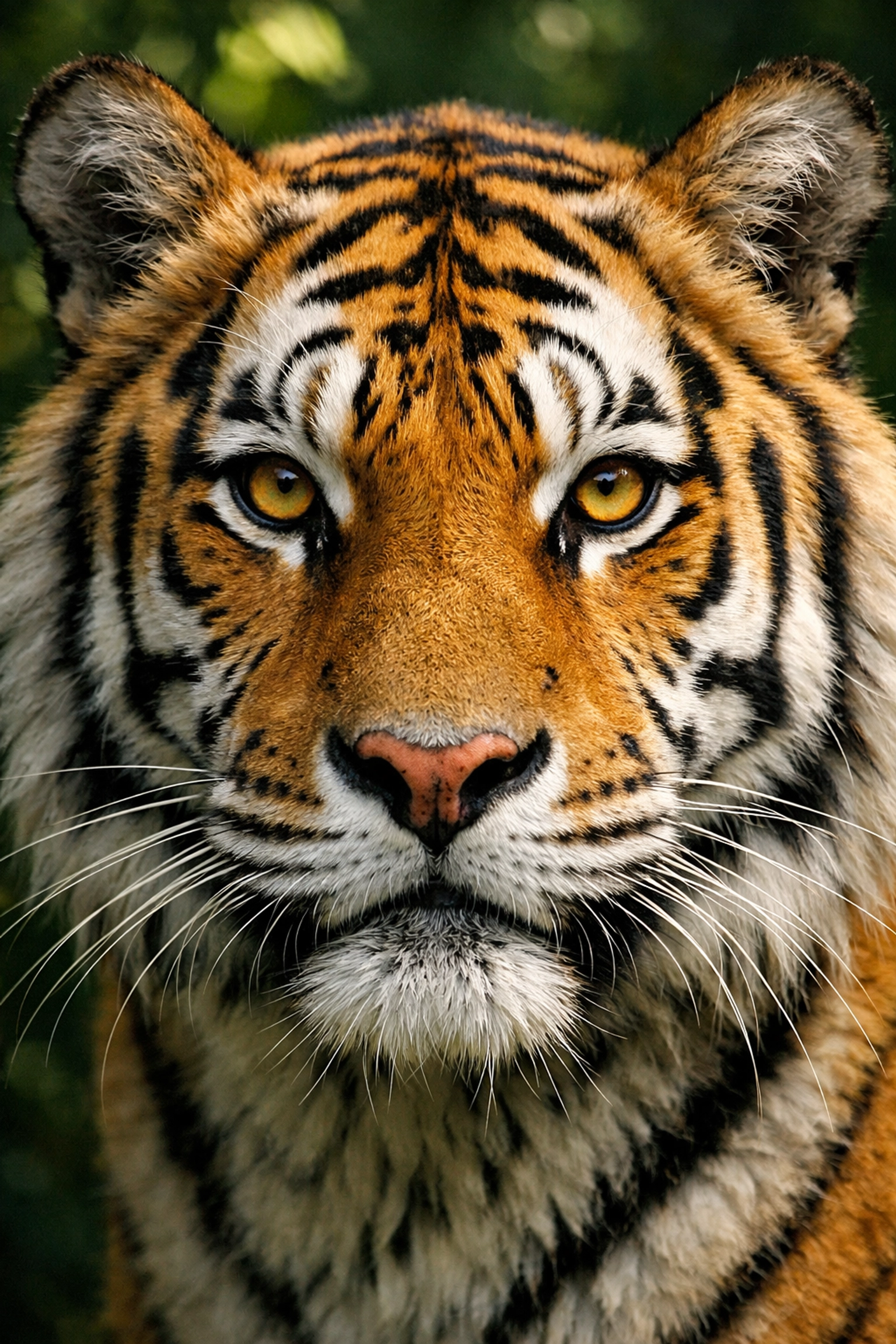
- Move closer.
- Use a longer lens (300mm or more).
- Frame the animal prominently.
- Crop strategically in post-production if you can't get closer physically.
At Zoo Imagery, we prioritize tight framing. It makes the species spotlight feel personal and high-end.
2. The "Looming Human" Perspective
Most people take photos from their own standing height. For a Polar Bear, this might work. For a smaller animal, you are looking down on it.
The Problem
- Shooting from above creates a "cold" feeling.
- It emphasizes the enclosure floor rather than the animal.
- It removes the sense of the animal’s personality.
The Fix
- Get on the animal’s eye level.
- Squat, sit, or lie down if necessary.
- Seeing an animal "eye-to-eye" pulls the viewer into the scene.
- It creates a more intimate, professional look for "Presented By" pages.
3. Ignoring Foreground Distractions
You might be focused on the lion, but the viewer is looking at the out-of-focus fence or the blurry twig in the corner.
The Problem
- Twigs, foliage, or enclosure elements distract from the subject.
- It makes the photo look "accidental" rather than professional.
- It breaks the immersion of the conservation story.
The Fix
- Scout your shooting position carefully.
- Move slightly left or right to hide fence lines or poles.
- Use a wide aperture (like f/2.8 or f/4) to blur the foreground into a soft wash of color.
- If a distraction is minor, use professional editing tools to remove it.

4. Using the Wrong Shutter Speed
Animals move. Even when they seem still, they twitch, breathe, and blink.
The Problem
- Blurry ears, paws, or tails.
- Soft focus on the eyes.
- Loss of sharpness in species with fast movements, like Birds.
The Fix
- For stationary animals, use at least 1/125 sec.
- For active animals, aim for 1/1000 sec or faster.
- For very fast subjects (like hummingbirds), you may need 1/3200 sec.
- Don’t be afraid to raise your ISO to maintain these speeds. A little grain is better than a lot of blur.
5. Not Leaving "Lead Room"
Composition matters. Where the animal is looking tells the viewer where to look.
The Problem
- The animal is facing the edge of the frame.
- It looks like the subject is about to walk out of the photo.
- The composition feels cramped and "closed off."
The Fix
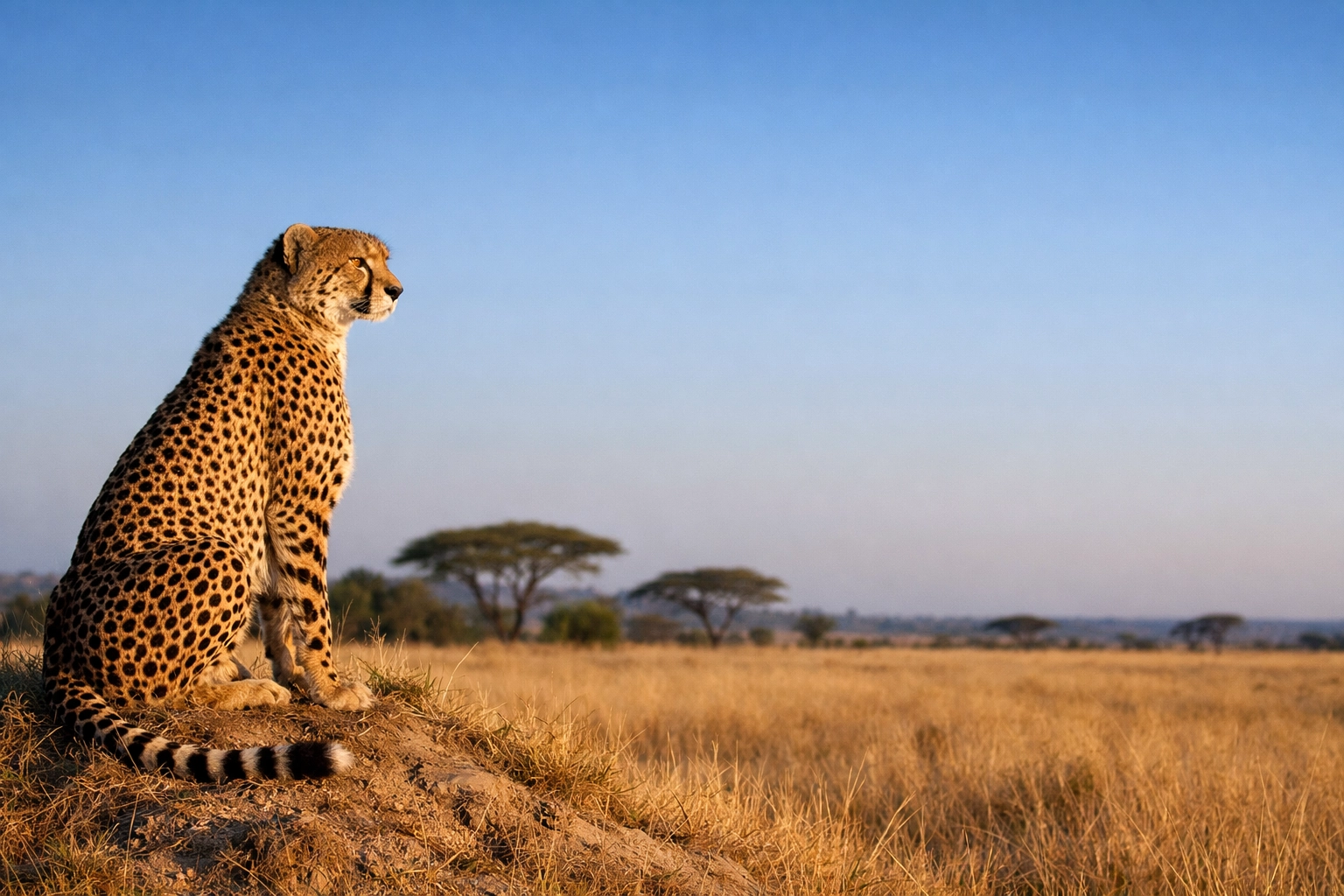
- Leave "negative space" in the direction the animal is facing.
- This creates visual balance.
- It gives the eye a place to travel.
- For "Presented By" pages, this space is also a great spot for sponsor text or logos.
6. Overlooking the Environment
While you want the animal to be the star, the background shouldn't be an afterthought.
The Problem
- Bright white skies that "blow out" the top of the photo.
- Distracting trash cans or signage in the background.
- Busy patterns that camouflage the animal.
The Fix
- Check the edges of your frame before clicking the shutter.
- Look for "clean" backgrounds: greenery, rocks, or soft shadows.
- Avoid shooting during the middle of the day when shadows are harsh.
- Golden hour (shortly after sunrise or before sunset) provides the best light for sponsored species spotlights.
7. Choosing "Stock" Style Over "Character" Style
Many zoos use generic-looking photos that could be from anywhere. Your "Presented By" page should feel like it belongs to your zoo.
The Problem
- Photos look clinical and flat.
- There is no sense of the individual animal’s personality.
- It feels like a textbook rather than a community-focused sponsorship page.
The Fix
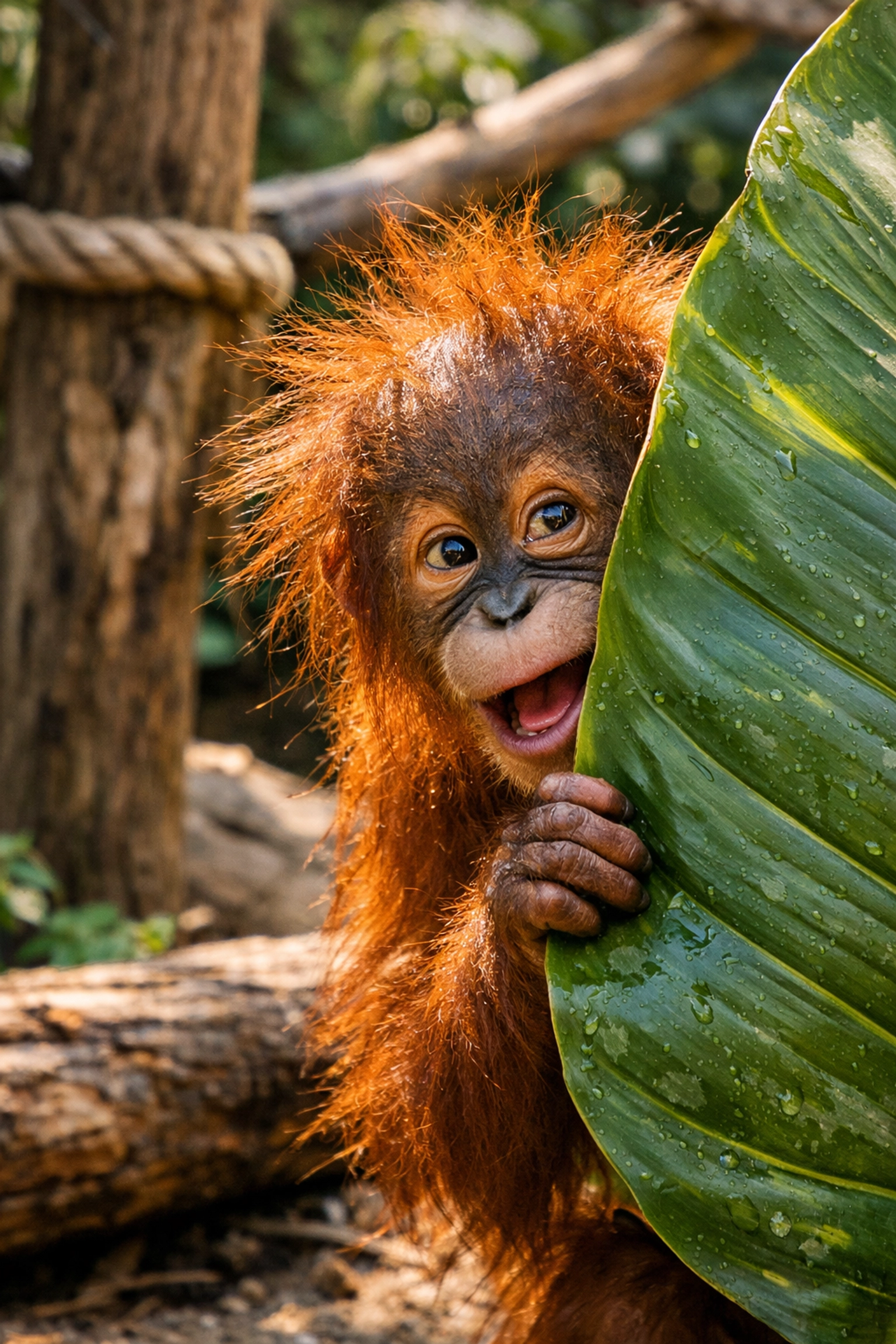
- Capture "moments," not just "poses."
- Look for interactions, yawns, or unique behaviors.
- Use photos of animals that your visitors actually recognize.
- If you're profiling Hyenas, show their curiosity.
Why This Matters for Your Zoo
When a local business sponsors a species, they are buying into your mission. They want to be associated with beauty, nature, and professionalism. If your "Presented By" page uses low-quality images, it sends a message that the partnership isn't a priority.
High-quality photography does the heavy lifting for you. It:
- Increases the perceived value of sponsorships.
- Improves the look of your website.
- Makes social media sharing more likely.
- Supports conservation storytelling.
Technical Recap for Better Photos
If you are managing your zoo's media library, keep these technical stats in mind:
- Aperture: f/4 to f/8 for most shots to keep the animal sharp but the background soft.
- ISO: Keep it low if possible, but don't sacrifice shutter speed.
- Format: Always shoot in RAW to ensure you have the most data for editing.
- Focus: Always focus on the eye closest to the camera.
How Zoo Imagery Helps
We understand that zoo staff are busy. You don't always have time to wait four hours for a lion to look at the camera. That’s why we built Zoo Imagery.
We provide professional, high-resolution stock photography specifically for zoos and aquariums. Our library is designed for:
- "Presented by" animal pages.
- Sponsored species spotlights.
- Social media and marketing.
- Educational signage.
Our photos are ready to use, professionally edited, and focused on the character of the animal.
Ready to Upgrade Your Visuals?
Stop settling for "good enough" photos. Give your sponsors the visual quality they deserve.
Visit zooimagery.com to browse our collection of Pandas, Elephants, and more.
Follow us on LinkedIn for more tips on zoo marketing and digital media.
Simple. Professional. Effective.
That’s how your animal photography should be. Avoid these seven mistakes, and you’ll see the difference in your sponsorship engagement immediately.


