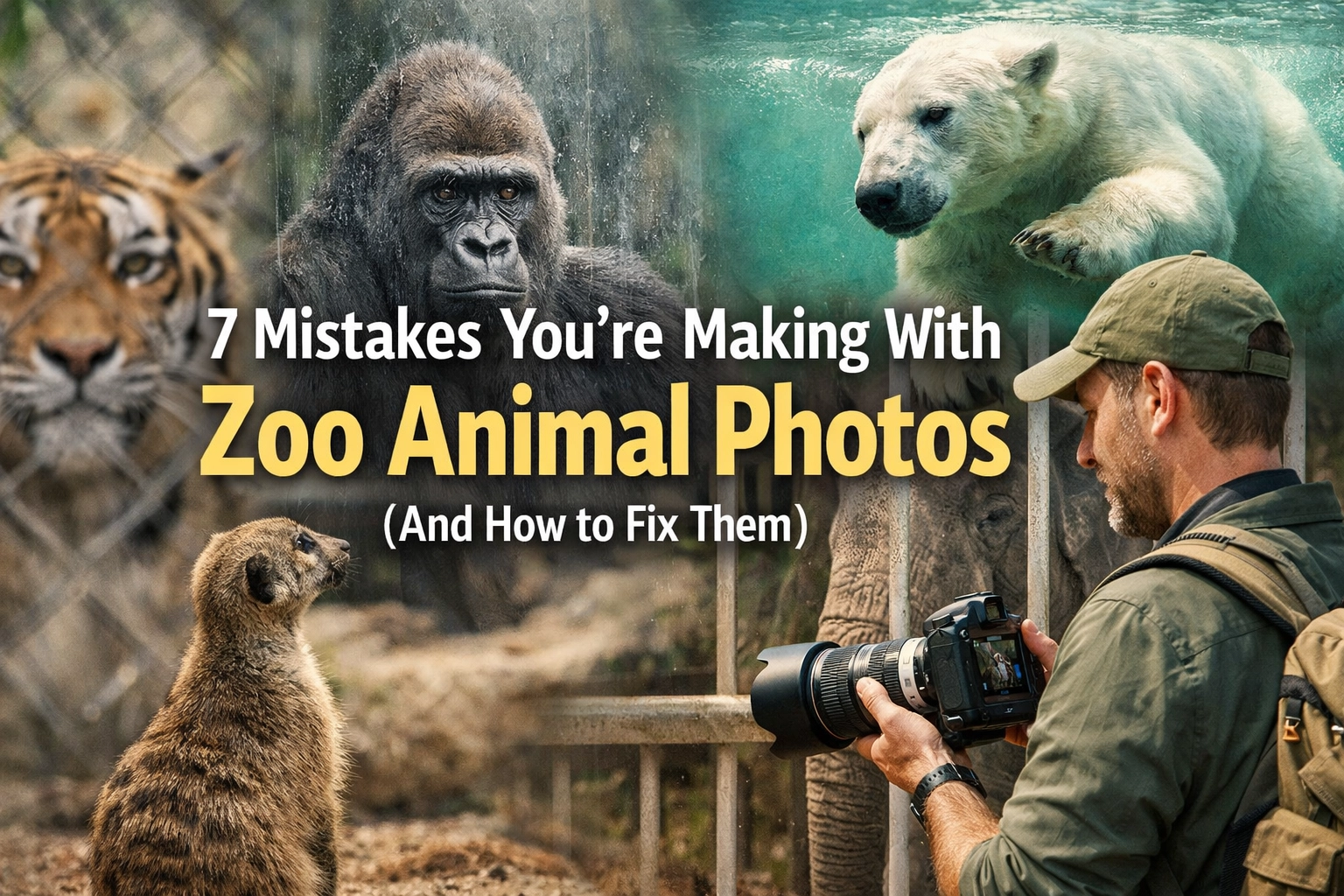
7 Mistakes You’re Making With Zoo Animal Photos (And How to Fix Them)
Zoo photography is hard.
Capturing a Wild Tiger behind glass or a Giraffe through a fence presents unique hurdles.
You aren't in the wild. You are in a controlled environment with uncontrolled variables.
Crowds. Reflections. Concrete.
Most zoo photos look like "zoo photos." They lack the raw, stock-quality finish needed for high-end digital media or "Presented by" animal pages.
If you want your images to stand out on Zoo Imagery, you need to fix these seven common mistakes.
1. The Visible Barrier
Fences are the enemy of a clean shot.
A common mistake is standing too far back from the mesh. This makes the wire visible. It breaks the illusion of nature.
The Fix:
- Get close.
- Put your lens as near to the fence as possible.
- Use a wide aperture (low f-stop number).
- Long focal lengths help.
- The fence will disappear into a soft blur.
This technique is essential for Lions and other predators kept behind secondary mesh.
2. Glass Reflections
Indoor exhibits use thick glass.
Glass reflects everything. Your bright shirt. The "Exit" sign. The family behind you.
A photo of Pandas loses its impact when a glare cuts across the animal's face.
The Fix:
- Wear dark clothes.
- Use a rubber lens hood.
- Press the hood flat against the glass.
- Shoot at a slight angle to minimize back-reflection.
- Avoid using a flash.
3. Concrete and Man-Made Backgrounds
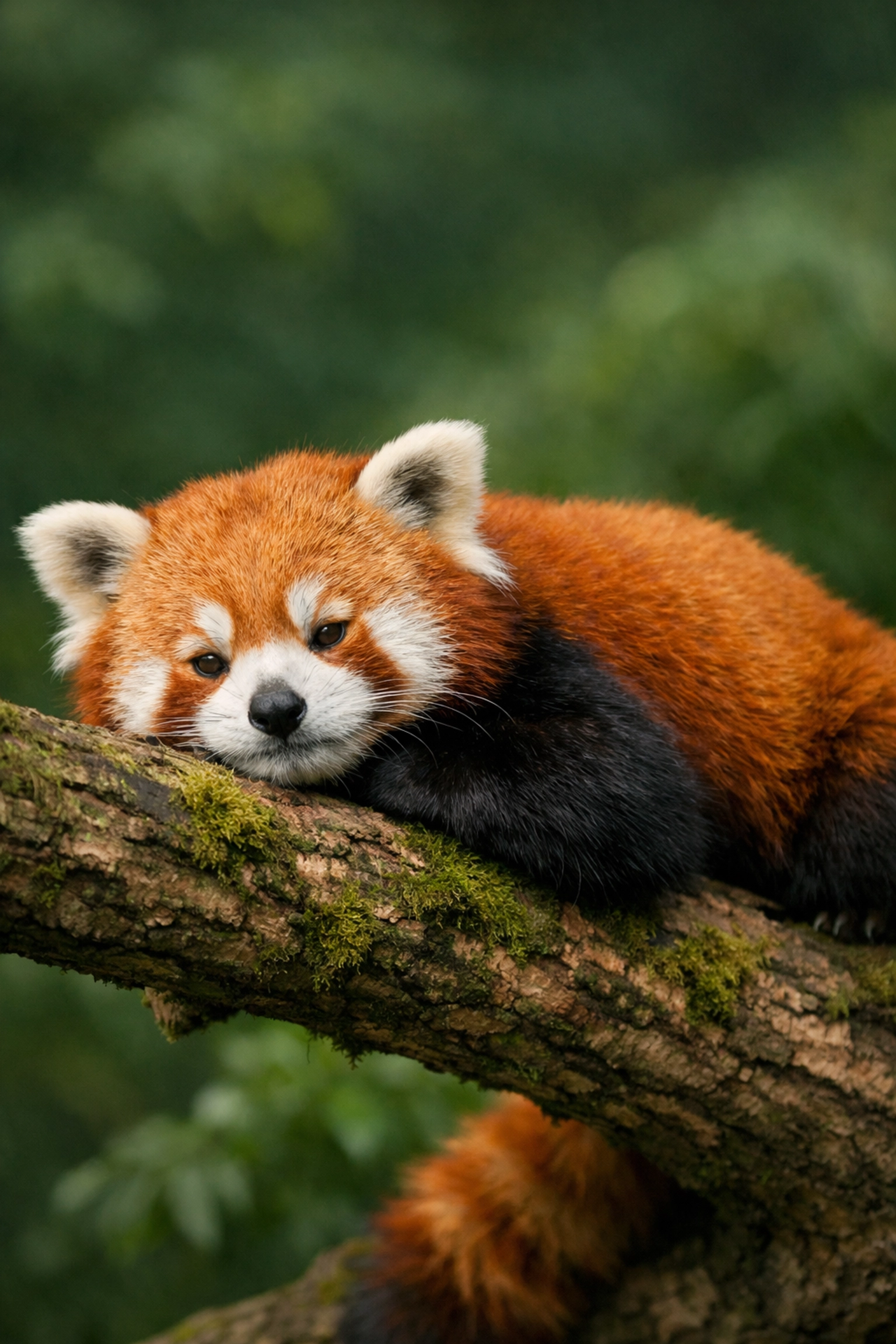
Nothing ruins a nature shot faster than a green trash can.
Zoo enclosures often have concrete walls, feeding tubs, or colored ropes. These elements scream "captivity."
Stock photography needs a clean look.
The Fix:
- Patience.
- Wait for the animal to move into a natural-looking area.
- Crop tightly.
- Use a shallow depth of field to turn a concrete wall into a neutral wash of color.
- Look for "Presented by" opportunities where the animal is positioned near natural rocks or foliage.
4. Missing the Eye Connection
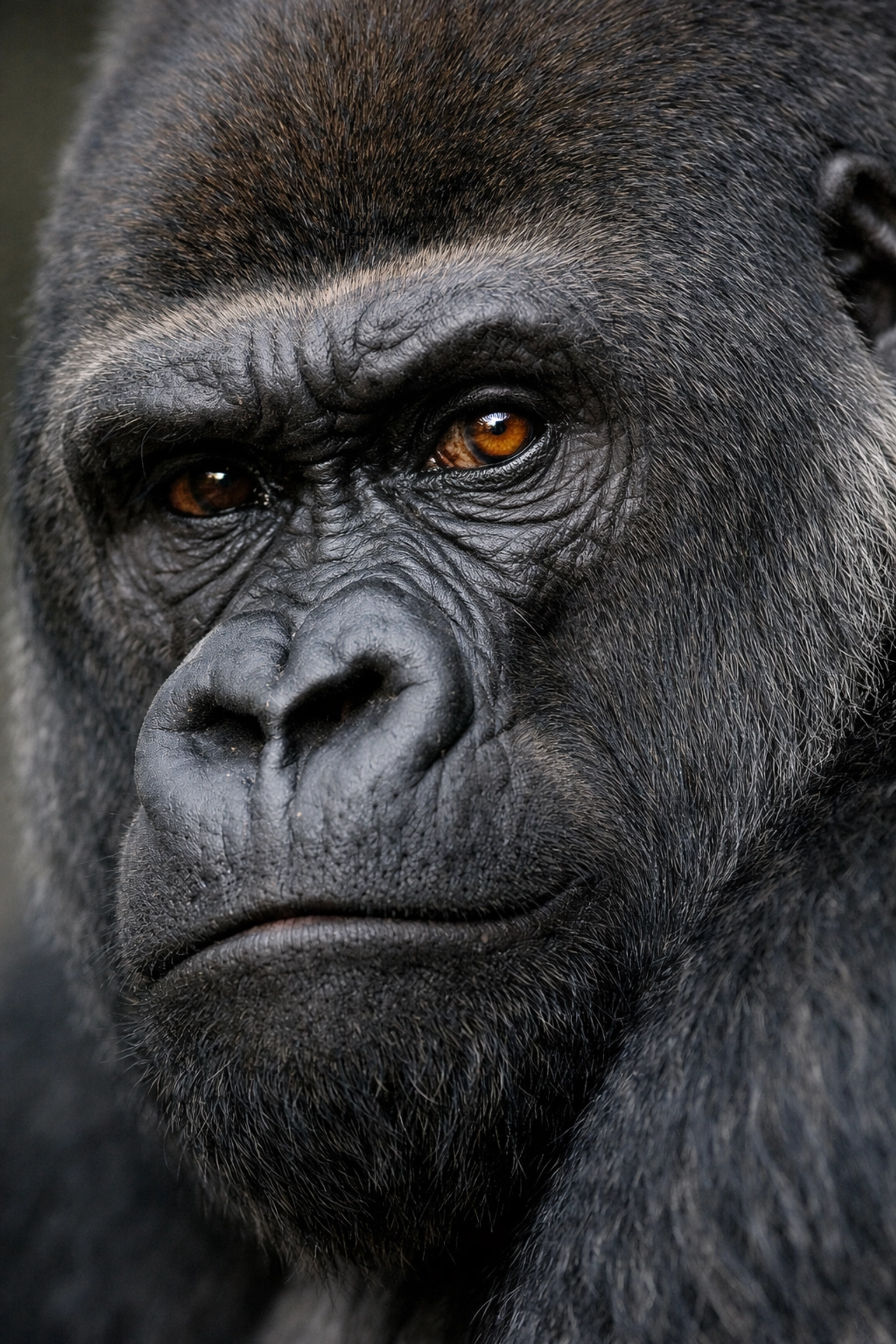
Eyes tell the story.
Focusing on the fur or the snout is a mistake. If the eyes are blurry, the photo is unusable for professional digital media.
The Fix:
- Use single-point focus.
- Aim for the eye closest to the camera.
- Wait for a catchlight.
- A small spark of light in the eye adds life.
For species like Hyenas, a sharp eye focus changes the entire mood of the image from "animal in a cage" to "wild predator."
5. Ignoring the Light Quality
Zoos are often bright at midday.
Harsh shadows hide features. High-contrast light makes Polar Bears look yellow or blown out.
The Fix:
- Shoot on overcast days.
- Clouds act as a giant softbox.
- Aim for the "Golden Hour": early morning or late afternoon.
- If shooting at noon, look for animals in the shade.
- Adjust your white balance. Indoor lights often turn photos orange or green.
6. Static Compositions
Most people take photos from eye level.
This results in flat, boring images. It looks like every other tourist photo.
The Fix:
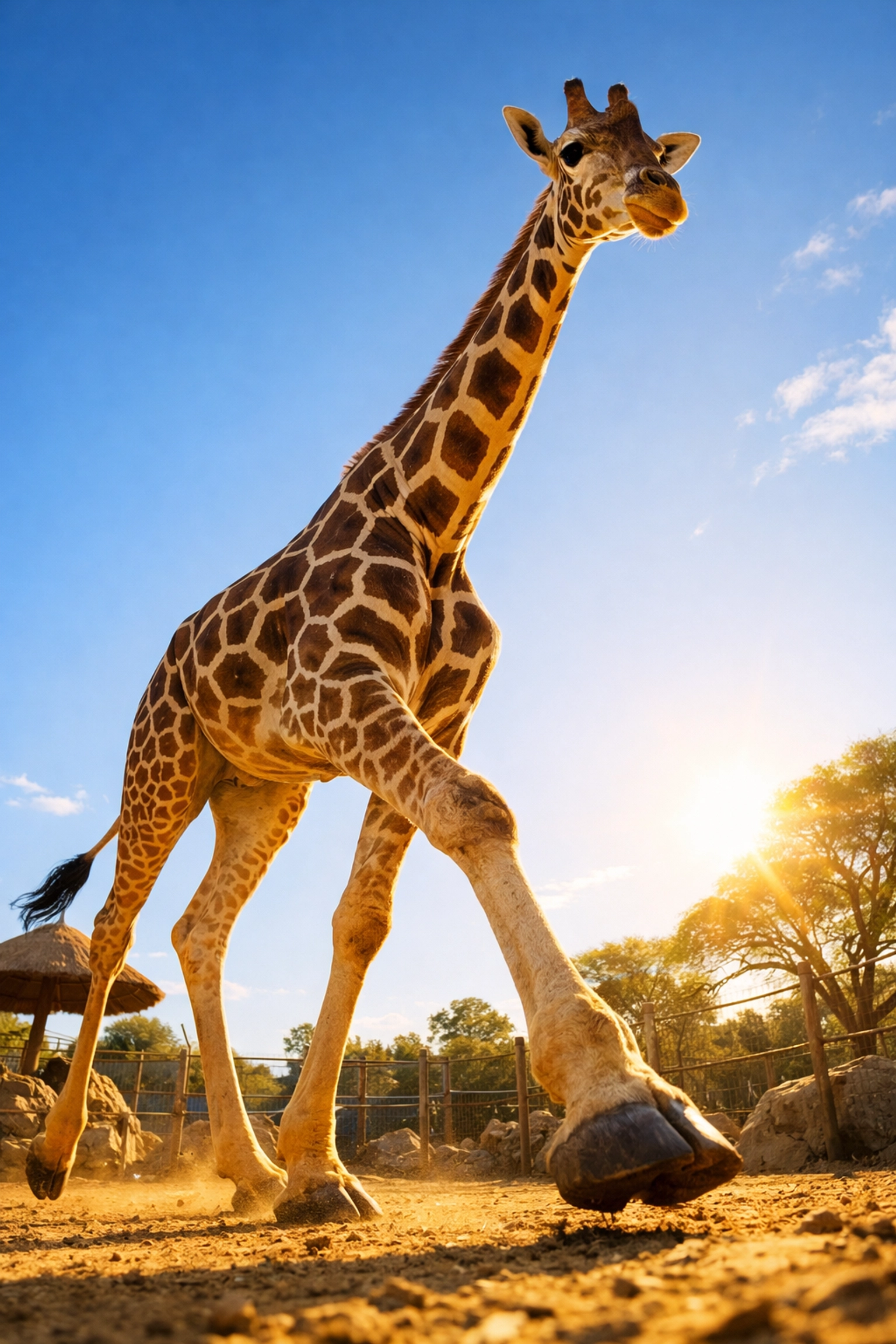
- Change your perspective.
- Get low.
- Shooting at the animal's eye level creates intimacy.
- Capture movement.
- An Elephant walking is more interesting than one standing still.
- Use a faster shutter speed to freeze the action.
7. Forgetting the Purpose
Why are you taking the photo?
For Zoo Imagery, photos serve a greater purpose. They power "Presented by" animal pages and sponsored species spotlights.
A mistake many photographers make is shooting only for themselves. They forget the needs of the brand or the sponsor.
The Fix:
- Think about copy space.
- Leave room in the frame for text or logos.
- Focus on species spotlighting.
- Show the unique characteristics that a sponsor would want to highlight.
- Conservation storytelling starts with a clear, engaging subject.
Why Quality Matters for Zoo Imagery
Stock photography is about utility.
Our platform connects high-quality digital media with organizations looking to support wildlife.
A "Presented by" page for Birds requires imagery that is sharp, clean, and professional.
When you avoid these seven mistakes, you create assets that have value. You contribute to a library that supports animal photography and marketing solutions for zoos and aquariums worldwide.

Technical Checklist for Your Next Visit
- Aperture: Keep it wide (f/2.8 to f/5.6) to blur barriers.
- Shutter Speed: Fast for movement. Slow only if you want intentional blur.
- ISO: Low as possible, but don't fear higher numbers in dark indoor exhibits.
- Focus: Eye-tracking or single-point focus.
- File Type: Always shoot in RAW for better post-processing.
The Business of Animal Photos
Zoo Imagery isn't just about pretty pictures.
It’s about ESG-aligned campaigns and conservation storytelling.
When a company sponsors a species spotlight, they expect excellence. They want an image that represents their commitment to the natural world.
Your job is to provide that.
Fix the reflections.
Hide the fences.
Find the light.
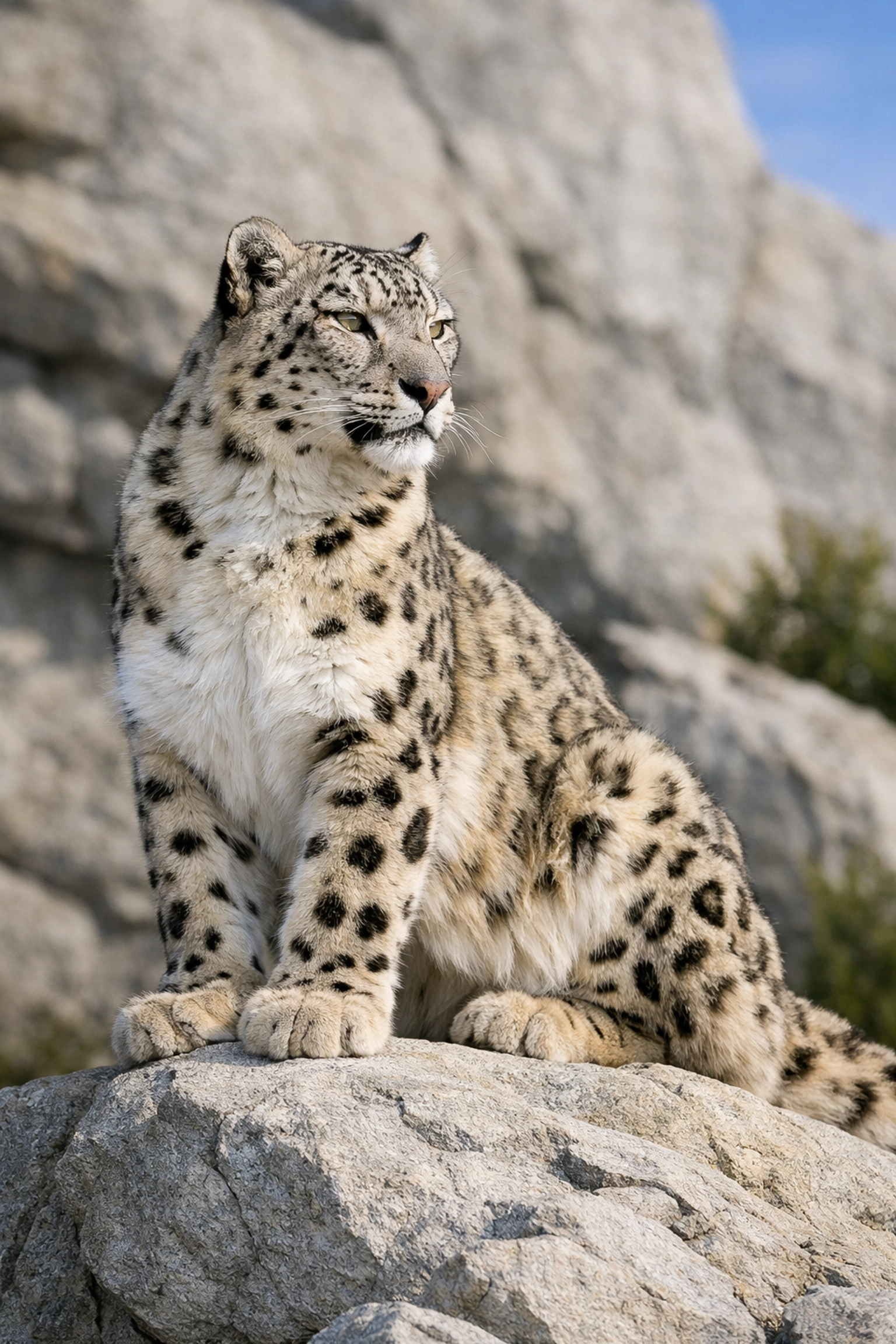
Final Thoughts
Photography is a craft of subtraction.
You win by removing the things that don't belong.
Remove the glare.
Remove the wire.
Remove the distractions.
What is left is the animal. Pure. Striking. Professional.
These are the images that drive engagement on Zoo Imagery. These are the images that tell the story of conservation.
If you are ready to showcase your work or find the perfect image for your next campaign, visit us today.
Connect with us:
- Visit zooimagery.com
- Follow Dan Kost and Zoo Imagery on LinkedIn for daily insights.
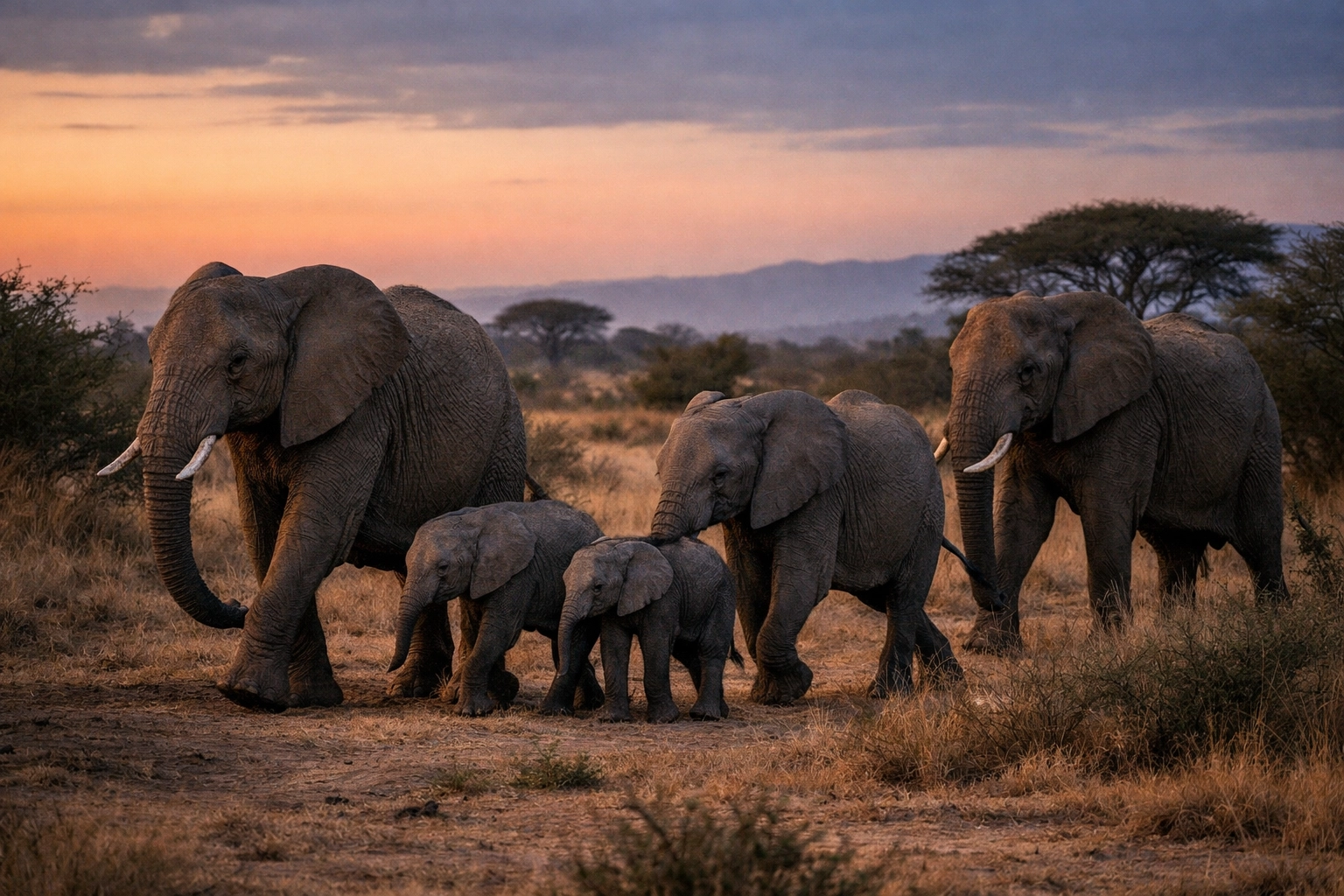
Species Spotlight Ready?
We are always looking for high-quality shots of:
Your next shot could be the face of a major "Presented by" page.
Check your settings.
Wait for the moment.
Capture the wild.
About Zoo Imagery
Zoo Imagery provides stock photography and digital media solutions tailored for the zoo and aquarium industry. We focus on simple, high-impact marketing tools that bridge the gap between photography and conservation.
No complex jargon. Just quality imagery.
Explore our collections at zooimagery.com.


