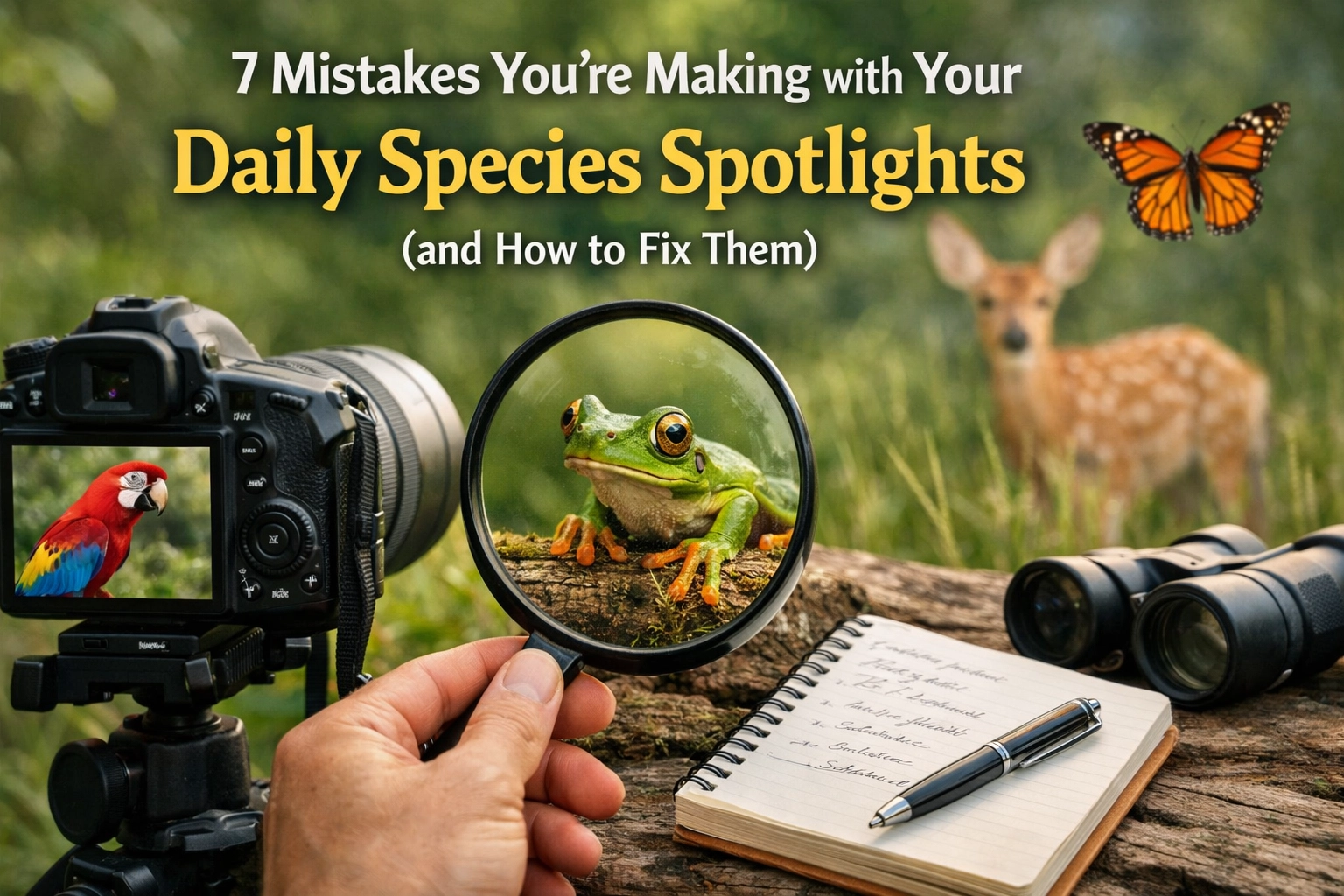
7 Mistakes You’re Making with Your Daily Species Spotlights (and How to Fix Them)
Daily species spotlights drive engagement. They tell the story of conservation. They connect people to the wild. But many spotlights fail. They miss the mark. They don’t inspire action.
At Zoo Imagery, we see thousands of photos and stories every day. We provide the visual tools for zoos and aquariums. We know what works. We also know what doesn't.
Here are seven common mistakes you are making with your spotlights and how to fix them.

1. Waiting for the Perfect Profile
Most people look for the whole animal. A clear, head-on shot. This is rare in the wild. If you only spotlight perfect "postcards," you miss 90% of the story.
The Mistake:
Waiting for the animal to stand in the sun and look at the lens. This creates a backlog of content and misses the reality of wildlife behavior.
The Fix:
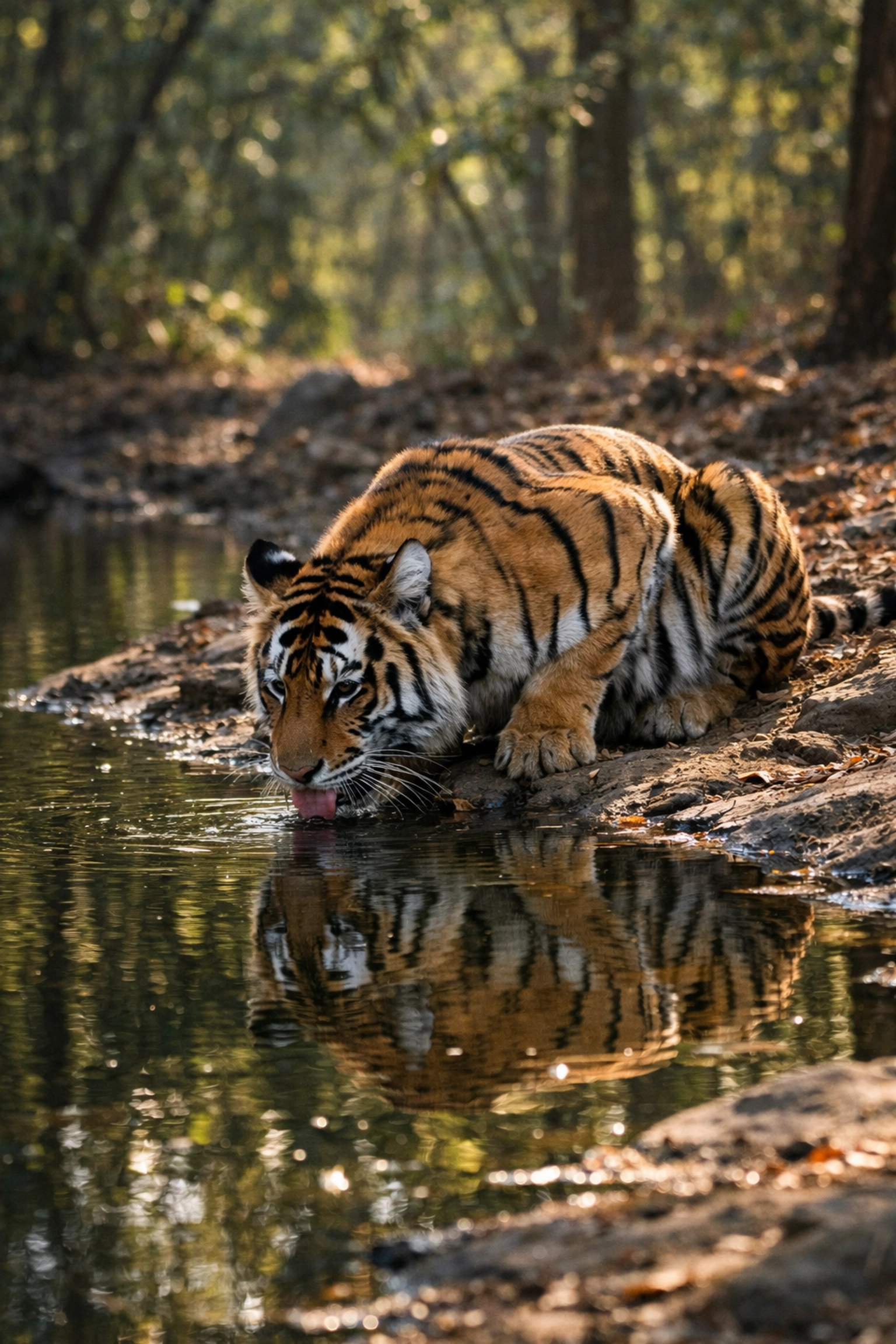
Train your eye for details. A patch of orange fur in the green brush. A claw gripping a branch. The ripple of water as a tail disappears. These fragments are often more evocative than a standard portrait. They invite the viewer to look closer. They show the animal in its element, not just as a subject.
- Focus on textures: scales, feathers, fur.
- Look for movement: a blurred wing, a splashing fin.
- Highlight unique features: the eye of a gecko, the trunk of an elephant.
2. Ignoring the Biological Clock
Wildlife doesn't follow a 9-to-5 schedule. Neither should your spotlighting efforts. If you are only telling stories about animals active at noon, your content becomes repetitive.
The Mistake:
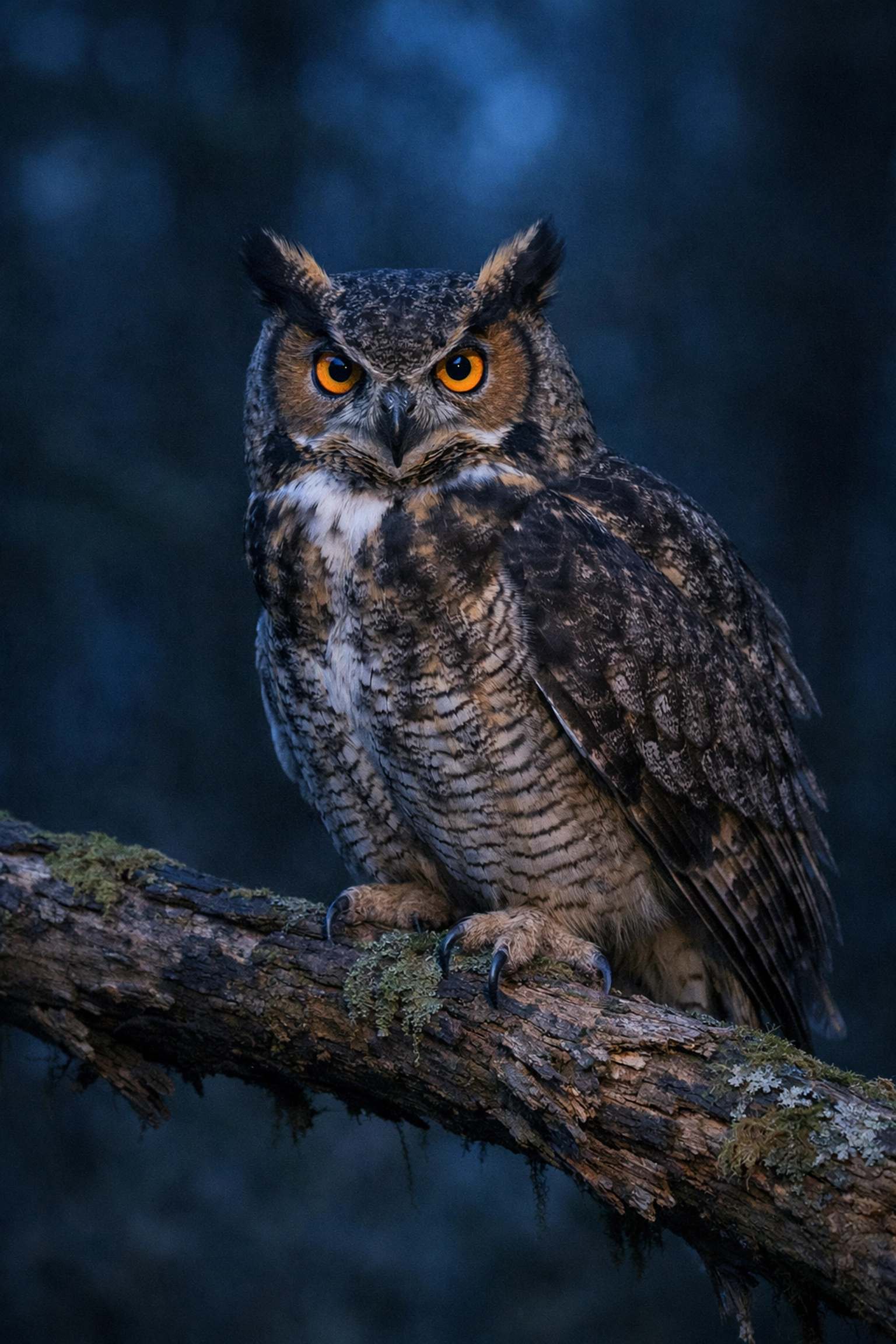
Spotlighting diurnal species only because they are easier to photograph. Ignoring the nocturnal and crepuscular world.
The Fix:
Choose your timing strategically.
- Diurnal: Hawks, squirrels, and butterflies.
- Nocturnal: Owls, bats, and many small mammals.
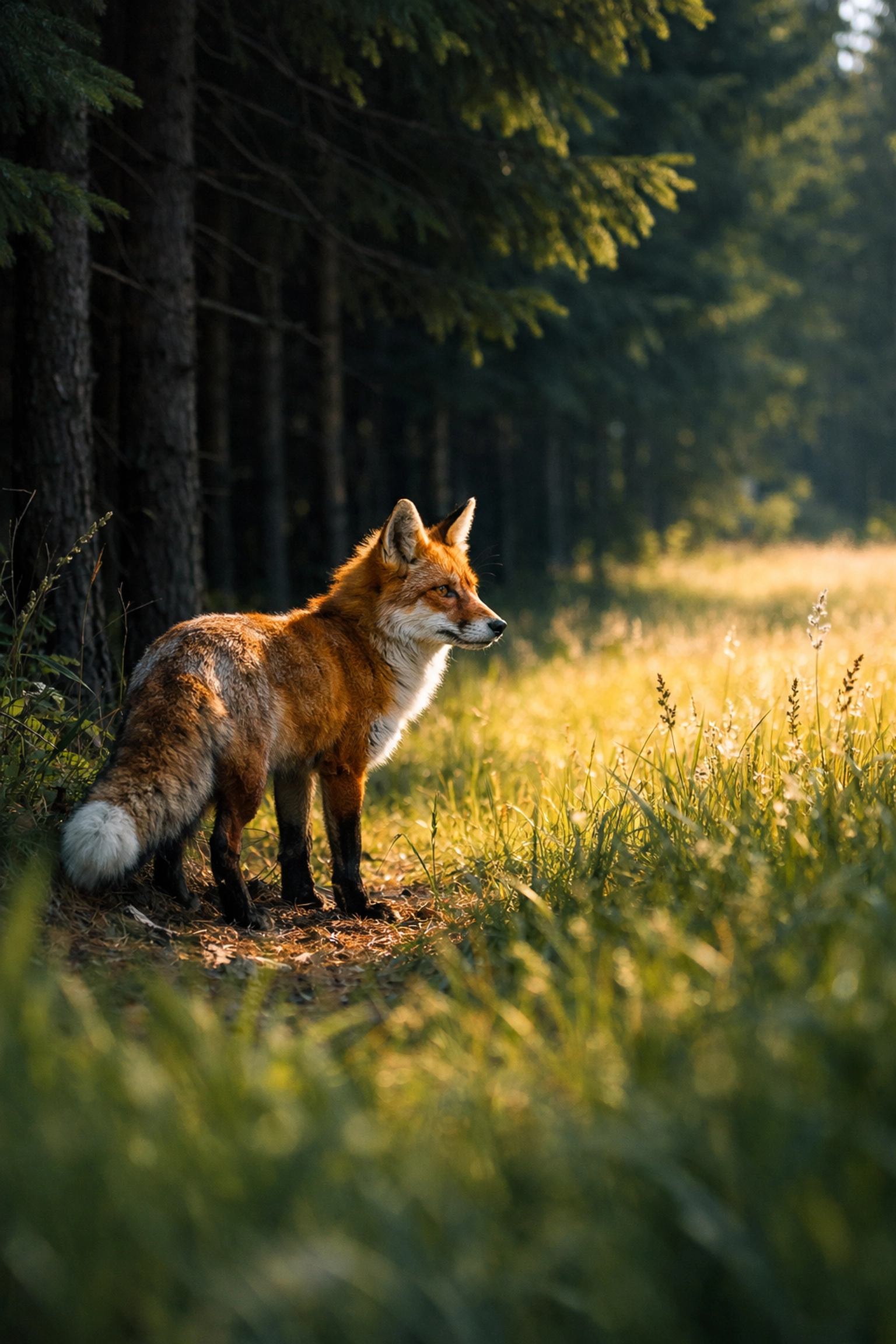
- Crepuscular: Deer and many predators that hunt at dawn and dusk.
Use your spotlights to educate. Explain why certain animals are active when we are asleep. Use high-quality low-light imagery to bring the night to life.
3. Crossing the Boundary
Proximity is not the same as intimacy. Many creators try to get as close as possible. This is a mistake for the animal and the story.
The Mistake:
Crowding the subject. Approaching too closely for a "better" shot. This stresses the animal and changes its natural behavior.
The Fix:
Maintain distance. Use the right glass.
- Use telephoto lenses (400mm+).
- Use spotting scopes for observations.
- Use binoculars to find subjects before you move.
A great species spotlight shows the animal acting naturally. If the animal is looking at the camera with a "fight or flight" expression, the conservation message is lost. Respect the boundary.
4. Using Distractive Technology
Flash photography. Laser pointers. Recorded animal calls. These are shortcuts. They are also harmful.
The Mistake:
Using tech that startles or disorients the animal just to get a "usable" image for a spotlight.
The Fix:
Stick to natural light. Understand animal behavior to predict where they will be. Use silent shutters.
- Avoid flash. It disorients nocturnal animals.
- Never use playback calls. It interrupts mating and territorial patterns.
- Be a ghost. The best spotlights are the ones where the animal never knew you were there.
5. Under-Gearing Your Efforts
You don't need the most expensive camera. You do need the right tools for observation. Many spotlights fail because the observer couldn't see the animal clearly enough to tell its story.
The Mistake:
Trying to spot wildlife with the naked eye or poor-quality optics.
The Fix:
Invest in quality observation gear.
- Binoculars: A standard 8×42 or 10×42 set.
- Spotting Scopes: For long-distance viewing without disturbance.
- Stable Mounts: Use tripods or beanbags to keep the view steady.
When you see the details clearly, you can write about them better. You can describe the way a bird’s feathers interlock or how a lizard’s skin reflects the sun.
6. Standing in the Open
If you stand in the middle of a path, you are a silhouette. Animals see you from miles away.
The Mistake:
Poor positioning. Not considering the background or the animal's line of sight.
The Fix:
Find the "Edges."
- Forest edges.
- Beaver pond perimeters.
- Shorelines.
Sit quietly. Methodically scan the area. Methodical scanning is better than wandering. Find a vantage point where two habitats meet. That is where biodiversity is highest. That is where your best spotlight stories live.
7. The One-Off Mentality
A single post is not a strategy. Many organizations do a "Species Spotlight" once a month and wonder why engagement is low.
The Mistake:
Inconsistency. Treating spotlights as a chore rather than a core part of conservation storytelling.
The Fix:
Make it a daily habit. Practice builds the skill.
- Start with easy species: squirrels, songbirds, common reptiles.
- Build a rhythm.
- Create a template for your data: Name, Status, Key Fact, Story.
Consistency builds trust with your audience. They begin to look for your daily update. It becomes a ritual.
Why This Matters for Conservation
Storytelling is a tool for survival. Every species spotlight is an opportunity to highlight conservation needs.
- It puts a face to a cause.
- It turns "data" into "connection."
- It drives support for ESG-aligned campaigns and habitat preservation.
At Zoo Imagery, we focus on providing the assets that make these stories possible. We believe that simple, direct communication is the best way to help the planet.
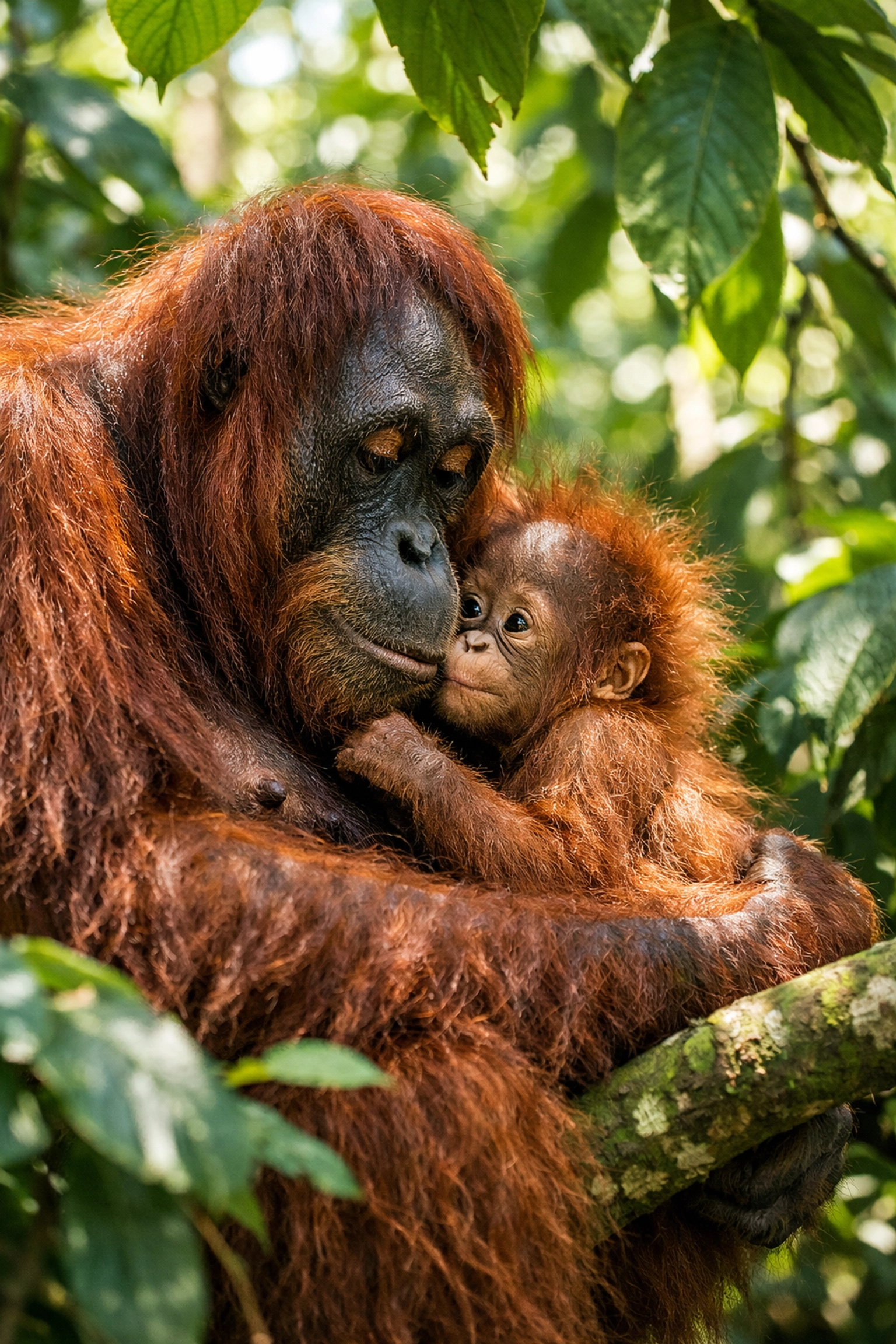
Zoo Imagery Milestones: March 2026
We are proud to share some company updates.
- Archive Growth: Our library now hosts over 120,000 high-resolution species images.
- New Partnerships: We have partnered with three new international conservation groups to provide visual assets for their 2026 reports.
- Internship Program: Our latest cohort of wildlife photography interns has just completed their first month, focusing on crepuscular species in the Rocky Mountains.
We continue to prioritize simple marketing solutions for zoos and aquariums. Our goal remains clear: provide the best digital media to support those who protect wildlife.
Tell Better Stories
Your daily species spotlights are the front line of your communication. Don't let these seven mistakes hold you back. Train your eye. Respect the animal. Be consistent.
The world is full of stories. Most of them are small. Most of them are hidden. Use your spotlight to find them.
Learn more about our work:
Visit zooimagery.com to explore our library and see how we support conservation storytelling.
Follow us for more updates:
Connect with us on LinkedIn to stay updated on our latest milestones and species spotlights.
Simple. Direct. Wild.
Zoo Imagery


