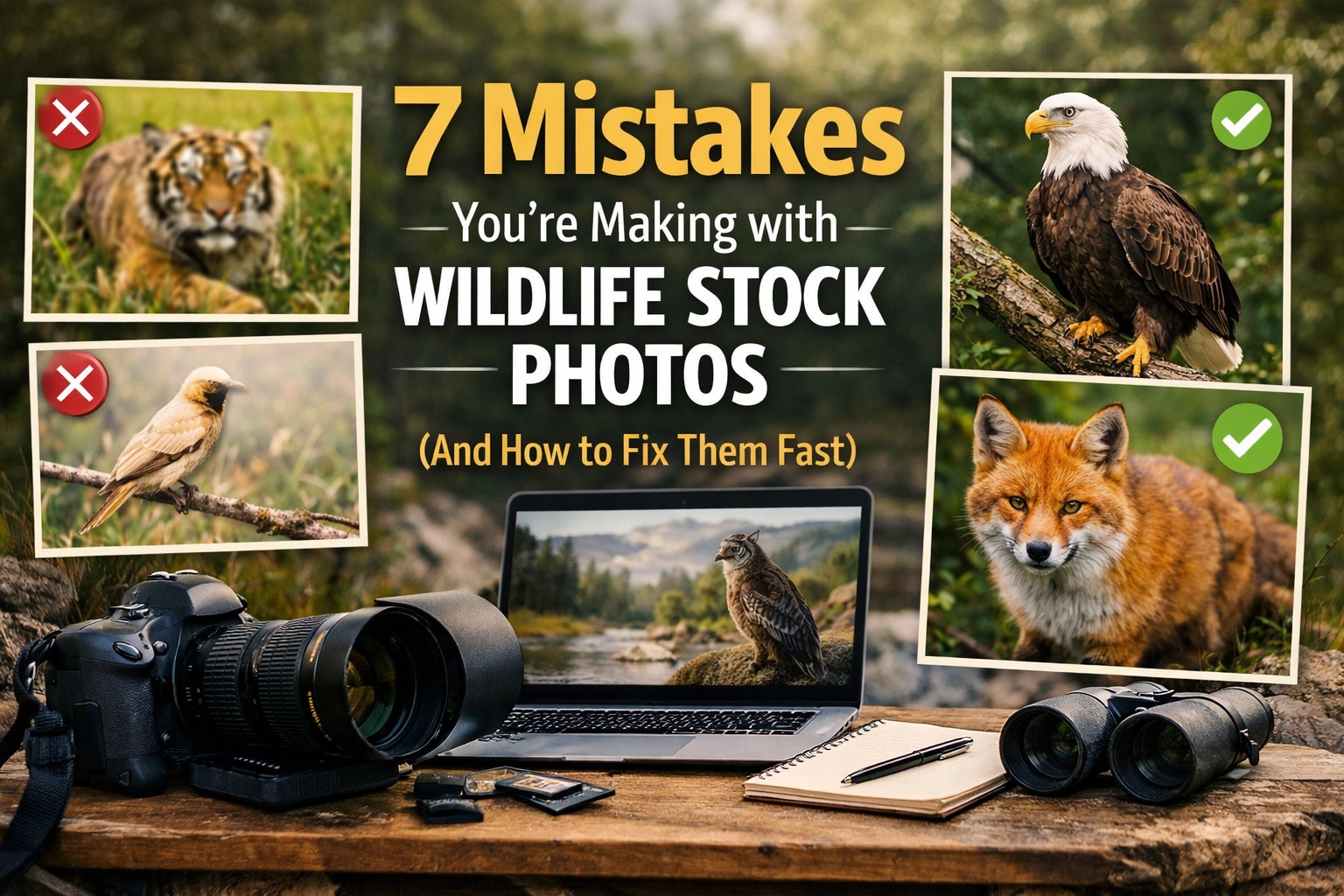
7 Mistakes You’re Making with Wildlife Stock Photos (And How to Fix Them Fast)
Stock photography often feels like a compromise. You need an image. You find one that is "close enough." You move on.
In wildlife media, "close enough" is a mistake.
At Zoo Imagery, we see how digital media impacts conservation and brand trust. Animals aren't just subjects. They are ambassadors. If your imagery is off, your message is off.
Here are seven common mistakes people make with wildlife stock photos and how to fix them.
1. Choosing Generic Over Specific
Many creators search for "monkey" when they need a specific species.
Using a Rhesus macaque to represent a Spider monkey is a mistake. Your audience: especially the observant ones: will notice. It erodes your authority.
The Fix:
Know your subject. Use specific keywords. If you are running a "Presented by" animal page, the species must be exact. Zoo Imagery focuses on accurate species spotlights. We ensure the animal you see is the animal you are talking about.
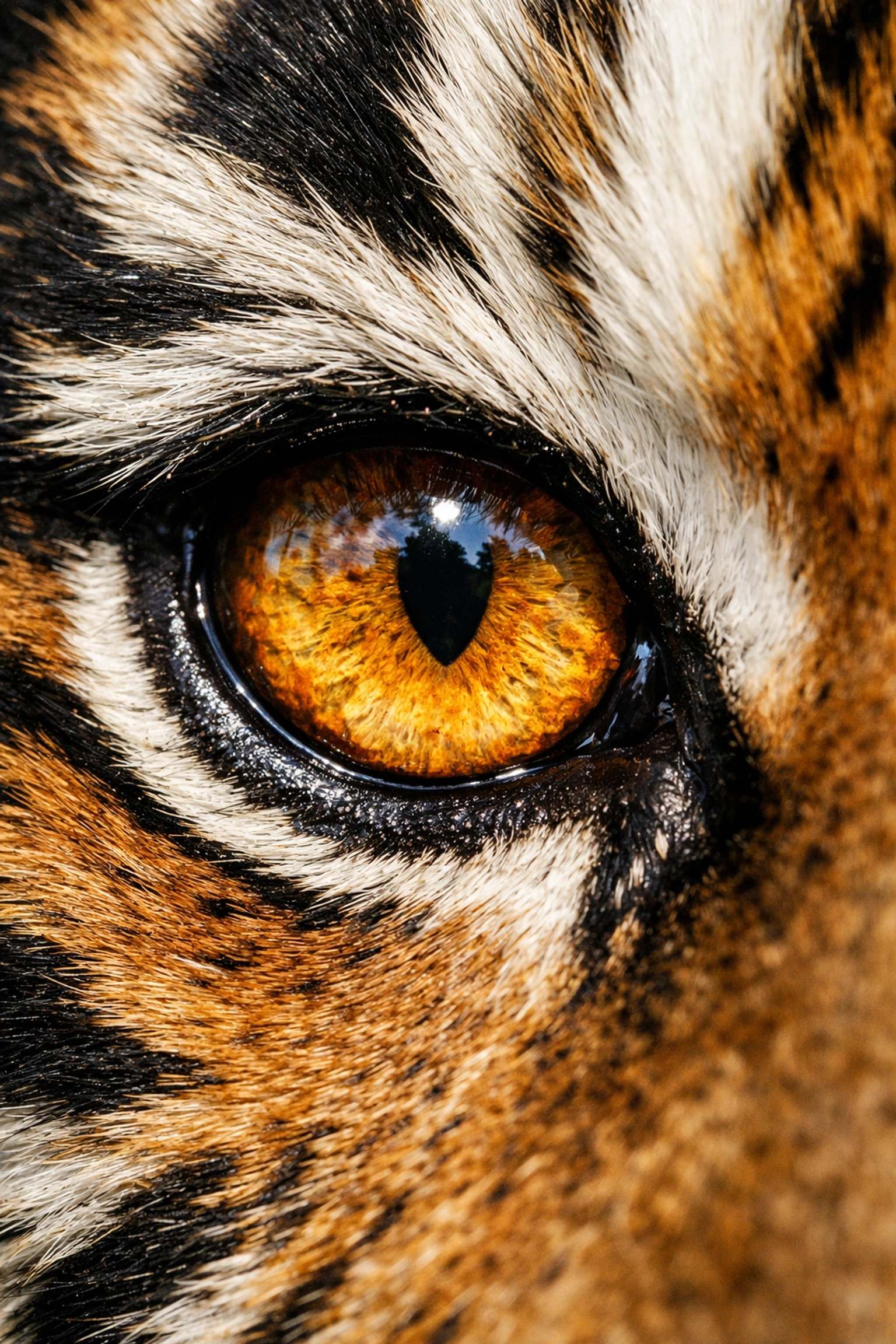
2. Neglecting the "Soul" of the Image (Focus on Eyes)
A common technical flaw in wildlife photography is soft focus on the eyes.
The eyes are the connection point. If the focus is on the fur, the ear, or the background, the image feels cold. It lacks life.
The Fix:
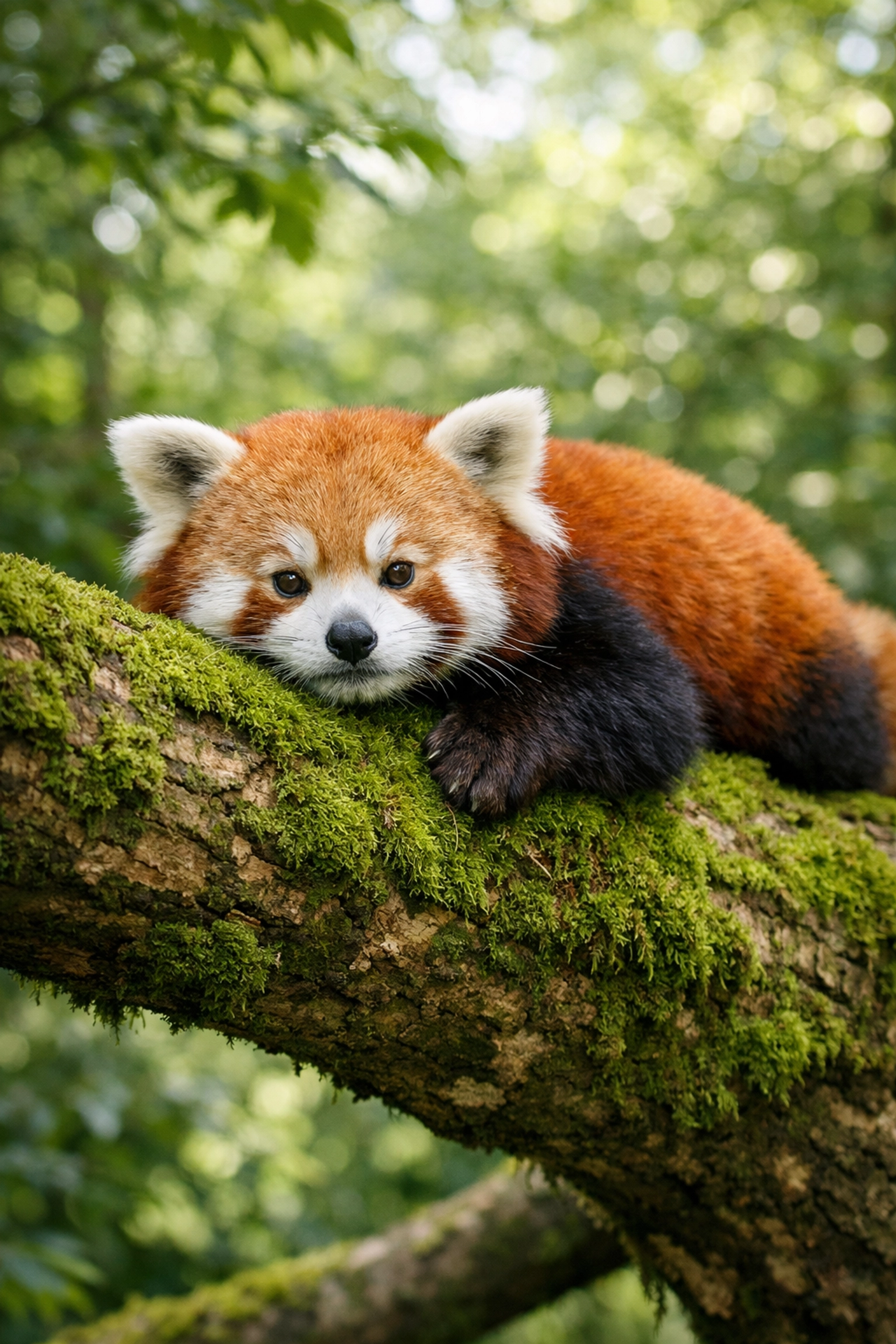
Prioritize "tack-sharp" eye focus. When browsing our library at zooimagery.com, look for images where the animal is making direct contact or where the eye detail is crystal clear. This creates a psychological bond with the viewer.
3. Using Images with Distracting Backgrounds
A busy background kills a subject.
Branches, fences, or bright spots of light pull the viewer’s eye away from the animal. In a digital media landscape where attention is short, you have three seconds to make an impact.
The Fix:
Look for a shallow depth of field. A blurred background makes the animal pop. It focuses the narrative. If you are using a photo for a sponsored species spotlight, the animal should be the undisputed hero of the frame.
4. Over-Processing and "Cartoonish" Colors
Saturation is often used to hide a mediocre photo.
Wildlife should look wild. Excessive sharpening or "neon" greens and blues make the animal look like a plastic toy. It feels dishonest.
The Fix:
Stick to natural palettes. Trust the raw beauty of the animal. Transparent, honest imagery builds trust. At Zoo Imagery, we prefer a clean, realistic look. It aligns better with conservation storytelling and professional brand tones.
5. Ignoring the Rule of Thirds
Centering an animal in the middle of the frame is the default. It is also often boring.
It leaves no "lead room." If an animal is looking to the left, there should be space on the left for them to "look into."
The Fix:
Choose images with dynamic composition. Use the rule of thirds. It creates a sense of movement and curiosity. It makes your blog post or social feed look curated, not just filled.
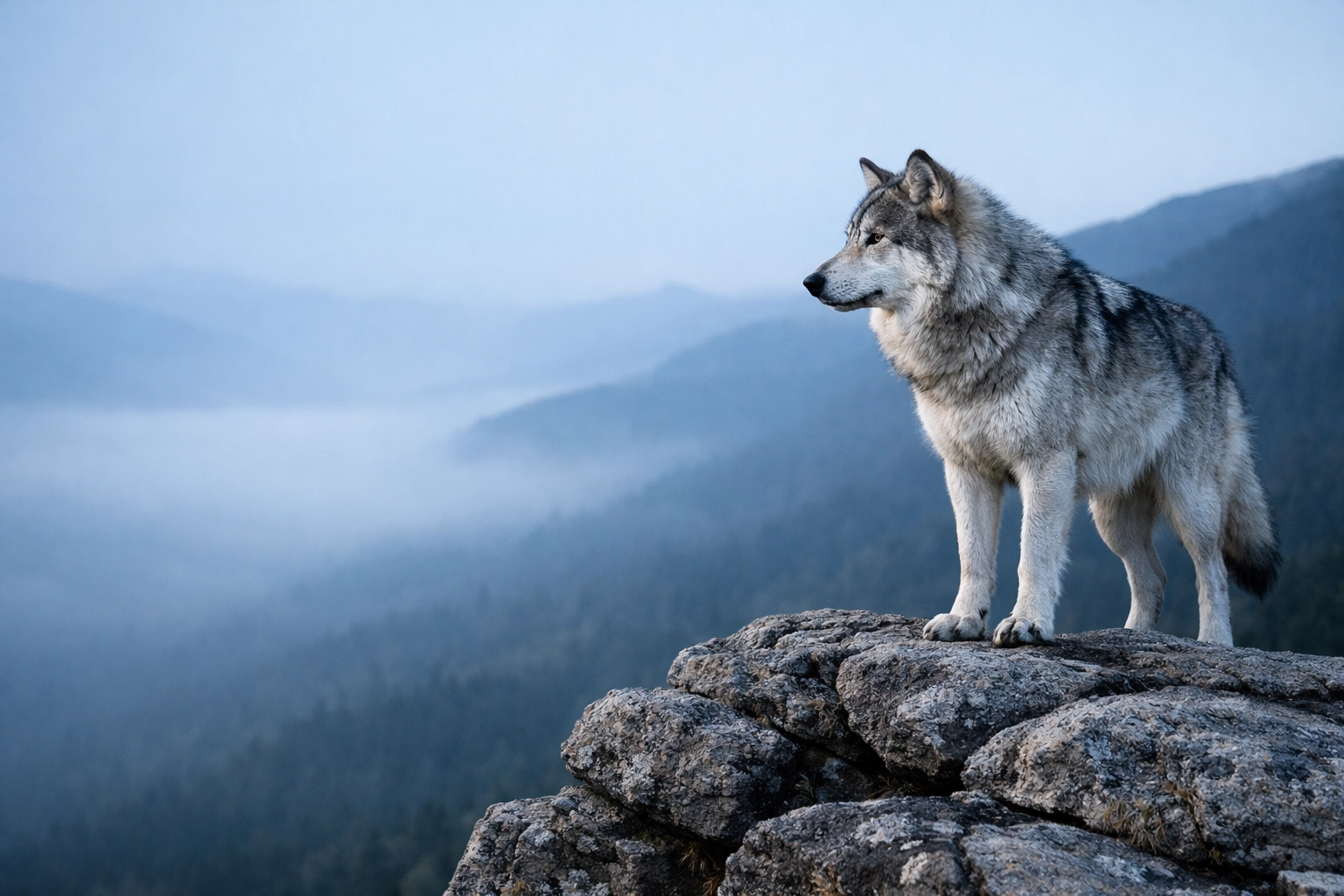
6. Mismatched Lighting and Tone
A bright, sunny photo of a nocturnal animal feels wrong.
Lighting sets the mood. Hard shadows at midday can make a majestic lion look flat and tired.
The Fix:
Match the lighting to your message. "Golden hour" lighting: soft, warm, and low: adds a premium feel to your content. It suggests quality. Use these for your high-impact ESG-aligned campaigns or featured pages.
7. Treating Stock as "Filler" Instead of Strategy
This is the biggest mistake.
Most people use stock photos to fill a gap in the text. They don't think about the story the image tells on its own.
The Fix:
Think about "Presented by" opportunities. Use stock photography to build a narrative. A sponsored species spotlight isn't just a photo; it’s an invitation to learn more about a specific creature and the work being done to protect it.

Why It Matters for Your Brand
In the world of digital media, quality is a baseline.
Zoo Imagery provides more than just files. We provide a bridge between digital media and the natural world. Whether you are building a "Presented by" page for a corporate partner or updating your zoo’s website, the details matter.
Minimalist. Direct. Authentic.
These are the qualities that make wildlife photography work for your brand. Avoid the "stock" feel by choosing images that have a story, a focus, and a soul.
Summary of Mistakes and Fixes
| Mistake | The Fix |
|---|---|
| Generic species | Use specific keywords; ensure accuracy. |
| Soft eyes | Focus on the "soul" of the animal. |
| Cluttered background | Choose shallow depth of field (bokeh). |
| Over-saturated colors | Maintain natural, realistic tones. |
| Centered subjects | Apply the rule of thirds for movement. |
| Harsh lighting | Look for golden hour or soft, filtered light. |
| Using images as filler | Create a "Presented by" narrative. |
How Zoo Imagery Helps
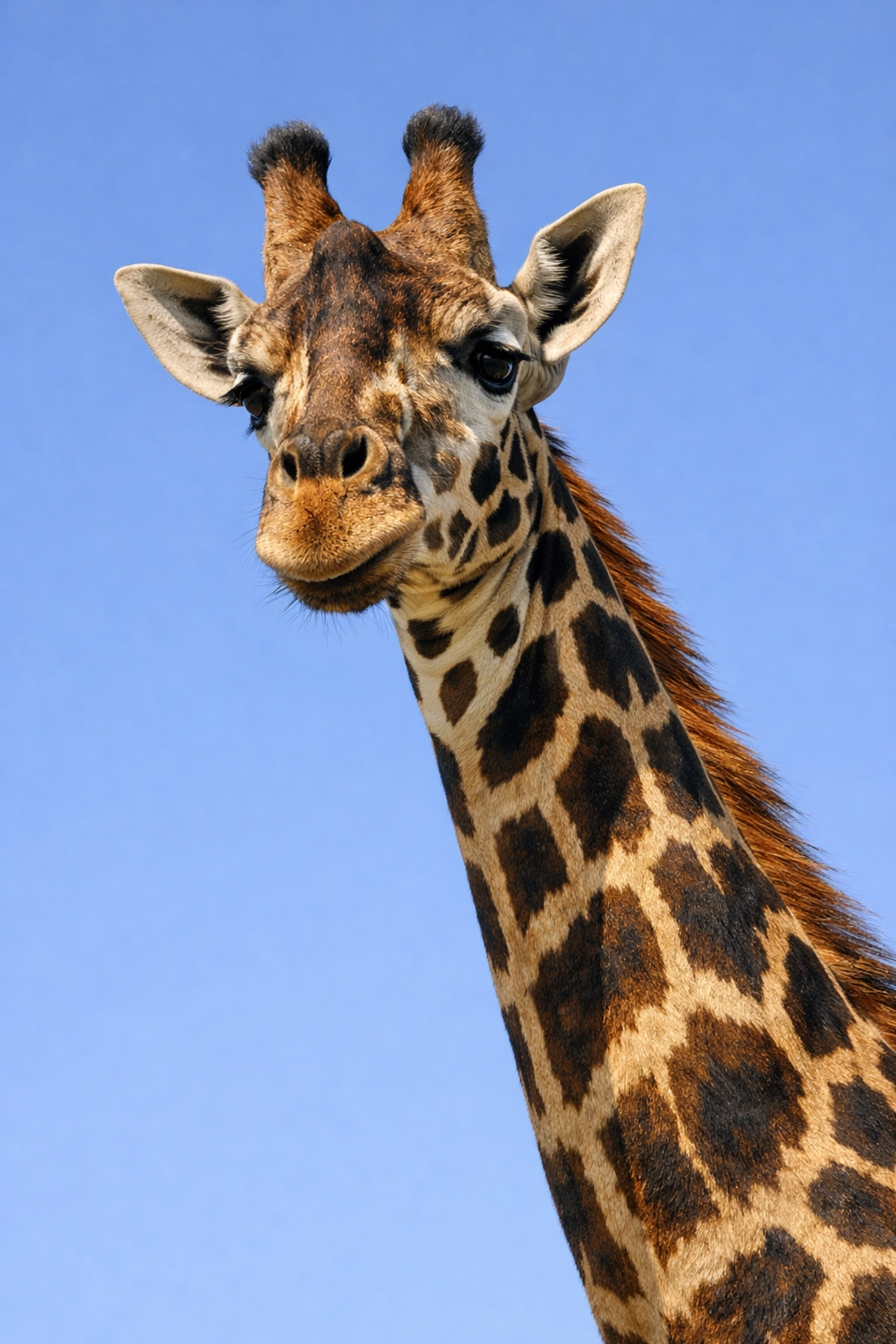
We specialize in stock photography that doesn't look like stock.
Our collection is built for:
- Zoo and Aquarium Marketing: High-end visuals for digital and print.
- Sponsored Species Spotlights: Highlighting specific animals for corporate partners.
- Conservation Storytelling: Using imagery to drive engagement and awareness.
- ESG Campaigns: Providing authentic media for environmental and social governance reporting.
We keep things simple. We focus on the animal.
Digital Media Best Practices
When you download a photo from zooimagery.com, remember these implementation tips:
- Crop for Impact: Don't be afraid to crop an image to focus on a specific detail, like a texture or an eye.
- Consistency is Key: Use a similar editing style across all your "Presented by" pages. This creates a cohesive brand identity.
- Alt Text Matters: For SEO and accessibility, always describe the animal and the setting in your alt text.
- Contextualize: Use captions to tell the reader why this specific animal is important to your organization or campaign.
Wildlife imagery is a powerful tool. When used correctly, it bridges the gap between the screen and the wild. Don't let simple mistakes weaken your message.
Next Steps for Your Content
If you are looking to upgrade your digital assets or want to learn more about how "Presented by" animal pages can boost your site's engagement, let's connect.
Visit us at zooimagery.com to browse our latest spotlights.
Follow our journey and see more species highlights on our LinkedIn profile.
Simple imagery. Real impact. That is the Zoo Imagery way.


