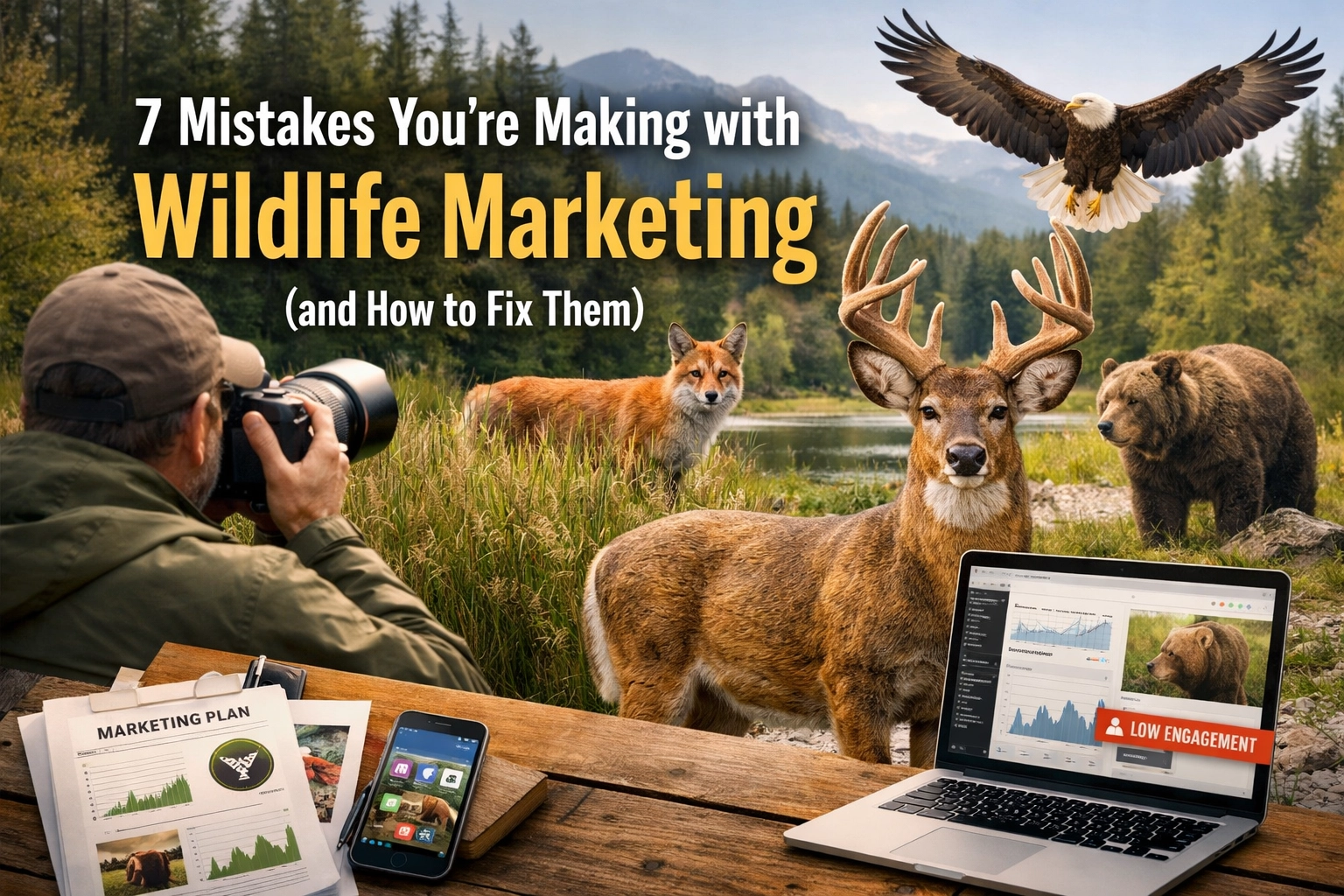
7 Mistakes You’re Making with Wildlife Marketing (and How to Fix Them)
Wildlife marketing is powerful. A single image can spark a donation, a visit, or a lifelong passion for conservation. But it is also a minefield. Many zoos, aquariums, and brands inadvertently send the wrong message.
In the digital age, a "pretty picture" isn't enough. If your imagery contradicts your mission, you lose trust.
Here are seven mistakes currently hurting wildlife marketing campaigns and the simple ways to fix them.
1. Promoting Direct Contact
The "animal selfie" is a marketing trap. Showing humans touching, holding, or cuddling wildlife creates a dangerous narrative. It suggests that animals are props for human entertainment.
The Impact:
- Normalizes risky behavior.
- Encourages the illegal pet trade.
- Diminishes the wild nature of the species.
The Fix:
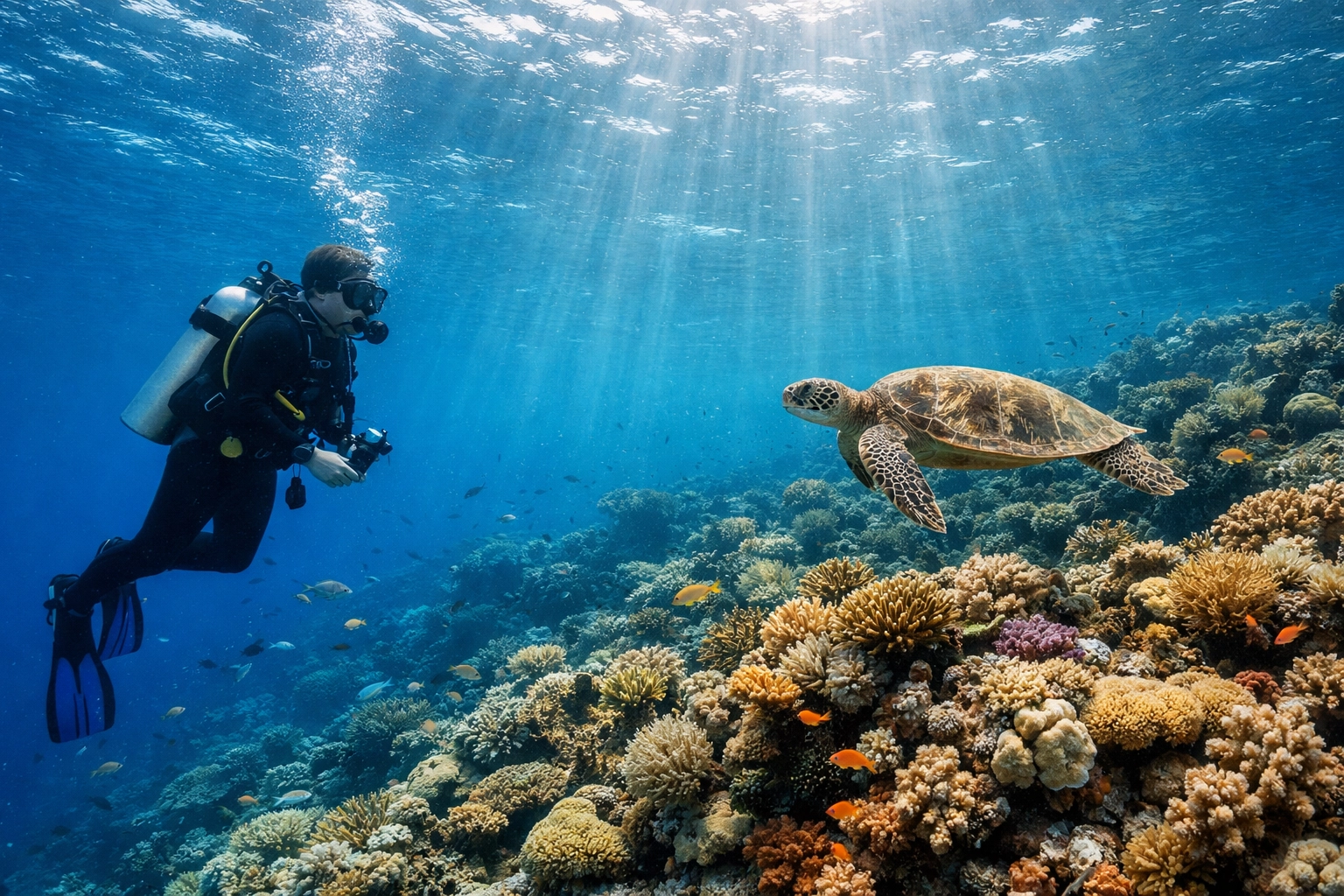
Show distance. Feature animals engaged in natural behaviors: hunting, foraging, or resting. If a human must be in the frame, they should be a professional (like a keeper or vet) observing from a respectful distance or behind a barrier. Let the animal be the protagonist, not the accessory.

2. Relying on "Green" Buzzwords
"Eco-friendly." "Sustainable." "Green." These words are losing their teeth. Modern audiences see right through them. Using vague language without proof is often categorized as greenwashing.
The Impact:
- Erodes brand authority.
- Triggers skepticism in younger demographics.
- Fails to meet actual ESG (Environmental, Social, and Governance) standards.
The Fix:
Be specific. Instead of saying "We support conservation," show it. Use data. "10% of this campaign’s proceeds fund habitat restoration in the Amazon." Transparency is the best marketing tool. At Zoo Imagery, we focus on ESG-aligned campaigns that tell a real story rather than just using a label.

3. Creating the "Abundance Illusion"
We see lions, tigers, and elephants in every third advertisement. Because they are ubiquitous in media, the public often assumes they are thriving in the wild. This is the perception of abundance.
The Impact:
- Reduces the sense of urgency for conservation.
- Misleads the public on extinction risks.
- Makes truly endangered species feel "common."
The Fix:
Contextualize the imagery. Use your marketing to educate. If you feature a charismatic species, include a small note about their wild population status. Use "Sponsored Species Spotlights" to highlight less famous, critically endangered animals. Balancing iconic animals with "underdog" species creates a more honest picture of biodiversity.

4. Ignoring Cultural Symbolism
Wildlife carries different meanings across the globe. An animal that symbolizes wisdom in one culture might represent bad luck or stupidity in another.
The Examples:
- Owls: Wisdom in the West; bad omens or stupidity in parts of Asia and Africa.
- Dogs: Beloved pets in many regions; viewed as unclean in others.
- Bats: Associated with fear in some cultures; symbols of luck and long life in others.
The Fix:
Know your audience. Before launching a global or regional campaign, research the local symbolism of the featured species. Marketing fails when it ignores the cultural lens of the viewer. Keep it simple: if you aren't sure, stick to biological facts rather than metaphorical storytelling.
5. Profiting Without Giving Back
Many brands use wildlife imagery to sell products: clothing, cars, tech: without contributing a dime to the species featured. This is increasingly viewed as exploitative by modern consumers.
The Impact:
- Missed opportunities for genuine impact.
- Potential public relations backlash.
- Disconnect between brand image and brand action.
The Fix:
Direct alignment. If your brand uses a cheetah to represent speed, partner with a cheetah conservation fund. Create "Presented by" animal pages on your site that link your product to a specific conservation outcome. This turns a standard ad into a purpose-driven campaign.
6. Highlighting Anthropomorphism
Dressing animals in clothes or making them perform "human" actions for a laugh might get likes, but it hurts the mission. Anthropomorphism masks the real needs and behaviors of animals.
The Impact:
- Devalues biological education.
- Promotes the idea of wild animals as pets.
- Obscures the reality of animal welfare.
The Fix:
Celebrate the "otherness" of animals. Their unique traits: night vision, incredible speed, complex social structures: are more interesting than any human suit. Focus your marketing on biological wonder. High-quality stock photography should capture the raw, unedited essence of the wild.
7. Enabling the Illegal Trade through "Viral" Content
Viral videos of otters in cafes or slow lorises being tickled often start as "cute" marketing or social content. In reality, they fuel a demand for exotic pets that decimates wild populations.
The Impact:
- Directly contributes to species decline.
- Spreads misinformation about animal needs.
- Aligns your brand with animal cruelty.
The Fix:
Vet your content. Before sharing or using a "cute" animal video or photo, check the source. Is the animal in a natural environment? Is it showing signs of stress (like the "raised arms" of a slow loris, which is actually a defense posture)? Use professional libraries like Zoo Imagery to ensure your visuals are ethically sourced and educationally sound.
Moving Forward: The Simple Path
Marketing for zoos, aquariums, and wildlife-focused brands doesn't need to be complicated. It needs to be honest.
- Observe, don't interact.
- Prove, don't just promise.
- Educate, don't just entertain.
When you align your visuals with your values, the audience notices. You build a community that doesn't just "like" a post but actually supports the mission.
How Zoo Imagery Can Help
We provide more than just photos. We provide a bridge between digital media and conservation. Our library is built for professionals who need high-impact visuals that respect the animals they feature.
Avoid the common mistakes. Build a campaign that matters.
Connect with us:
Explore our library: zooimagery.com
Follow our insights: LinkedIn
Zoo Imagery: Simple visuals. Real impact.


