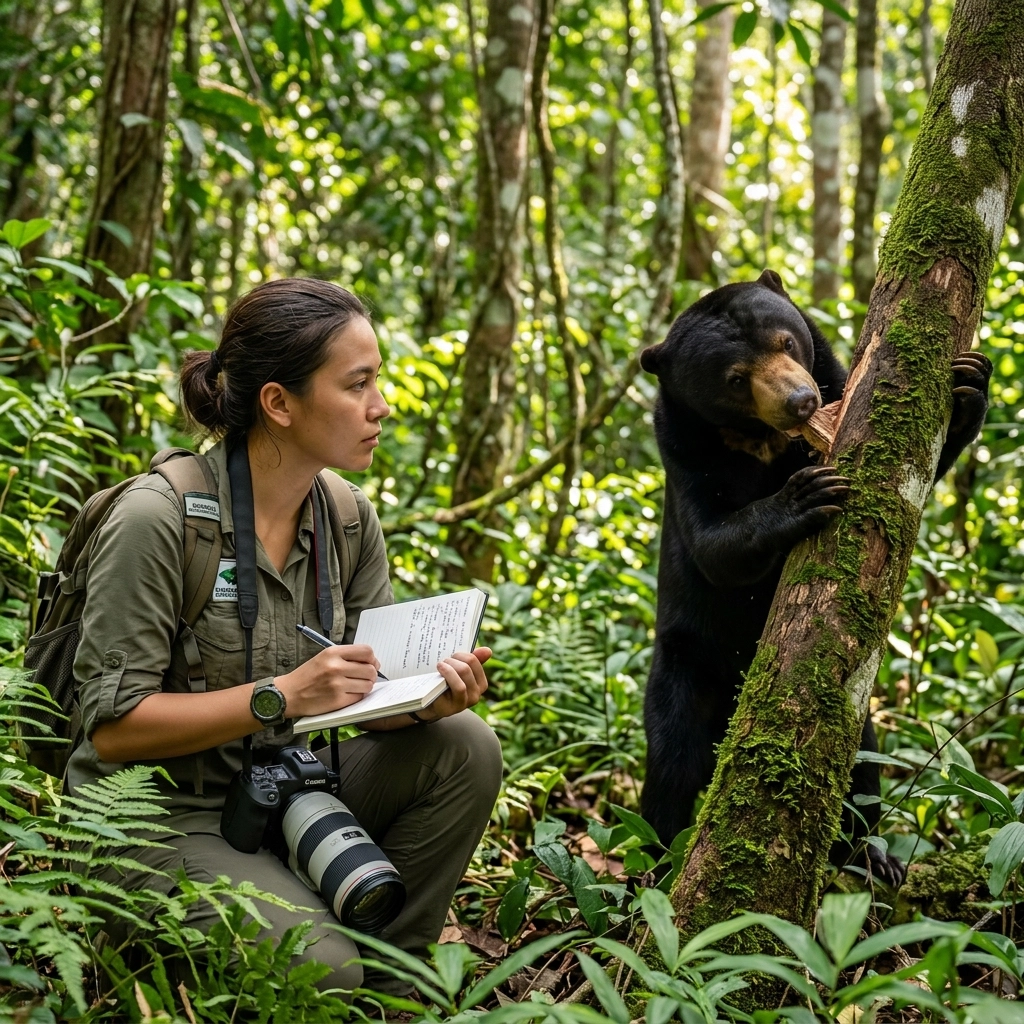
7 Mistakes You’re Making with Sponsored Species Spotlights (and How to Fix Them)
Sponsored species spotlights are the bridge between a brand and a cause. When done correctly, they create a meaningful connection with an audience. When done poorly, they look like a cheap advertisement in a space where authenticity is everything.
At Zoo Imagery, we see digital media assets used in many ways. The most effective ones let the animal do the talking. If your "Presented by" animal pages or sponsored spotlights aren't getting the engagement you expected, you might be falling into these common traps.
Here are seven mistakes you're making and how to fix them.
1. Using Low-Quality or "Stocky" Photography
The first thing a visitor sees is the animal. If the image is pixelated, poorly lit, or looks like a generic photo from fifteen years ago, they will keep scrolling. The "Animal Selfie" trap: where photos look staged or unnatural: kills the immersion.
The Fix:
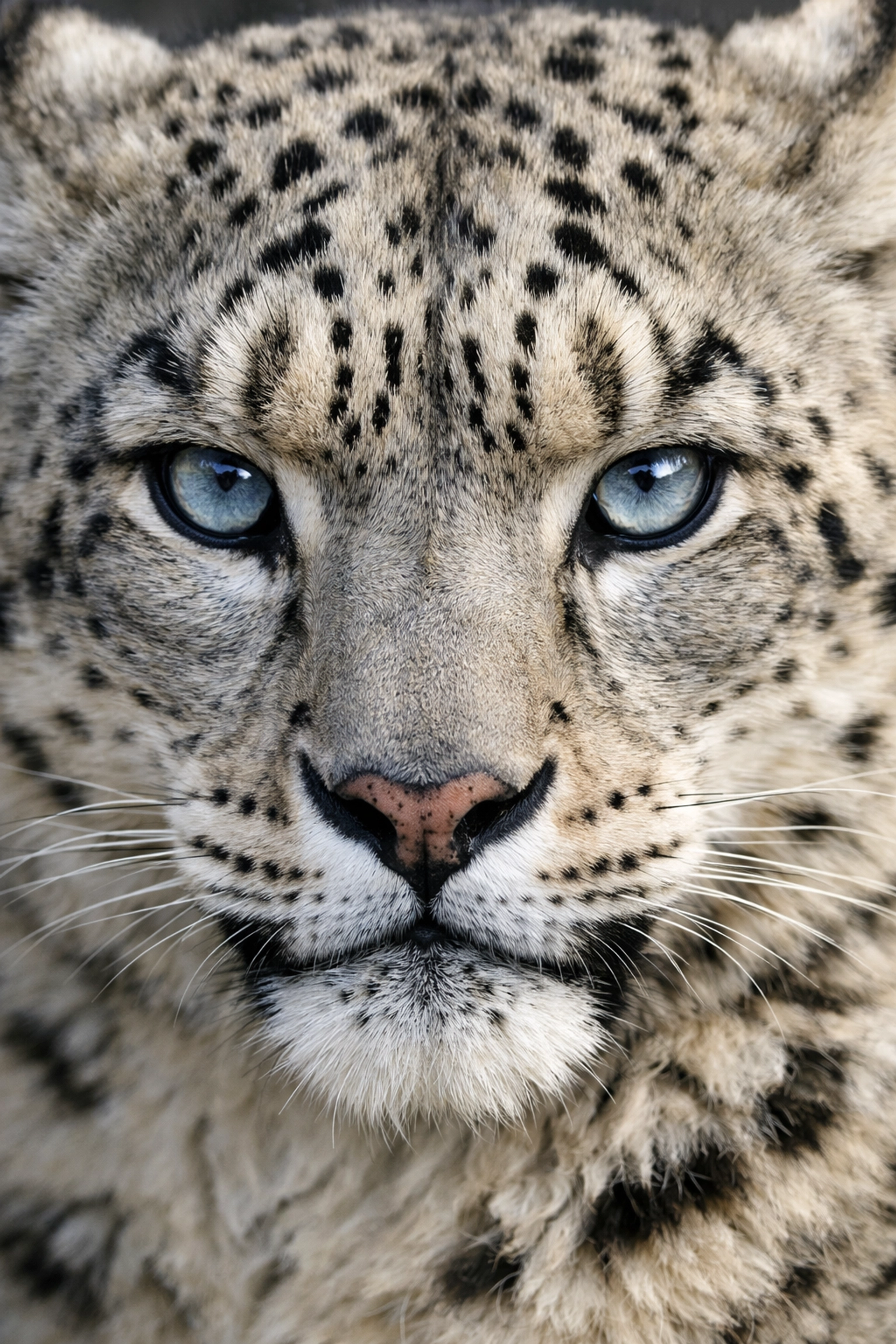
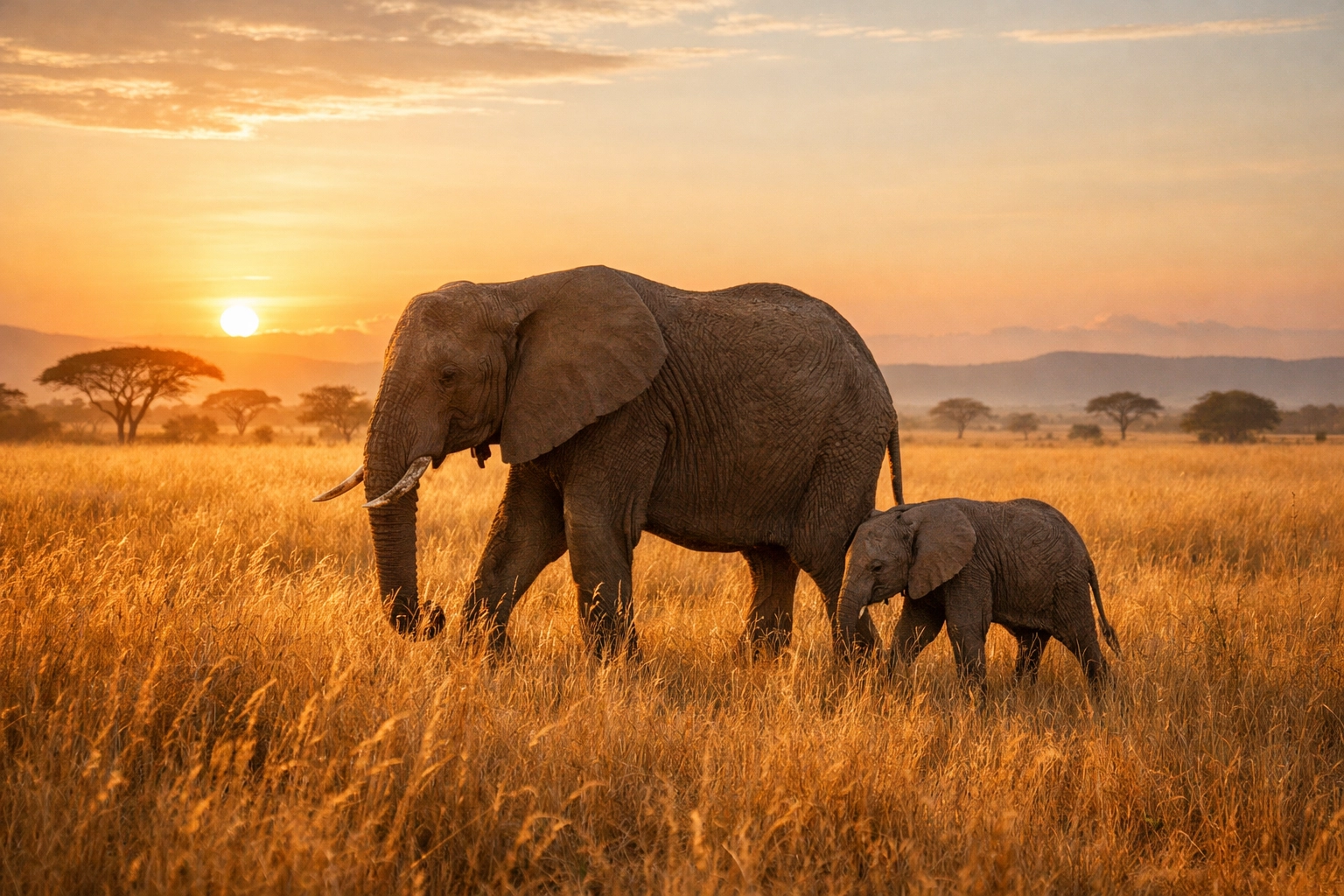
Invest in high-quality, professional stock photography. A species spotlight should feel alive. You want images that capture a specific moment: the texture of a leopard’s fur, the glint in a hawk’s eye, or the movement of a school of fish.
Quality imagery signals that the brand sponsoring the page cares about the details. We provide a library of assets designed specifically for this. Simple, clean, and striking.
2. Overloading the Page with Text
A species spotlight is not a Wikipedia entry. People visit these pages to see the animal, not to read a 2,000-word essay on evolutionary biology. Long blocks of text are overwhelming and usually get ignored.
The Fix:
Keep it simple. Use short fragments.
- The Name: Common and Scientific.
- The Status: Is it endangered?
- The Fact: One or two interesting points.
- The Brand: "Presented by [Your Company Name]."
Let the visuals occupy the most space. Minimalist layouts create a better user experience. If people want to learn more, they can click a link. For the spotlight, less is more.
3. Relying on "Green" Buzzwords
Using terms like "eco-friendly," "sustainable," or "green" without context feels hollow. Audiences are savvy. They can spot empty marketing jargon from a mile away. If a brand sponsors a species, the connection should feel organic, not like a checklist of buzzwords.
The Fix:
Focus on the action. Instead of saying a brand is "committed to sustainability," show it. Use the spotlight to mention a specific conservation project the brand supports. Direct language is more powerful than vague industry terminology.
Be transparent. Honest storytelling builds more trust than a list of adjectives. Keep your messaging utilitarian and focused on the animal’s needs.
4. Poor Brand Alignment
Not every brand fits every animal. If a heavy machinery company sponsors a delicate butterfly, the connection might feel forced unless there is a very clear "why." When the brand and the animal feel disconnected, the "Presented by" section feels like a banner ad rather than a partnership.
The Fix:
Align the brand's traits with the animal's characteristics.
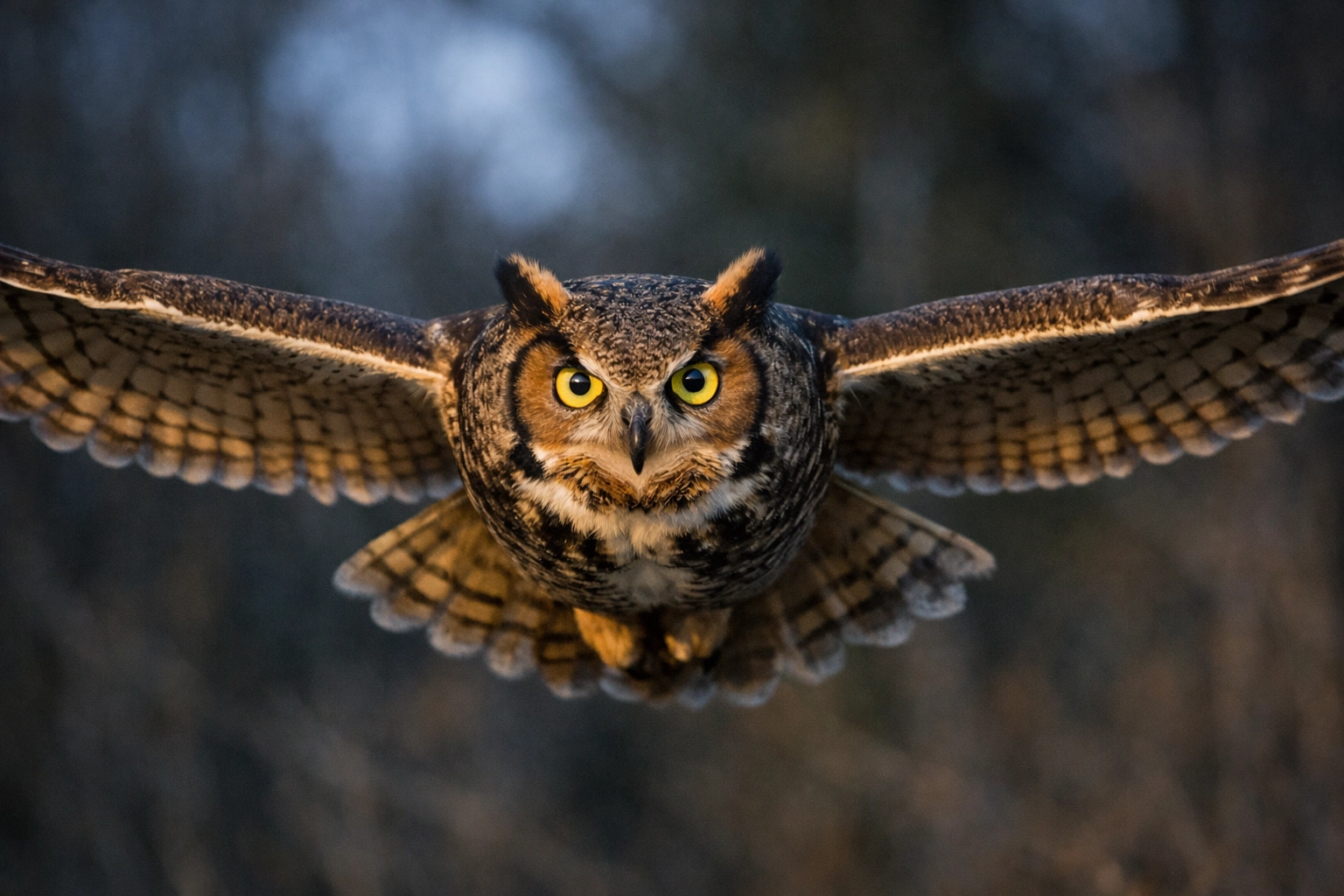
- Tech companies: Focus on precision (Owls, Hawks).
- Logistics companies: Focus on endurance or migration (Elephants, Sea Turtles).
- Security firms: Focus on protection (Rhinos, Lions).
This alignment makes the sponsorship feel logical. It creates a narrative that doesn't need to be over-explained.
5. The "Abundance Illusion"
This is a common mistake in wildlife photography and digital media. Showing hundreds of animals in a lush, perfect environment can sometimes hide the reality that a species is struggling. If every photo looks like a paradise, the urgency for conservation is lost.
The Fix:
Balance the beauty of the animal with the reality of its situation. You don't need to show depressing images, but your captions and secondary images should tell the full story. Use your "Presented by" pages to highlight the real work being done.
Authenticity is the goal. Use your platform to show the animal as it is: magnificent, but perhaps in need of a partner like your sponsor to help protect its future.
6. Ignoring the Mobile Experience
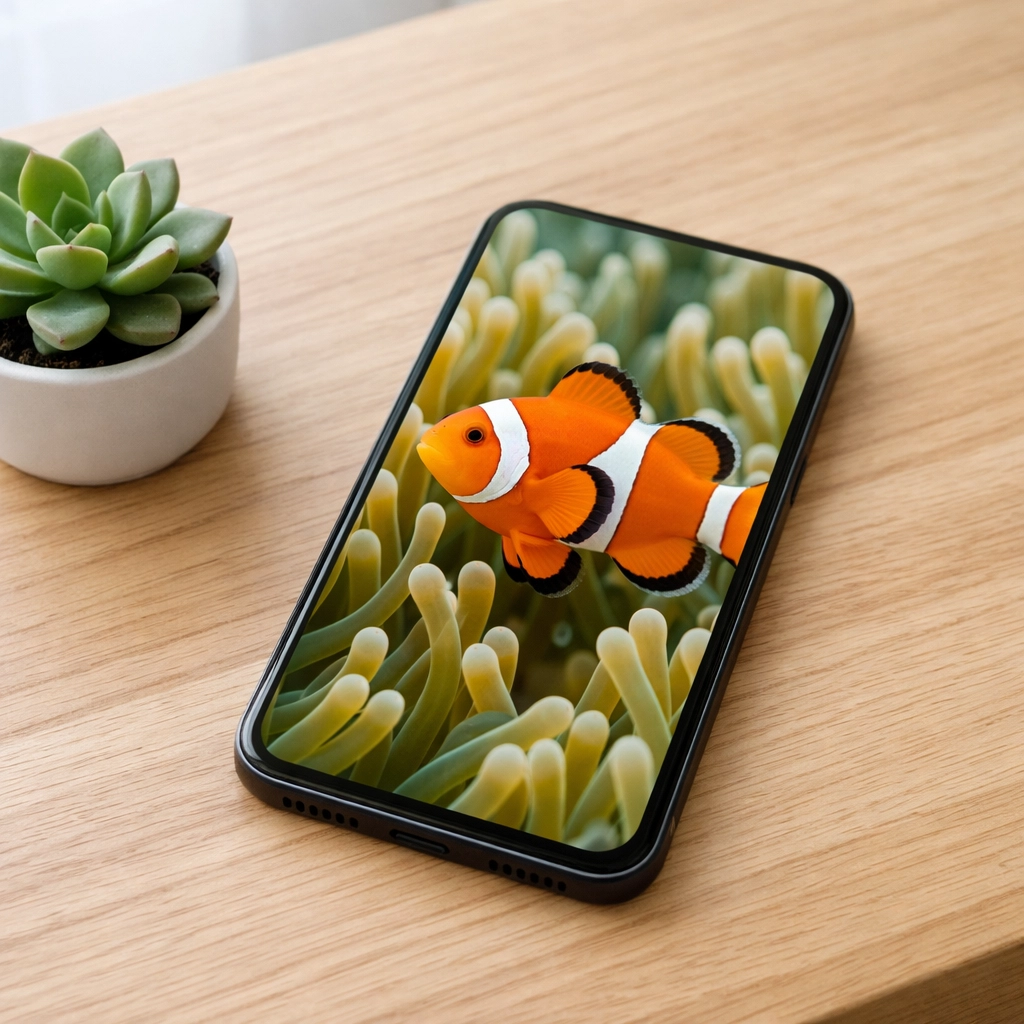
Most users will view your species spotlights on their phones. If your page takes ten seconds to load because of unoptimized images, or if the "Presented by" logo covers the animal's face on a small screen, you’ve lost the viewer.
The Fix:
Optimize your digital media.
- Use web-ready image formats.
- Ensure the layout is responsive.
- Place branding in a non-intrusive way.
A clean, uncluttered stylistic approach works best on mobile. Maximize white space. Ensure the animal remains the focus of the screen, regardless of the device.
7. No Clear Next Step
A visitor looks at the photo, reads a quick fact, and sees the sponsor logo. Then what? If the journey ends there, you’ve missed an opportunity for engagement.
The Fix:
Include a brief, benefit-focused call to action.
- "See how [Brand] is helping protect the [Species]."
- "Explore more from the [Zoo/Organization] library."
- "Join the conservation effort."
Don't use aggressive sales tactics. Keep it professional and approachable. A simple link to an about-us page or a conservation partner's site is enough to move the needle.
Why Simplify?
At Zoo Imagery, we believe in the power of a single image. We don't believe in clutter. Our CEO, Dan Kost, always emphasizes that the best way to tell a story is to get out of the way of the animal.
When you create a "Presented by" page, you aren't just selling a sponsorship. You are providing a window into the natural world. If that window is dirty with bad photos or covered in too much text, nobody will look through it.
Your Digital Media Checklist
Before you launch your next sponsored species spotlight, ask yourself:
- Is the photo high-resolution and engaging?
- Is the text minimal and direct?
- Does the brand alignment make sense?
- Is the page fast and mobile-friendly?
- Is there a clear, simple path for the user to follow?
If you can answer yes to all five, you’re on the right track.
Elevate Your Spotlight
A species spotlight should be more than a static advertisement. It should be a dynamic piece of conservation storytelling. By avoiding these seven mistakes, you ensure that your audience, your sponsors, and the animals all benefit from the exposure.
If you need high-quality assets to make your spotlights stand out, we can help. Our library is built for professionals who value quality over quantity. We don't do fluff. We just do great imagery.
Explore our collection or learn more about how we support zoos and brands at zooimagery.com.
Ready to upgrade your visual strategy?
Visit our advertising page for more information on how we work with brands and digital media.
Follow us on LinkedIn for daily insights into wildlife photography and digital media trends.


