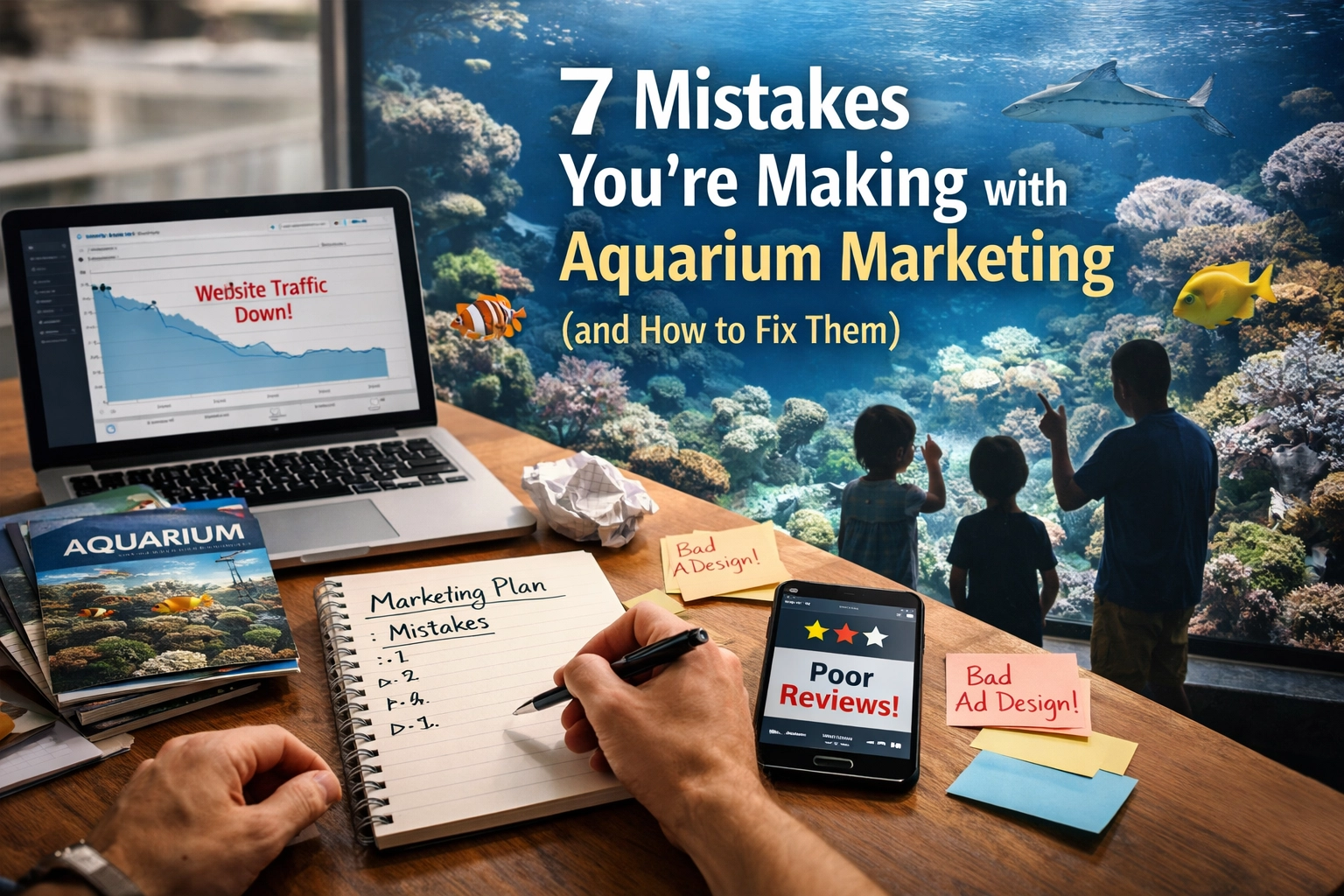
7 Mistakes You’re Making with Aquarium Marketing (and How to Fix Them)
Marketing an aquarium is different from marketing a theme park. You aren't just selling tickets to rides. You are selling a connection to the ocean. You are selling conservation. Most importantly, you are selling a visual experience.
Many aquariums miss the mark. They use the same tired strategies from ten years ago. They focus on the wrong details. They use imagery that feels sterile.
At Zoo Imagery, we see these patterns daily. We work with facilities to fix them. Here are the seven most common mistakes in aquarium marketing and how you can turn them around.
1. Using Generic, "Plastic" Photography
The biggest mistake is using imagery that looks like a screensaver. If a photo looks like it could be from a doctor’s office waiting room, don't use it.
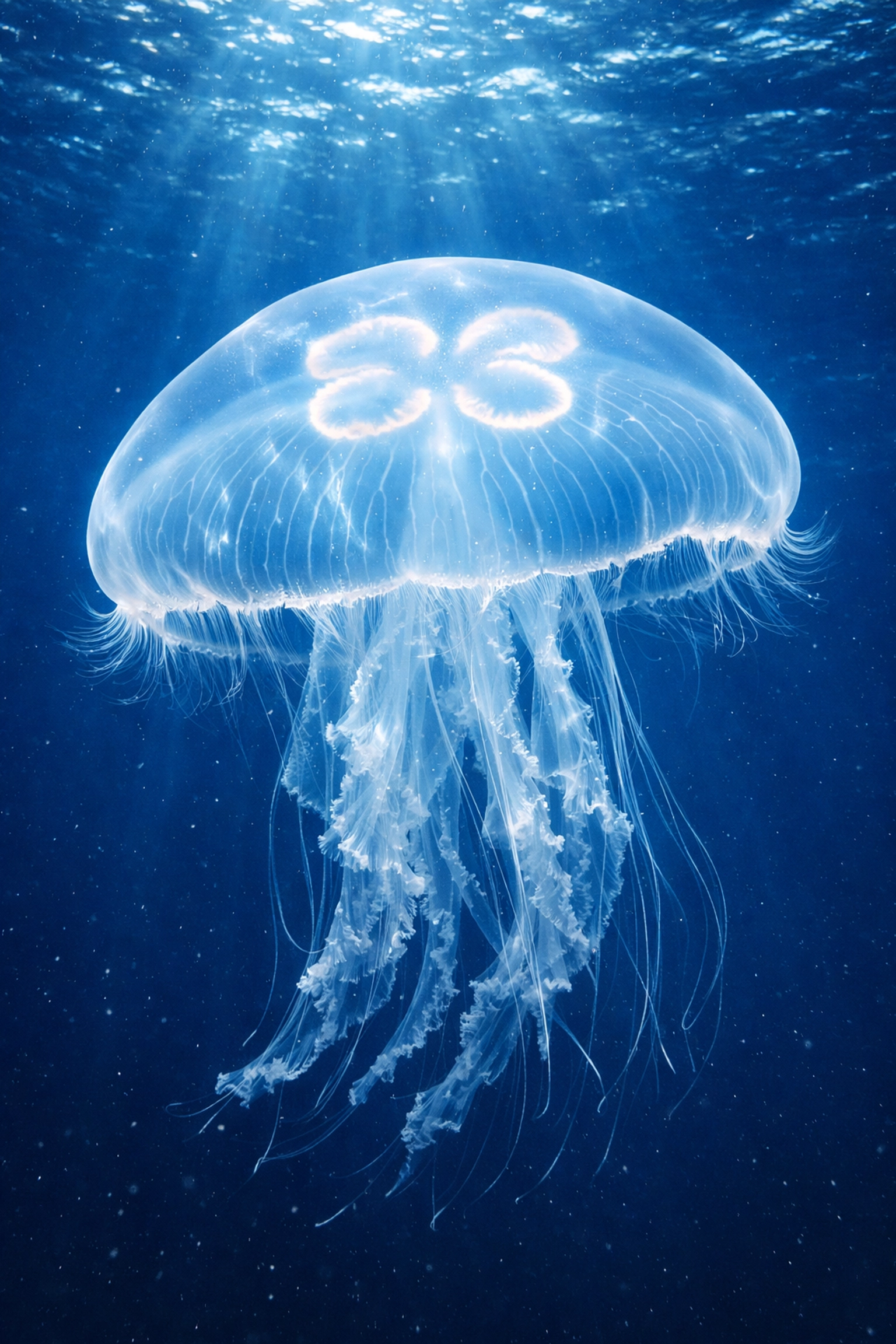
People want to see the texture of a sea star. They want to see the light refracting through a jellyfish. They want authenticity. Generic photos create a barrier between the viewer and the animal. They feel fake.
The Fix: Authenticity over Perfection.
Use high-resolution, professional stock photography that captures real moments. Focus on movement. Focus on the raw beauty of the water. Avoid overly saturated or heavily edited shots. Realism builds trust.
2. Over-Explaining the Mission
We see this in every "About Us" section. Long paragraphs about "committing to excellence in marine stewardship." It is a lot of words. It says very little.
Most visitors care about the impact, not the terminology. When you use industry jargon, you lose the audience. They want to know that the animals are cared for and that the ocean is being protected.
The Fix: Show, Don't Tell.
Instead of a 500-word essay on your conservation goals, show a photo of a rehabilitated turtle being released. Use simple captions. Let the visual evidence do the heavy lifting. Transparency is more effective than a mission statement.
Learn more about our approach to visual storytelling at zooimagery.com/about-us.
3. The "Shark Only" Syndrome
Sharks are impressive. They draw crowds. But if your marketing only features sharks, you are missing 90% of your story.
Aquariums are ecosystems. When you only show the "stars," the facility feels small. It feels like a one-note experience. You ignore the fascinating details that keep visitors coming back: the seahorses, the kelp forests, the invertebrates.
The Fix: Sponsored Species Spotlights.
Rotate your focus. Dedicate a week to a specific, perhaps overlooked, species. Use a "Presented by" format for these spotlights. It adds depth to your brand. It shows you value the entire ecosystem, not just the predators.
For example, a campaign focused on the grace of birds in coastal exhibits can reach a completely different demographic than a shark campaign.
4. Ignoring the "Quiet Moments"
Marketing often focuses on the "Big Reveal." The massive tank. The tunnel under the water. The screaming kids at the touch tank.
These are great, but they aren't the whole experience. Many visitors come to aquariums for peace. For the meditative quality of the water. If your marketing is always loud and high-energy, you alienate the audience looking for a calm afternoon.
The Fix: Emotional Range.
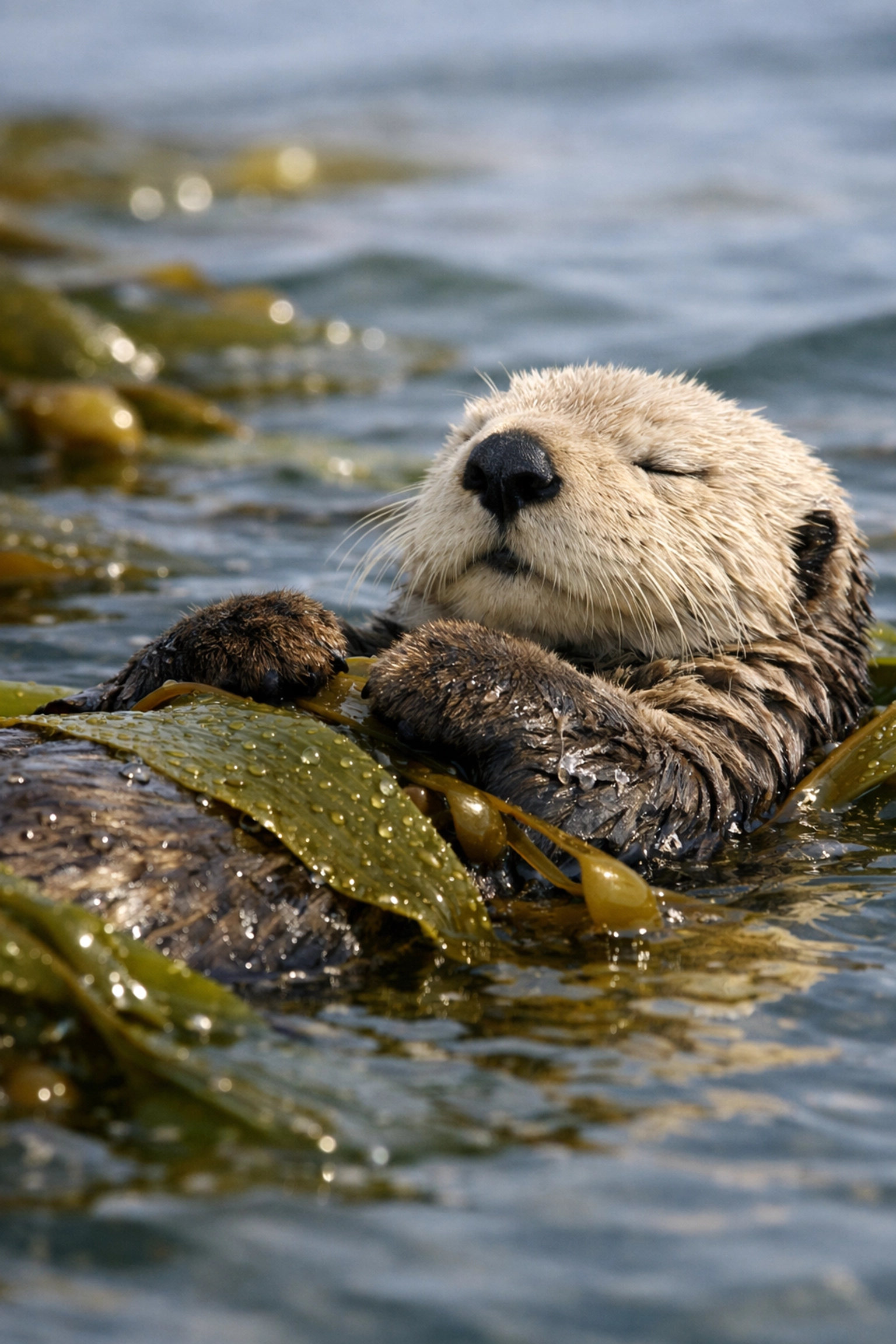
Vary the tone of your content. Include "quiet" posts. Short videos of swaying anemones. A still photo of a sleeping otter. Use minimal text. Let the viewer breathe. This creates a sense of sanctuary, which is a powerful draw.
5. Using Jargon-Heavy "ESG" Content
Everyone is talking about environmental and social governance. In the aquarium world, this usually means conservation and sustainability.
The mistake is using the word "Sustainability" or "ESG" every three sentences. To the average person, these are corporate buzzwords. They feel cold. They feel like a box being checked.
The Fix: Plain Language Impact.
Talk about the planet. Talk about the water. Talk about the future of the species. Instead of saying "Our ESG-aligned campaign focuses on plastic reduction," say "We are helping keep the ocean clean for the animals we love." It is the same message, but it feels human.
6. Inconsistent Visual Branding
We often see aquariums using a mix of high-end photography and blurry cell phone shots from staff. Or, they use five different filters across their social media grid.
This lack of consistency makes the institution look amateur. If your visuals are disorganized, people assume your facility is too. Your marketing is the digital front door of your aquarium.
The Fix: A Professional Asset Library.
Build a library of consistent, high-quality images. Every photo should feel like it belongs to the same story. This doesn't mean every photo is the same, but they should share a professional standard.
We provide these types of libraries for facilities globally. Check out our curated collections at zooimagery.com/listing/example-file-1.
7. Hiding the People
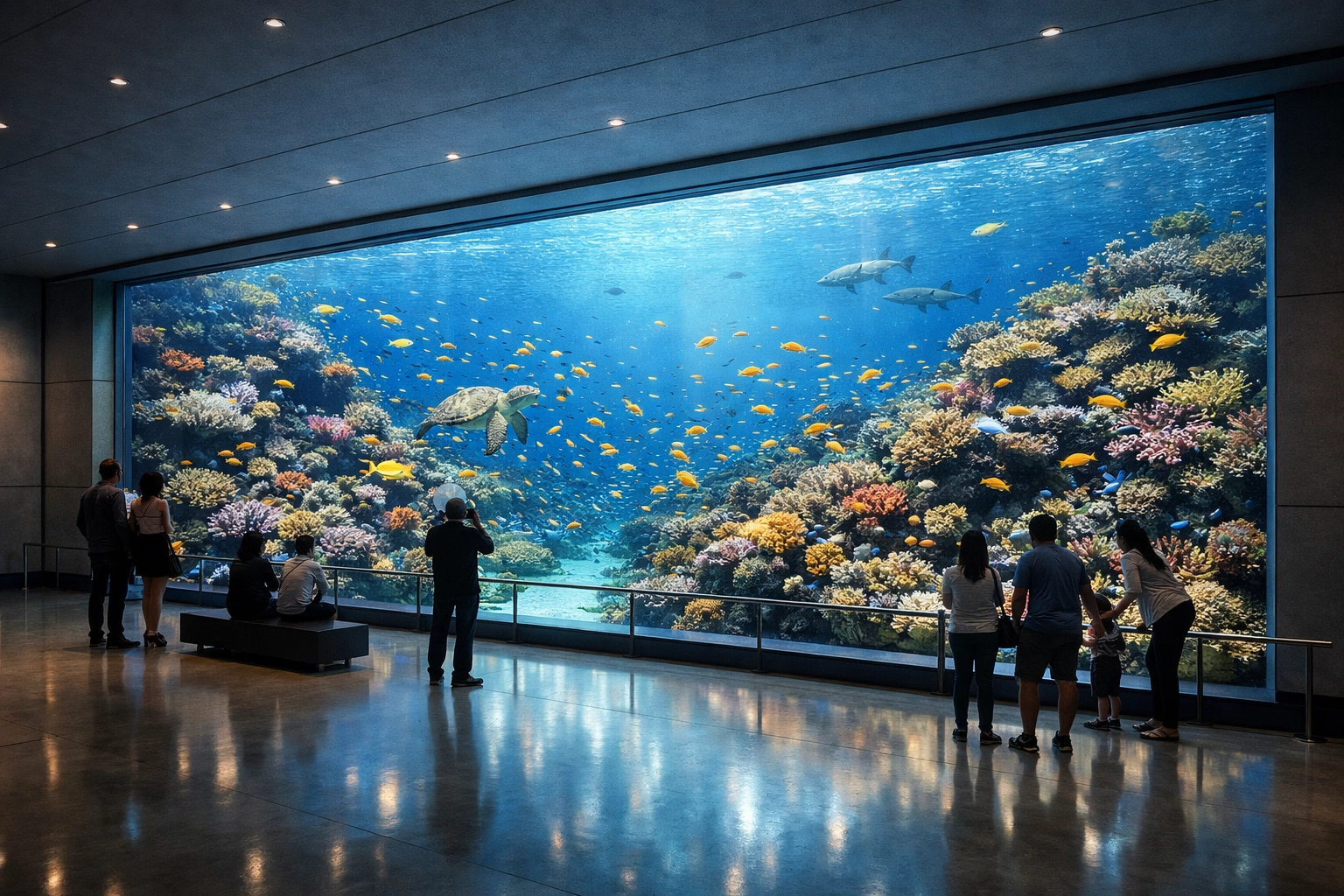
People think aquariums are about fish. They aren't. They are about the relationship between people and the ocean.
If your marketing never shows the biologists, the cleaners, or the researchers, it feels disconnected. It feels like a museum of dead things, not a living center for care.
The Fix: Behind-the-Lens Access.
Show the hands that feed the rays. Show the person checking the water chemistry at 5 AM. Humanize the institution. When visitors see the people behind the glass, they feel more connected to the mission. They realize that their ticket price supports these people and their work.
Why Visuals Matter More in 2026
The way people consume information has shifted. We are in a visual-first era. No one reads a brochure anymore. They look at your Instagram. They look at your website. They make a decision in three seconds.
If your imagery is dated, you lose.
If your message is cluttered, you lose.
Aquarium marketing should be as clear and deep as the water itself.
Quick Summary Checklist:
- Simplify: Remove the buzzwords.
- Diversify: Show more than just sharks.
- Humanize: Show the caretakers.
- Upgrade: Use professional-grade stock imagery.
- Consistent: Keep the brand tone steady.
At Zoo Imagery, we specialize in providing the media that makes these fixes possible. We don't just provide photos; we provide the visual foundation for your conservation story.
Whether you are looking for specific species like tigers in outdoor exhibits or deep-sea marine life, we have the assets you need to stand out.

Connect with us
Ready to fix your marketing? Let’s talk about your visual strategy.
Visit us: zooimagery.com
Follow us on LinkedIn for daily marketing insights.
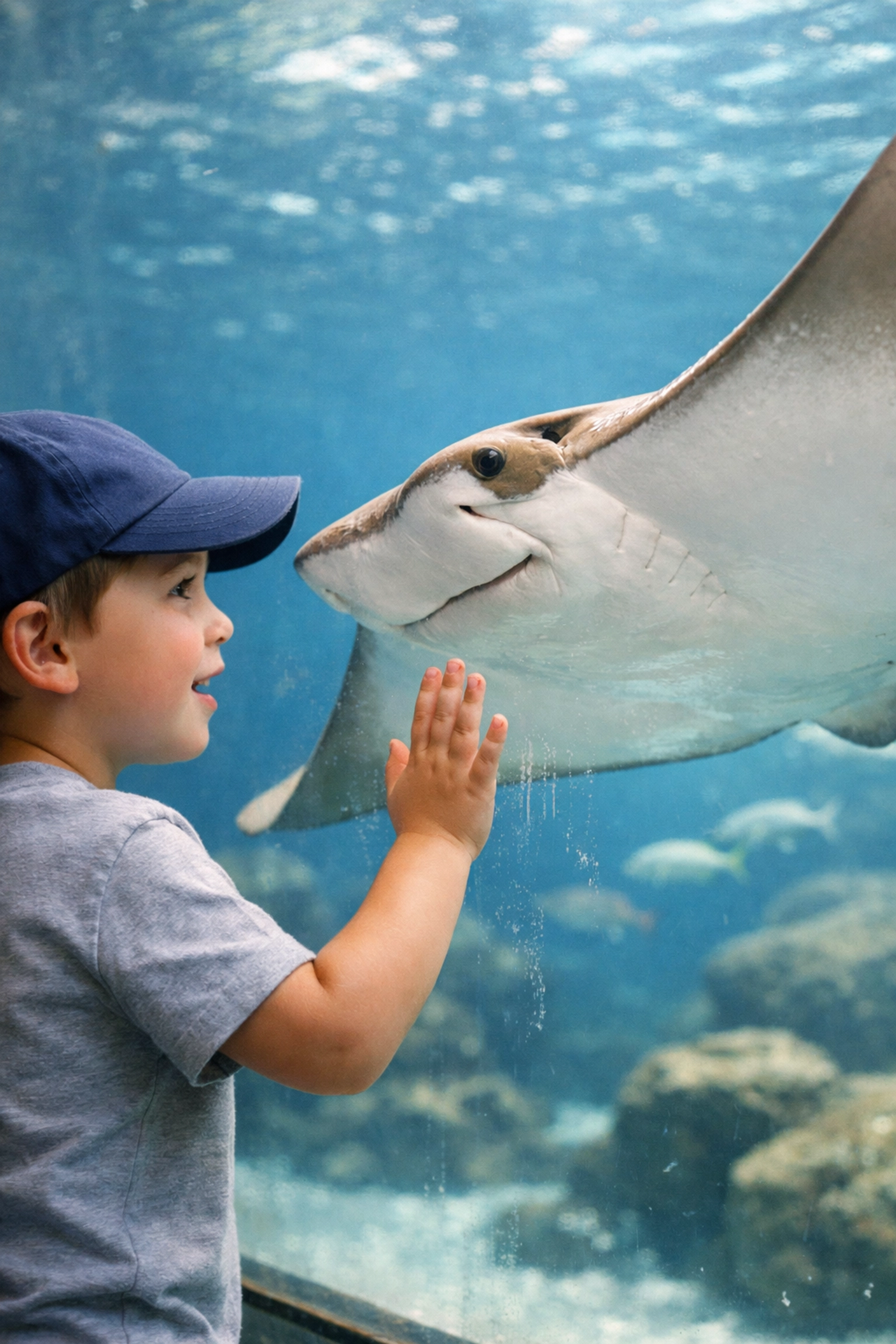
Aquariums have the most beautiful "product" in the world. Don't let bad marketing hide it. Keep it simple. Keep it real. Focus on the animals. The rest will follow.


