
7 Mistakes You're Making with Animal Stock Photography (and How to Fix Them)
You're scrolling through animal photos for your next campaign. Half look blurry. The other half feel… off.
Here's the thing: bad animal stock photography doesn't just happen. It's usually the result of a few common mistakes that are easy to fix once you know what to look for.
Whether you're shooting your own content or choosing stock images for your zoo's website, these seven mistakes will save you time, money, and a lot of headaches.
1. Shooting Without a Plan
Walking into a habitat with a camera and hoping for the best rarely works.
Animals don't perform on cue. They nap. They hide. They turn their backs right when you're ready to shoot.
The fix: Know your subject before you show up. Research behavior patterns. Talk to zookeepers about feeding schedules and active hours. Understand the environment: where animals rest, where they move, what time of day they're most active.
Preparation gives you an edge. You'll anticipate movements instead of reacting too late.

2. Ignoring the Light
Natural light sounds perfect until it's not.
Harsh midday sun creates hard shadows. Animals squint. Details disappear. Indoor exhibits with poor lighting turn into grainy, unusable shots.
The fix: Shoot during golden hour: early morning or late afternoon. Soft, warm light flatters fur, feathers, and scales.
For indoor exhibits:
- Use diffused lighting
- Avoid direct flash (it stresses animals and creates unnatural glare)
- Position yourself where ambient light works in your favor
Backlighting creates dramatic silhouettes and glowing outlines. Sidelight adds texture and depth. Front lighting can flatten your subject but works well for detail shots.
Test your angles. Move around. Light changes everything.
3. Wrong Camera Settings
Blurry photos. Out-of-focus eyes. Motion trails where there should be sharp details.
These aren't bad luck. They're settings issues.
The fix: Prepare your gear before the animal appears.
- Use continuous autofocus for moving subjects
- Focus on the eyes (always the eyes)
- Set shutter speed to at least 1/500th of a second (1/1000th for birds or fast-moving animals)
- Increase ISO if needed: better to have some noise than complete blur
Manual focus works for stationary subjects or when autofocus hunts endlessly in low light. Pre-focus on a spot where you expect the animal to move.
Check your histogram. Don't trust your camera screen in bright conditions: it lies.
4. Getting Distance Wrong
Too close? You stress the animal and ruin the shot.
Too far? Your subject becomes a tiny speck with no detail.
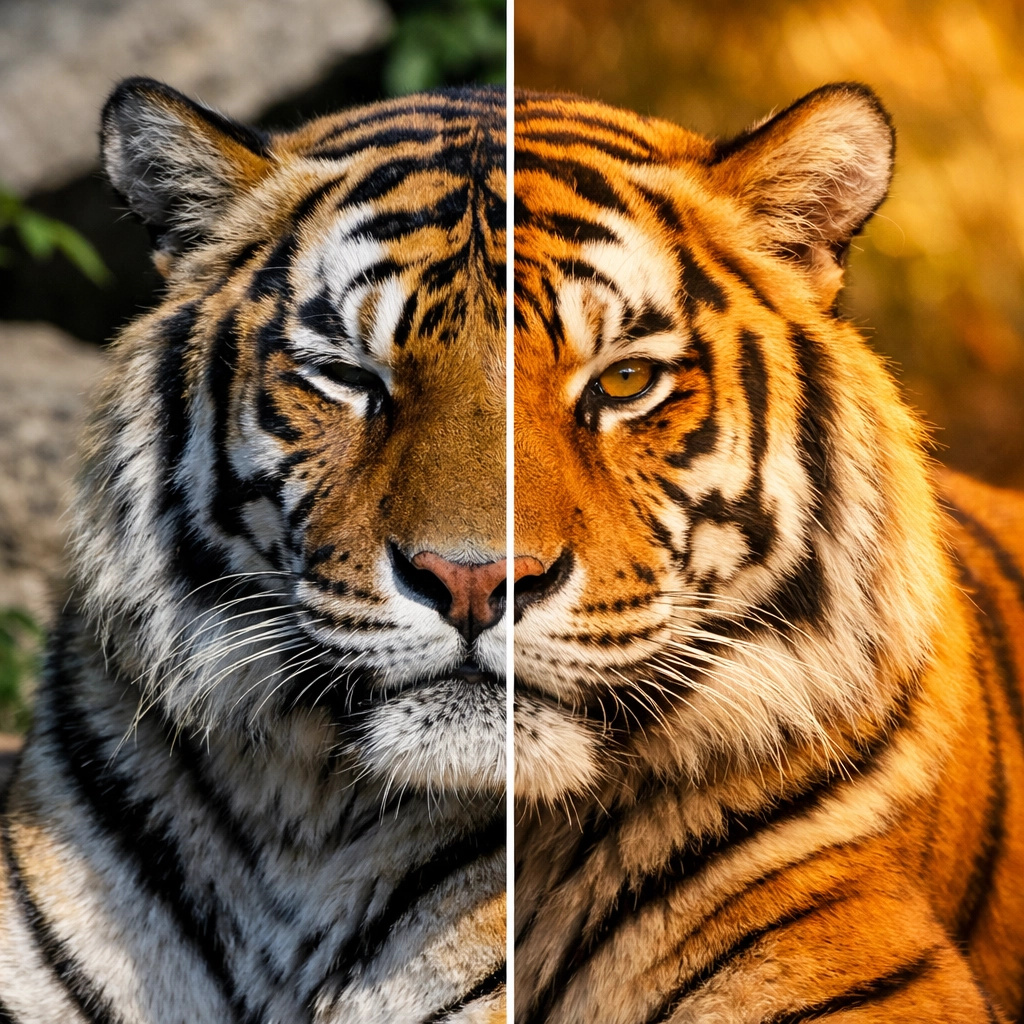
The fix: Use a telephoto lens (300mm or longer). This lets you maintain respectful distance while filling the frame.
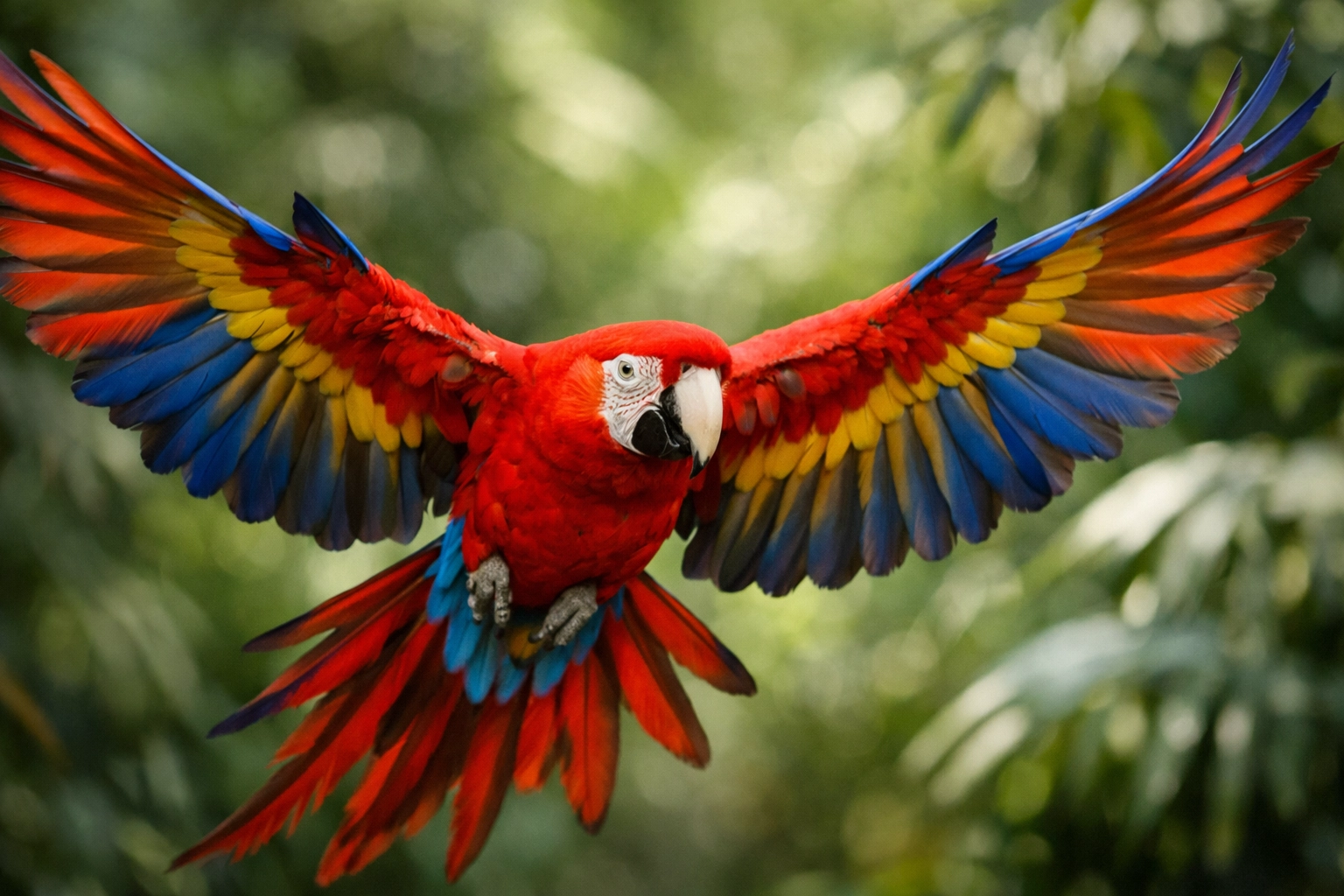
For sponsored species spotlights or "Presented by" animal pages, detail matters. You want to see the texture in an elephant's skin. The individual feathers on a parrot. The whiskers on a tiger.
Distance also depends on the story you're telling. Wide shots show habitat context. Tight shots capture personality and emotion.
Strike the balance based on your purpose.
5. Never Reviewing Your Shots
Rapid-fire shooting feels productive. But if you're making the same exposure mistake on every frame, you're wasting time.
The fix: Pause after a series of shots. Review your images.
Check for:
- Overexposure (blown-out highlights)
- Underexposure (lost shadow detail)
- Focus accuracy
- Distracting elements in the frame
Use your histogram. A balanced curve is what you want: not bunched against the left (underexposed) or right (overexposed) edge.
Catching mistakes early means you can adjust and reshoot. Waiting until post-processing is too late.
6. Motion Blur from Slow Shutter Speed
Animals move. Fast.
A penguin diving. A monkey leaping. A bear swatting at water.
Slow shutter speed turns action into blur.
The fix: Prioritize shutter speed over everything else. If you need to increase ISO to achieve 1/1000th of a second, do it.
A sharp image with grain beats a perfectly exposed blurry mess every time.
For static moments: an animal resting or posing: you can drop your shutter speed. But for anything involving movement, speed is your friend.
7. Weak Composition
Centered subjects. Cluttered backgrounds. Awkward cropping.
These mistakes scream amateur and make even great animals look boring.
The fix: Apply these composition principles:
Rule of thirds: Place the animal slightly off-center. Creates balance and visual interest.
Leave space: If the animal is looking or moving in a direction, give them room in the frame. Don't crop them against the edge.
Simplify backgrounds: Distracting branches, fences, or random objects pull attention away from your subject. Shoot at a shallow depth of field (wide aperture) to blur backgrounds. Or change your angle entirely.
Mind the edges: A horizon line cutting through an animal's head looks sloppy. Stray grasses or signs creeping into the frame distract viewers.
Tell a story: Is the animal hunting? Playing? Resting? Your composition should reinforce the narrative.
Great composition makes average animals look incredible. Poor composition ruins even the most stunning subjects.
Why This Matters for Your Zoo
Here's the reality: animal stock photography drives engagement.
Your website. Social media. Conservation campaigns. Sponsored species spotlights. "Presented by" animal pages that connect donors to specific animals.
Quality imagery makes all of this work better.
Visitors connect emotionally with sharp, well-composed photos. Sponsors see their names alongside professional content. Your brand looks credible and trustworthy.
Bad photography? It has the opposite effect.
At Zoo Imagery, we focus on solving these exact problems. Our library eliminates the guesswork: professionally shot animal photos ready for your marketing, education, and conservation efforts.
No more blurry tigers. No more poorly lit penguins. No more composition mistakes.
Ready to Level Up Your Animal Content?
Stop settling for mediocre stock photos.
Browse our collection at zooimagery.com or connect with us on LinkedIn to see how we're helping zoos and aquariums tell better visual stories.


