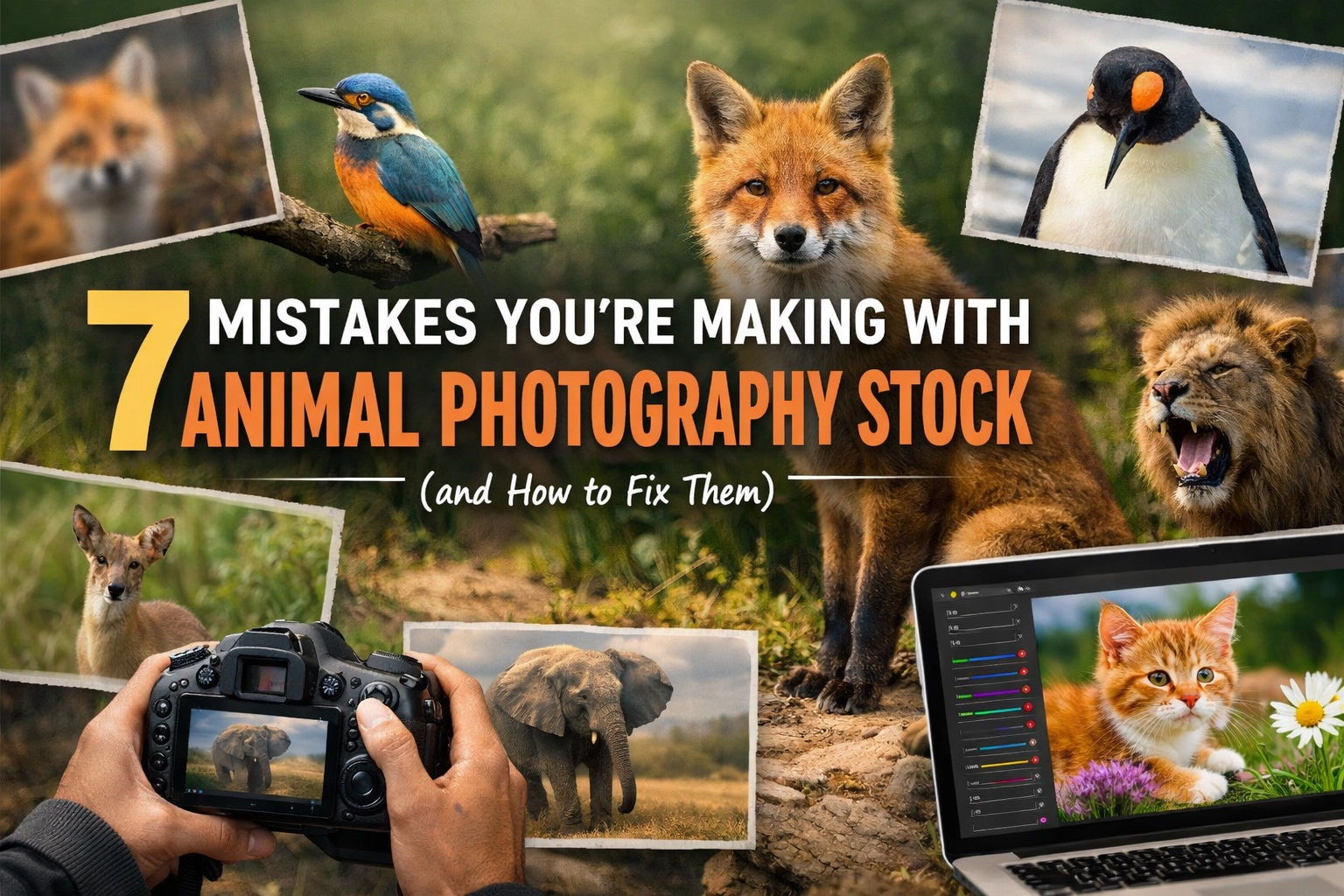
7 Mistakes You’re Making with Animal Photography Stock (and How to Fix Them)
Animal photography captures attention. It builds empathy. It drives engagement.
But most people use it wrong.
Stock photography can look generic. It can feel disconnected. It can even hurt your brand if the context is off.
At Zoo Imagery, we see these mistakes daily. We also see how to fix them.
Here are the seven most common errors and the simple steps to correct them.
1. Choosing Generic Over Specific
The biggest mistake is selecting a "generic" animal photo.
A cat is not just a cat. A tiger is not just a tiger.
Many creators grab the first high-res image they find. They ignore the species' specific traits or the environment it belongs in. This creates a disconnect for savvy audiences.
The Fix:
- Know the species.
- Research the habitat.
- Match the animal to your message.
Use our "Presented by" animal pages. They provide context. They show the animal in its true light.
2. Ignoring the Eyes
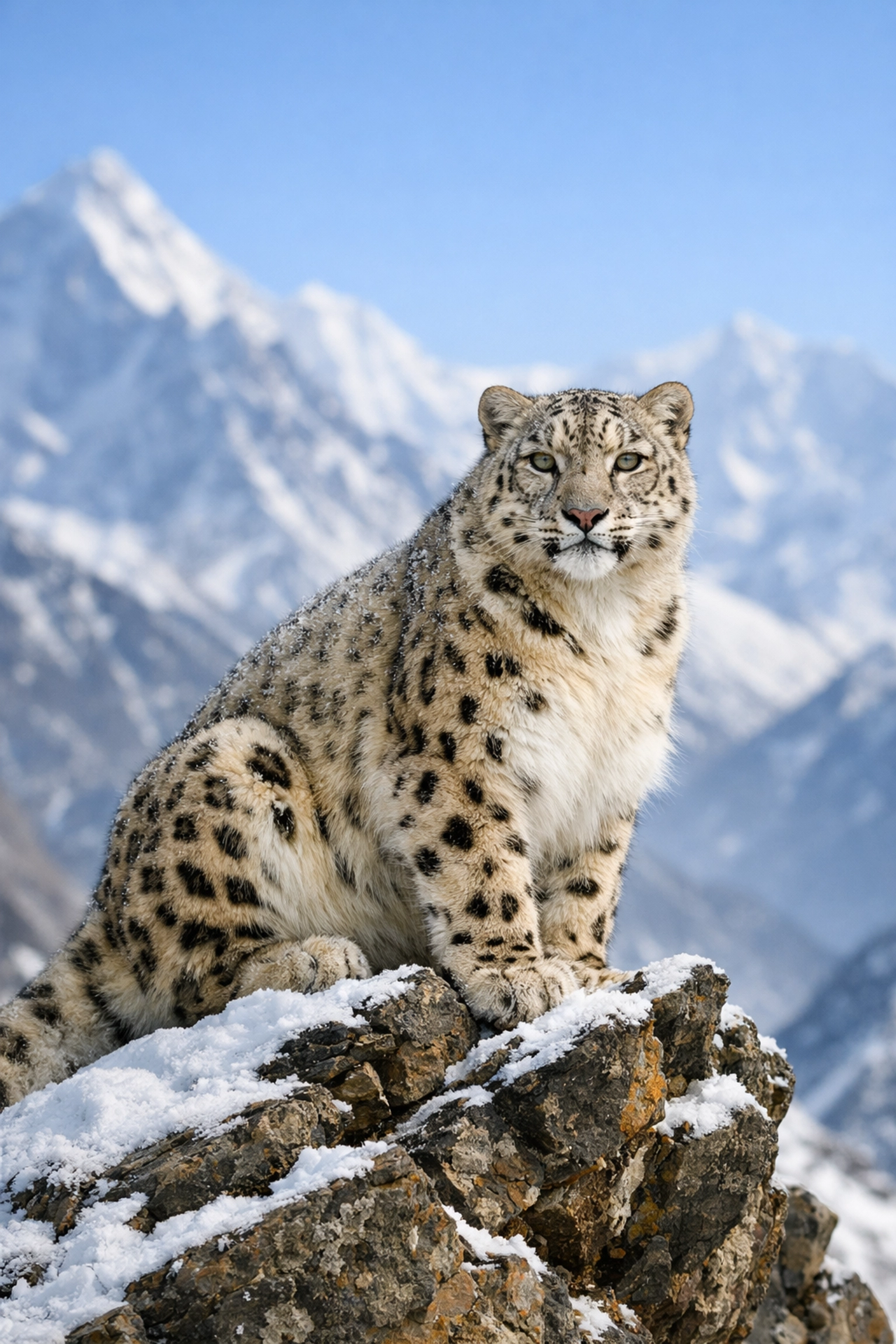
The eyes are the entry point.
If the animal’s eyes are out of focus, the image fails. If the animal is looking away, the connection is lost.
Humans look for eyes first. It is instinctual. A photo of an animal's back rarely tells a story.
The Fix:
- Select images where the eyes are sharp.
- Prioritize eye contact with the lens.
- Look for "catchlights", the tiny reflections in the eyes that show life.
Focusing on the eyes bridges the gap between the viewer and the subject. This is essential for conservation storytelling.
3. High-Sun Shadows
Midday sun is harsh. It creates deep shadows. It flattens the subject.
Many stock photos suffer from "blown-out" highlights or "ink-black" shadows. This makes the animal look two-dimensional. It feels amateur.
The Fix:
- Look for "Golden Hour" photography.
- Search for soft, diffused light.
- Avoid high-contrast shots unless they are intentional.
Soft lighting highlights texture. It shows the softness of fur and the detail in scales.
4. Shooting from Above
Most people take photos from a standing position. They look down at the animal.
This creates a "human-centric" perspective. It makes the animal look small and submissive. It creates a barrier to empathy.
The Fix:
- Choose photos taken at eye level with the animal.
- Look for low-angle shots.
- Provide a "ground-up" view.
When you are at the animal's level, you are in their world. This perspective shift is powerful for sponsored species spotlights.
5. Busy and Distracting Backgrounds
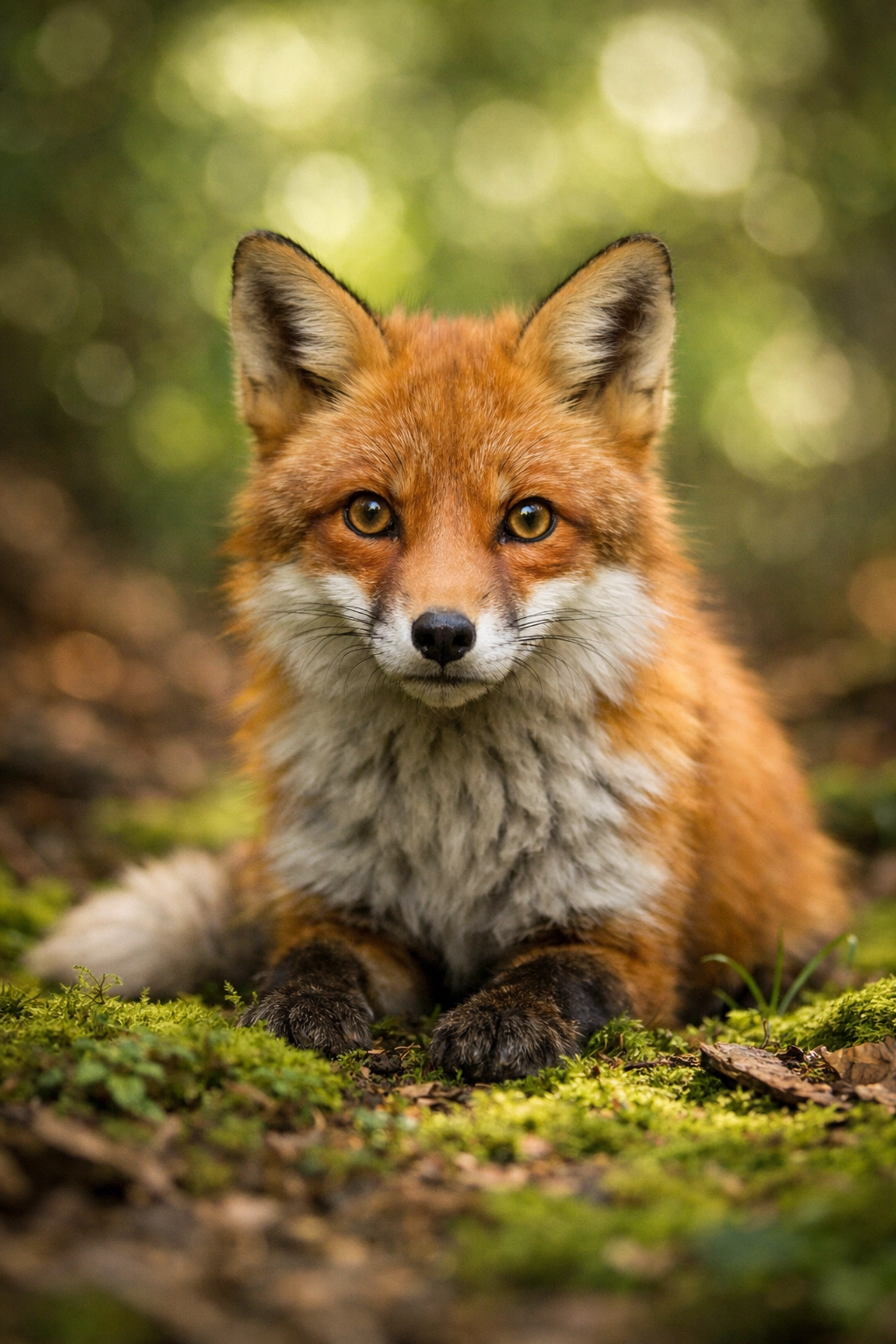
A great subject can be ruined by a bad background.
Branches growing out of a head. Bright spots in the corner. Fences that remind people of cages.
Distractions pull the eye away from the animal. They make the image look cluttered and unprofessional.
The Fix:
- Search for images with a "shallow depth of field."
- Ensure the background is blurred (bokeh).
- Look for clean, natural environments.
A clean background lets the animal breathe. It makes your text easier to read if you are using the photo for an ad or a post.
6. Over-Processing and Fake Colors
Filters can be tempting.
Over-saturated greens. Unnatural blues. Excessive sharpening.
When stock photos are over-edited, they lose their authenticity. They look like cartoons. In an era of AI and "fake" media, authenticity is your greatest asset.
The Fix:
- Keep it natural.
- Compare the photo to real-life references.
- Avoid the "over-sharpened" look.
Authentic imagery builds trust. This is vital for ESG-aligned campaigns where transparency matters.
7. Lack of Narrative Context
A photo without a story is just a file.
The mistake is using an image simply because it is "pretty." If the image doesn't support the narrative, it's a distraction.
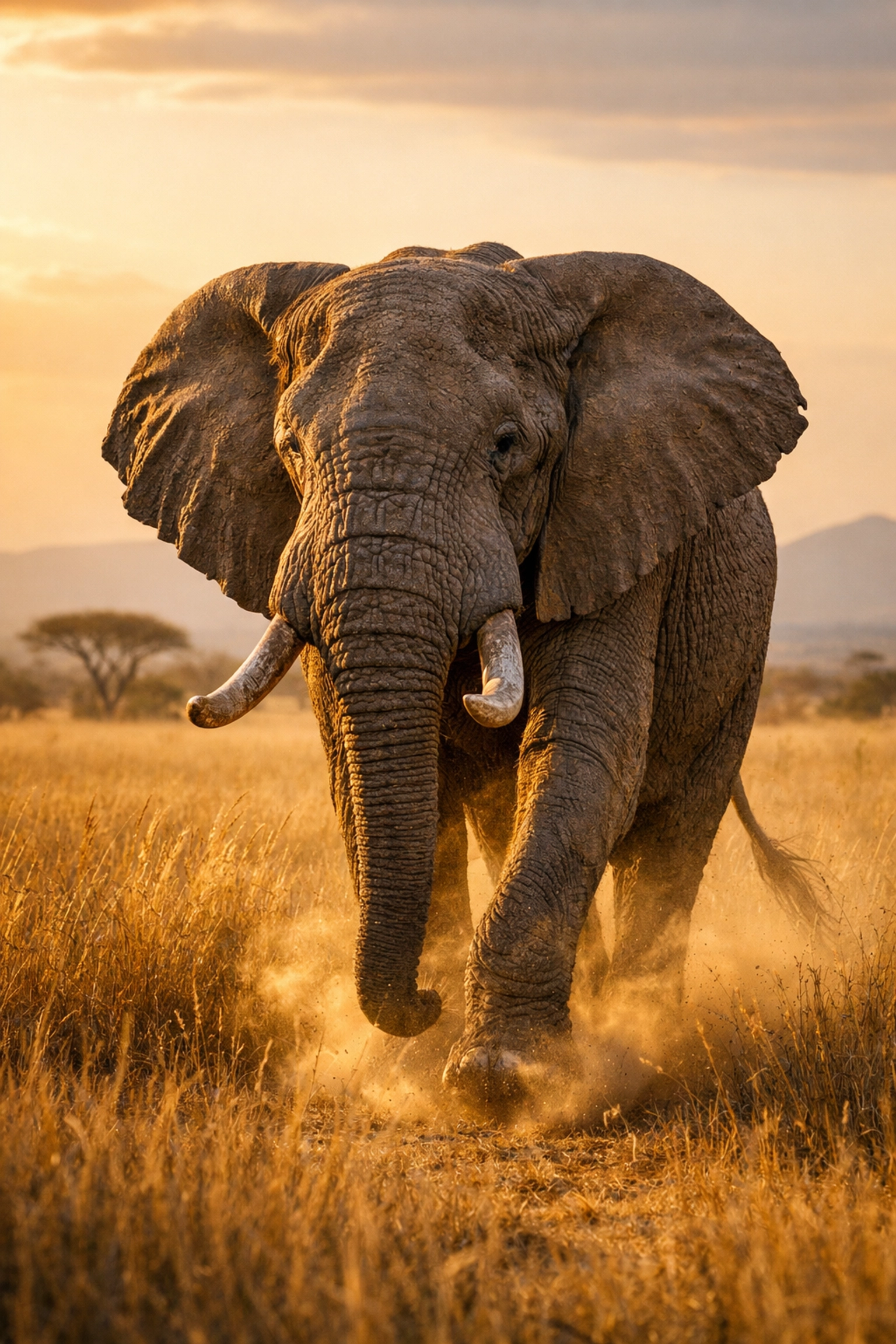
Why is that lion looking to the left? Why is that elephant walking away?
The Fix:
- Define your story first.
- Select imagery that moves the story forward.
- Use sponsored species spotlights to add depth.
When you align your imagery with a cause or a specific species narrative, the impact doubles.
Using Zoo Imagery the Right Way
We don't just provide photos. We provide solutions.
Our library is built for professionals who need more than just a "stock" look. We focus on the details that matter.
Species Spotlights
We highlight specific animals. We tell their stories. This allows your brand to align with real conservation efforts. It moves beyond simple decoration.
"Presented by" Pages
These pages allow for a unique brand integration. You don't just use a photo; you support the representation of that species. It’s a cleaner, more professional way to show your commitment to the natural world.
The Checklist for Your Next Project
Before you download your next animal stock photo, ask these questions:
- Is it the right species for the message?
- Are the eyes sharp and engaging?
- Is the lighting soft or harsh?
- Is the camera at the animal’s eye level?
- Is the background clean?
- Does it look natural or over-processed?
- Does it tell the story I need it to tell?
If the answer to any of these is "no," keep looking.
Why Quality Matters
Photography is a silent language.
In the digital space, users scroll fast. You have less than a second to make an impression. A high-quality, authentic animal photo can stop the scroll. A bad one is ignored.
We prioritize quality over quantity. Our collection is curated. We look for the moments that feel real.
Professionalism in Simplicity
We keep our approach simple.
- Clear licensing.
- High-resolution files.
- Direct access.
No jargon. No complicated hoops. Just great imagery.

Elevate Your Visual Strategy
Your brand deserves better than generic stock.
Whether you are working on a conservation project, an ESG report, or a marketing campaign, the right image makes the difference.
Stop making the common mistakes. Start using imagery that connects.
Visit zooimagery.com to explore our library.
Connect with us on LinkedIn to see our latest species spotlights and industry insights.
Key Takeaways
- Authenticity Wins: Avoid over-processed "fake" looks.
- Perspective Matters: Get on the animal's level.
- Focus on Eyes: It is the key to human connection.
- Context is King: Use species spotlights to add narrative value.
Simple changes lead to better results.
Zoo Imagery is here to help you get it right.
Zoo Imagery
Simple. Direct. Professional.
zooimagery.com


